
Karikachi toge (Karikachi Mountain Pass) — History & Facts
Can beauty exist without sorrow? In Karikachi toge, the interplay of color suggests that nature’s allure is often laced with an underlying melancholy. Focus on the subtle gradations of blue and grey that envelop the mountain pass. Notice how the delicate white mist swirls gently at the peaks, creating a sense of depth and warmth amid the coolness of the landscape. The faint traces of light breaking through the clouds draw your eye along the path, inviting you to wander into the mysterious depths of the scene.
Each brushstroke captures the essence of tranquility, while the carefully balanced palette evokes both serenity and longing. The contrast between the vibrant yet muted hues speaks to the duality of experience. The mountain pass, a symbol of journey and transition, holds an unspoken narrative of the travelers who may have traversed this route, each carrying their own burdens. The stillness of the landscape suggests a moment frozen in time, while the layers of color communicate a world rich with history and emotion, hinting at the stories that linger in the air. In 1927, when this work was created, Kawase Hasui was deeply involved in the shin-hanga movement, which sought to blend traditional woodblock techniques with contemporary themes.
Living in Japan during a time of cultural transition, Hasui captured the essence of a rapidly changing world through his landscapes, reflecting both the beauty and the temporal sadness inherent in nature. This piece is not only a testament to his skill but also to the emotional depth that characterizes his oeuvre.
More Artworks by Kawase Hasui
Browse all →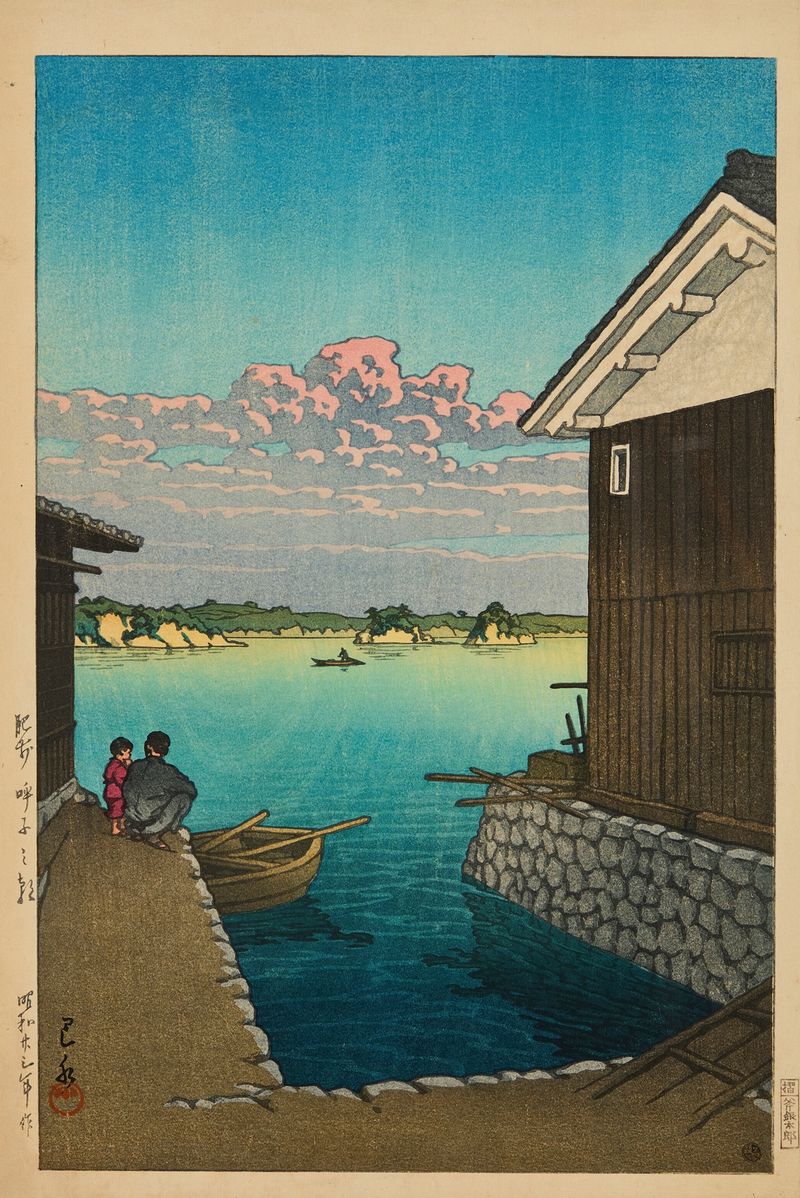
Hizen Yobuko no asa (Morning in Yobuko, Hizen)
Kawase Hasui
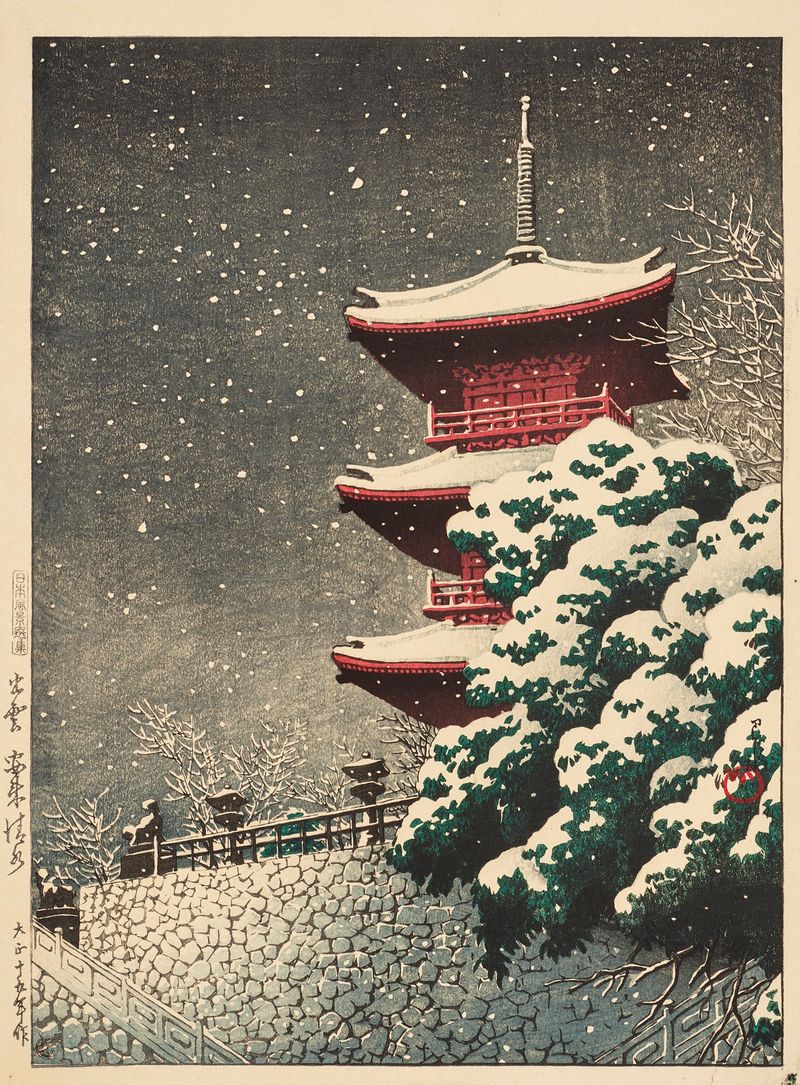
Izumo, Yasugi Kiyomizu (Yasugi Kiyomizu Temple at Izumo)
Kawase Hasui
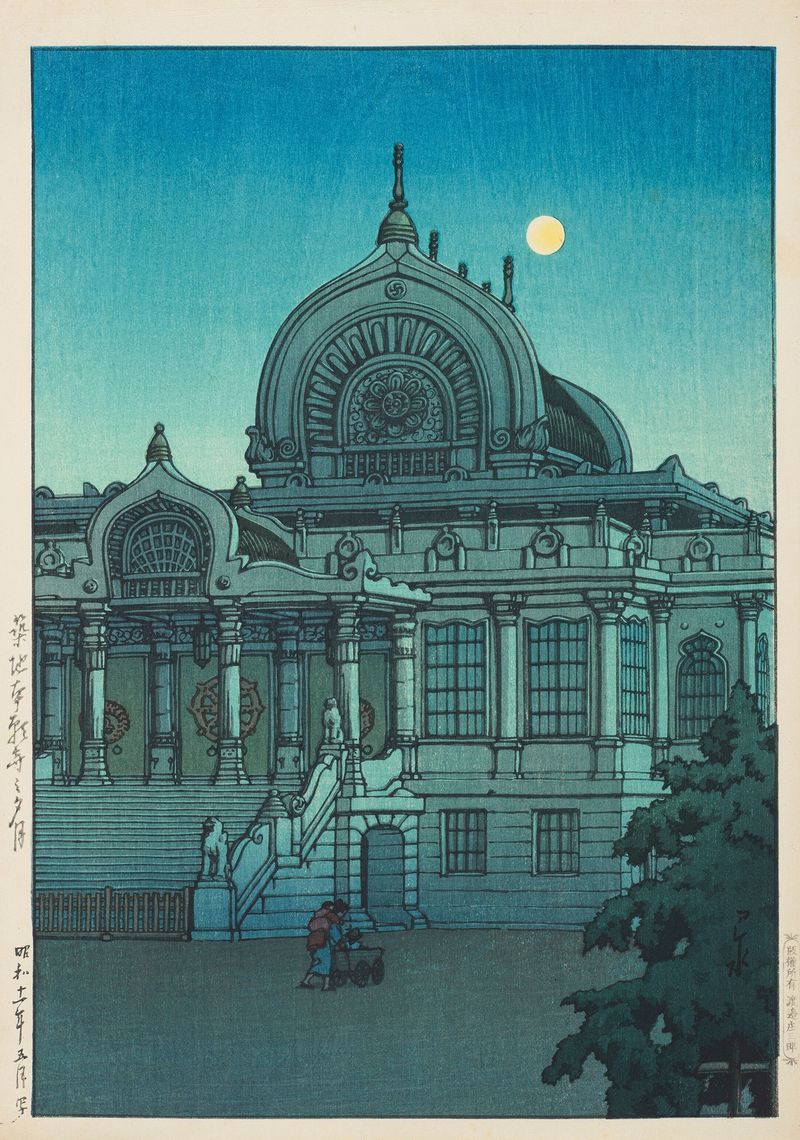
Tsukiji Honganji no yuzuki (Evening moon at Honganji Temple in Tsukiji)
Kawase Hasui
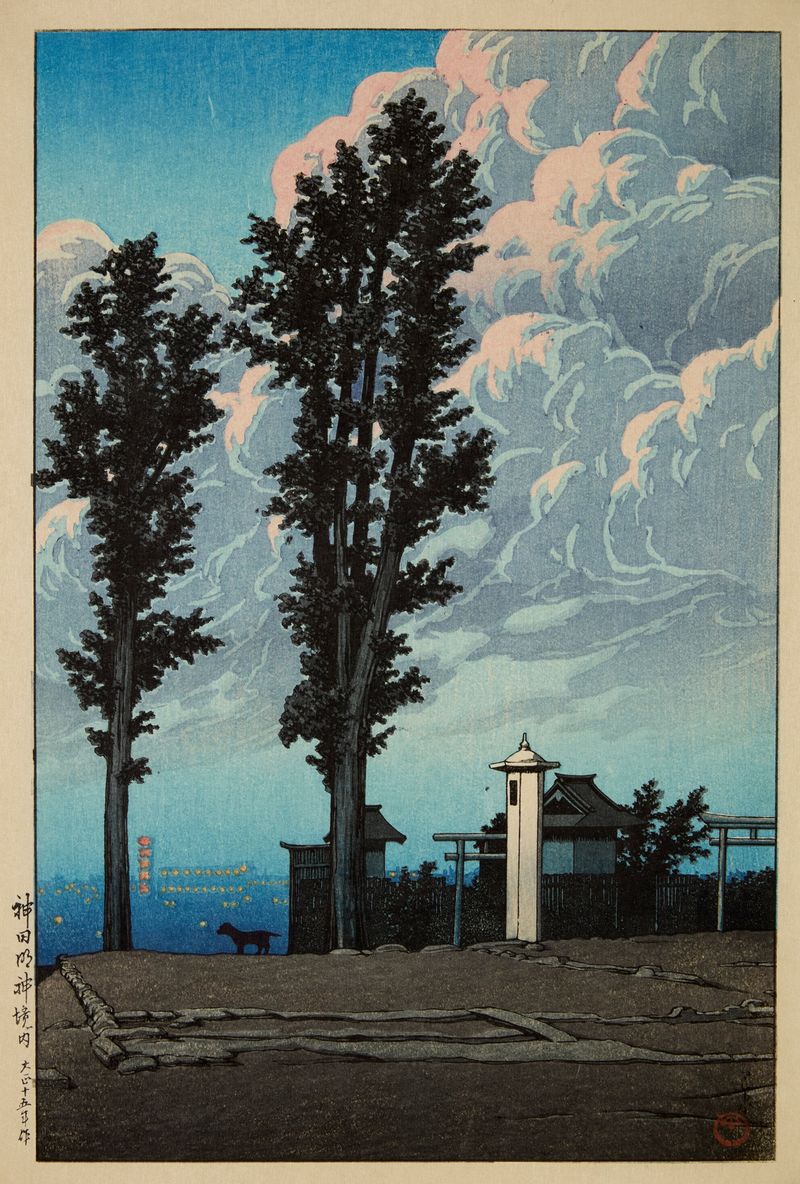
Kanda Myojin keidai (Kanda Myojin Shrine precent)
Kawase Hasui
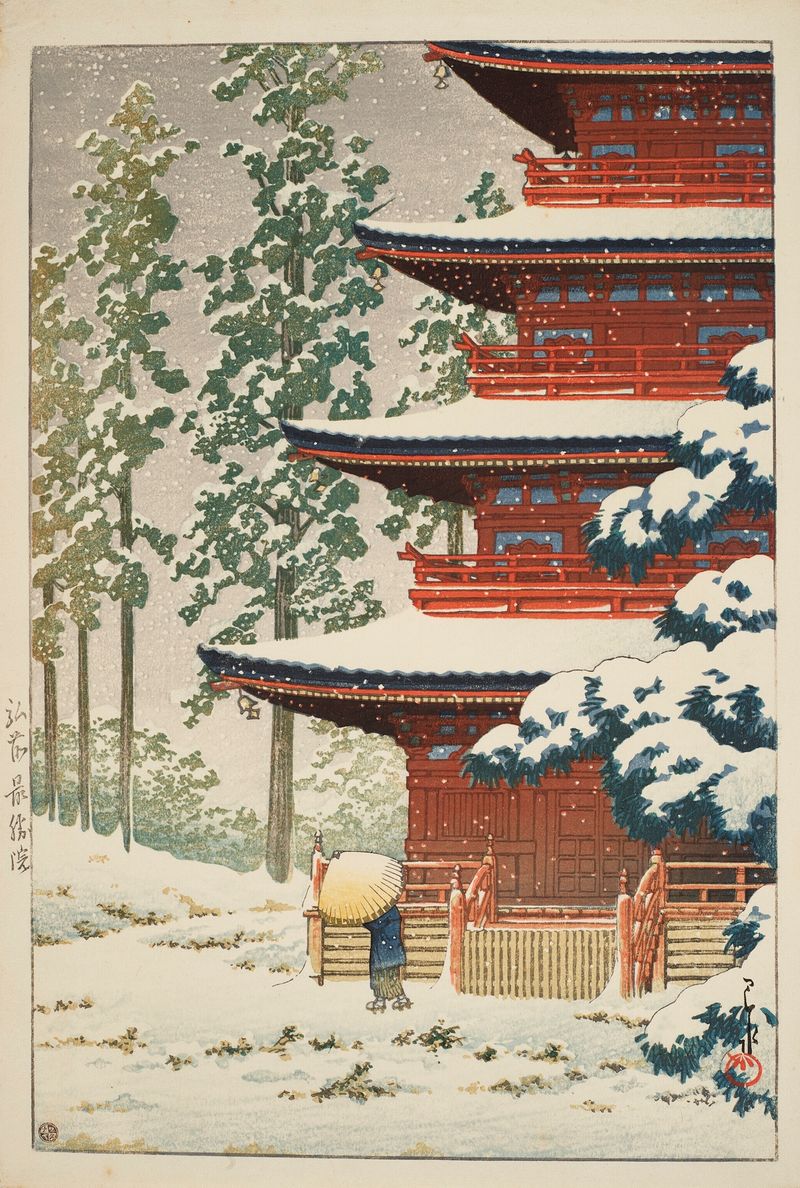
Saisho-in Temple, Hirosaki
Kawase Hasui
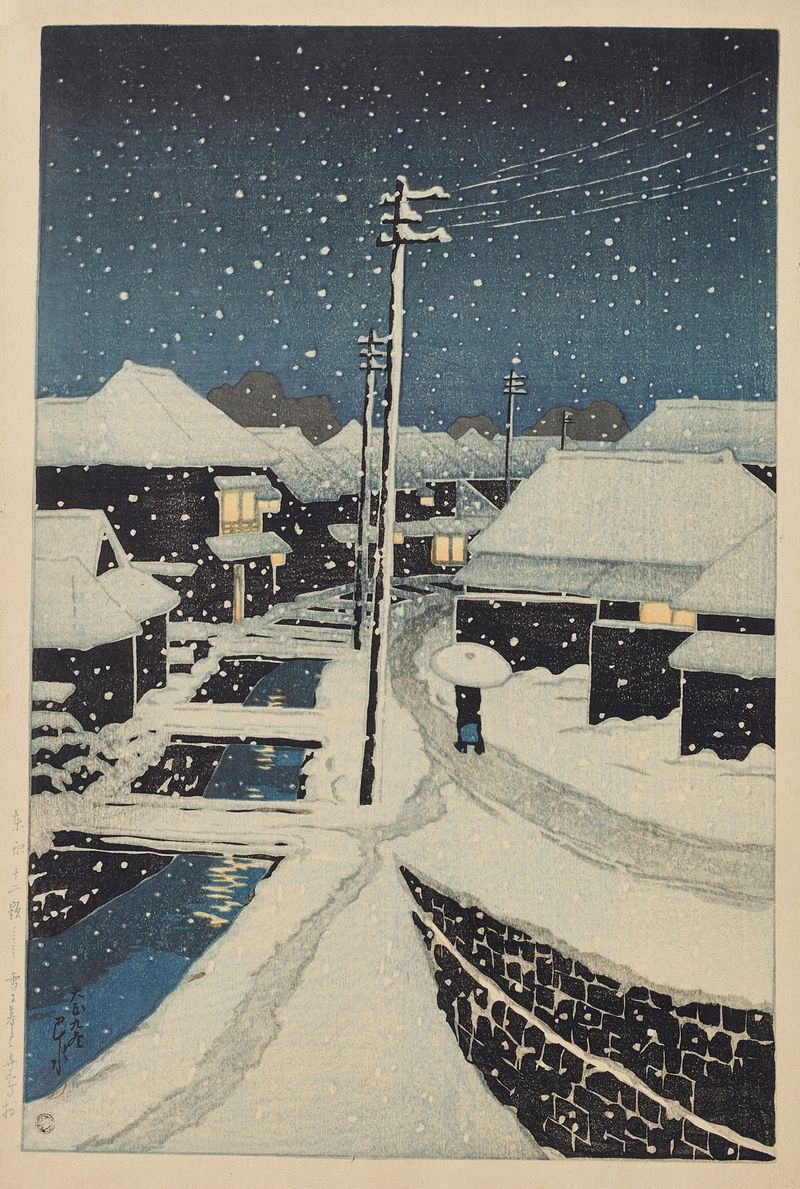
Yuki ni fururu Terajima mura (Evening snow at Terajima Village)
Kawase Hasui
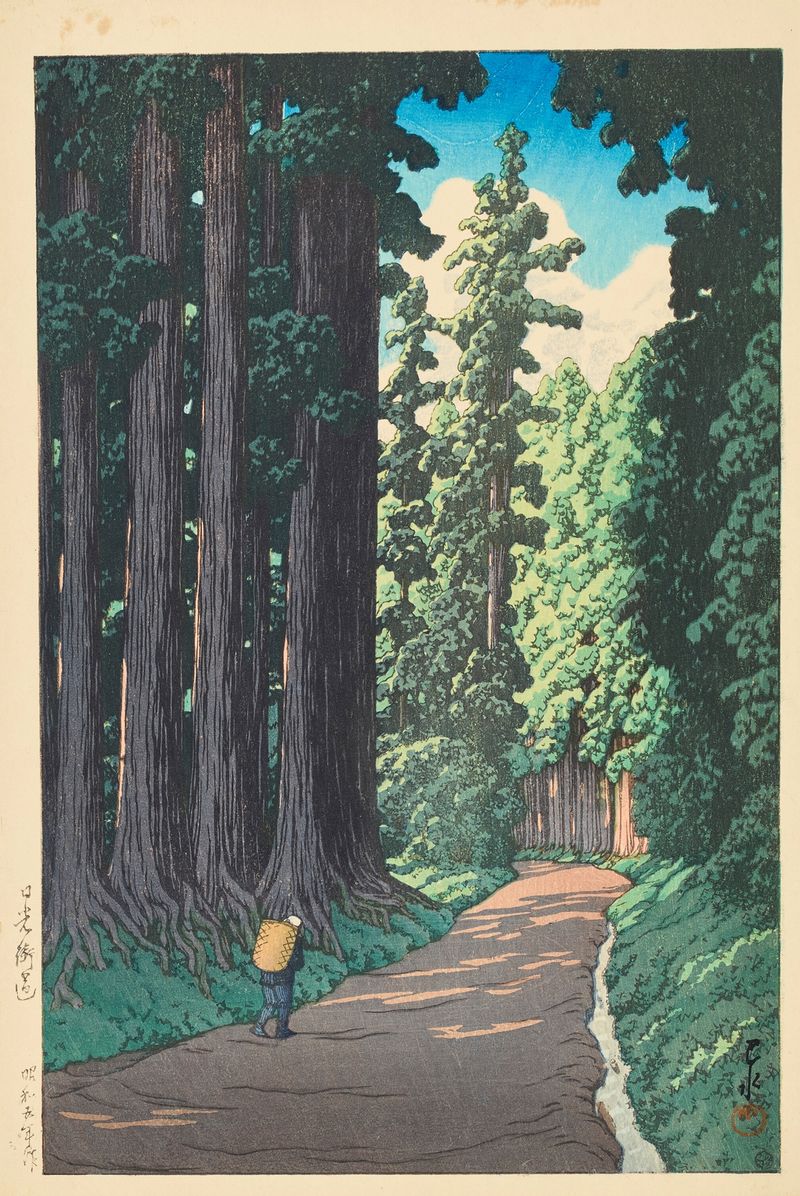
Nikko gaido (The Road to Nikko)
Kawase Hasui
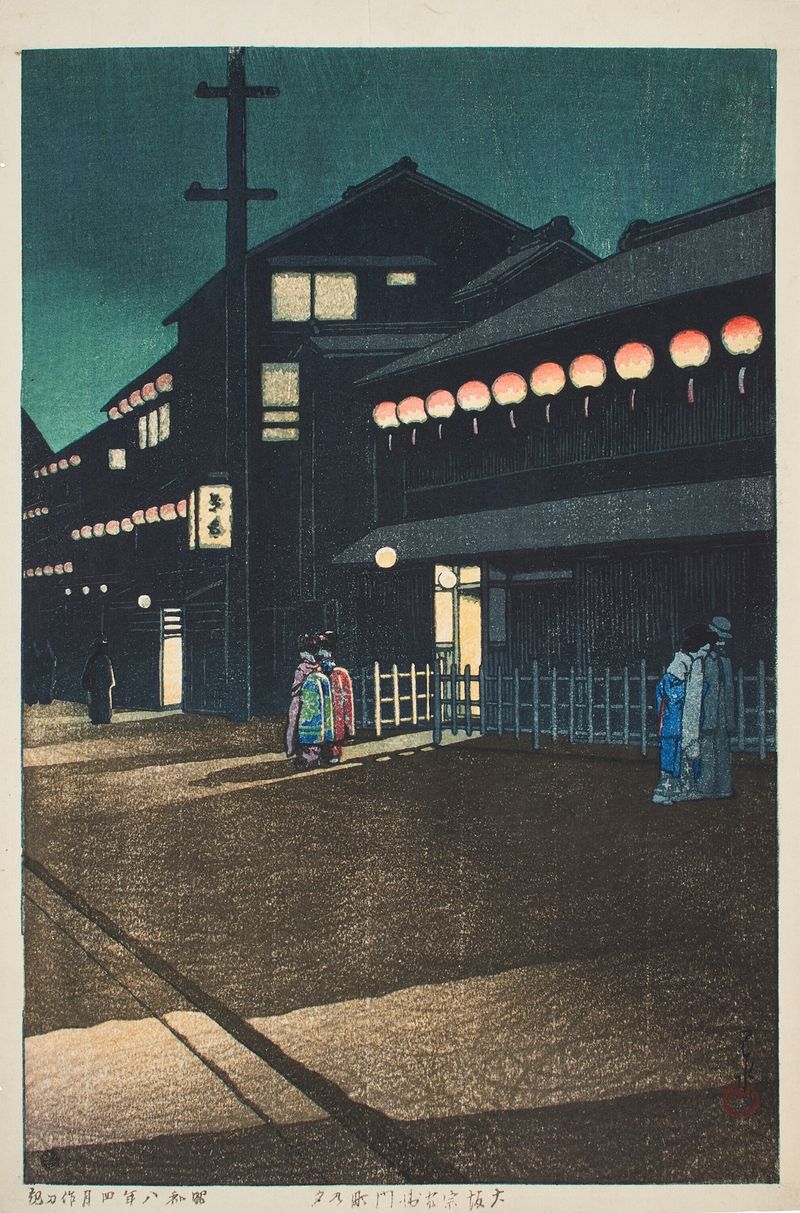
Osaka Soemon-cho no yu (Evening in Soemon-cho, Osaka)
Kawase Hasui
Autumn In Oirase
Kawase Hasui
Shinshu Kizakiko (Kizaki Lake in Shinshu)
Kawase Hasui





