
Kasteel Marquette — History & Facts
In Kasteel Marquette, movement is not merely an action; it is an echo of life that reverberates through the stillness of the canvas. Focus on the gentle sweep of the landscape that cradles the castle. There, the light dances across the textured strokes of green and blue, illuminating the intricate details of the architecture, while the surrounding trees sway as if whispering secrets to one another. Notice the meticulous depiction of the clouds, their soft, billowing forms suggesting a breeze that might carry distant laughter or urgent conversations.
The composition invites the viewer to traverse this tranquil scene, where every element seems poised between stillness and motion. Within this serene vista lies a contrast of permanence and transience. The sturdy castle stands resolute, a sentinel against the passage of time, while the ephemeral light captures fleeting moments of beauty. The vibrant hues of flora pulse with life, invoking an emotional connection to the cycles of nature—a reminder that while structures may endure, the essence of life is ever-changing.
The interaction between the static and the dynamic creates a profound tension, inviting contemplation on the nature of existence itself. Jan Hulswit painted Kasteel Marquette around the early 19th century, a period marked by the evolution of landscape painting in the Netherlands. As he developed his artistic style, Hulswit was influenced by the Romantic movement, which emphasized emotion and the sublime beauty of nature. During this time, he sought to capture the essence of his homeland, blending realism with a romanticized vision to reflect both the physical and emotional landscapes of his world.
More Artworks by Jan Hulswit
Browse all →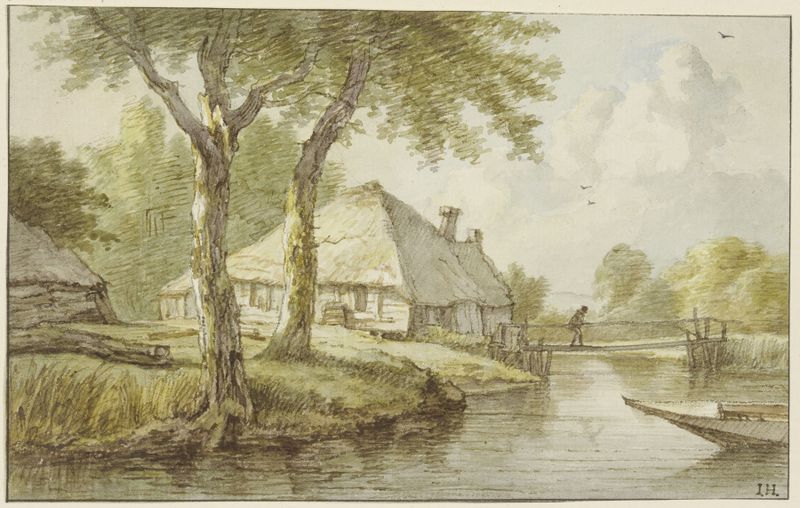
Bei zwei Bäumen ein Haus am Wasser, ein Steg, rechts die Spitze eines Kahnes
Jan Hulswit
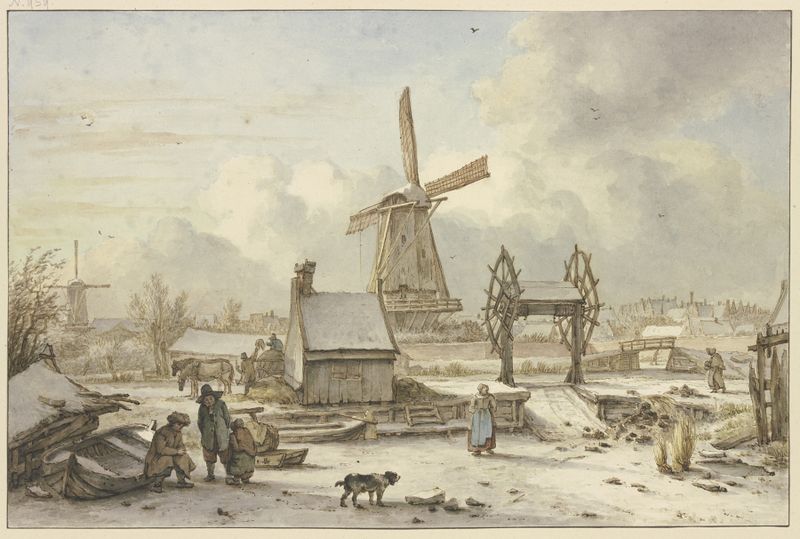
Winterlandschaft mit Schiffhebewerk und Windmühle
Jan Hulswit

De vervallen wal te Amsterdam met de Weteringpoort, gezien over de Buitensingel
Jan Hulswit

Gezicht aan de vervallen wal te Amsterdam aan de stadszijde tussen de Muiderpoort en de Weesperpoort
Jan Hulswit

Winterlandschaft mit Schlittschuhläufern auf einem Kanal
Jan Hulswit
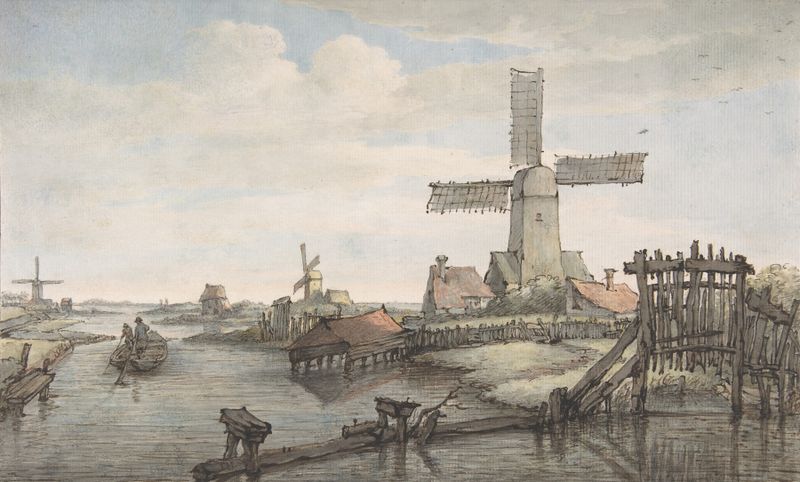
View of a Canal with Three Windmills
Jan Hulswit
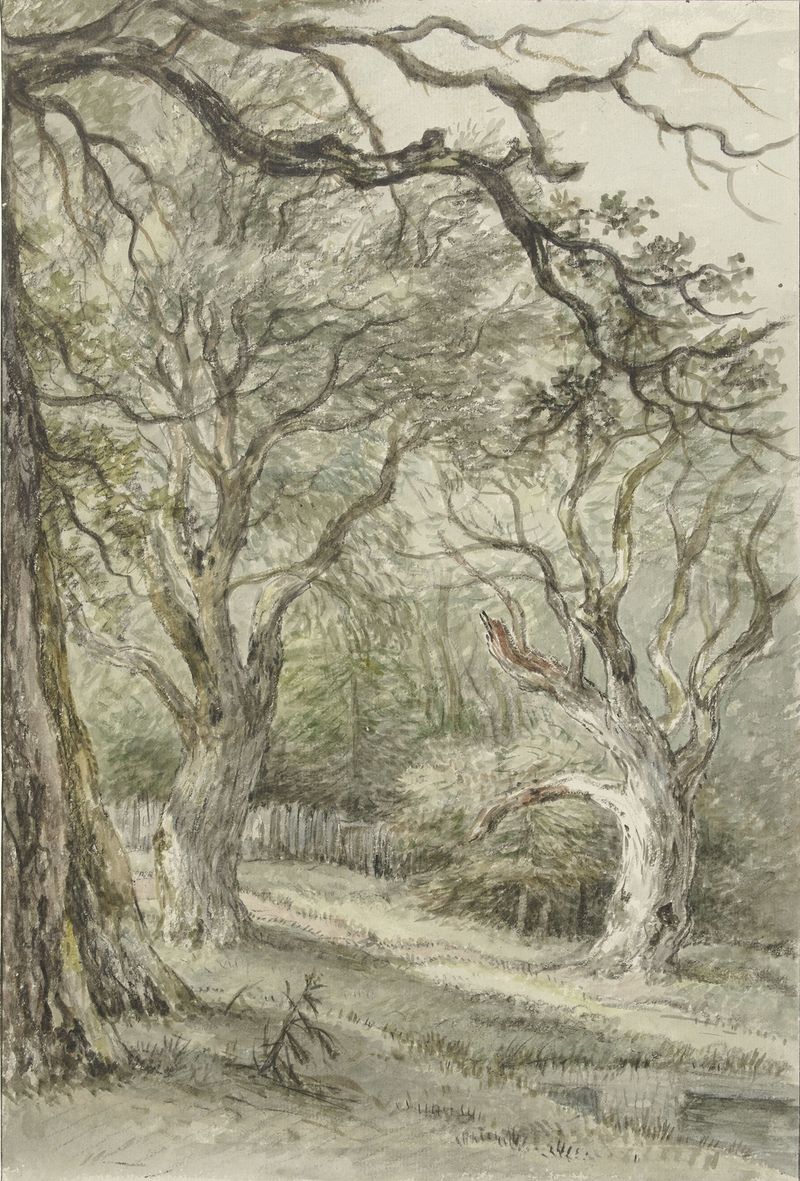
Bosgezicht
Jan Hulswit
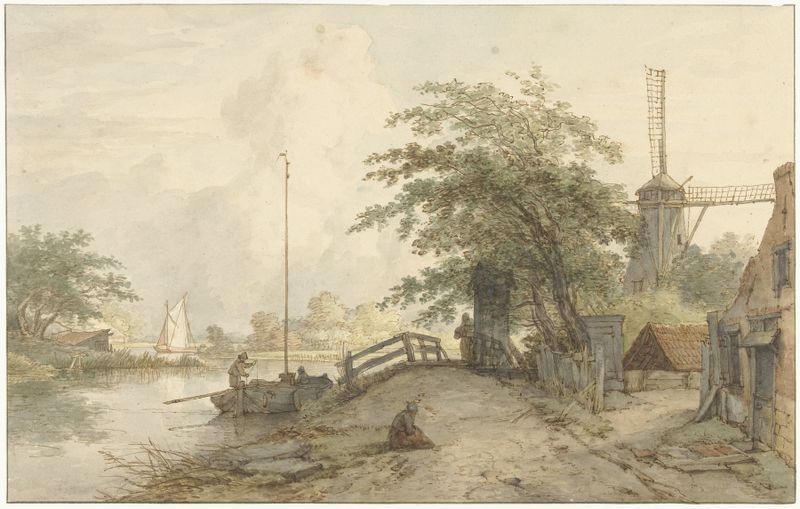
Landschap met bruggetje en huis aan weg langs een water
Jan Hulswit
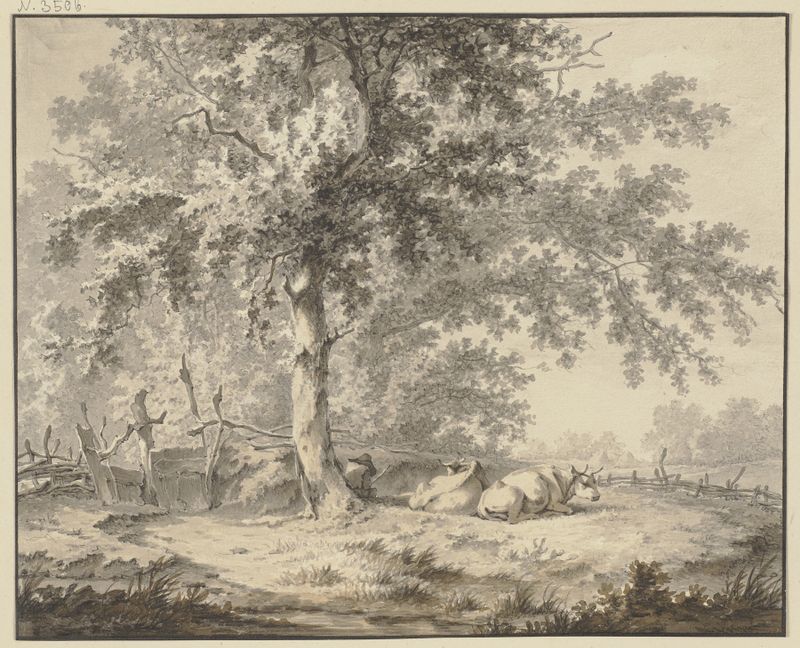
Unter einer Eiche an einem Zaun ein Hirte mit zwei Kühen
Jan Hulswit

Winterlandschaft, ein Wanderer überquert auf einem Steg einen Bach
Jan Hulswit





