Kaysersberg — History & Facts
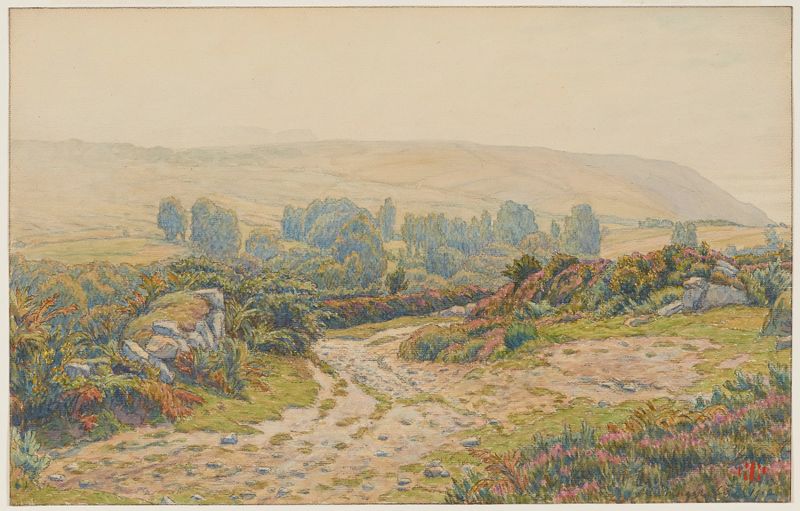
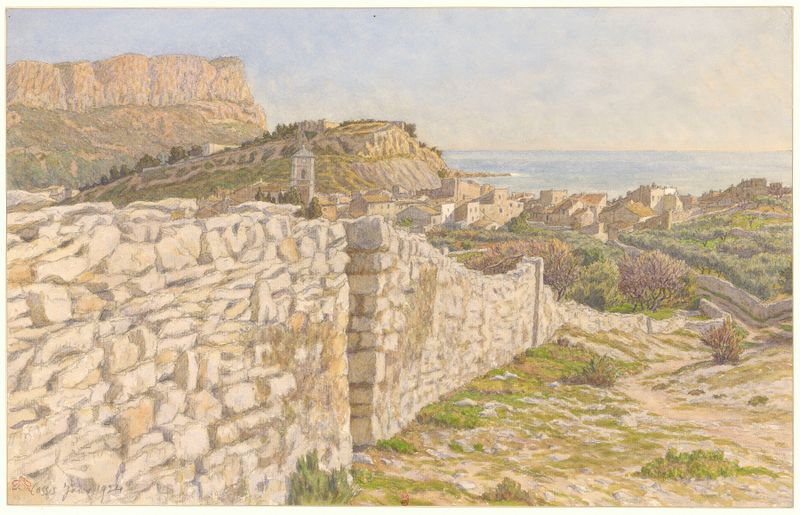
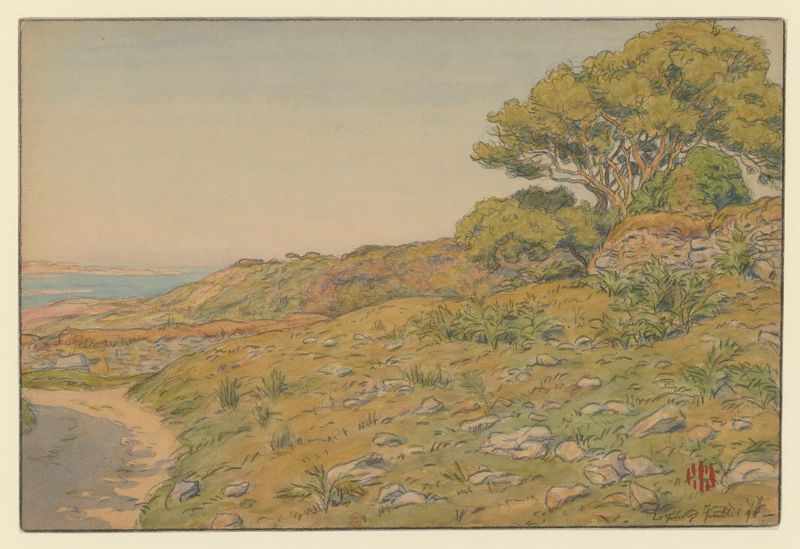
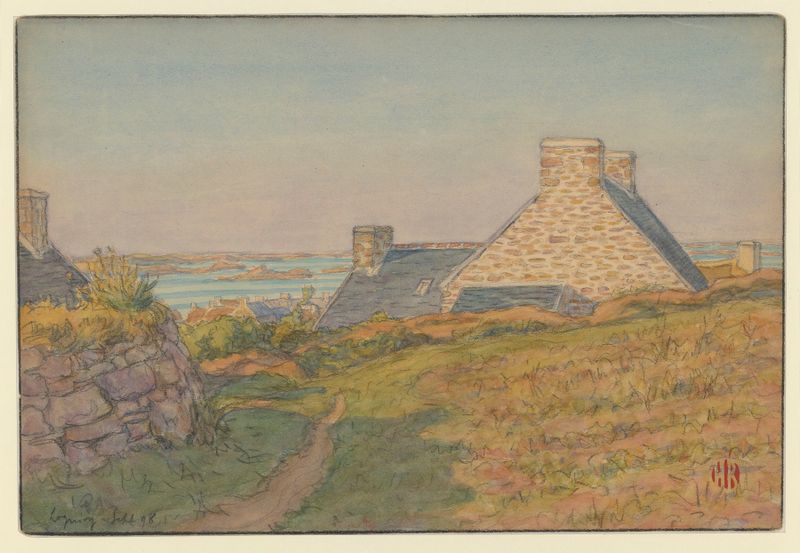
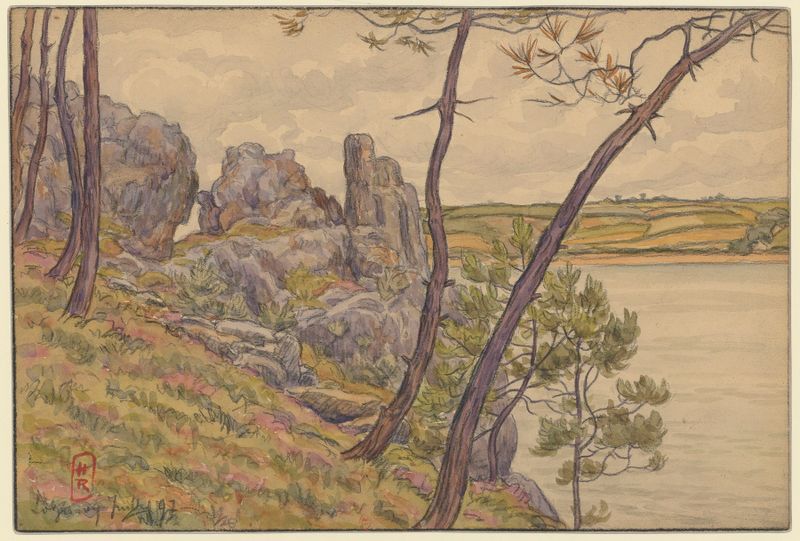
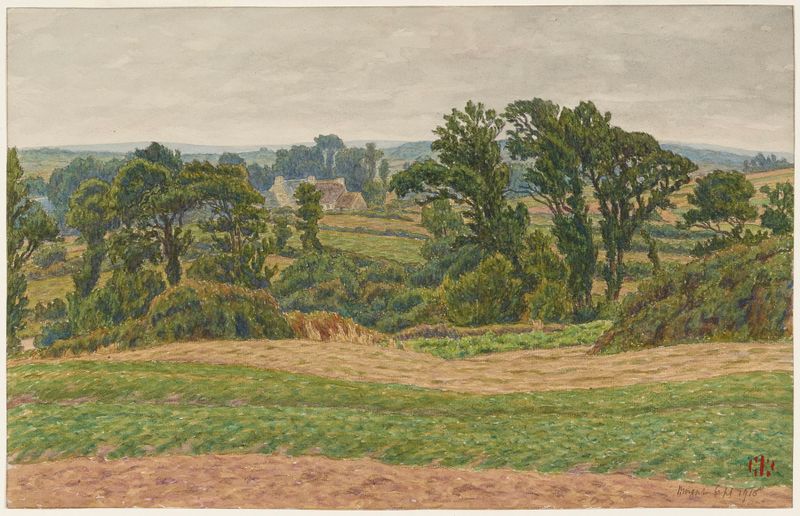
Who listens when art speaks of silence? In Kaysersberg, a delicate embrace of nostalgia unfolds, inviting one to linger in the stillness of memory. Look closely at the gentle curves of the hills, where muted greens and browns blend seamlessly into soft blues. Notice how the light filters through the trees, creating an almost ethereal glow that bathes the quaint village in warmth. The composition leads the eye to the small, stoic houses nestled in the valley, their subdued colors whispering stories of a life lived in quieter times.
Each brushstroke, meticulously placed, evokes a sense of serenity that permeates the entire piece. Delve deeper, and you’ll uncover layers of emotional depth. The contrast between the vibrant foliage and the tranquil waters suggests a tension between the vibrancy of life and the stillness of reflection. The absence of human figures speaks volumes, allowing the landscape to breathe with a palpable sense of solitude.
Here, the viewer is invited to ponder what exists beyond the frame—a silence rich with unspoken tales and longings. In 1919, Kaysersberg emerged from Rivière's brush while he was deeply influenced by the Post-Impressionist movement. Settled in France, he sought to capture the essence of places entwined with his memories, reflecting a yearning for a simpler existence amid the chaos of post-war uncertainty. This piece stands as a testament not only to his artistic vision but also to a world striving to find tranquility in the aftermath of tumult.