Kaysersberg — History & Facts
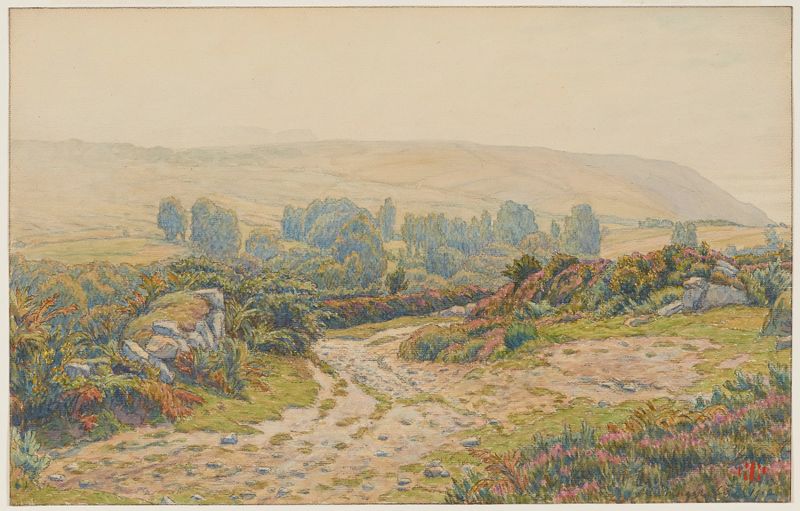
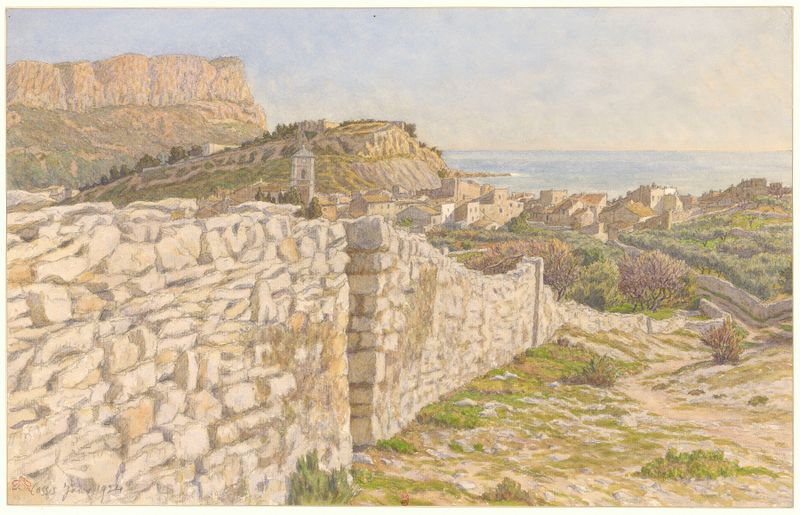
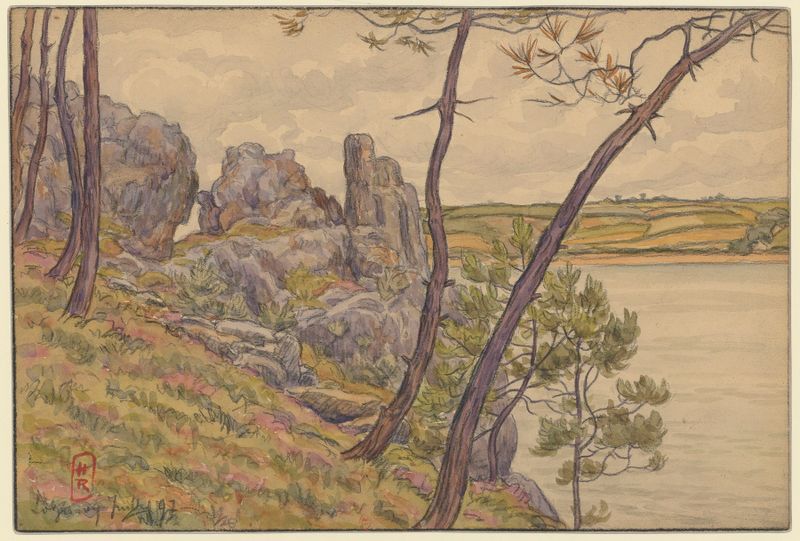
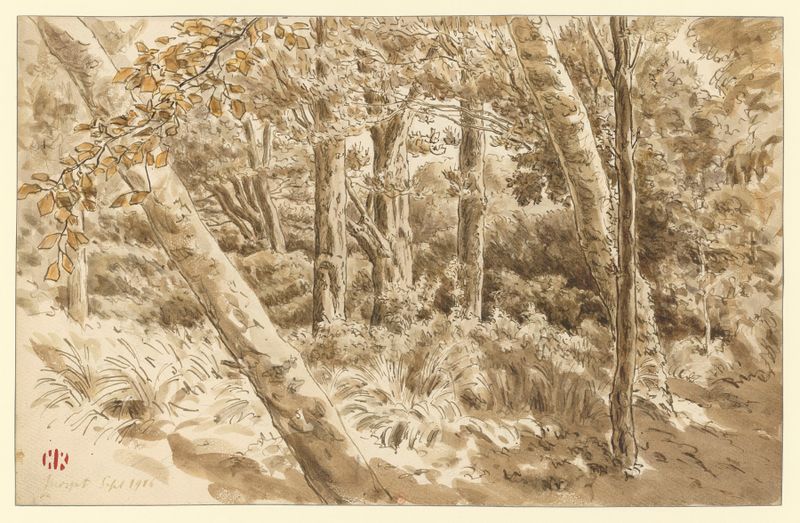
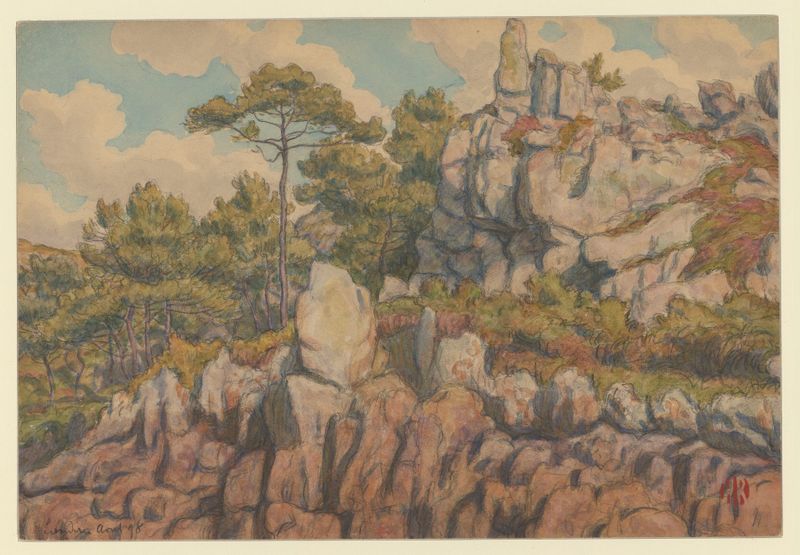
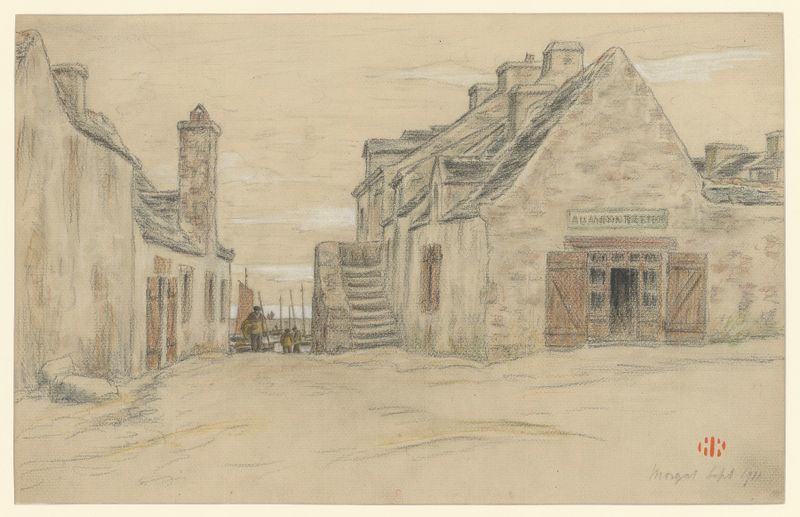
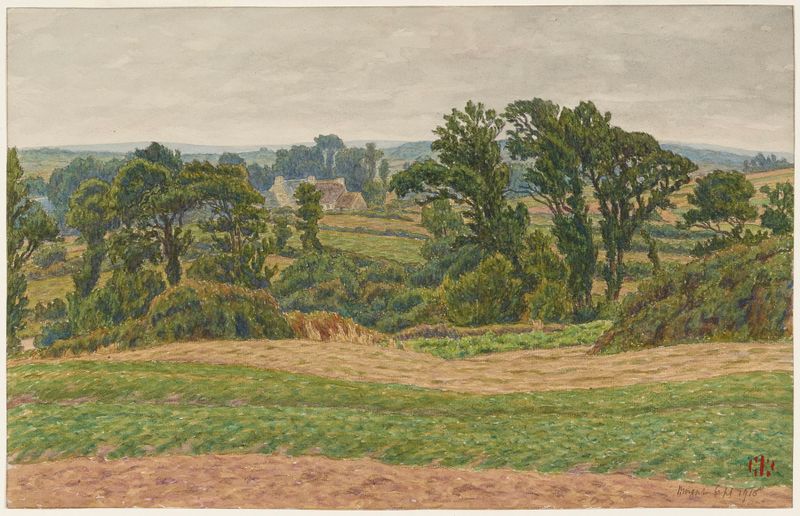
Could beauty survive in a century of chaos? In Kaysersberg, Henri Rivière offers an answer as he captures the serene essence of a village untouched by turmoil, where divinity seems to dwell in every brushstroke. Look to the center of the canvas, where the quaint houses of Kaysersberg emerge from the landscape, their earthy hues harmonizing with the soft greens and blues of the surrounding hills. Notice how the light filters through the trees, casting a gentle glow that seems to wash over the entire scene. Rivière’s technique combines delicate lines with a rich texture, creating a sense of depth that invites the viewer to step into this tranquil moment, almost as if time itself has paused. Delve deeper into the painting, and the interplay of light and shadow reveals the emotional undertones of this idyllic setting.
The village, nestled against the backdrop of rolling hills, symbolizes a sanctuary amidst the chaos of the post-World War I era. The contrast of the vibrant life captured here against the harsh realities of the world outside hints at an enduring hope—a testament to the resilience of beauty even in the darkest times. In 1919, Rivière was living in a France grappling with the aftermath of war. This period was marked by a search for renewal, both artistically and socially.
As artists began to explore new forms and subjects, Rivière’s choice to depict a peaceful village reflects a longing for simplicity and connection to nature—a stark contrast to the challenges faced by society at that time.