Küchenhaus Hundsdorf — History & Facts
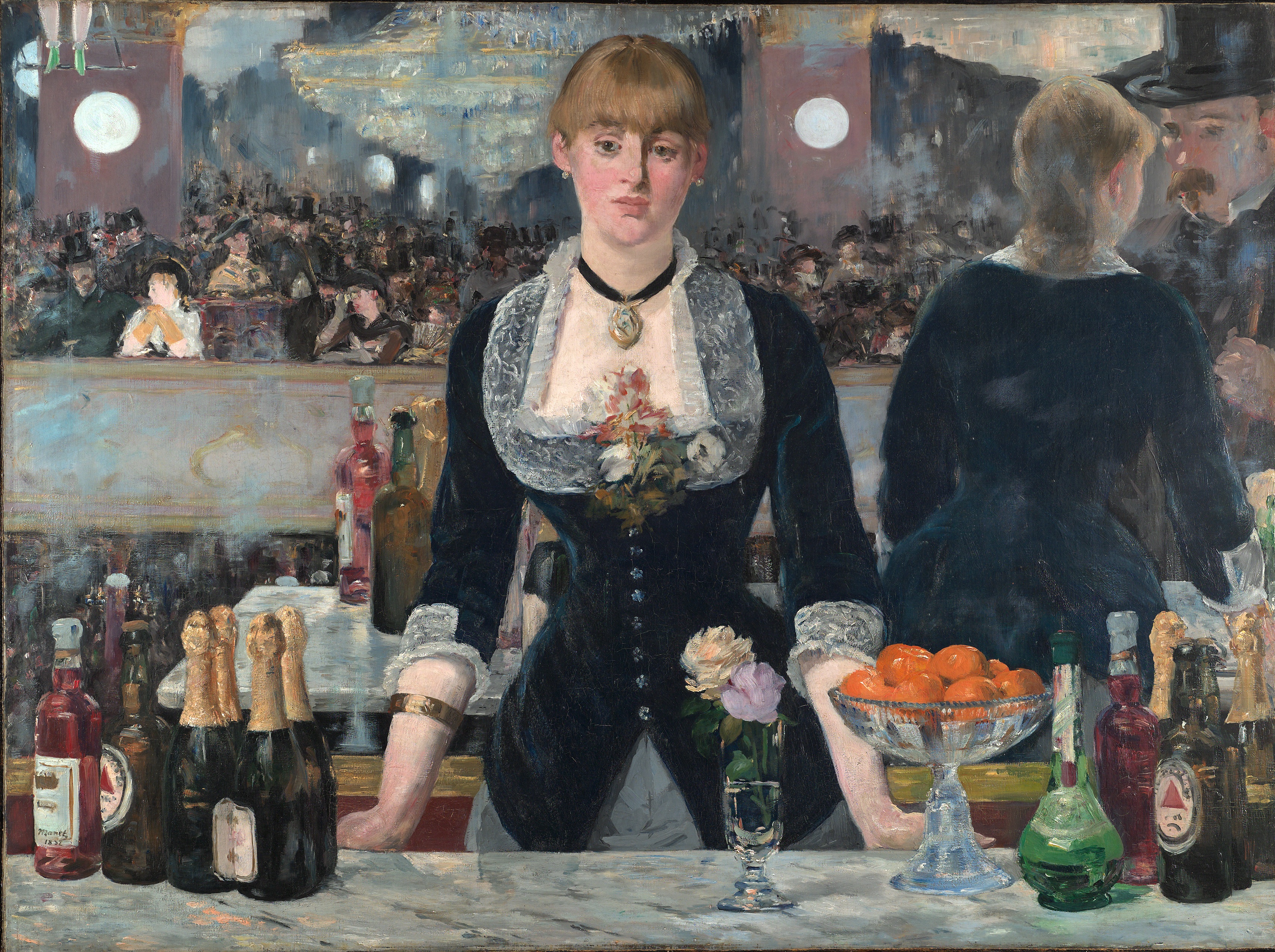
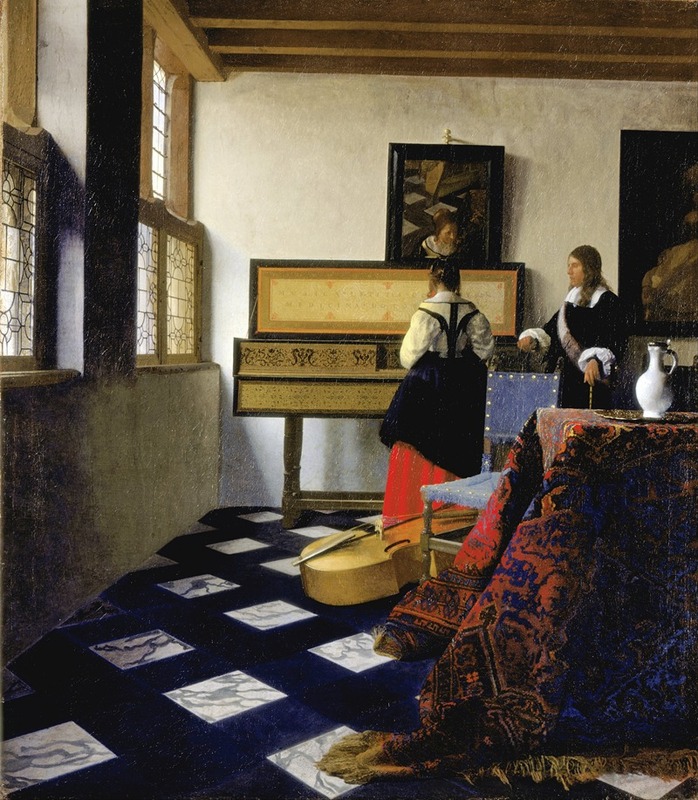
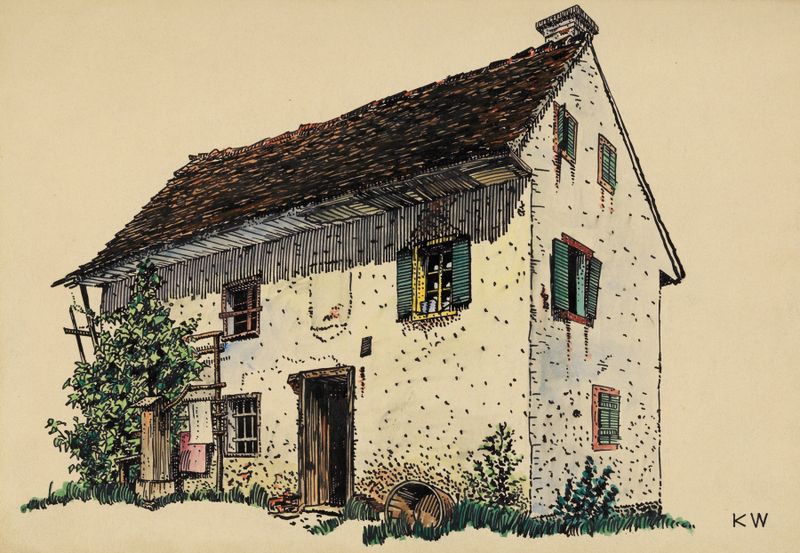
Where does light end, and longing begin? In the stillness of Küchenhaus Hundsdorf, an unsettling tension lingers in the interplay of shadow and illumination, suggesting a narrative of betrayal that is both haunting and profound. Focus first on the striking contrast of light pouring through the kitchen window, illuminating the worn wooden table at the center. Notice how the warm glow interacts with the deep shadows that cling to the edges of the room, creating a sense of depth that pulls the viewer into the intimate yet foreboding space. The subtle palette of earthy tones evokes a homely feeling, yet the stark light hints at secrets hidden in the corners, whispering of memories that linger like uninvited guests. As you explore further, consider the details that speak of emotional complexity.
The table, seemingly ordinary, holds the weight of unspoken conversations and unresolved tensions, while the empty chair beside it evokes a longing for someone absent. This absence becomes a character of its own, stirring feelings of betrayal intertwined with nostalgia. The contrasting elements of warmth and darkness reflect the duality of comfort and pain, inviting viewers to reflect on their own experiences of loss and longing. Around 1925, Karl Wiener painted Küchenhaus Hundsdorf during a period of profound change in Europe, marked by the aftermath of World War I and a shifting artistic landscape.
Living in Germany, Wiener was influenced by the rise of modernism, seeking to capture the essence of everyday life while also exploring deeper emotional undercurrents. This painting represents a moment where the ordinary transforms into the extraordinary through the lens of personal and collective memory.
More Artworks by Karl Wiener
Browse all →
Österreich
Karl Wiener

Vorstadt VII
Karl Wiener

Der Turm
Karl Wiener

Ohne Titel (Häuser mit Holzscheune)
Karl Wiener

Kopfstudie, aus; ‘Profile’, 10 Blätter, Graz XV
Karl Wiener

Steinberg
Karl Wiener
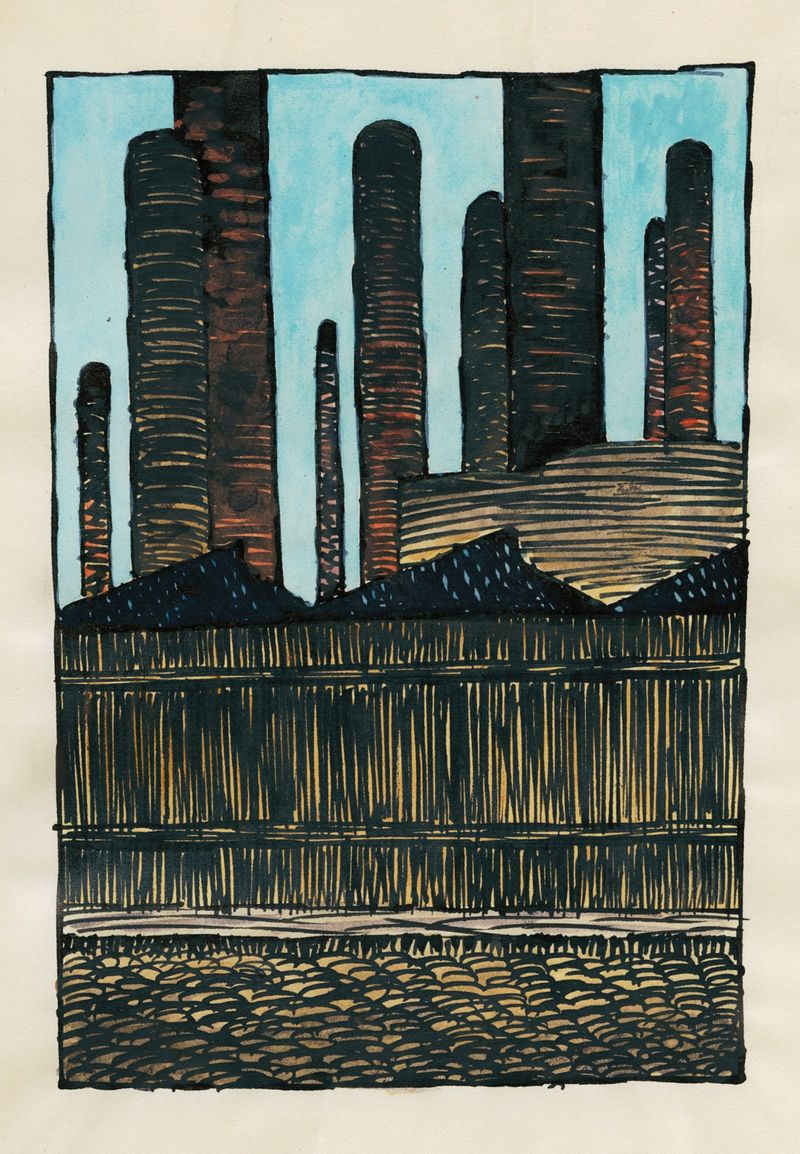
Kopfstudie, aus; ‘Profile’, 10 Blätter, Graz XIV
Karl Wiener

Ohne Titel (Bauernhaus mit Vorgarten)
Karl Wiener
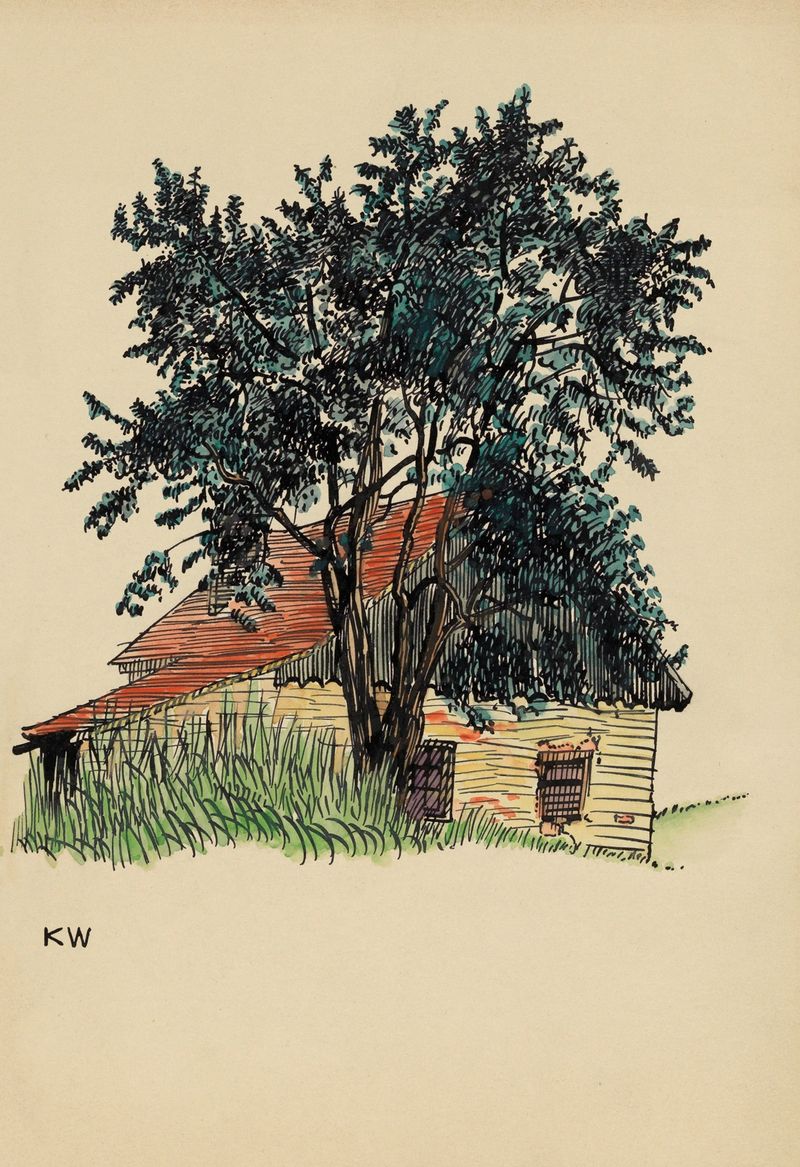
Ohne Titel (Bauernhaus)
Karl Wiener
Ohne Titel (Bauernhaus)
Karl Wiener