
Keizer kust de voeten van de paus — History & Facts
What secret hides in the quiet of the canvas? Beneath the serene surface of this artwork lies a tension that speaks to the complexities of power and submission, inviting us to explore the darker undertones of loyalty and violence. Focus on the central figures, where the emperor bows low before the pope, their bodies intertwined in a gesture of humility that belies the weight of their crowns. The muted earth tones blend with the deeper shadows, emphasizing the solemnity of this moment. Notice how the light subtly illuminates the pope's pale robe, contrasting with the emperor's darker attire, suggesting a battle of ideologies cloaked in piety.
The intricate details in the patterns of their clothing draw the eye, illustrating the richness of their status while hinting at the fragility of such power. Yet, within this display of reverence lies an unsettling undercurrent. The scene captures a moment fraught with the potential for violence; the emperor’s bowed head, while suggesting submission, also evokes the history of ruthless ambition and the bloodshed that often underpins such allegiances. The juxtaposition of opulence and humility forces the viewer to confront the duality of their roles: one a leader of men, the other a shepherd of souls.
This tension amplifies the painting’s emotional depth, revealing that the strongest bonds can exist alongside the darkest intentions. Created between 1521 and 1522, this work emerged during a time of great upheaval in Europe, as the Reformation was igniting a religious schism that would reshape society. Lucas Cranach (I), a key figure in the Northern Renaissance, was deeply engaged in these conversations, illustrating the complex interplay between faith and authority. This painting reflects not only Cranach's artistic prowess but also his astute awareness of the societal conflicts brewing around him, capturing a moment in time that resonates through layers of meaning.
More Artworks by Lucas Cranach (I)
Browse all →
Oordeel van Paris
Lucas Cranach (I)
Portret van Martin Luther als Augustijner monnik
Lucas Cranach (I)
Verzoeking van Antonius met aanval door demonen
Lucas Cranach (I)

Christus en de Samaritaanse vrouw
Lucas Cranach (I)

Duits toernooi met twee edelmannen als ridders te paard
Lucas Cranach (I)
Reliekhouder met de verzoeking van Adam en Eva
Lucas Cranach (I)

Intocht van Christus in Jerusalem
Lucas Cranach (I)
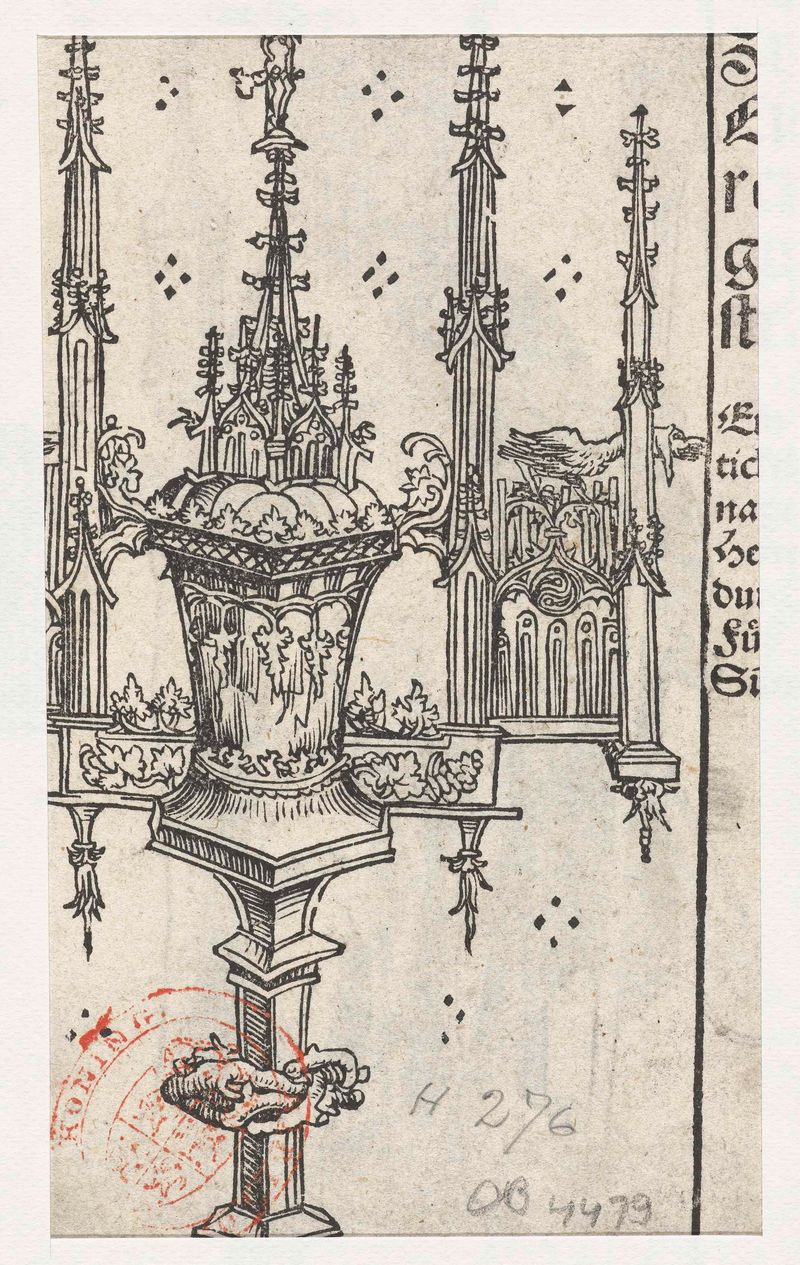
Monstrans met vogel (pelikaan)
Lucas Cranach (I)
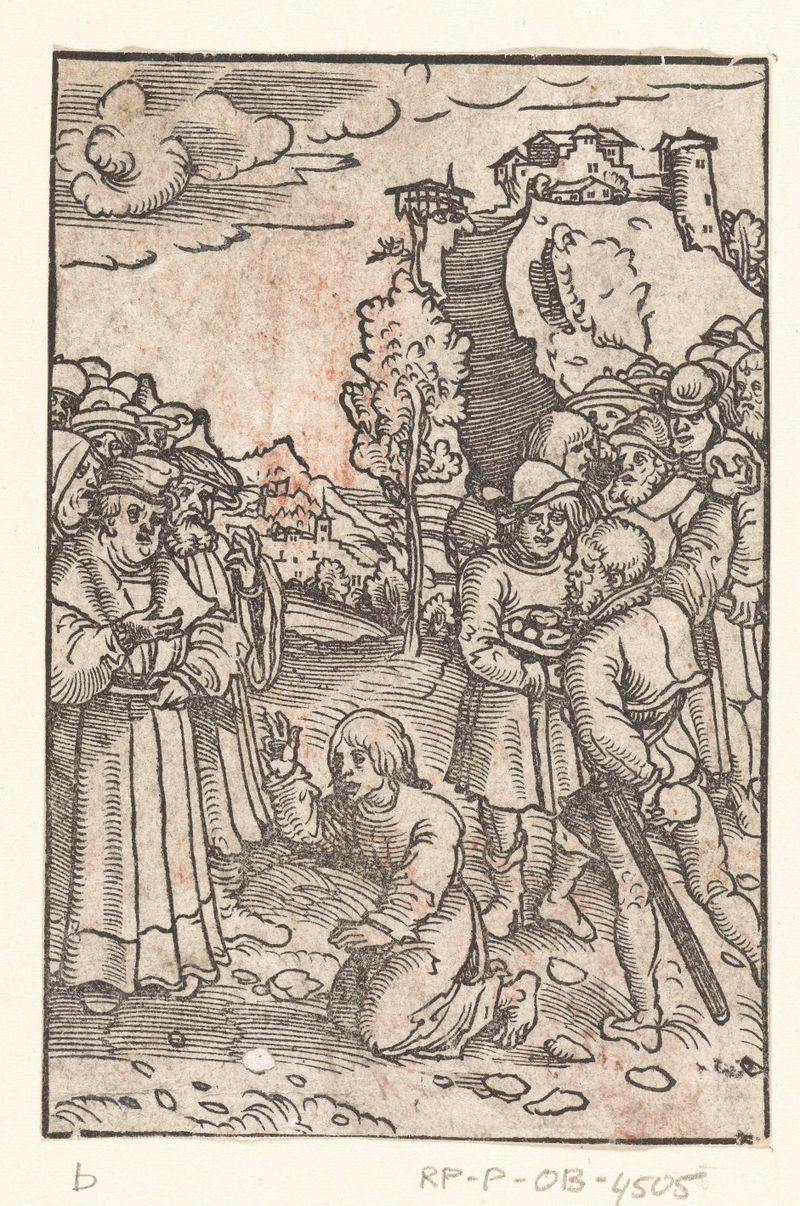
Steniging van Stefanus
Lucas Cranach (I)
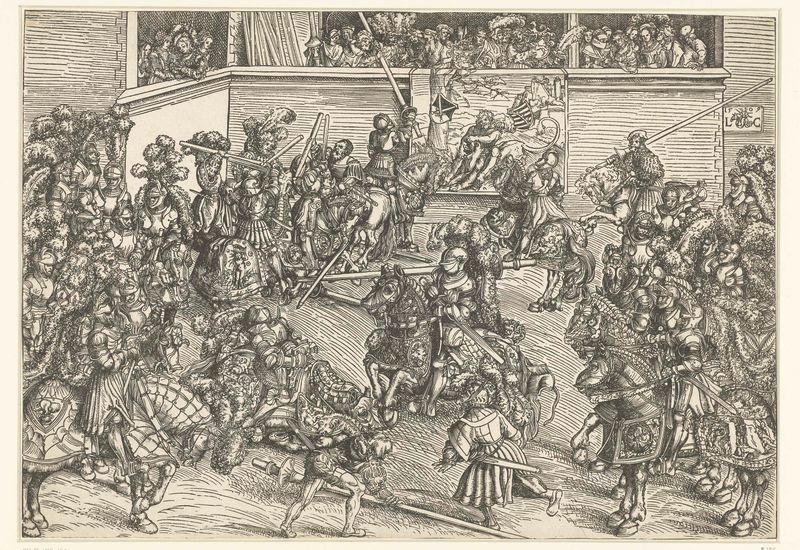
Toernooi van het keurvorstelijk hof van Saksen met wandtapijt Simson doodt de leeuw
Lucas Cranach (I)
More Religious Art
Browse all →
The Return of the Prodigal Son
Rembrandt van Rijn

The Garden of Earthly Delights
El Bosco

Count Orgaz’ funeral
El Greco

The Hundred Guilder Print: the central piece with Christ preaching, the plate arched
Rembrandt van Rijn

The Descent from the Cross
Rogier van der Weyden

The return of the prodigal son
Rembrandt van Rijn