
Kennebec Homestead — History & Facts
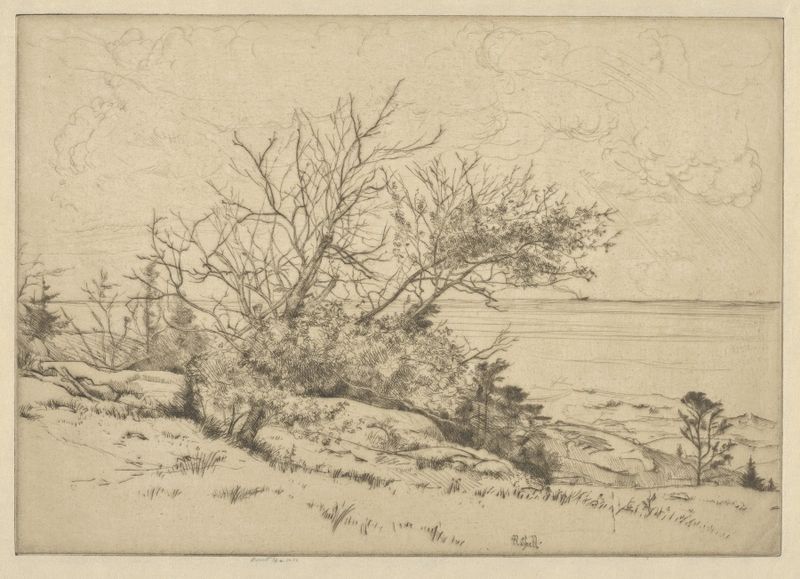
Could beauty survive in a century of chaos? In Kennebec Homestead, the answer unfolds through a quiet serenity that stands as a poignant response to the tumult of the early 20th century. Look to the left at the homestead, nestled gently against the backdrop of a vibrant, undulating landscape. The rich greens of the surrounding foliage and the soft browns of the wooden structure create a harmonious balance, inviting the viewer into the embrace of nature. Notice how the warm light filters through the trees, casting delicate shadows that play upon the ground, further enhancing the feeling of tranquility.
Haskell’s brushwork, both deliberate and loose, captures the fleeting essence of time, epitomizing a moment that feels simultaneously immediate and eternal. Delve deeper into the details: the worn texture of the wooden beams tells a story of resilience, while the sweeping curves of the river hint at life's relentless passage. A sense of stillness contrasts with the potential for change—the juxtaposition between the steadfast homestead and the dynamic landscape reflects the complex relationship between humanity and nature. The work resonates with nostalgia, invoking a longing for simpler times amidst an ever-accelerating world. In 1913, Haskell painted this work during a significant period in American art, where the impressionist movement was giving way to modernism.
Living in Maine, he captured the essence of rural life, offering a glimpse into the past as the nation faced the dawn of the industrial age. This piece represents a moment of introspection for the artist, grappling with the transformations around him while cherishing the beauty of tradition.
More Artworks by Ernest Haskell
Browse all →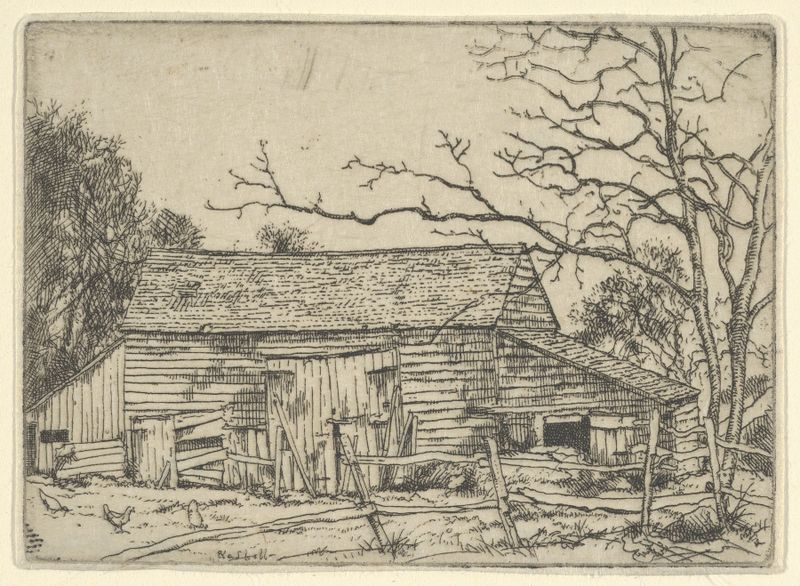
The Barn–Staten Island, N.Y.
Ernest Haskell

Four Live Oaks
Ernest Haskell
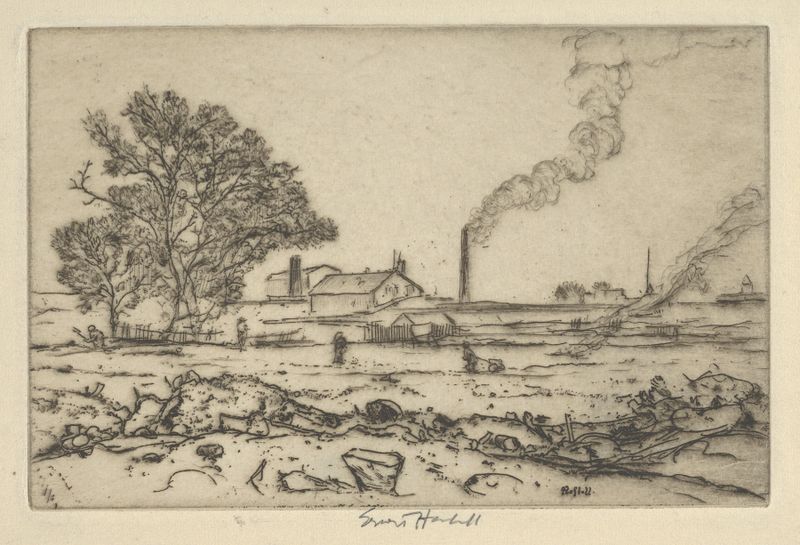
Outskirts of Boston
Ernest Haskell
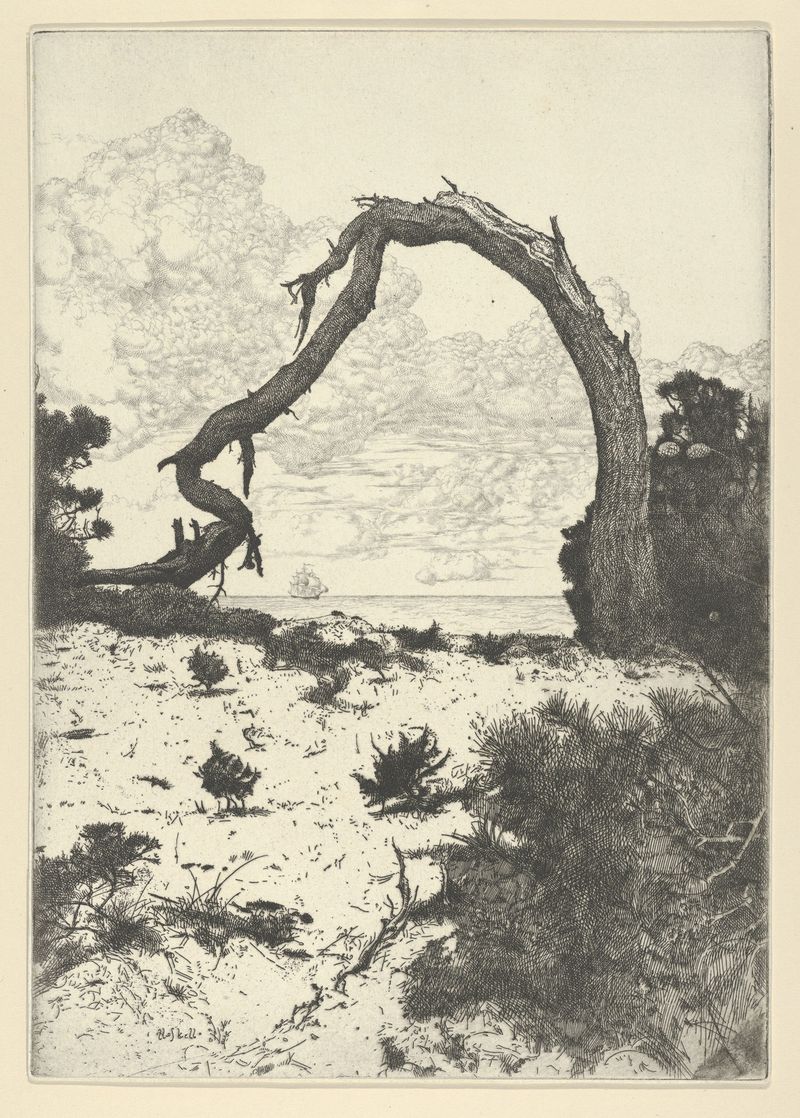
Pine Arch
Ernest Haskell

General Sherman
Ernest Haskell
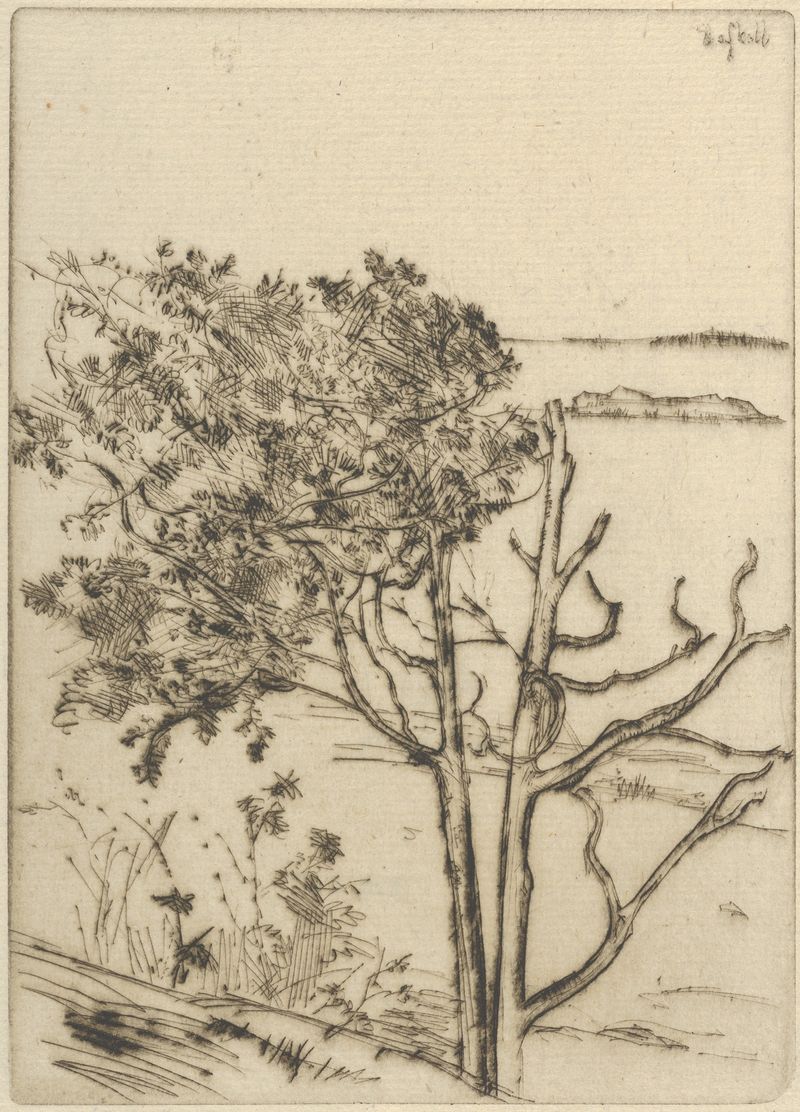
Ragged Tree – Maine
Ernest Haskell

Tide Mill
Ernest Haskell

Ship Building
Ernest Haskell
To the Southward – Ragged Island, Me.
Ernest Haskell
Long Island Marshes
Ernest Haskell





