Kersa — History & Facts
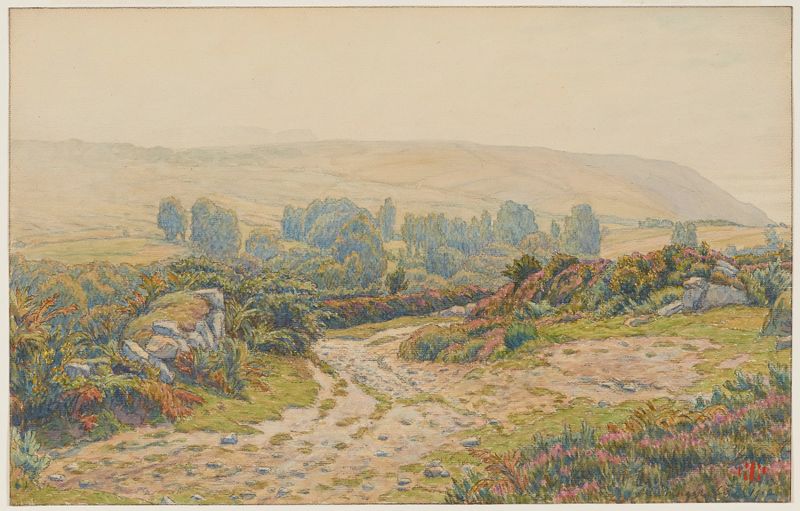
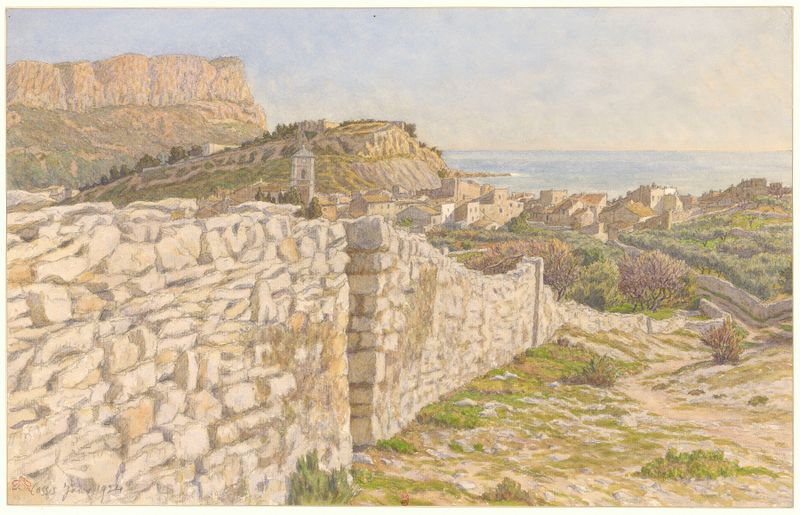
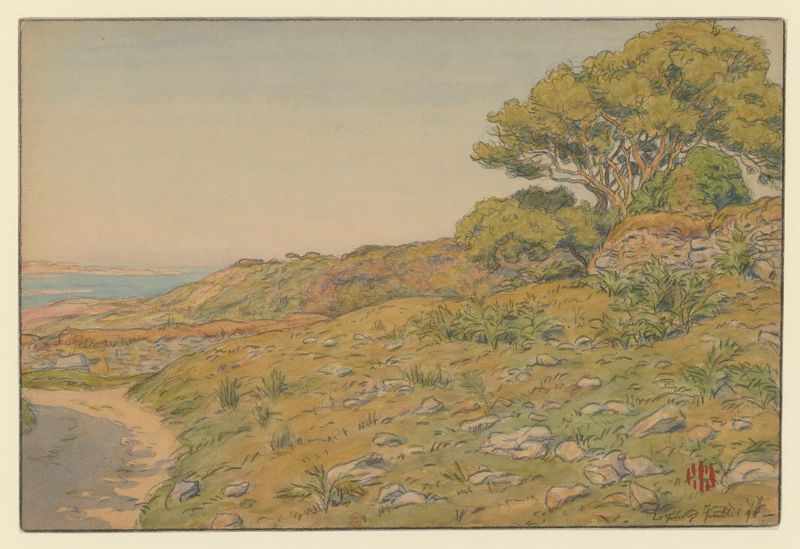
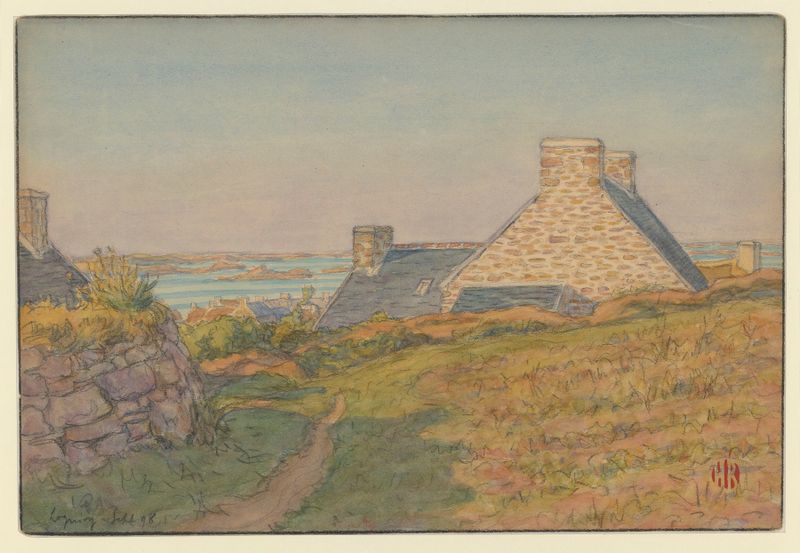
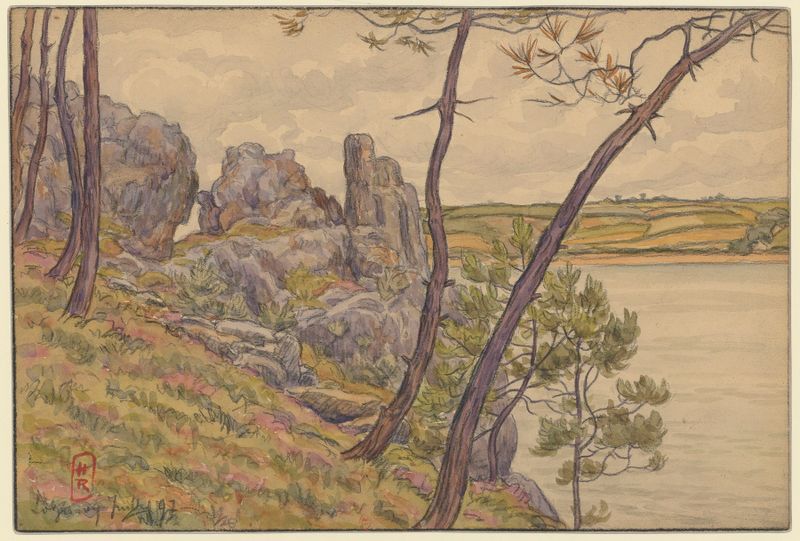
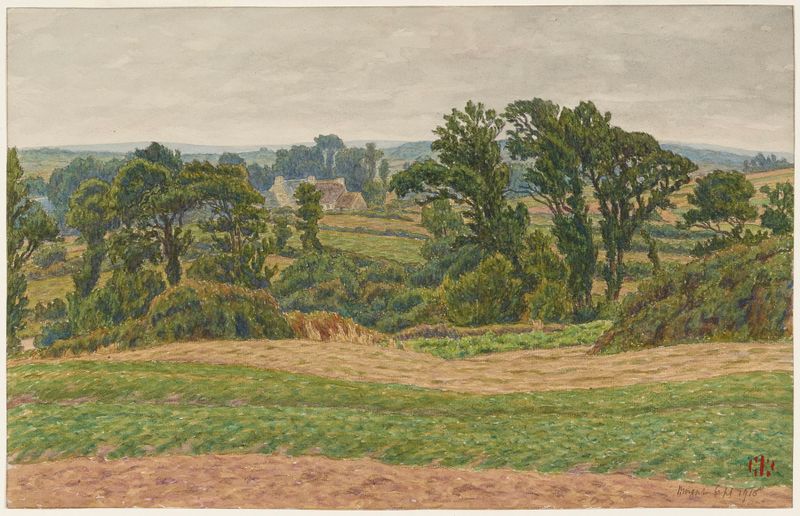
In a fleeting moment, we discover the echoes of time captured within the stillness of an artwork, where every brushstroke breathes life into eternity. This painting invites us to reflect on the passage of time, a theme that resonates with the frailty of existence and the weight of memory. Focus on the left, where soft hues of blue and green blend seamlessly to create a serene landscape that evokes tranquility. The gentle strokes draw the eye towards a horizon that appears both distant and inviting.
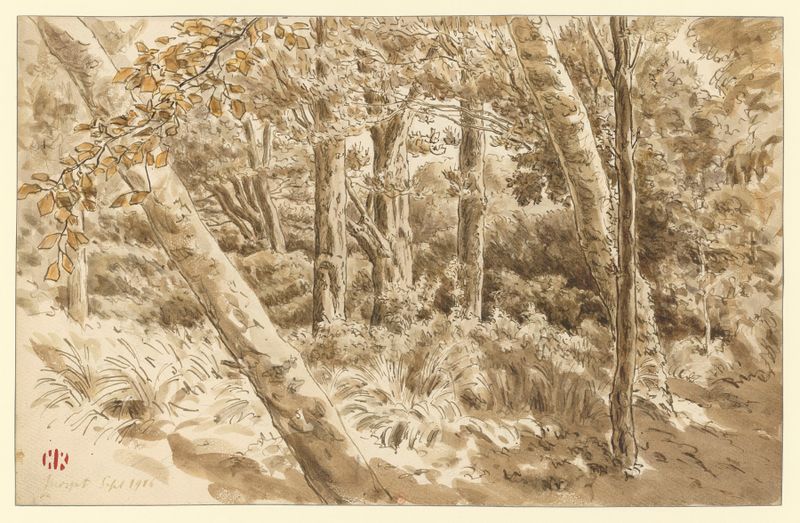
Notice how the light filters through the trees, casting dappled shadows that dance across the scene, suggesting movement and change, yet grounded in a moment that feels timeless. The palette is rich, harmonizing warm and cool tones, which together create a sense of balance and introspection. Delve deeper into the contrasts present in this work — the interplay between light and shadow, tranquility and tension. What seems like a peaceful vista conceals an undercurrent of emotion, as the fading light hints at the inevitability of nightfall, a metaphor for the passage of life.
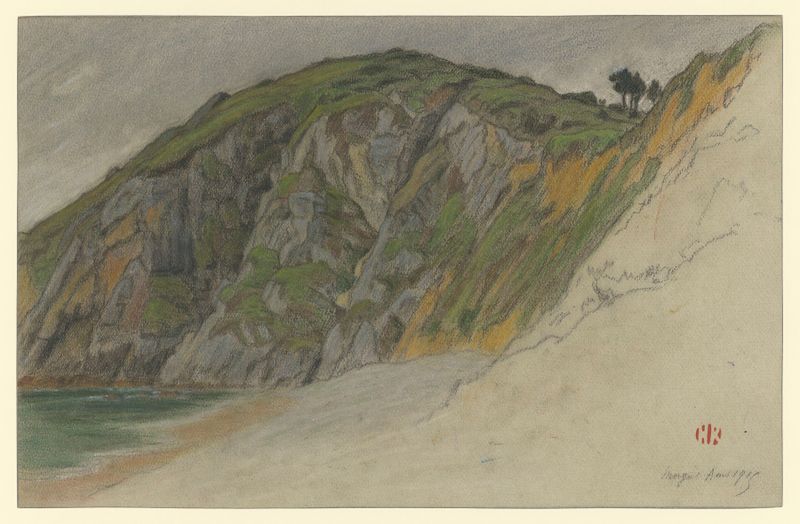
Each element, from the trees swaying gently to the stillness of the water, reflects a duality — a celebration of nature’s beauty intertwined with the acceptance of transience. In 1894, Henri Rivière painted this piece during a transformative period in his life, marked by a commitment to the Symbolist movement and an exploration of ephemeral beauty. Living in France, he was surrounded by innovative artistic currents, which emphasized a departure from realism towards a more emotive and personal expression. This work exemplifies Rivière's dedication to capturing the essence of existence, encapsulating a moment where time and art converge in profound stillness.