
Kinderbildnis (Marie Moll) — History & Facts
In Kinderbildnis (Marie Moll), we see a young girl, Marie Moll, depicted with soft, delicate features. The color palette is warm, dominated by golds and earthy tones, typical of Gustav Klimt's style. The background is richly textured, enhancing the figure's presence.
Klimt's use of patterns and decorative elements adds a layer of complexity to the composition. This painting is an oil on canvas, showcasing Klimt's signature technique of layering paint to create depth. The dimensions are approximately 50 x 70 cm, making it a relatively intimate portrait. The brushwork is fine and detailed, especially in the rendering of the girl's clothing and hair.
Klimt's characteristic use of gold leaf is not prominent here but is replaced by a focus on color and form. Gustav Klimt was a leading figure in the Vienna Secession movement, known for his unique approach to portraiture. This work, painted around 1900, reflects his interest in the psychological depth of his subjects. An interesting fact about this painting is that it captures the innocence and charm of childhood, which Klimt often explored in his portraits of women and children.
Kinderbildnis (Marie Moll) remains a testament to Klimt's ability to blend realism with decorative art.
More Artworks by Gustav Klimt

The Kiss
Gustav Klimt
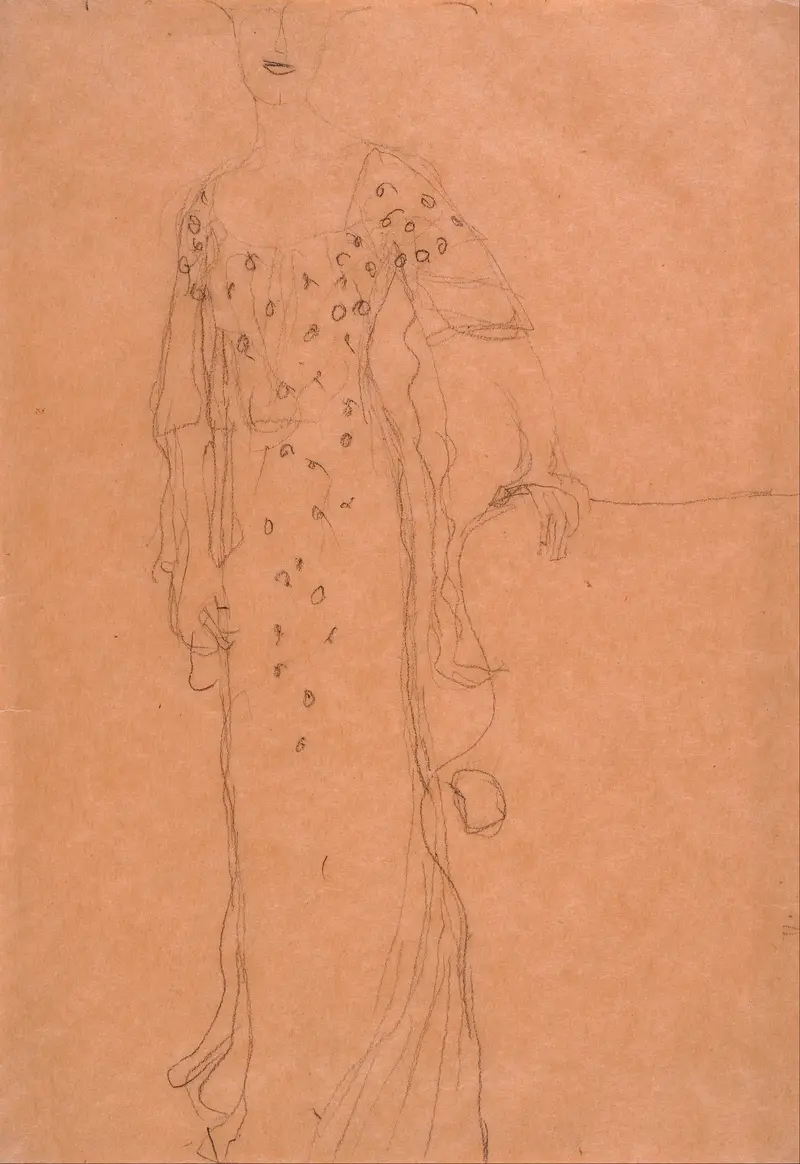
Study for Portrait of Adele Bloch-Bauer I
Gustav Klimt

Woman with fan
Gustav Klimt
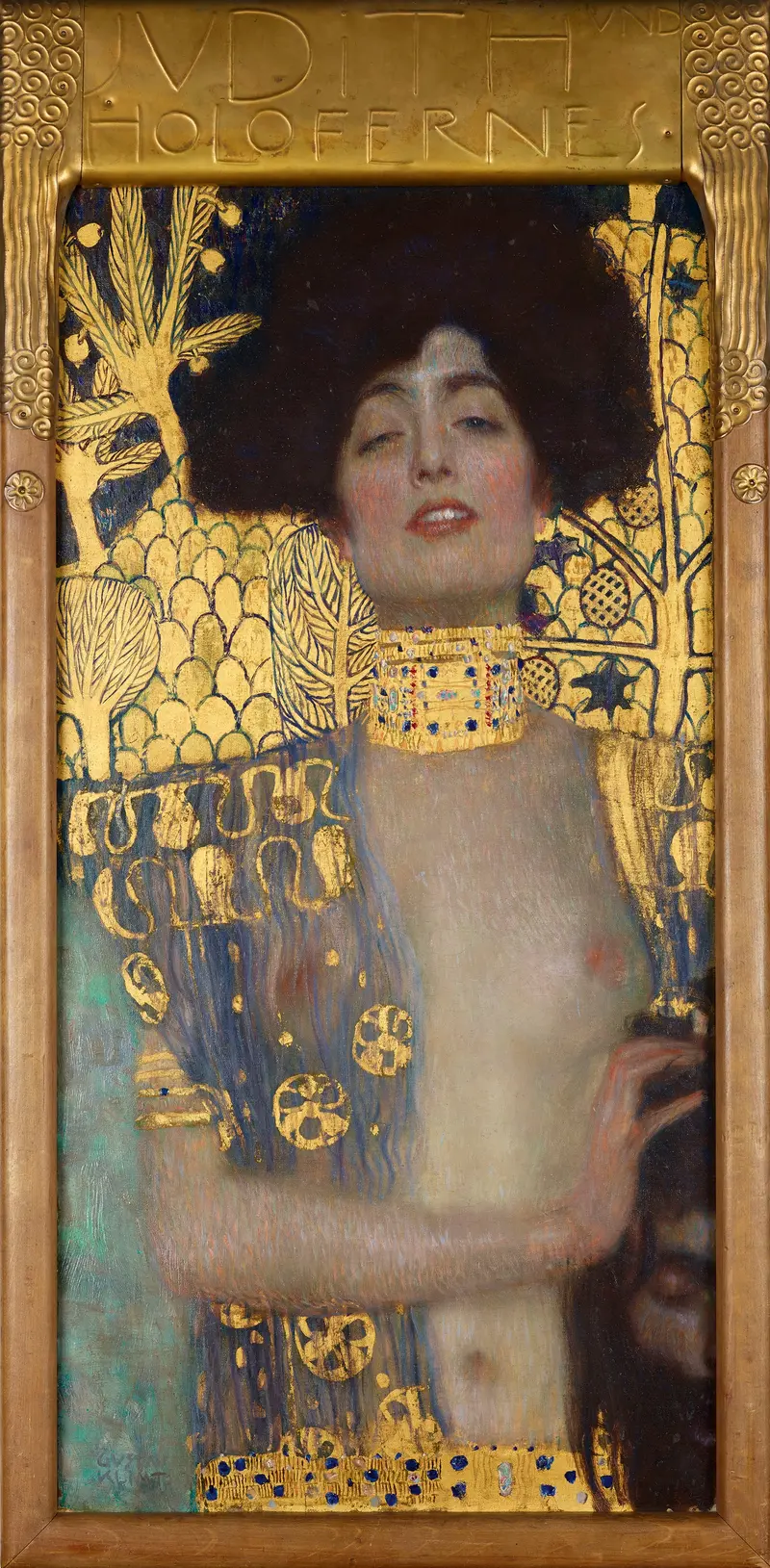
Judith
Gustav Klimt

Portrait of Adele Bloch-Bauer I
Gustav Klimt
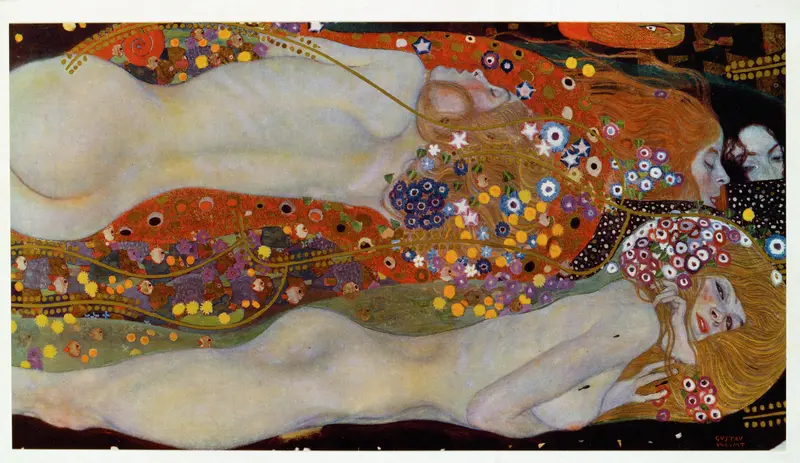
Water Serpents II
Gustav Klimt

Mäda Primavesi
Gustav Klimt

Portrait of Rose von Rosthorn-Friedmann
Gustav Klimt
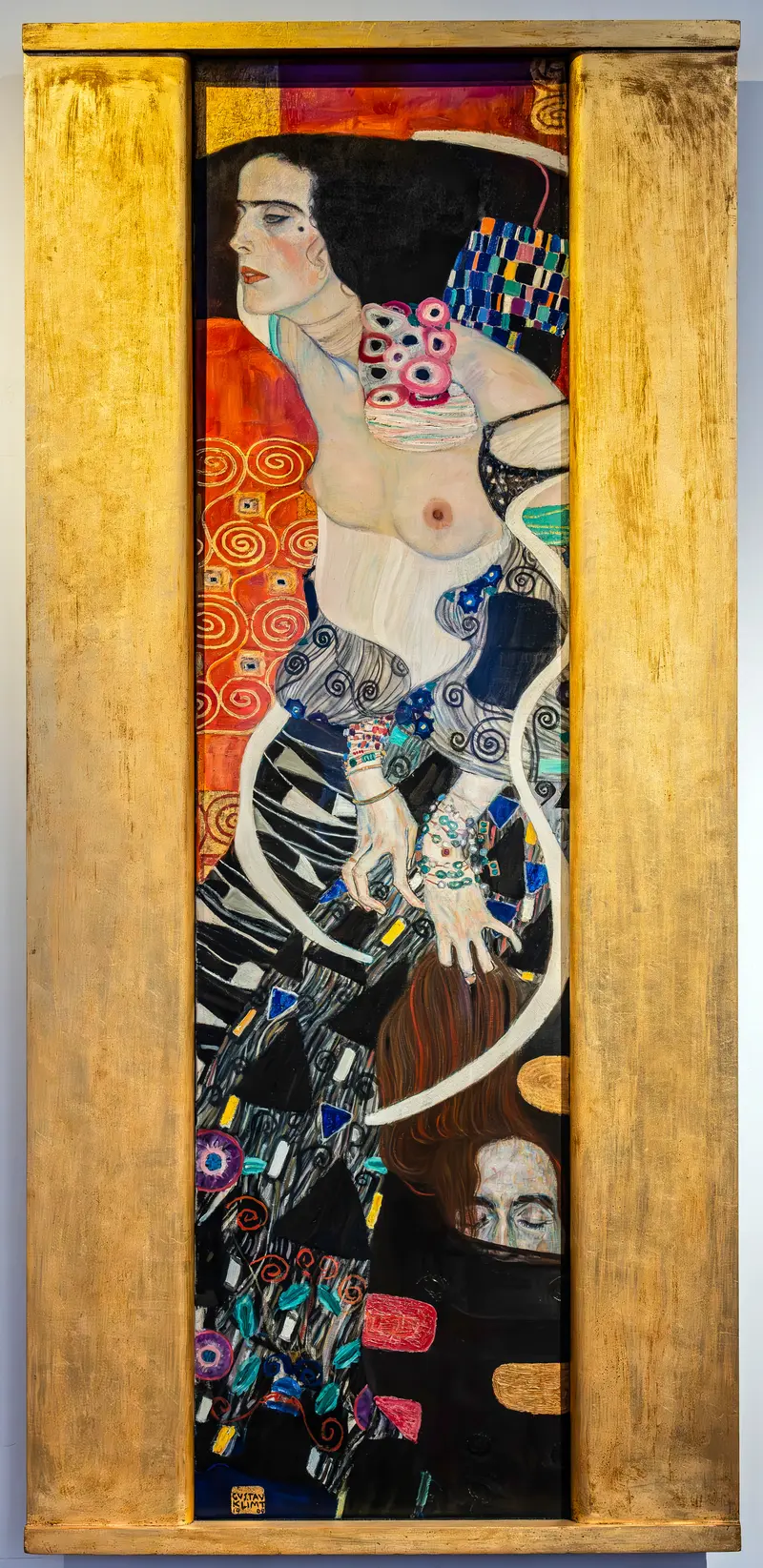
Judith II (Salome)
Gustav Klimt

The Three Ages of the Woman
Gustav Klimt





