
King’s Cliff and Rat Island, Fort Marlborough, Benkulen, Sumatra, 1799 — History & Facts
In a canvas that captures the essence of rebirth, a distant landscape unfolds, beckoning the viewer into its serene embrace. The vision of nature’s raw beauty serves as a reminder of resilience and renewal amidst the currents of existence. Look to the left where the rugged cliffs rise dramatically from the sea, their textures rendered with meticulous detail. The interplay of shadow and light creates a breathtaking contrast, drawing the eye along the shoreline toward the tranquil waters below.
Rich greens and earthy browns dominate the scene, while the azure of the sky transitions into deeper hues, suggesting the fleeting moments of dawn or dusk. In each brushstroke, Stadler captures not only the physical geography but also a profound sense of place. As you delve deeper, notice the juxtaposition between the formidable cliffs and the calmness of the water, symbolizing the tension between strength and vulnerability. The hidden island, barely discernible in the distance, offers the promise of exploration and discovery, inviting interpretations of isolation and hope.
The lush vegetation hints at life’s persistence, embodying a spirit that thrives even in the harshest of conditions. In 1799, Stadler painted this work during a time of personal transition, grappling with the shifting tides of his life in England following the fallout from the French Revolution. The artistic community was in a state of flux, as emerging movements began to challenge traditional norms. His depiction of this remote Sumatra location reflects not only an encounter with the exotic but also a broader commentary on the transformative power of nature and art during tumultuous times.
More Artworks by Joseph Constantine Stadler
Browse all →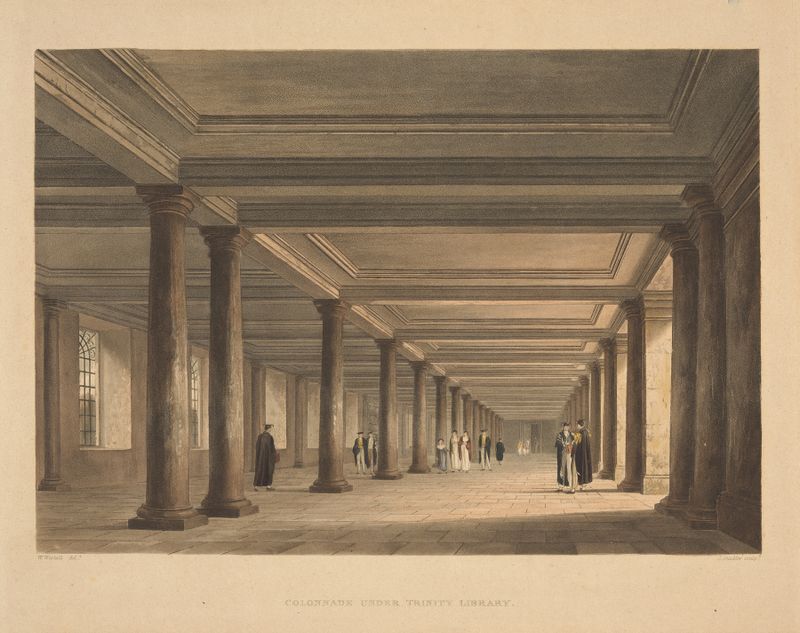
Colonnade under Trinity Library..
Joseph Constantine Stadler
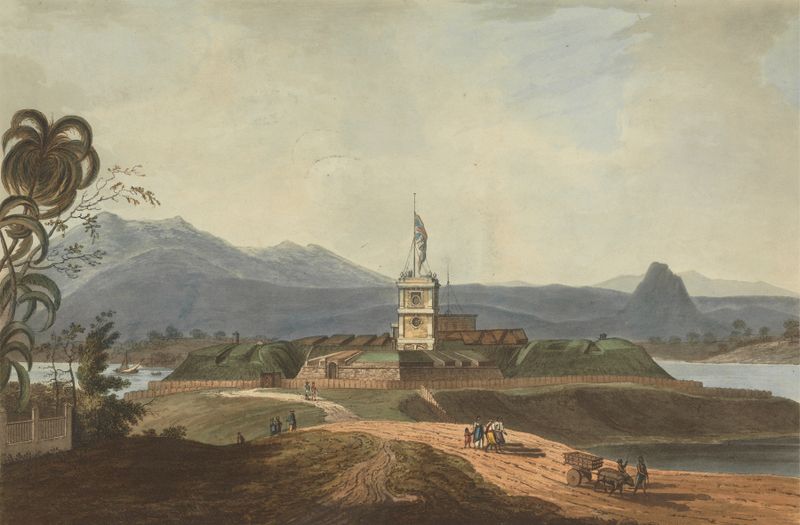
South East View of Fort Marlborough, Benkulen, Sumatra, 1799
Joseph Constantine Stadler
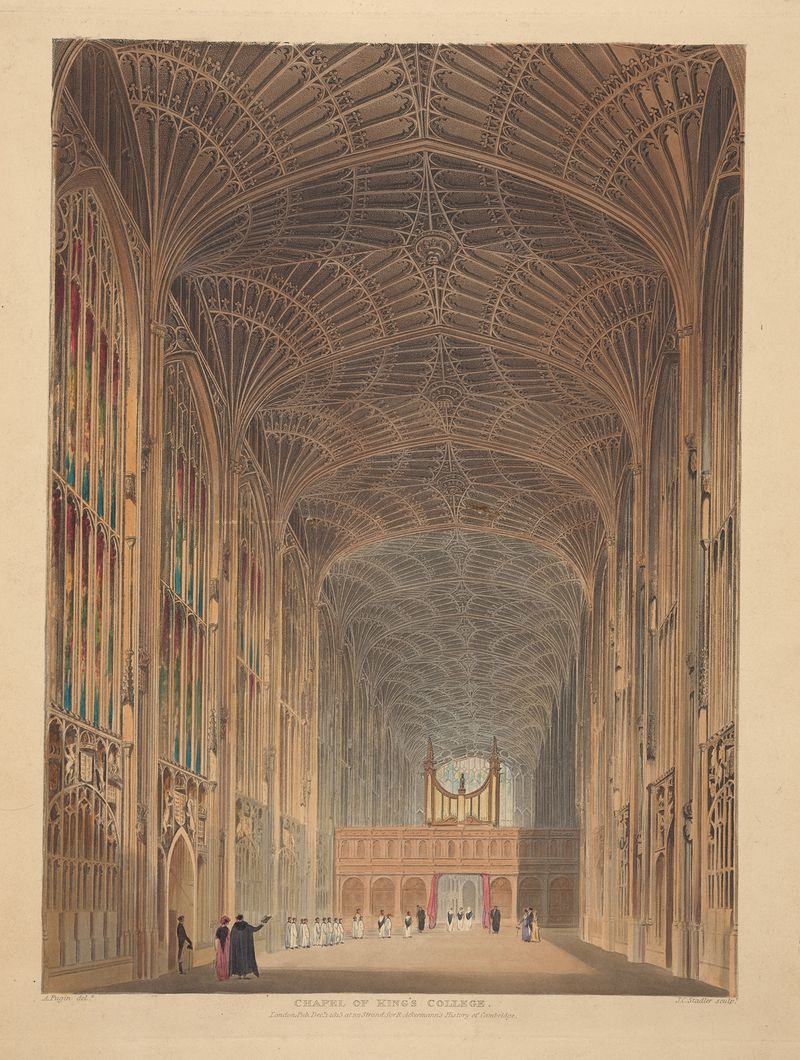
Chapel of King’s College.
Joseph Constantine Stadler
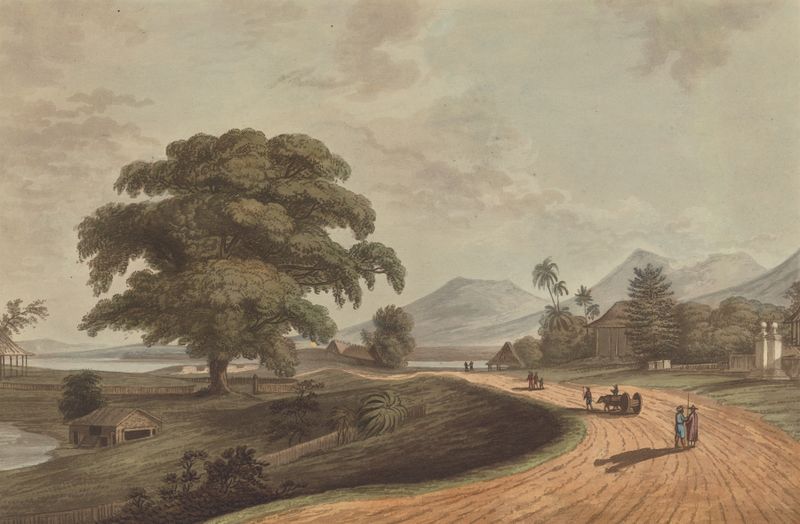
Fort Marlborough from Old Bencoolen, Sumatra, 1799
Joseph Constantine Stadler
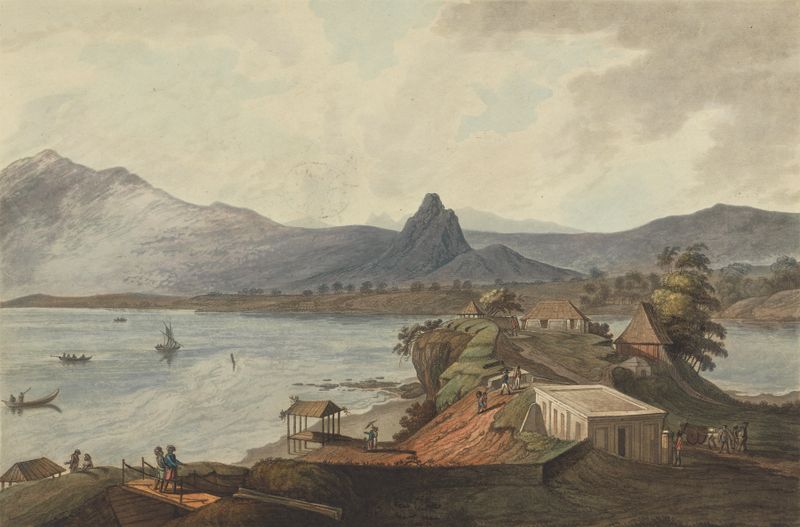
Padre’s Rock and Sugar Loaf Mountain from Bencooler, Sumatra, 1799
Joseph Constantine Stadler
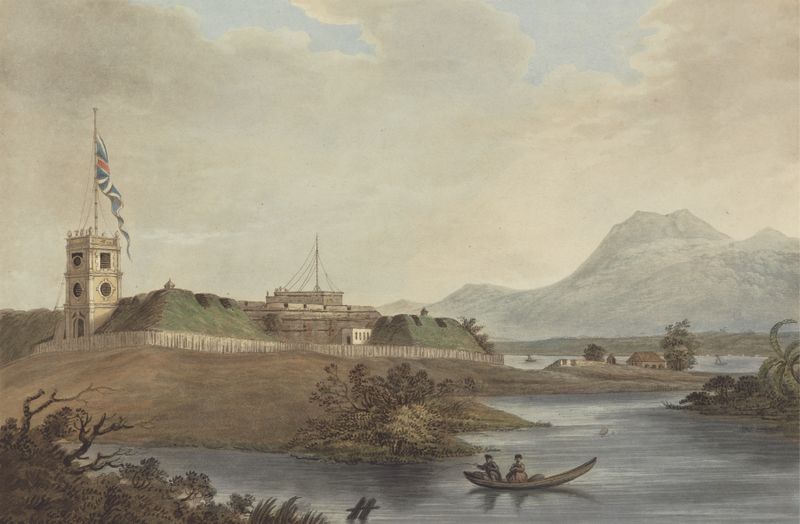
Fort Marlborough, Benkulen, Sumatra, 1799
Joseph Constantine Stadler
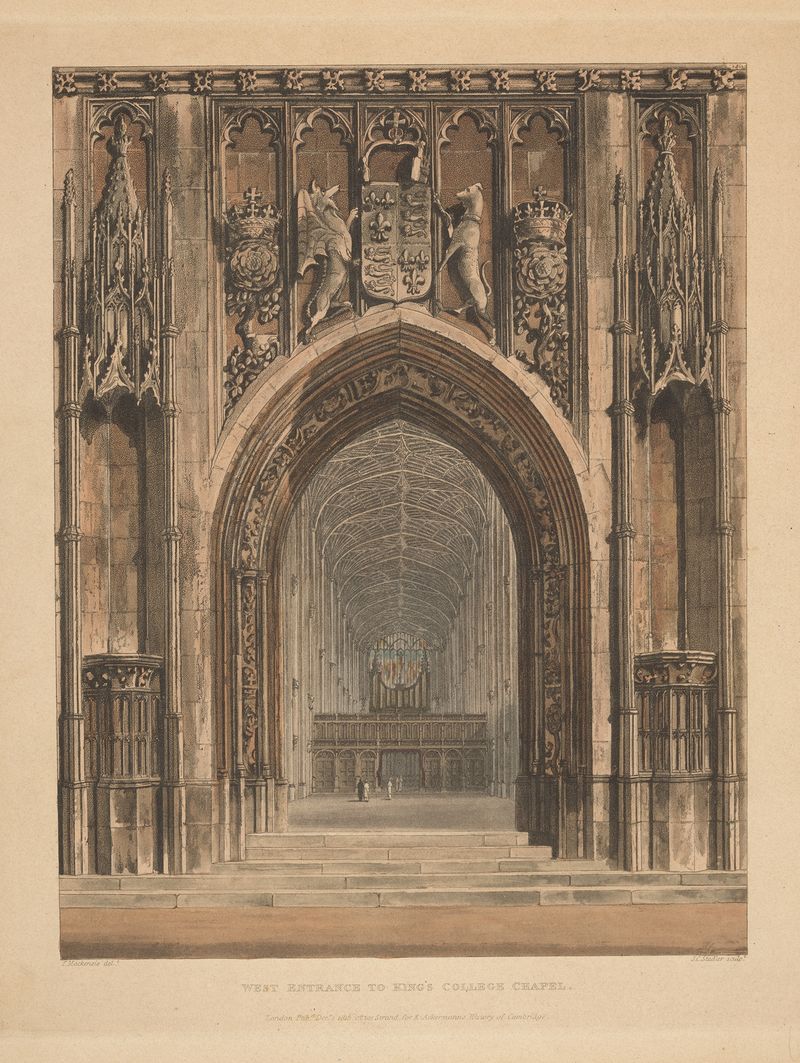
West entrance to King’s College Chapel.
Joseph Constantine Stadler
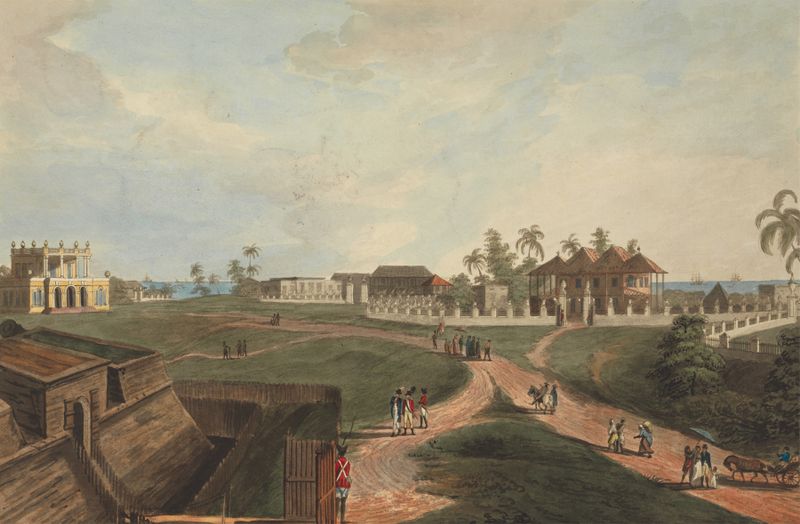
Government House & Council House, Fort Marlborough, Benkulen, Sumatra, 1799
Joseph Constantine Stadler
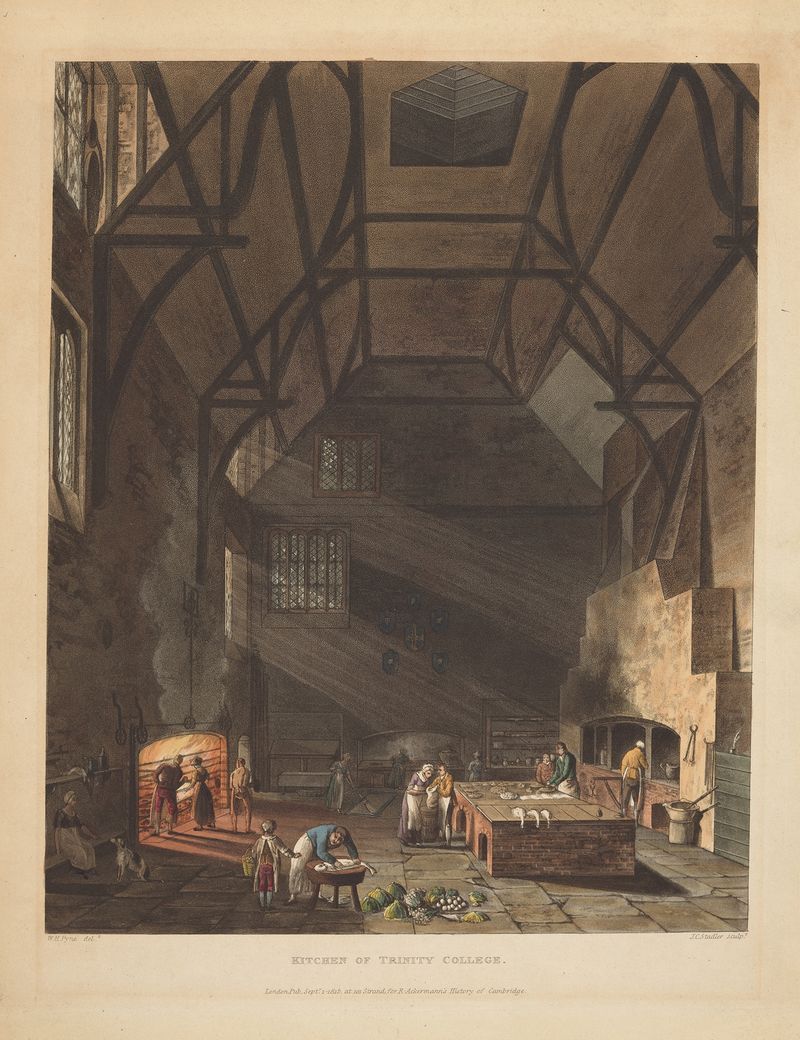
Kitchen of Trinity College
Joseph Constantine Stadler
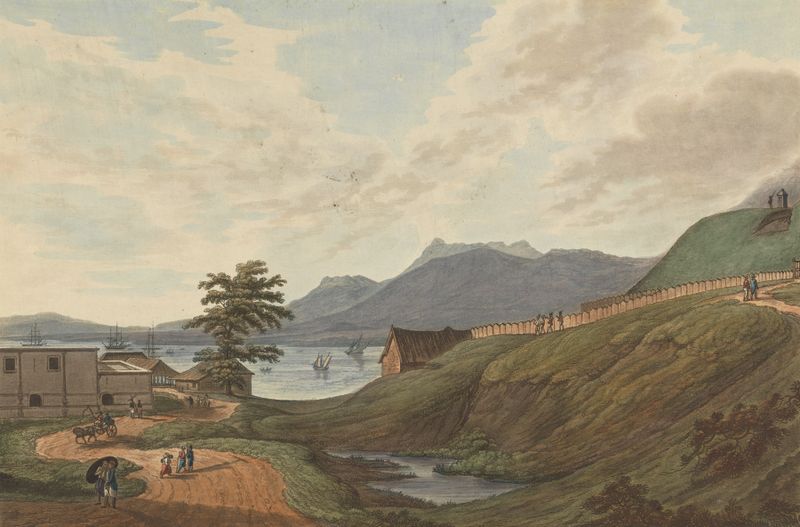
Soongey Lamou Hills Fort Marlborough, Benkulen, Sumatra, 1799
Joseph Constantine Stadler





