
Kintaikyo no shunsho (Spring evening at Kintai Bridge) — History & Facts
Can beauty exist without sorrow? In Kintaikyo no shunsho, Kawase Hasui captures the bittersweet essence of a spring evening, where the delicate balance of joy and longing is palpable. The serene landscape beckons us, drawing forth an emotional response that resonates deep within. Look to the foreground, where the Kintai Bridge stretches gracefully over the water, its graceful arches punctuating the tranquil scene. The soft hues of dusk envelop the landscape, with shades of lavender and blue intertwining to evoke a sense of peace.
Notice how the light dances upon the rippling surface of the river, reflecting delicate clouds that hint at an impending twilight. Each brushstroke is deliberate, creating a harmonious composition that invites the viewer to linger in its beauty. As you absorb the scene, consider the lingering shadows beneath the bridge, suggesting a quiet melancholy that contrasts with the vibrant blooms of cherry blossoms above. The juxtaposition of the solid, enduring structure and the ephemeral flowers symbolizes the fleeting nature of beauty and time.
It evokes a yearning for moments that, while enchanting, are destined to fade away—a theme that resonates throughout the artist's work. In 1947, while living in Japan, Hasui painted Kintaikyo no shunsho amidst a backdrop of post-war reconstruction and cultural revitalization. This period was marked by a renewed appreciation for traditional landscapes and a search for solace in nature, reflecting both personal and societal healing. The artist, known for his woodblock prints, skillfully blended contemporary techniques with the rich heritage of Japanese art, giving life to scenes that resonate with profound emotional depth.
More Artworks by Kawase Hasui
Browse all →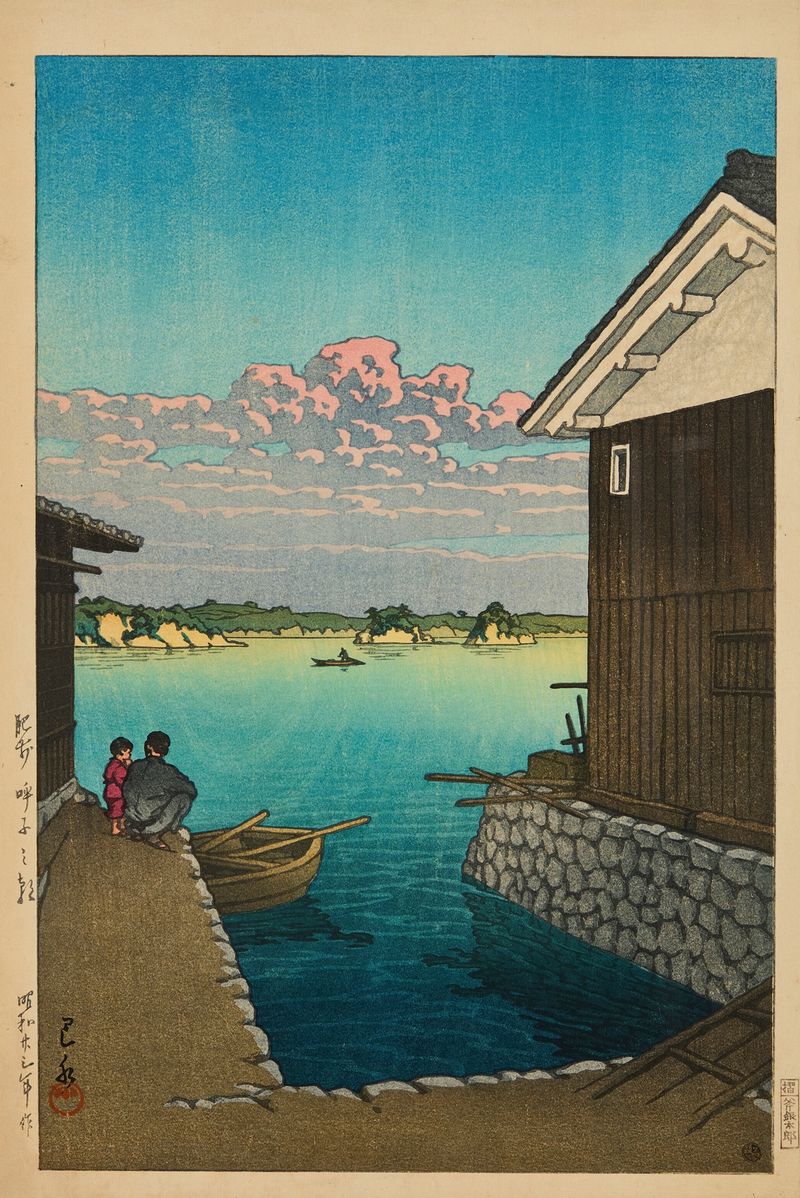
Hizen Yobuko no asa (Morning in Yobuko, Hizen)
Kawase Hasui
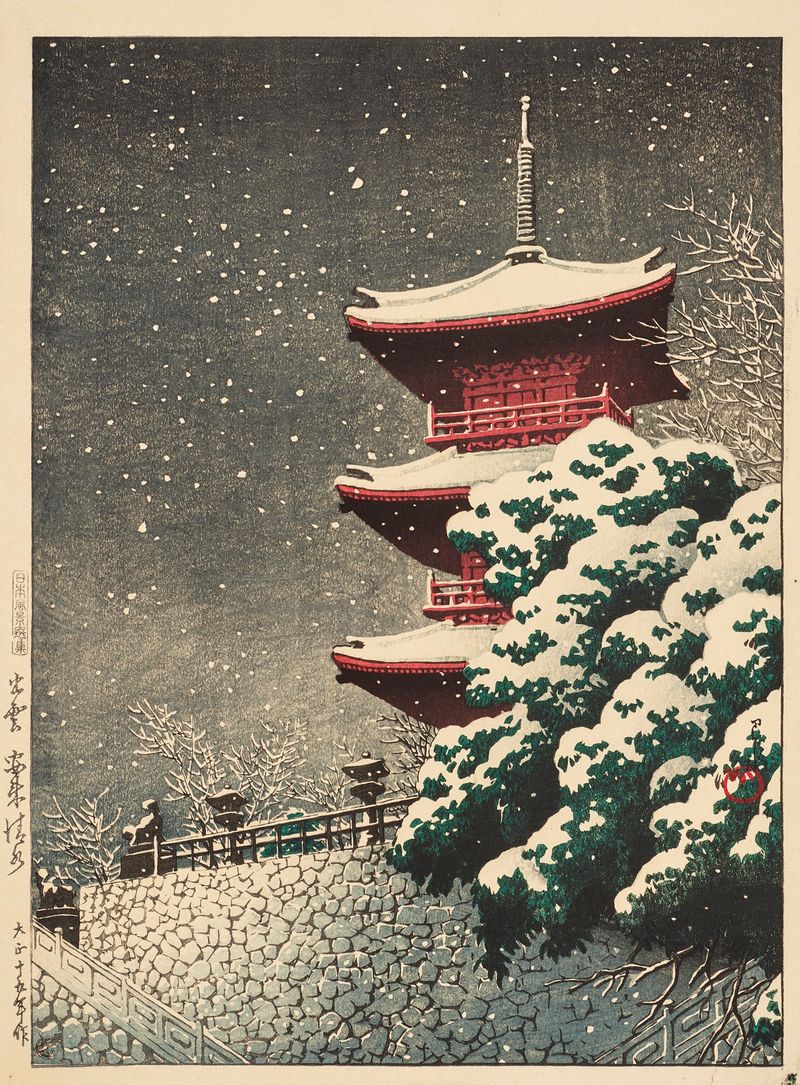
Izumo, Yasugi Kiyomizu (Yasugi Kiyomizu Temple at Izumo)
Kawase Hasui
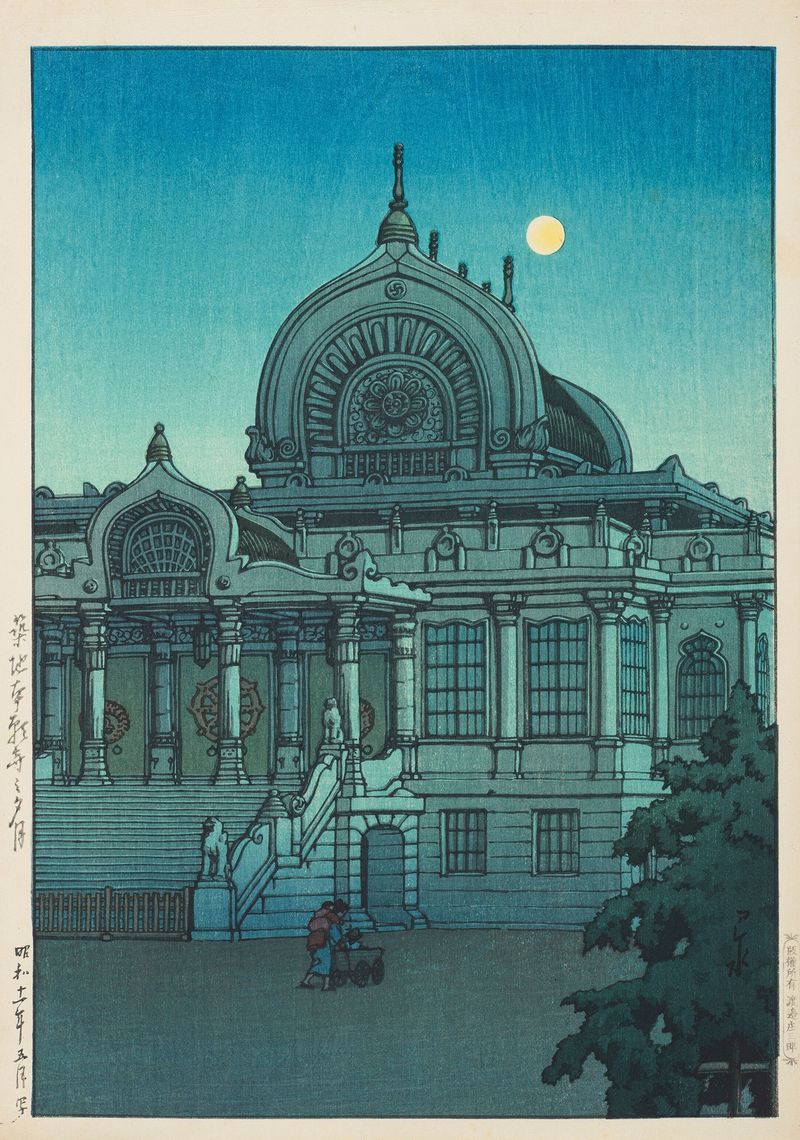
Tsukiji Honganji no yuzuki (Evening moon at Honganji Temple in Tsukiji)
Kawase Hasui
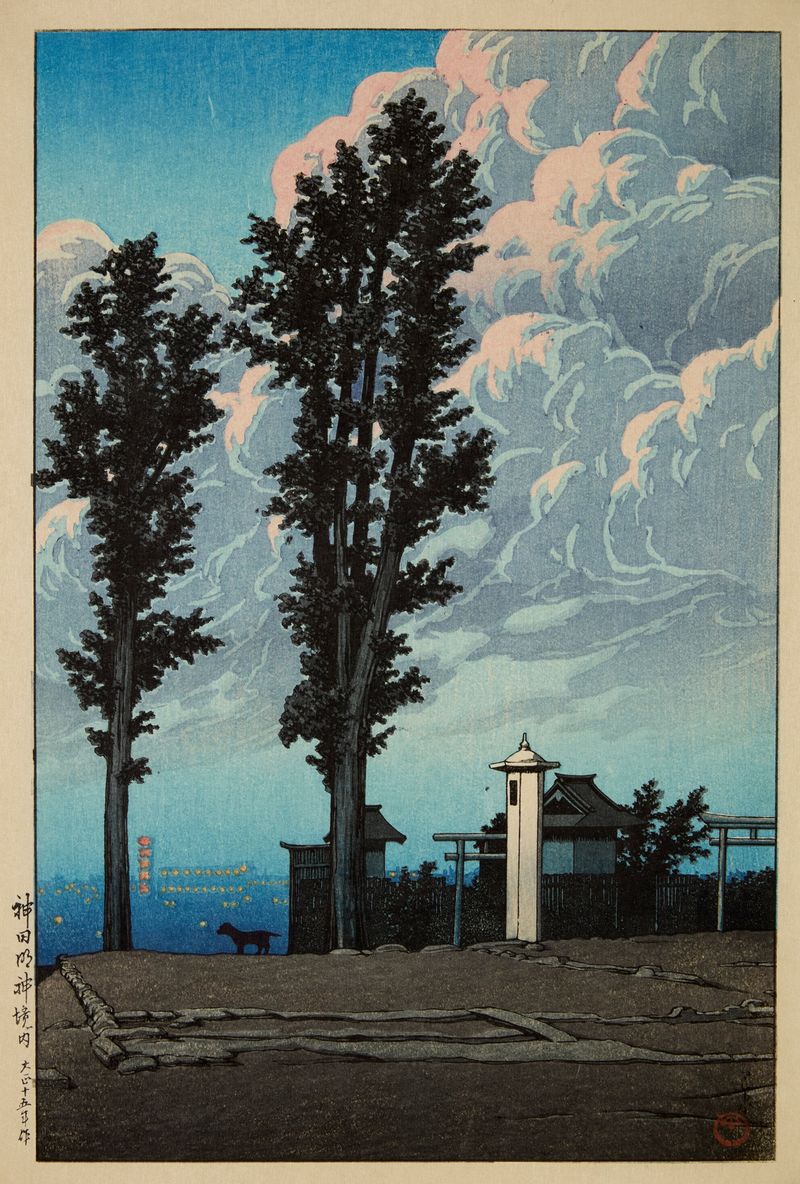
Kanda Myojin keidai (Kanda Myojin Shrine precent)
Kawase Hasui
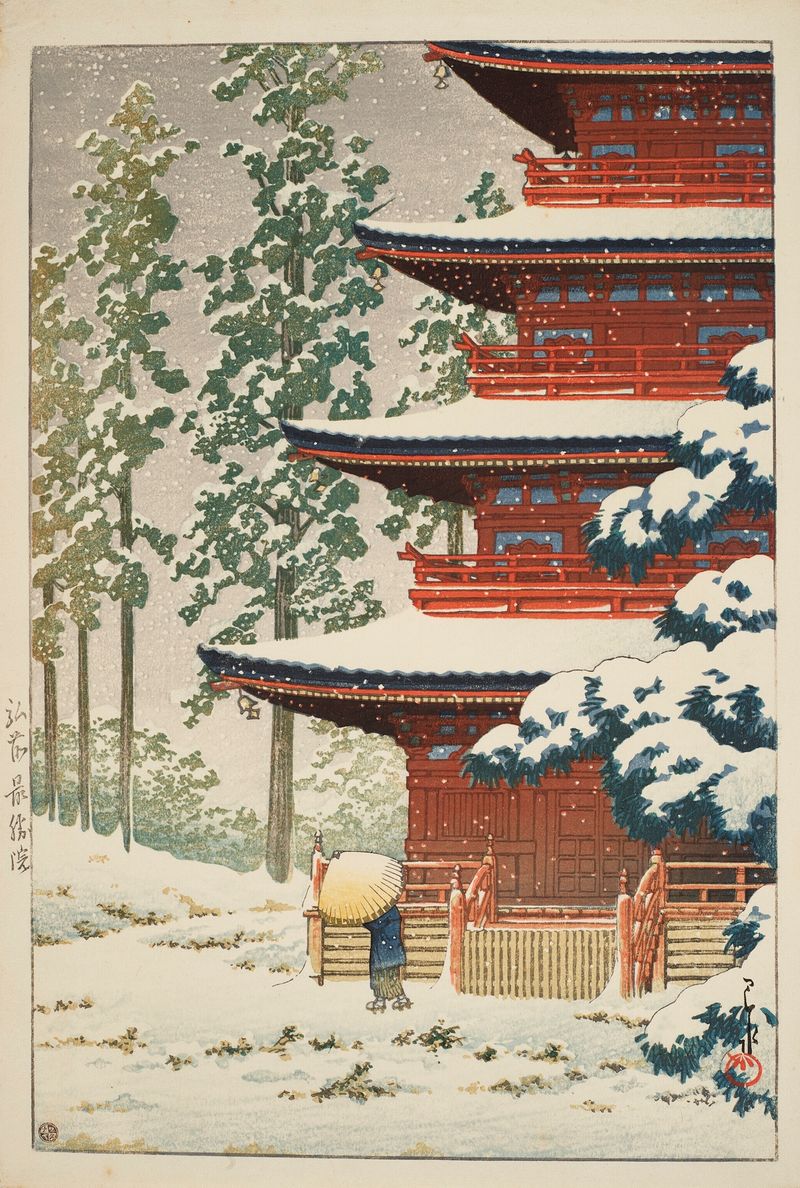
Saisho-in Temple, Hirosaki
Kawase Hasui
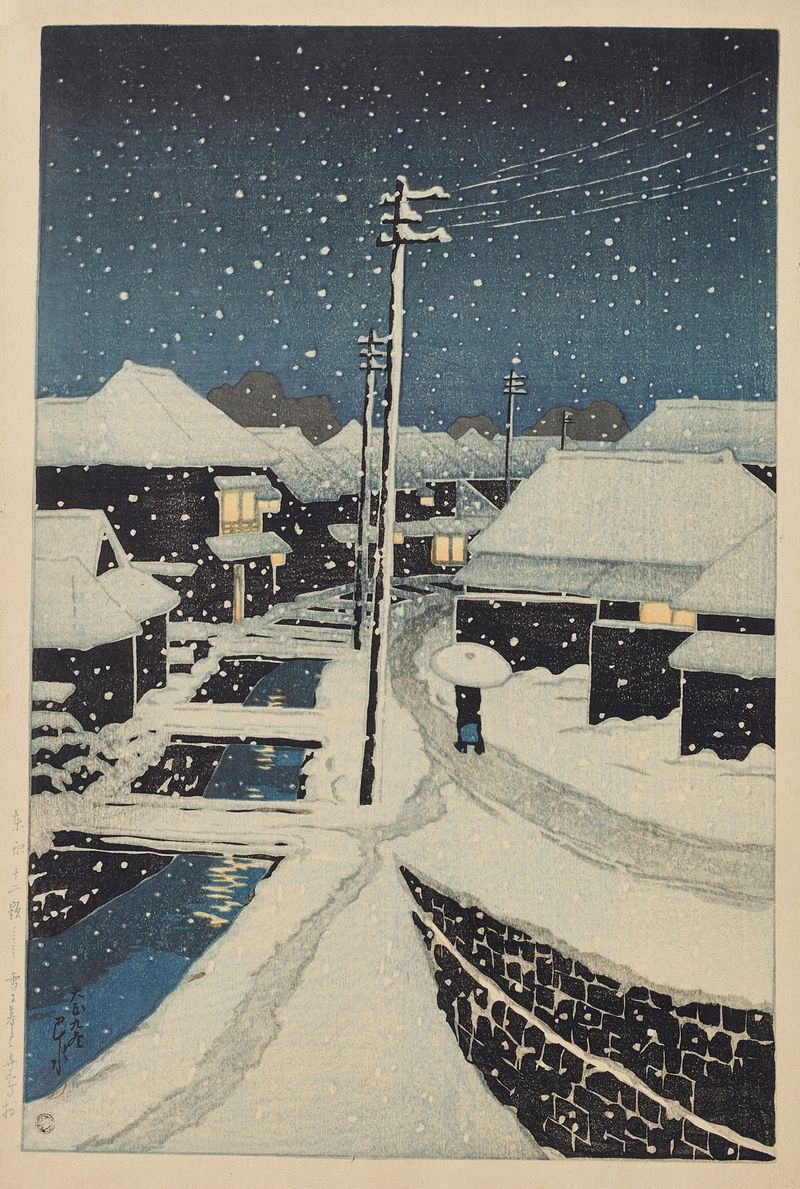
Yuki ni fururu Terajima mura (Evening snow at Terajima Village)
Kawase Hasui
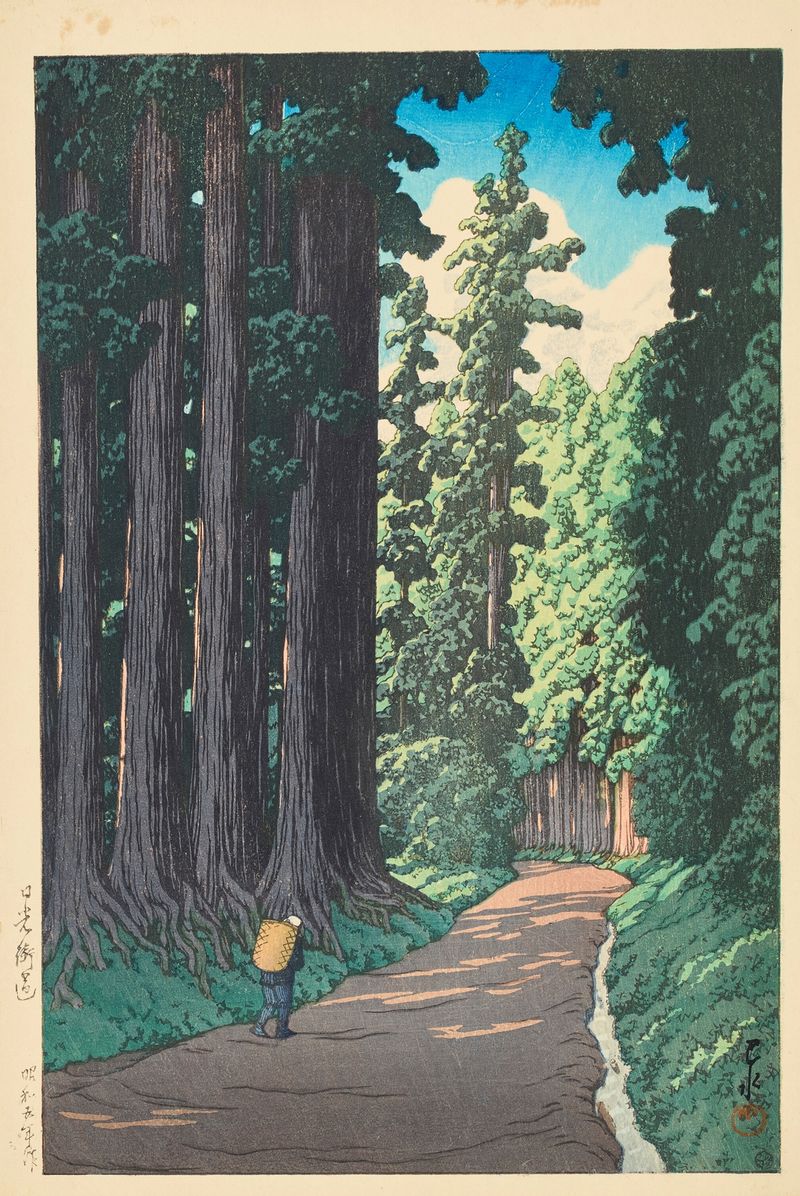
Nikko gaido (The Road to Nikko)
Kawase Hasui
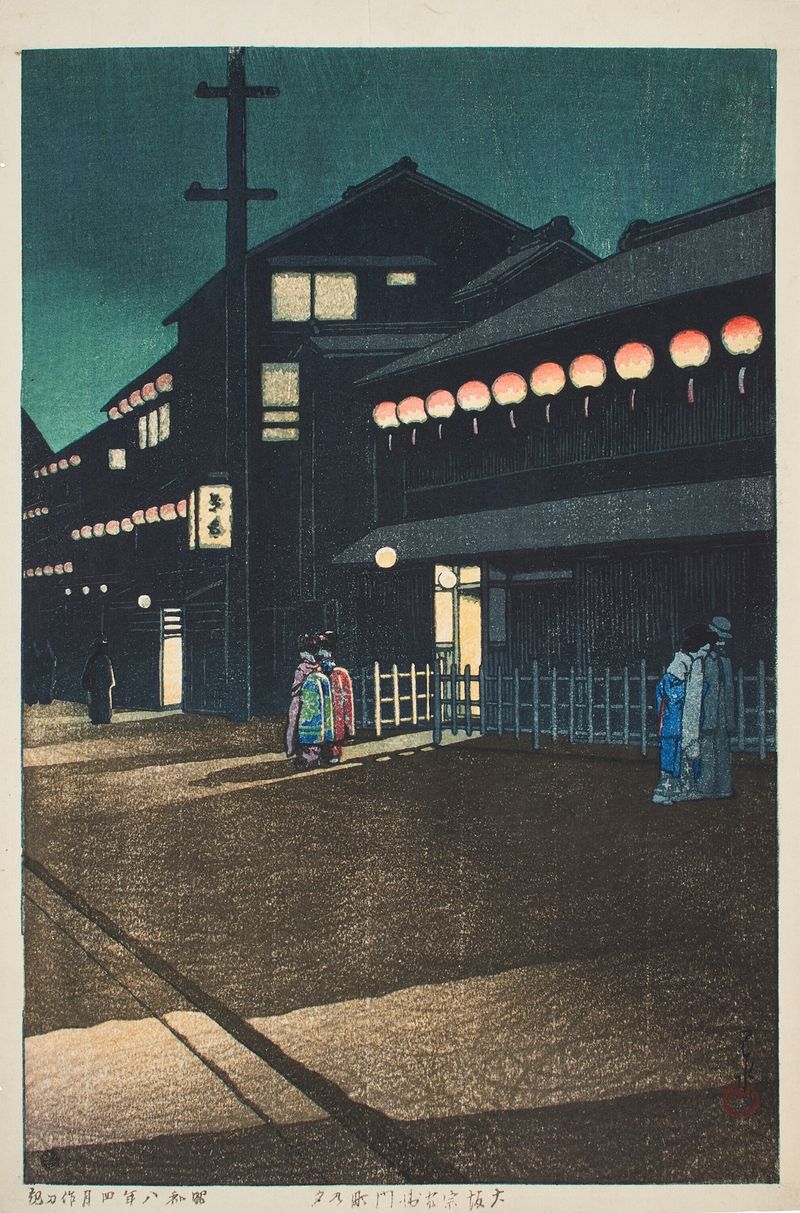
Osaka Soemon-cho no yu (Evening in Soemon-cho, Osaka)
Kawase Hasui
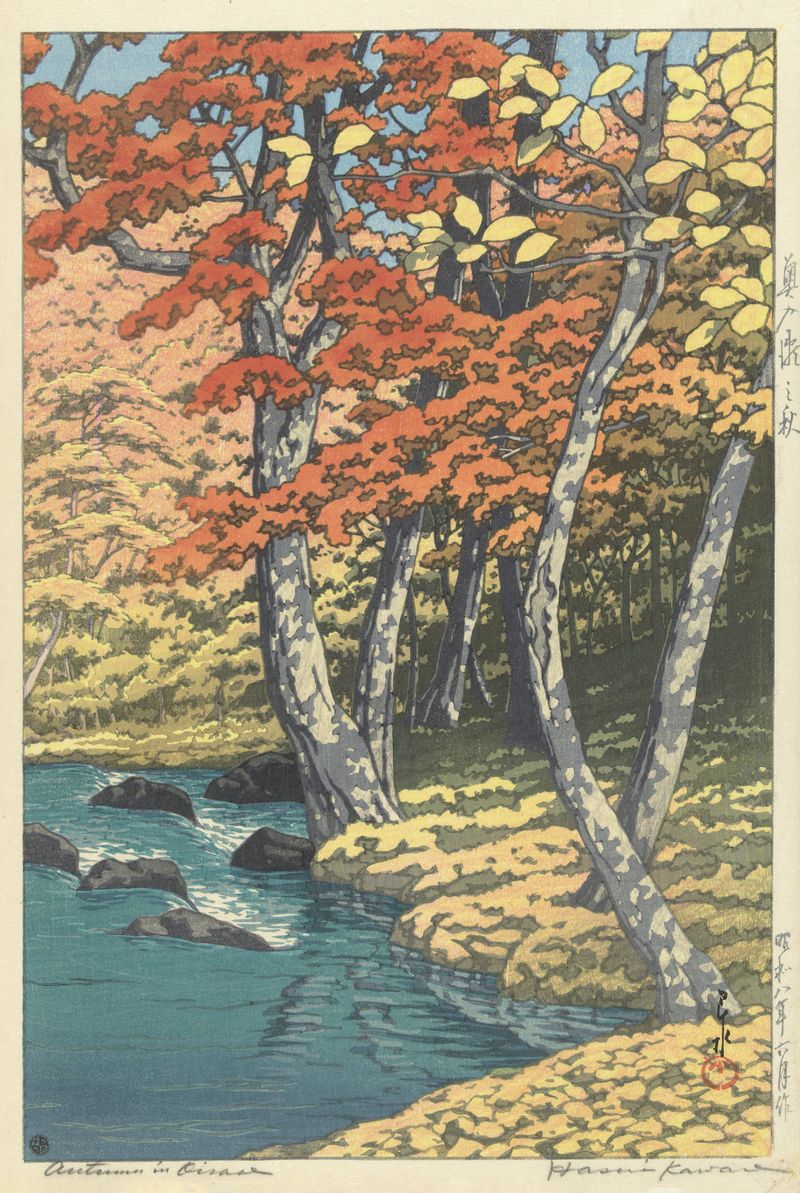
Autumn In Oirase
Kawase Hasui
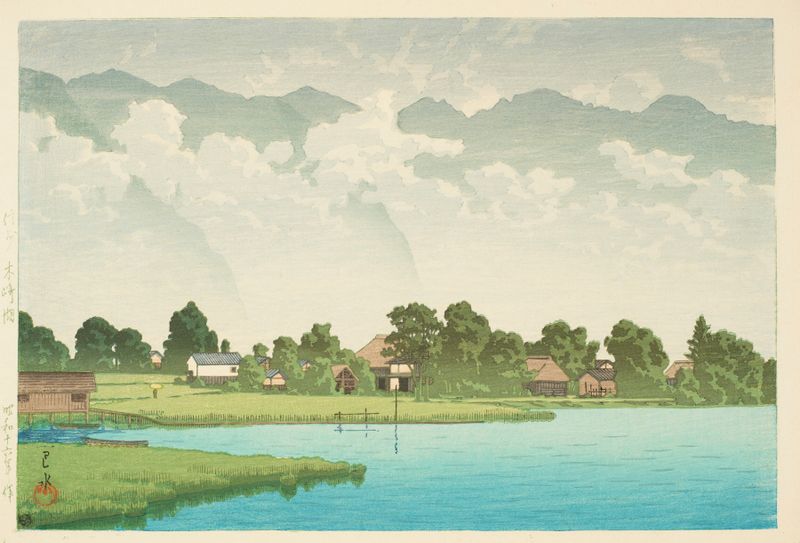
Shinshu Kizakiko (Kizaki Lake in Shinshu)
Kawase Hasui





