
Kippenhok in een tuin in Voorburg — History & Facts
When did color learn to lie? The vibrant tones that envelop the garden seem to whisper secrets of a world teetering on the brink of decay. Each stroke, alive with energy, juxtaposes the serenity of a traditional Dutch garden with the encroaching shadows of time, hinting that beauty can often mask the inevitable decline. Look to the center, where the chicken coop stands as a proud yet vulnerable structure, framed by lush green foliage. Notice how the warm sunlight bathes the coop, creating an ethereal glow that contrasts sharply with the muted tones of the surrounding earth.
The artist’s meticulous brushwork reveals the intricate details of the coop’s wooden slats and the faintest hints of wear, inviting the viewer to consider the stories it holds. The palette, rich with emerald greens and golden yellows, captures the fleeting joy of life yet acknowledges the fragility of its existence. The painting’s emotional tension lies in its contrasting elements: the vibrancy of life against the slow march of decay. The coop, a symbol of domesticity and sustenance, stands resilient yet is surrounded by foliage that suggests an uncontrolled wildness, a return to nature’s domain.
This duality provokes reflection on life cycles, growth, and the inevitable breakdown of what we cherish. Each flower, vibrant and full of life, foreshadows its eventual wilting, deepening the poignancy of the scene. Willem Adrianus Grondhout painted Kippenhok in een tuin in Voorburg in 1914, a time of great change in Europe, as the shadows of war began to loom. Living in the Netherlands, an emerging hub of artistic innovation, he drew inspiration from the daily life surrounding him.
The work reflects the broader transition in art during this era, where traditional subjects were often infused with deeper emotional undercurrents, signaling a shift toward modernism in the art world.
More Artworks by Willem Adrianus Grondhout
Browse all →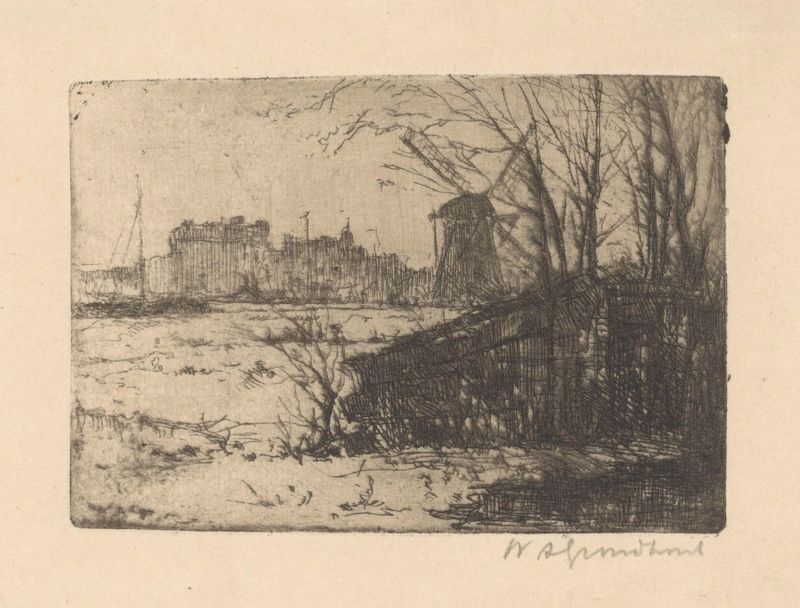
Landschap met molen in de Binckhorst in Den Haag
Willem Adrianus Grondhout
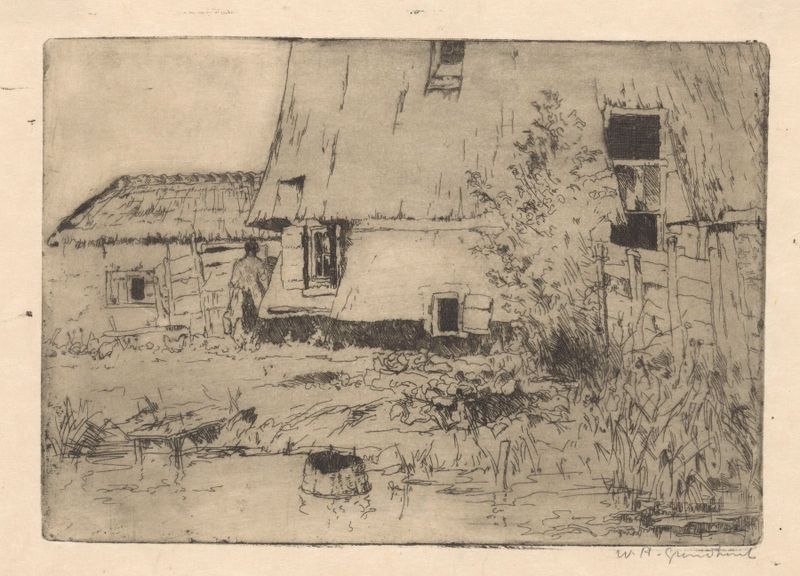
Voet van een molen in Voorburg
Willem Adrianus Grondhout
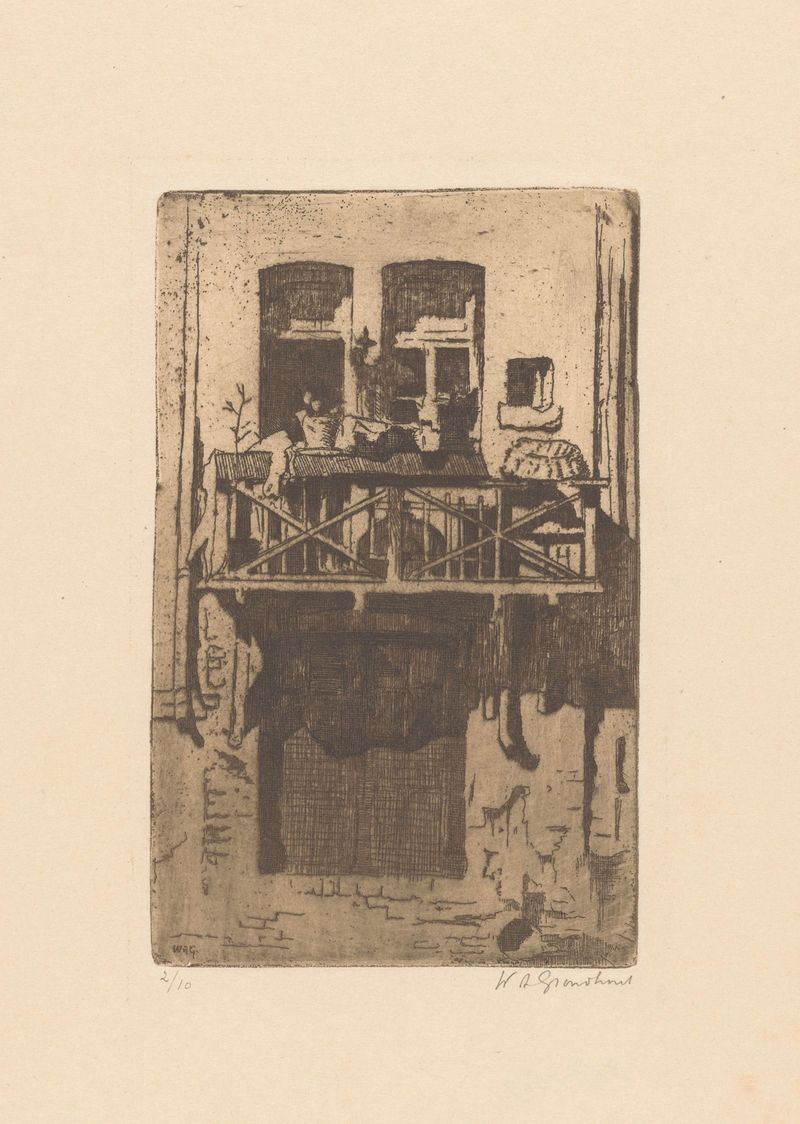
Balkon van een huis aan de Oudezijds Kolk in Amsterdam
Willem Adrianus Grondhout
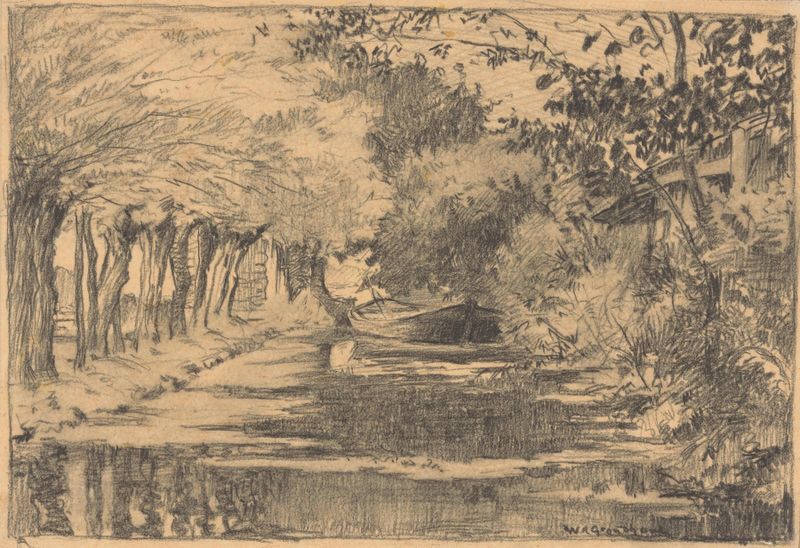
Broeksloot bij Voorburg
Willem Adrianus Grondhout
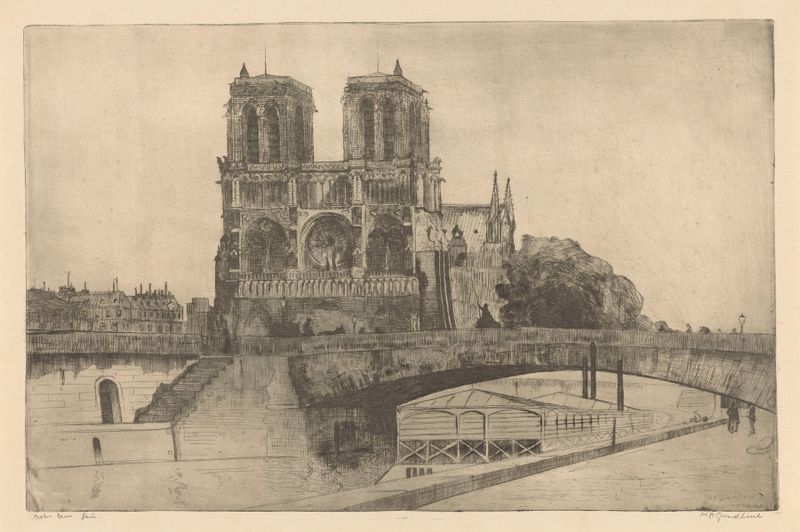
Notre-Dame, Paris
Willem Adrianus Grondhout
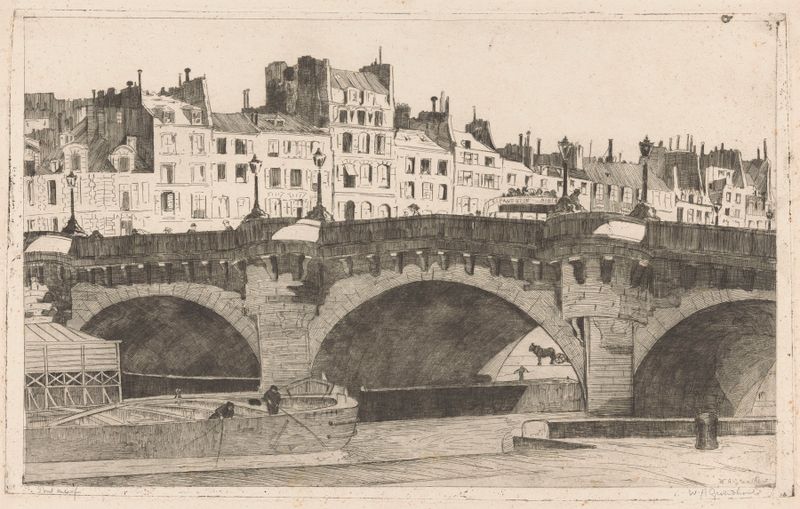
Pont Neuf
Willem Adrianus Grondhout
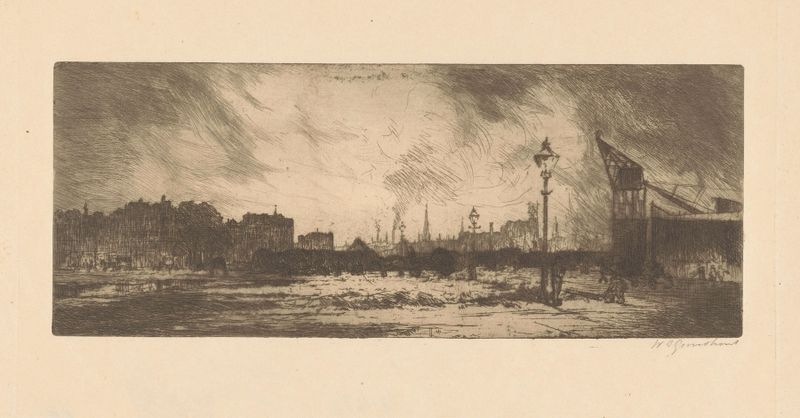
Havenkade met lantaarnpalen in Rotterdam
Willem Adrianus Grondhout
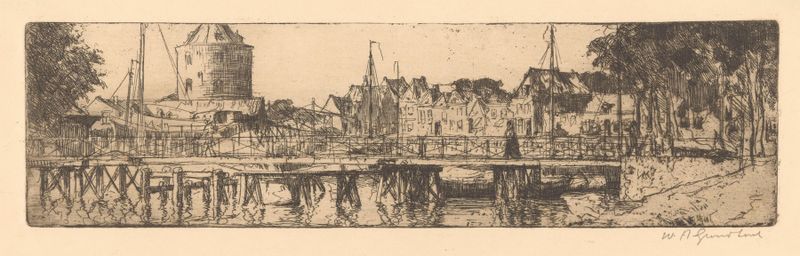
Enkhuizen
Willem Adrianus Grondhout
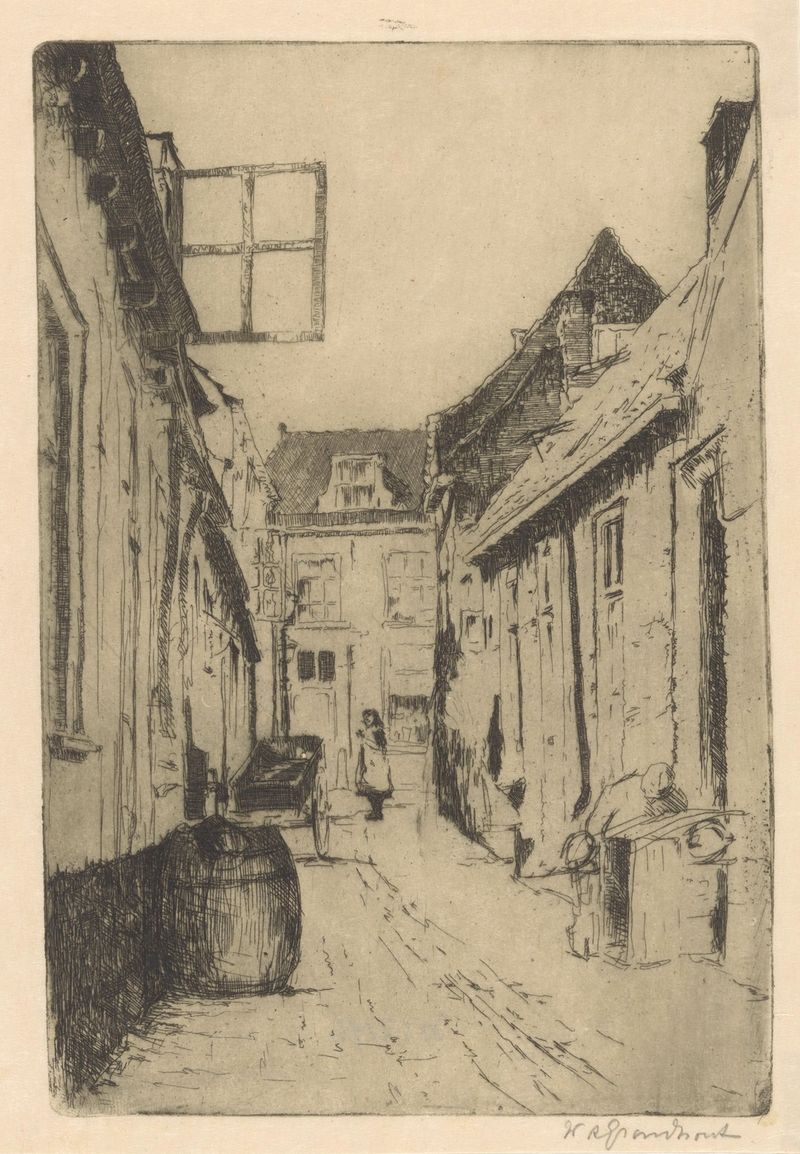
Straatje in Voorburg.
Willem Adrianus Grondhout
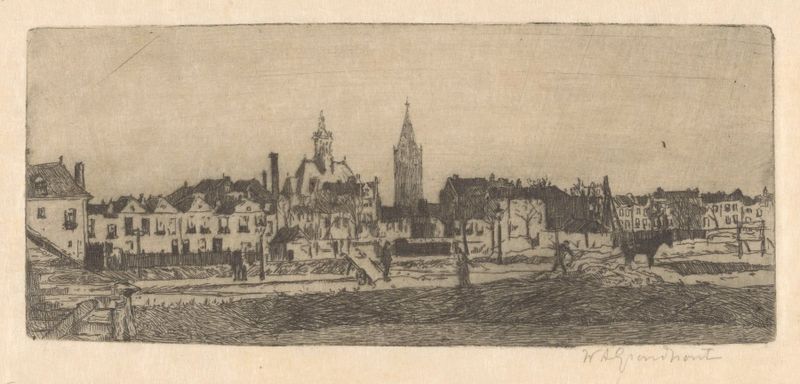
Delft
Willem Adrianus Grondhout





