Kircheninneres — History & Facts
Did the painter know this moment would outlive them? In Kircheninneres, the stillness of a church interior becomes a captivating testament to transformation, inviting the viewer to contemplate the passage of time and the enduring spirit of faith. Look to the left at the intricate archways, each line a graceful reminder of the architectural mastery that defines the space. Notice how the soft, golden light spills through the stained glass, casting a tapestry of colors onto the cold stone floor, illuminating the dust motes that dance silently in the air. The meticulous brushwork captures every detail, from the delicate carvings on the pews to the ethereal shimmer of light, reflecting the artist's reverence for the sacred environment. In the quiet corners of the church, tension resides between the permanence of the architecture and the fleeting nature of human existence.
The interplay of light and shadow suggests a narrative of worship and solitude, while the empty pews evoke an unsettling absence, as if waiting for souls to fill them once more. This sacred space, both serene and haunting, stands as a witness to countless prayers and moments of introspection, urging the viewer to reflect on their own spiritual journey. Created in 1861, Kircheninneres emerged during a period when Franz Alt was deeply influenced by the Romantic ideals prevalent in Europe. Living in Germany, Alt was drawn to the exploration of light and atmosphere in his work, reflecting a broader movement that sought to capture emotional depth and transcendence in mundane spaces.
His commitment to portraying the sublime essence of religious structures marked a significant moment in the evolution of 19th-century art, bridging the gap between realism and emotional expression.
More Artworks by Franz Alt
Browse all →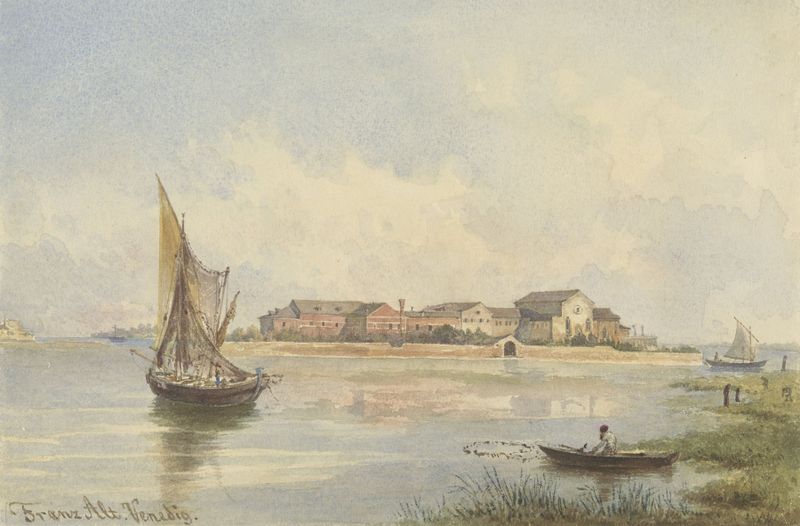
Gezicht op de Lagune te Venetië
Franz Alt
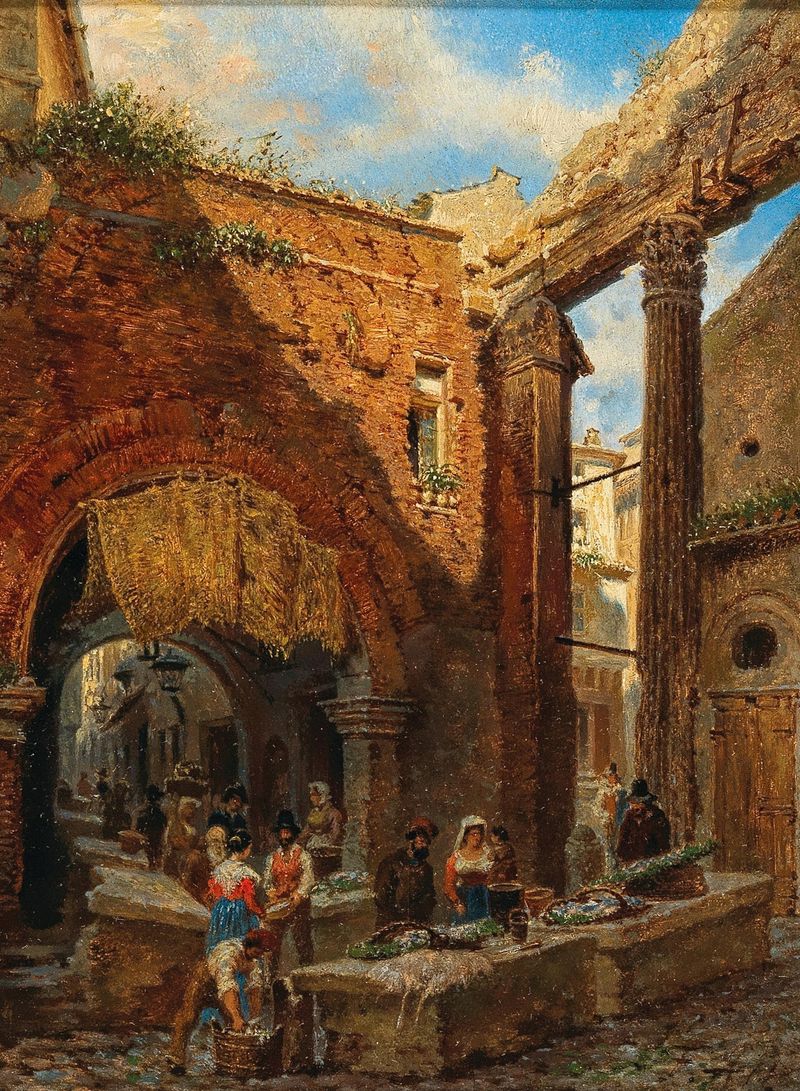
Rom Portico di Ottavia mit dem alten Fischmarkt
Franz Alt
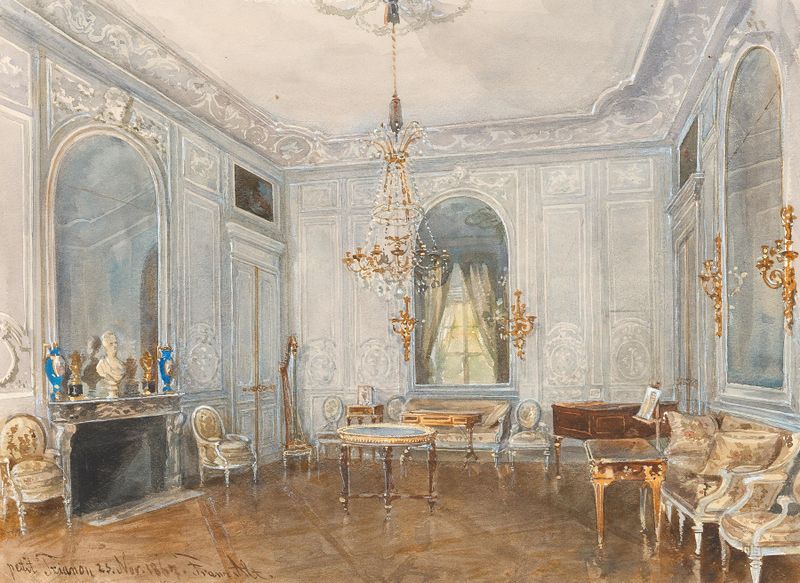
The dining room in the Petit Trianon, Versailles
Franz Alt

Blick in den Mailänder Dom
Franz Alt

Galerie d’Apollon in the Louvre, Paris
Franz Alt
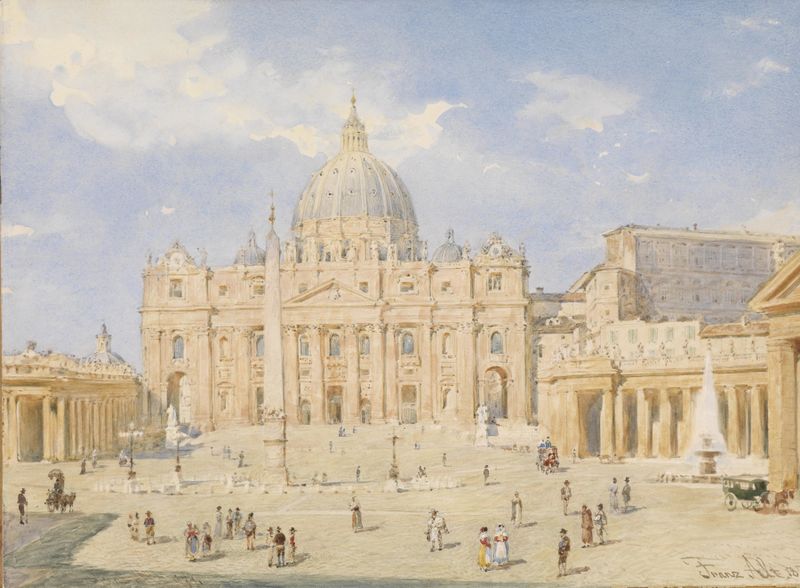
Petersplatz Rom
Franz Alt

Rome, a View of the Portico di Ottavia with the Old Fish Market
Franz Alt
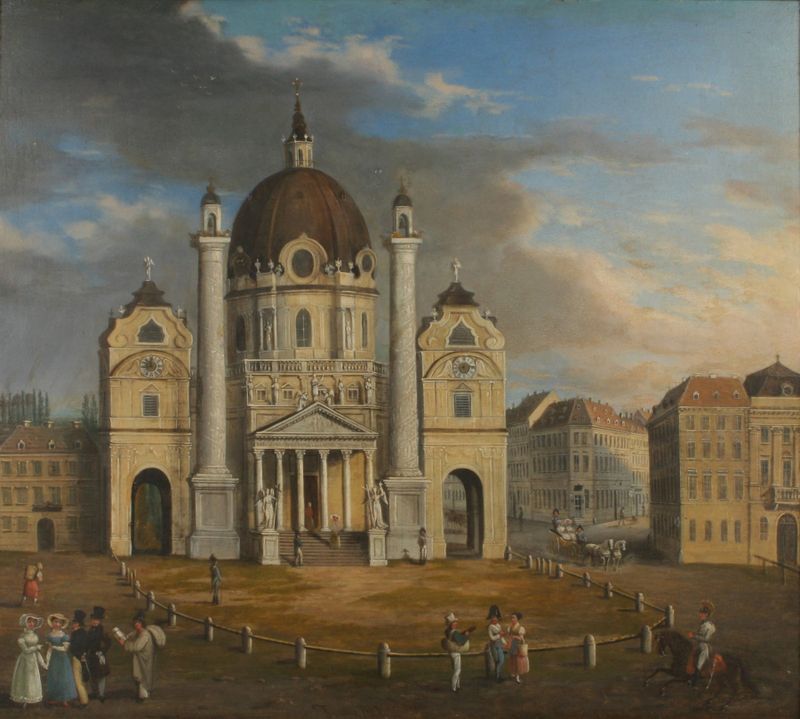
Blick auf die Karlskirche
Franz Alt

Dresden Stiege zur Brühlschen Terrasse
Franz Alt
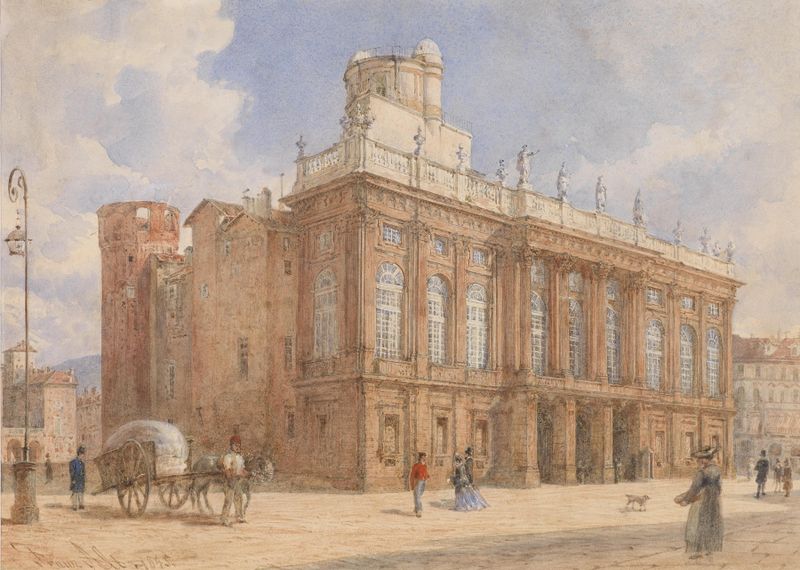
Castello Reale in Turin
Franz Alt