
Kiri no Miyajima (Miyajima in mist) — History & Facts
Did the painter know this moment would outlive them? In Kiri no Miyajima, the evanescent beauty of life is captured, a fleeting encounter with nature’s soft embrace, forever preserved in ink and color. Look to the lower left where the gentle waves lap against the shore, their rhythmic movement mirroring the tranquility of the scene. The mist envelops the iconic Itsukushima Shrine, blending it into the fog, as if it were an ethereal figment of memory rather than a physical structure. The palette of muted blues and greens creates a soothing atmosphere, while the delicate brushwork suggests a world caught between reality and illusion, pulling the viewer into a dreamlike reverie. Yet, within this serene landscape lies a deeper tension between permanence and transience.
The contrast between the solid, unwavering shrine and the ephemeral mist hints at the fleeting nature of existence. Each brushstroke bears testimony to the artist’s longing to capture not just a place, but a feeling—an oasis of calm amid the chaos of life. The interplay of light and shadow invites contemplation, whispering secrets that resonate with the soul. In 1947, Kawase Hasui painted this piece in post-war Japan, a period marked by both devastation and renewal.
As one of the leading figures in the shin-hanga movement, he sought to revitalize traditional Japanese aesthetics through modern techniques. This artwork reflects not only his commitment to capturing the ephemeral beauty of nature but also a cultural desire to reconnect with the serene landscapes that had become symbols of hope and continuity in a rapidly changing world.
More Artworks by Kawase Hasui
Browse all →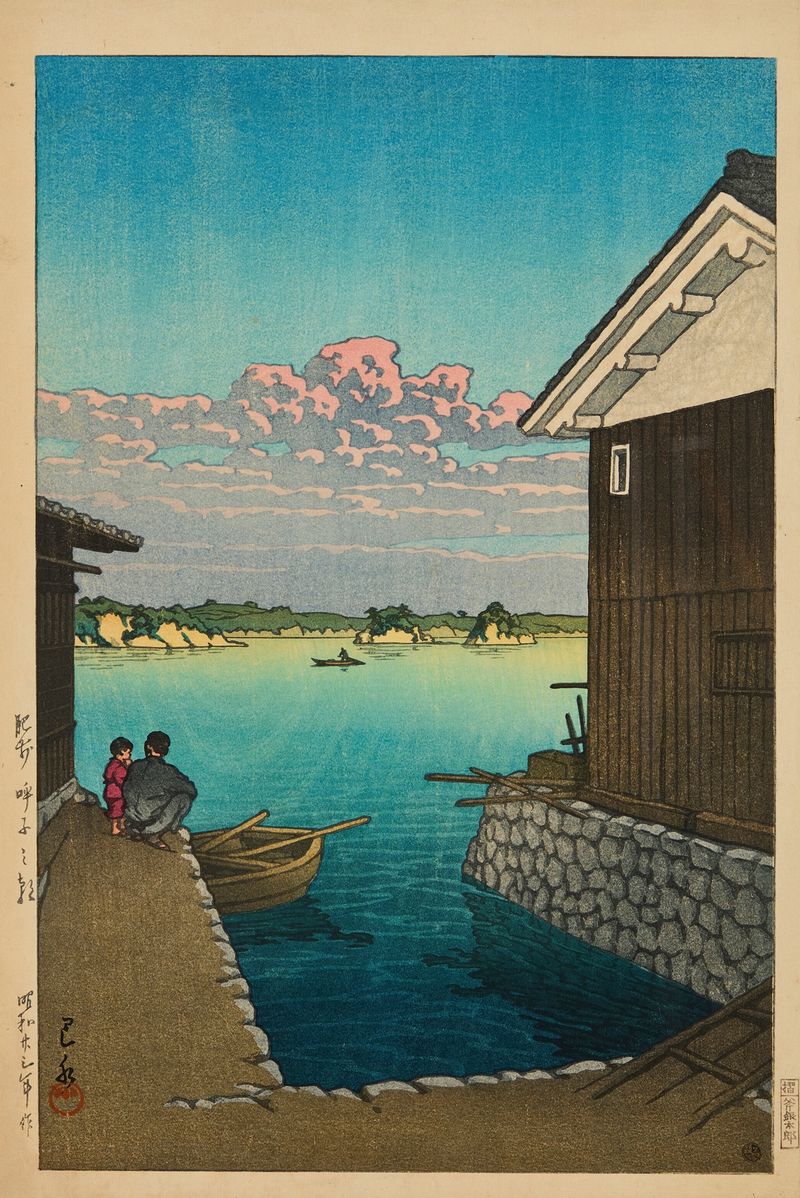
Hizen Yobuko no asa (Morning in Yobuko, Hizen)
Kawase Hasui
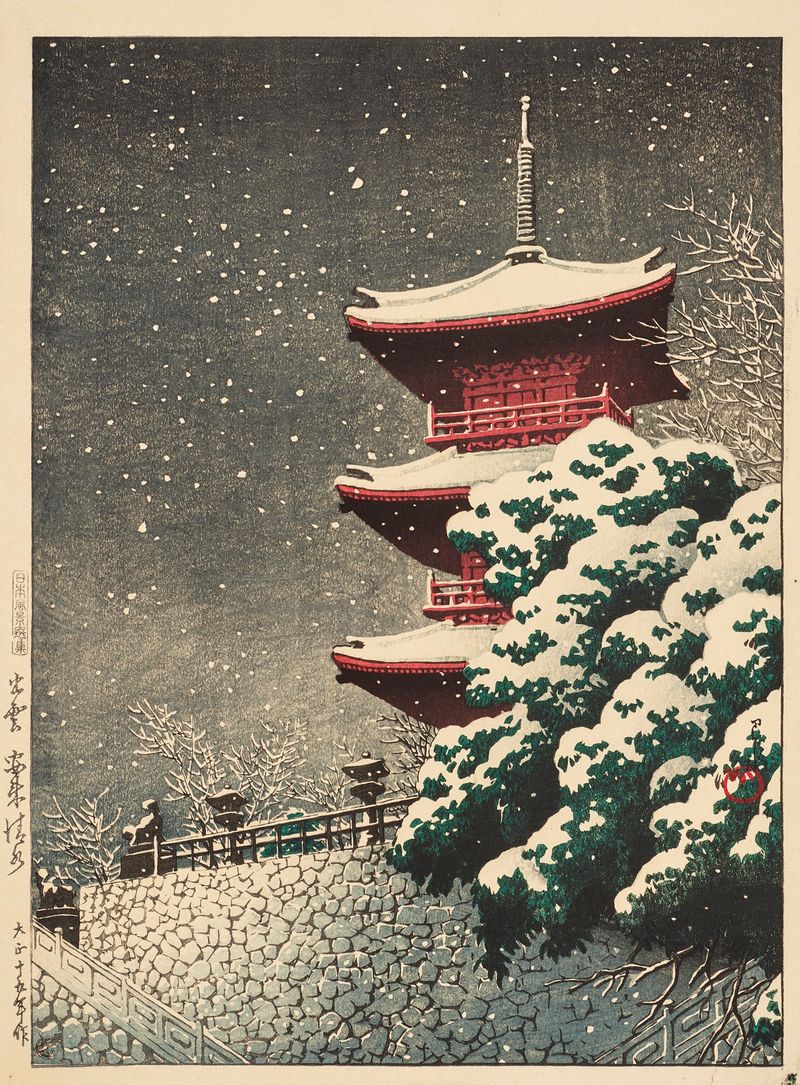
Izumo, Yasugi Kiyomizu (Yasugi Kiyomizu Temple at Izumo)
Kawase Hasui
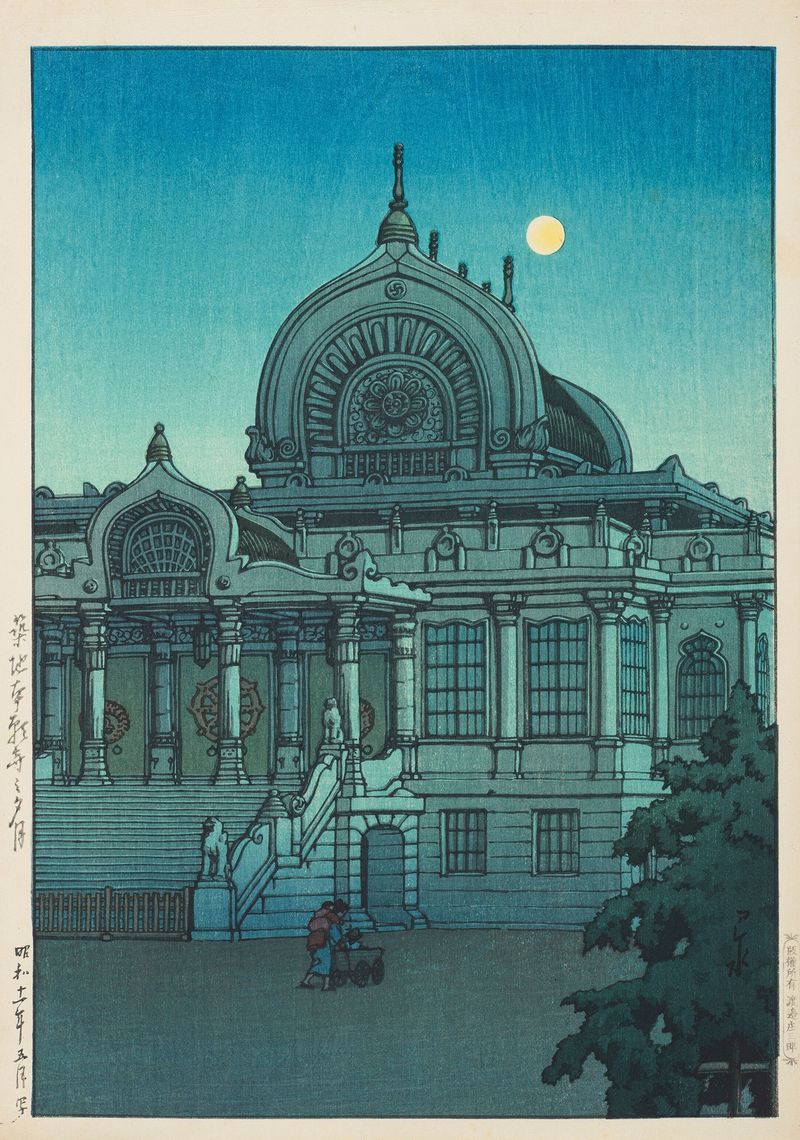
Tsukiji Honganji no yuzuki (Evening moon at Honganji Temple in Tsukiji)
Kawase Hasui
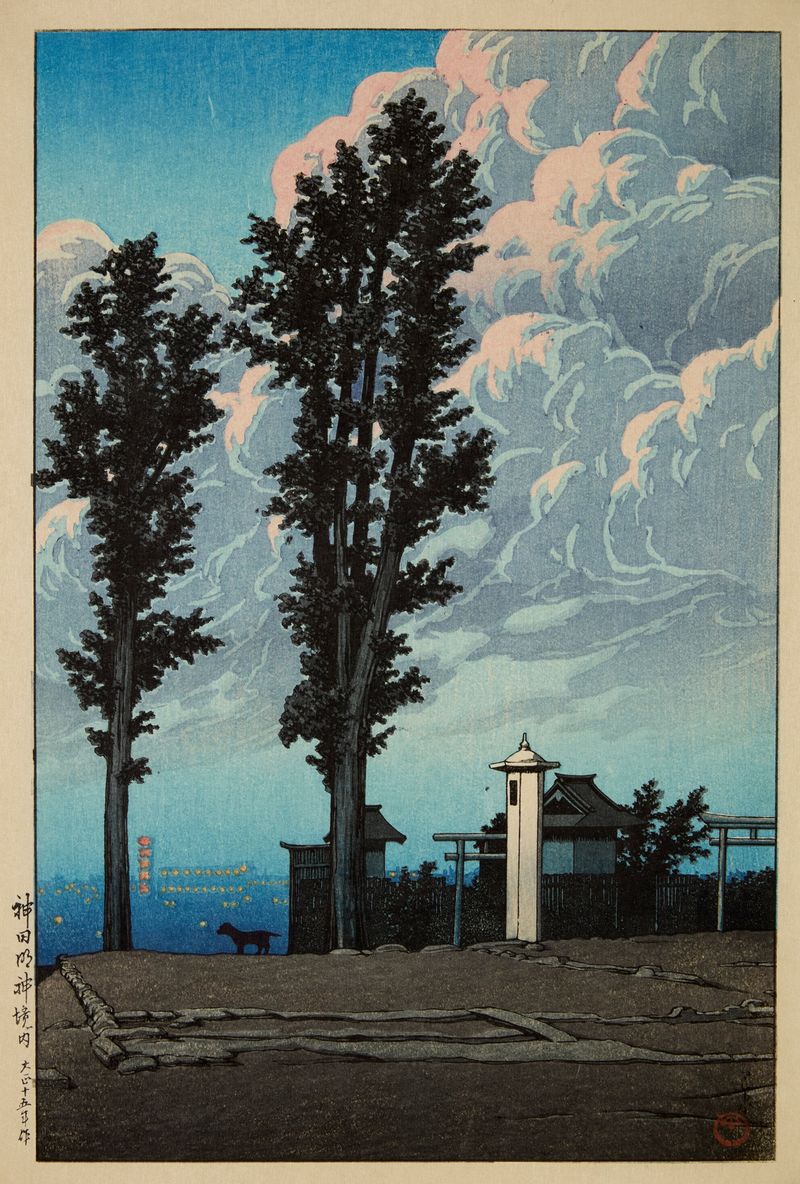
Kanda Myojin keidai (Kanda Myojin Shrine precent)
Kawase Hasui
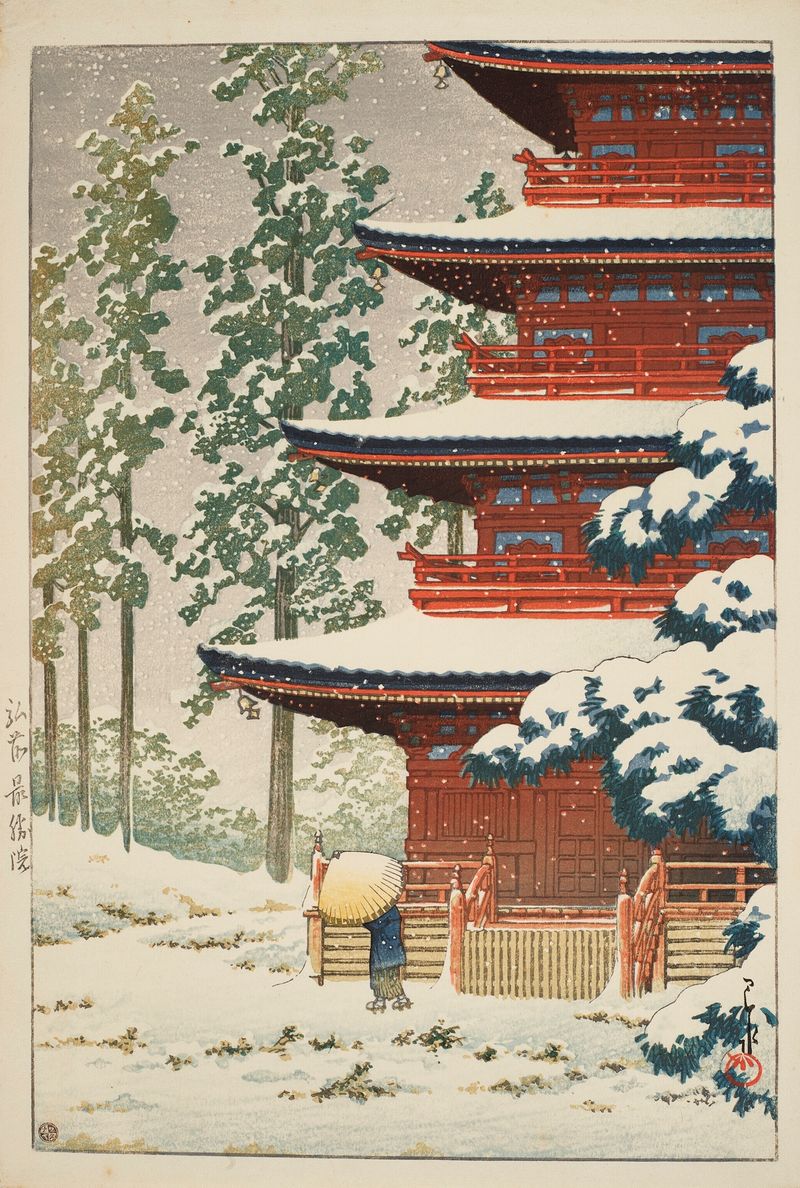
Saisho-in Temple, Hirosaki
Kawase Hasui
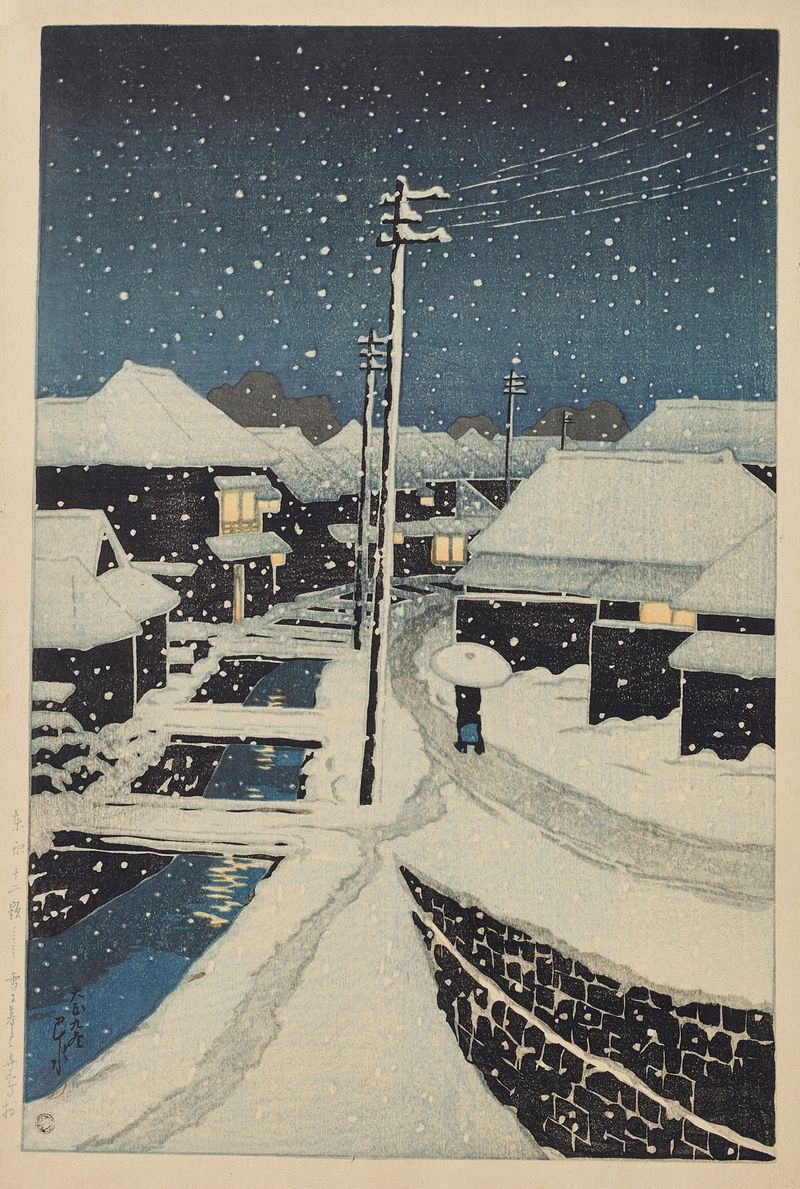
Yuki ni fururu Terajima mura (Evening snow at Terajima Village)
Kawase Hasui
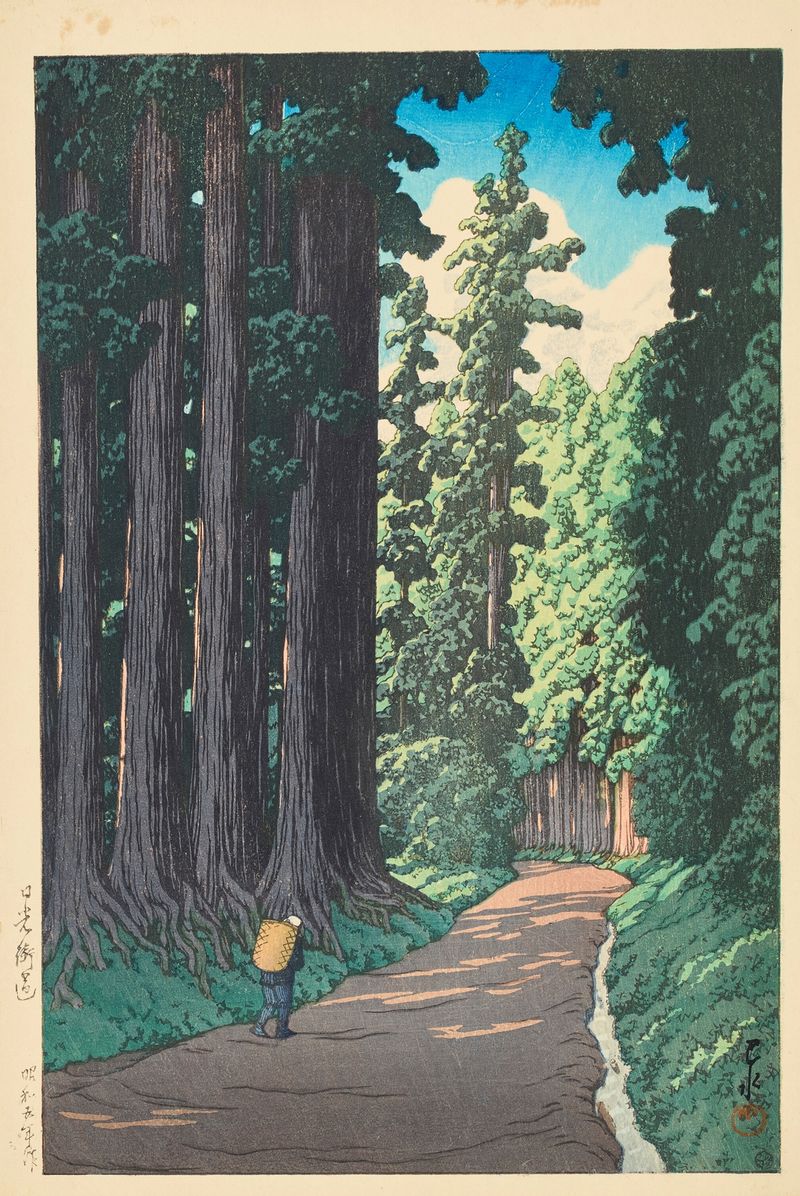
Nikko gaido (The Road to Nikko)
Kawase Hasui
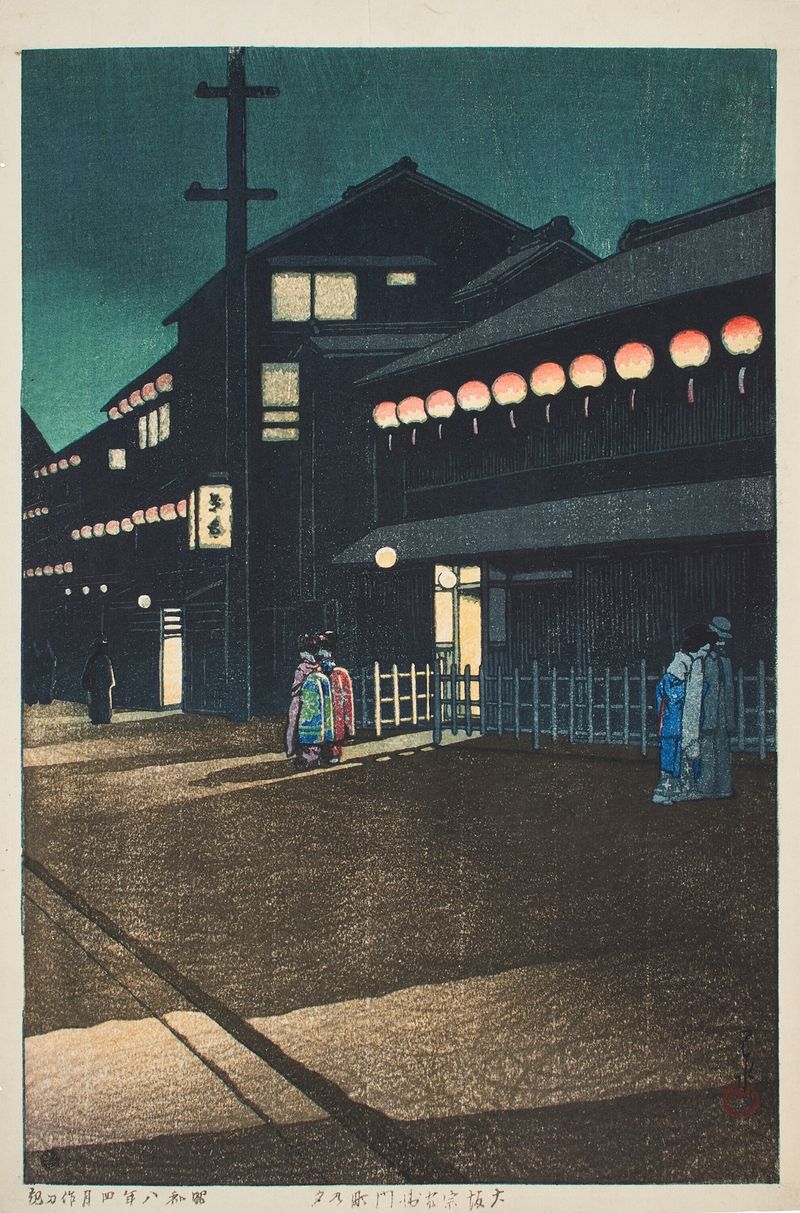
Osaka Soemon-cho no yu (Evening in Soemon-cho, Osaka)
Kawase Hasui
Autumn In Oirase
Kawase Hasui
Shinshu Kizakiko (Kizaki Lake in Shinshu)
Kawase Hasui





