
Kleine zeegezicht met een sloep — History & Facts
In a world trembling on the brink of revolution, art captures not just the visible, but the unfathomable. Look first to the tranquil horizon, where soft blues and greens converge in gentle fluidity. The sleek lines of the sloop glide effortlessly across the canvas, underscored by the meticulous detailing of its sails that flutter softly in an unseen breeze. Notice how the light filters through the clouds, casting delicate shadows that dance on the water’s surface, hinting at both serenity and the potential for upheaval lurking just beneath. As you delve deeper, consider the juxtaposition of the calm sea and the distant, abstract shapes of land that whisper of untold stories and uncharted territories.
The painting invites contemplation of exploration and the quest for freedom, as the sloop symbolizes a vessel of transition — both literal and metaphorical. Here, amidst the quietude, lies a tension of impending change, where stillness is a prelude to action. Reinier Nooms created this work between 1650 and 1664, a period marked by significant naval conflict and exploration in the Dutch Golden Age. Living in the vibrant city of Amsterdam, Nooms was influenced by the dynamic maritime culture and the burgeoning Dutch Republic's ambition.
His seascapes reflect not only the beauty of the waters but also the complexities of a society on the cusp of transformation, where art echoed the spirit of its time.
More Artworks by Reinier Nooms
Browse all →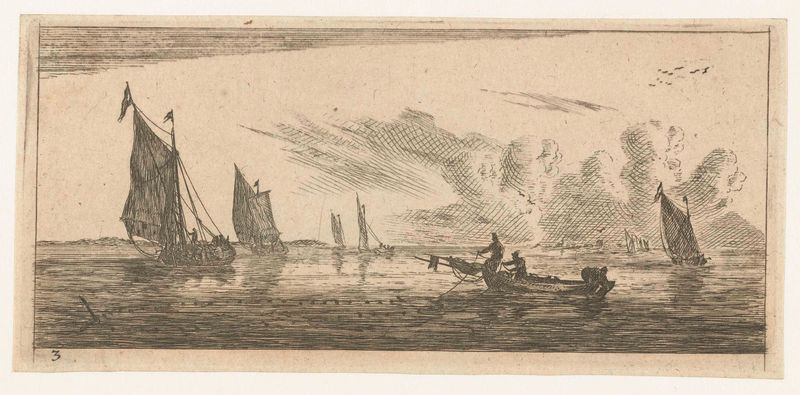
Zeegezicht met verschillende zeilschepen
Reinier Nooms
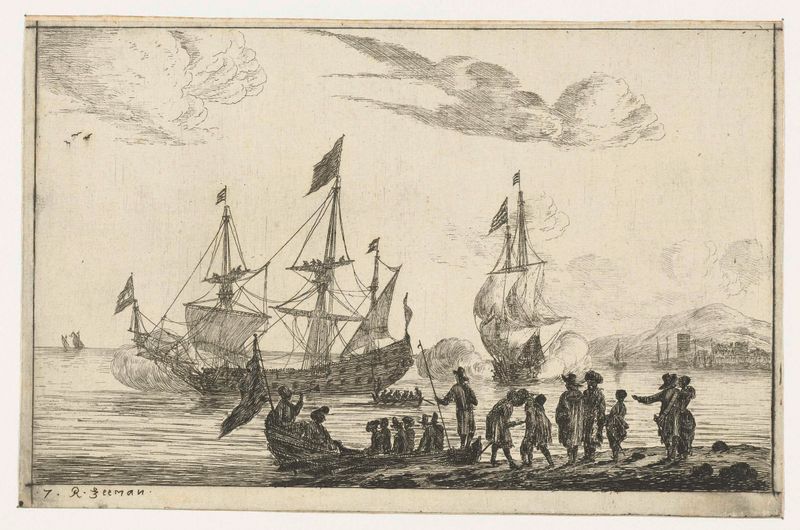
Havenscène met een spiegelsloep
Reinier Nooms
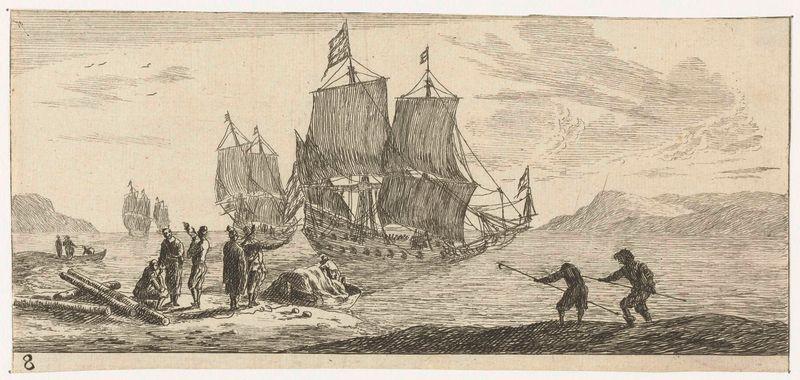
Vier grote zeilschepen in een baai
Reinier Nooms
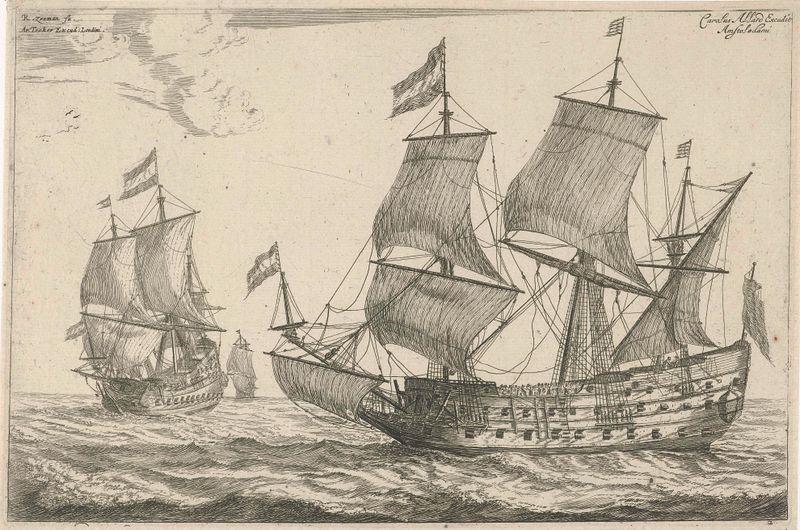
Twee grote oorlogsschepen
Reinier Nooms
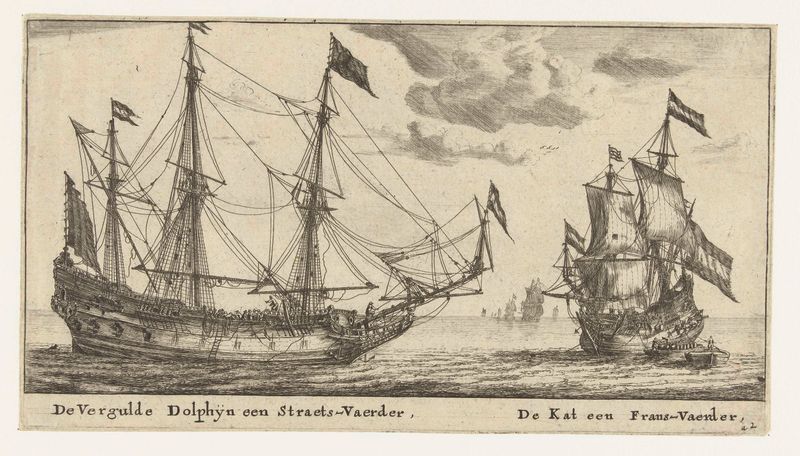
De schepen De Vergulde Dolfijn en De Kat
Reinier Nooms
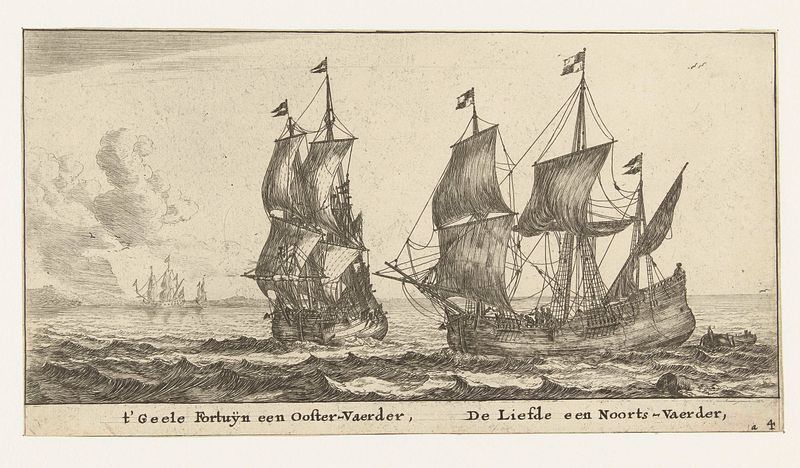
De schepen 't Gele Fortuin en De Liefde
Reinier Nooms
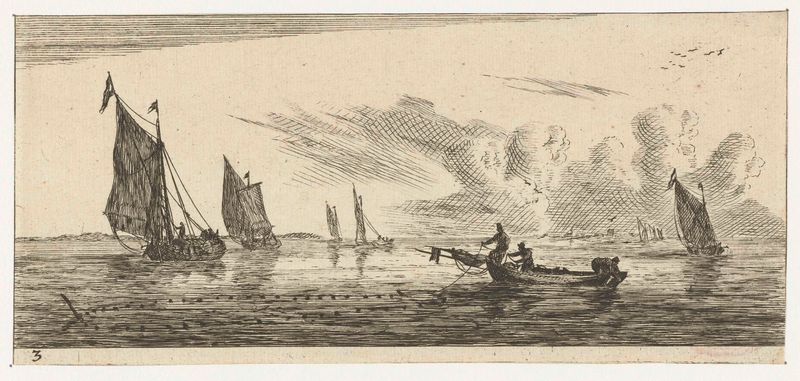
Zeegezicht met verschillende zeilschepen
Reinier Nooms
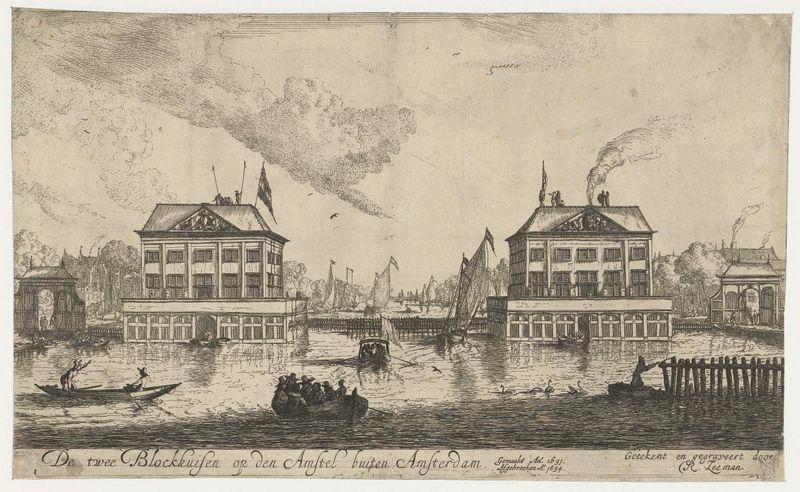
Gezicht op de twee Blokhuizen in de Amstel
Reinier Nooms
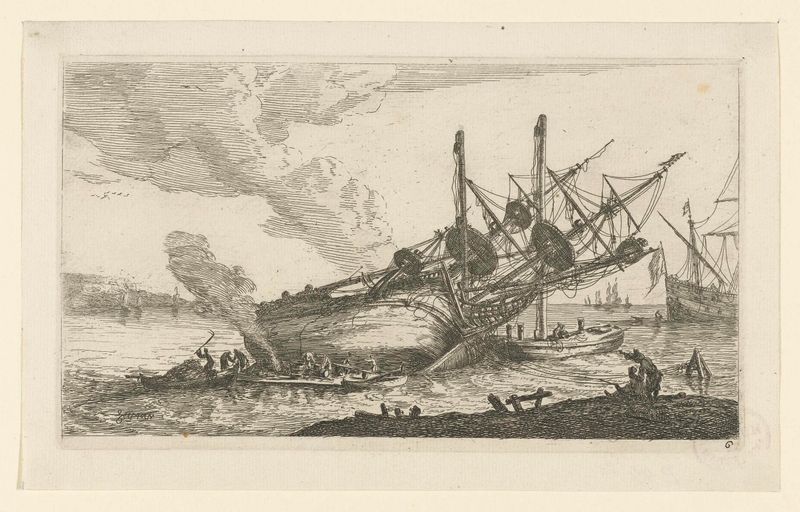
Reparaties aan de romp van een schip
Reinier Nooms
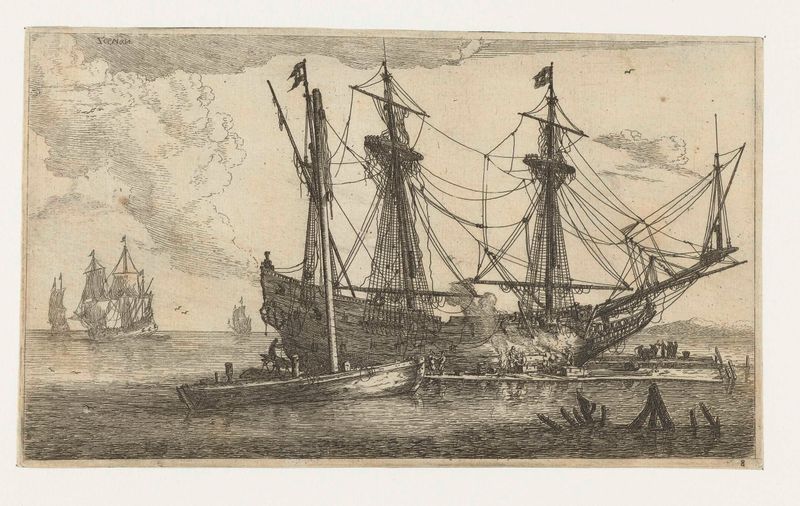
Reparaties aan de romp van een schip
Reinier Nooms





