
Komagata kashi (River bank, Komagata) — History & Facts
Could beauty survive in a century of chaos? In Komagata kashi, tranquility dances upon the surface of the water, inviting contemplation amid the swirling uncertainties of life. Look to the bottom left, where soft ripples disturb the calm of the riverbank, their gentle movement starkly juxtaposed against the serene stillness of the surrounding landscape. The delicate hues of twilight wash over the scene—blues, purples, and soft pinks blending seamlessly to create an ethereal atmosphere. Notice how the artist has masterfully employed a woodblock printing technique that captures both the fleeting moment and the enduring beauty of nature, allowing the viewer to almost hear the whisper of the wind and the distant call of a lone bird. Beneath this visual serenity lies a deeper connection to the transience of life.
The vibrant colors symbolize hope and renewal, yet the fleeting quality of the river’s surface hints at the impermanence of beauty itself. The trees that frame the scene, reaching out with their branches, evoke a sense of yearning—a desire to hold onto the moments that inevitably slip away, reflecting the artist's understanding of life’s duality between stillness and movement. In 1919, Kawase Hasui painted Komagata kashi during a period of significant transition in Japan, as the country grappled with the aftermath of World War I. This era marked a shift in artistic expression, with an emphasis on traditional forms of beauty amidst modern challenges.
Hasui, one of the leading figures in the shin-hanga movement, sought to bridge the old and new, capturing the essence of Japanese landscapes while revitalizing them for contemporary audiences.
More Artworks by Kawase Hasui
Browse all →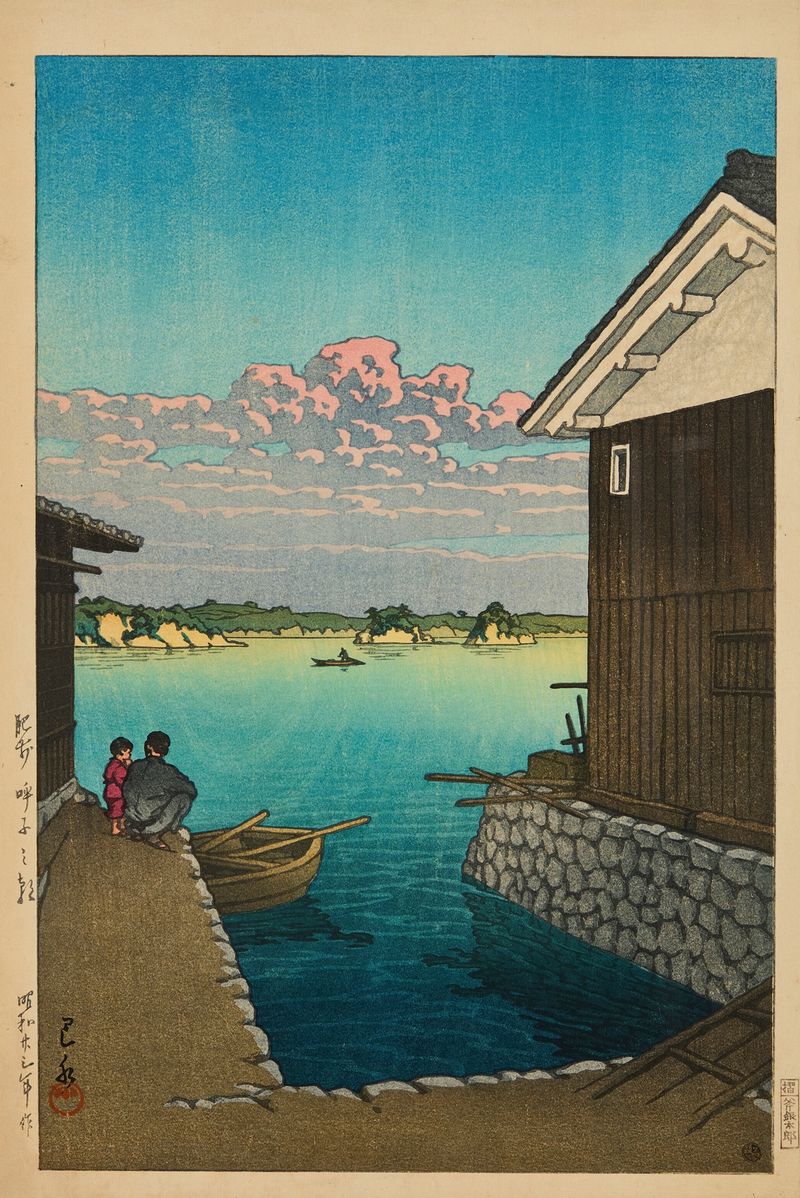
Hizen Yobuko no asa (Morning in Yobuko, Hizen)
Kawase Hasui
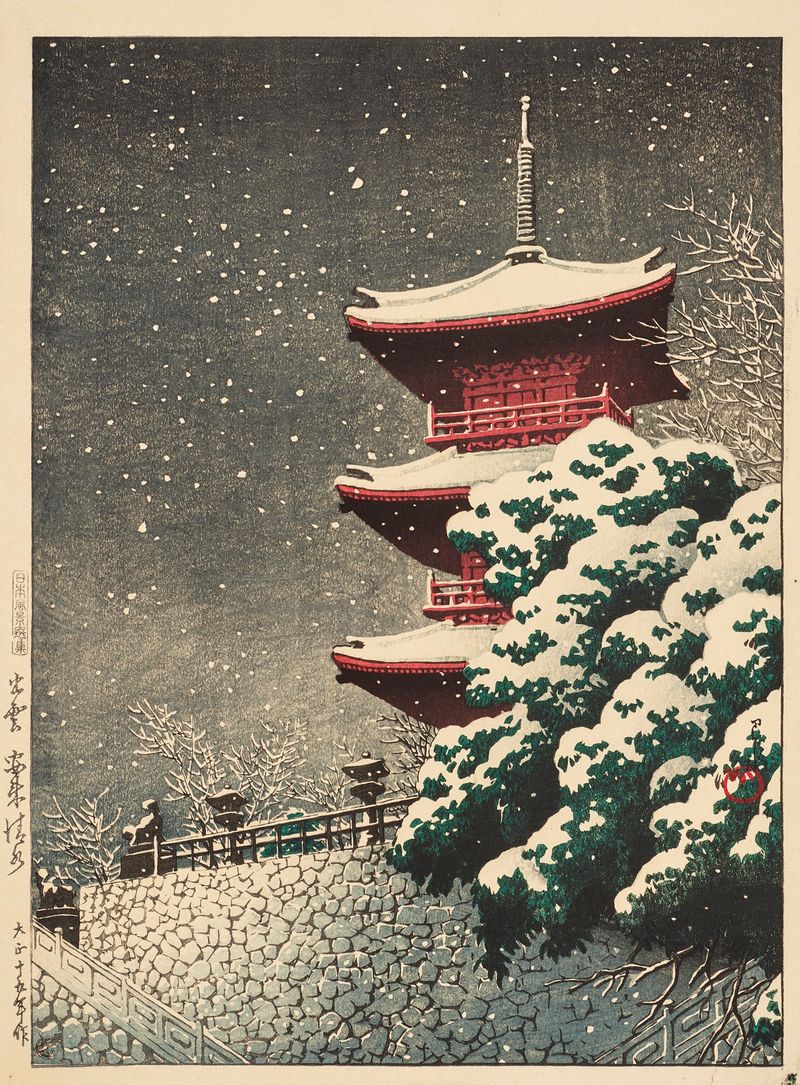
Izumo, Yasugi Kiyomizu (Yasugi Kiyomizu Temple at Izumo)
Kawase Hasui
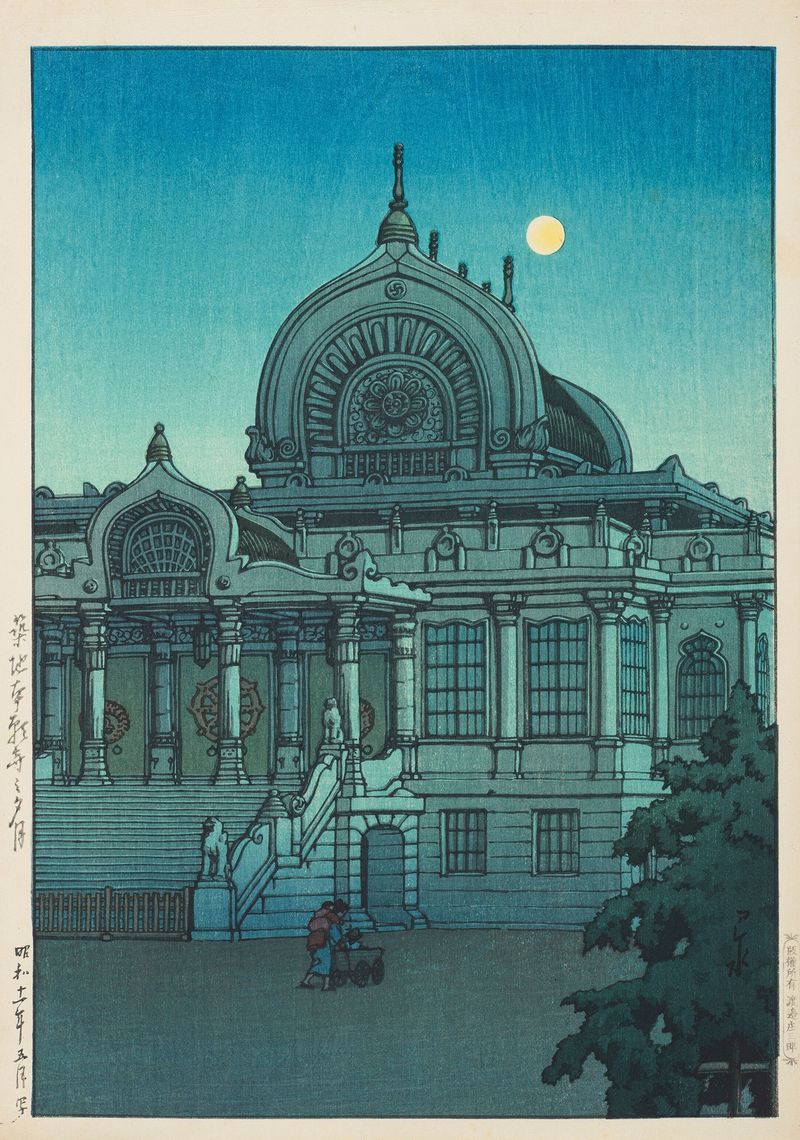
Tsukiji Honganji no yuzuki (Evening moon at Honganji Temple in Tsukiji)
Kawase Hasui
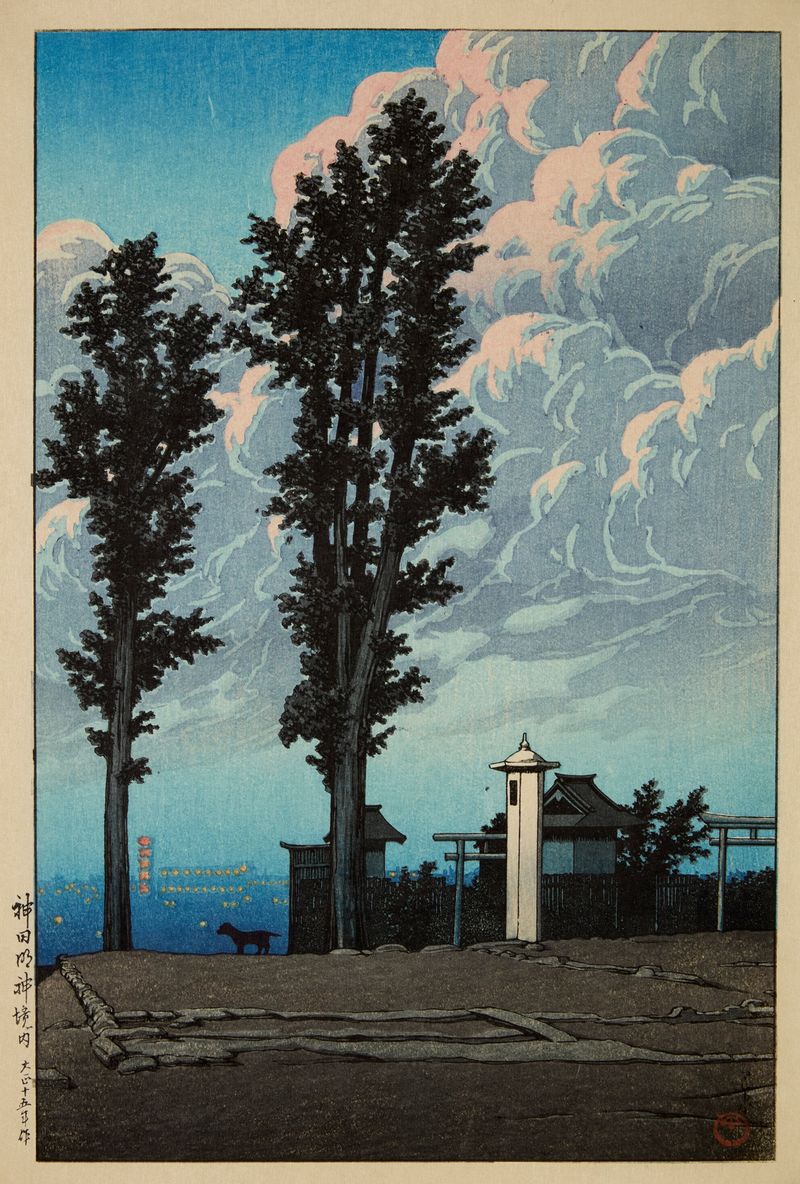
Kanda Myojin keidai (Kanda Myojin Shrine precent)
Kawase Hasui
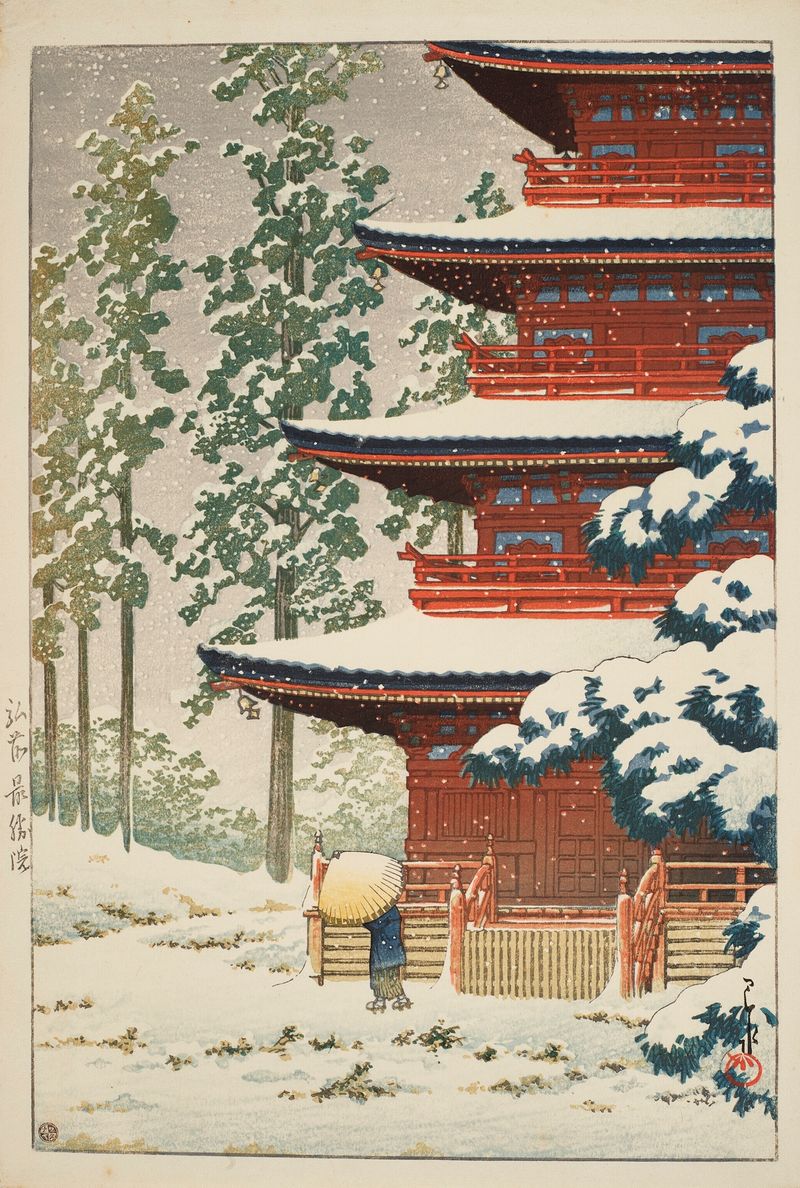
Saisho-in Temple, Hirosaki
Kawase Hasui
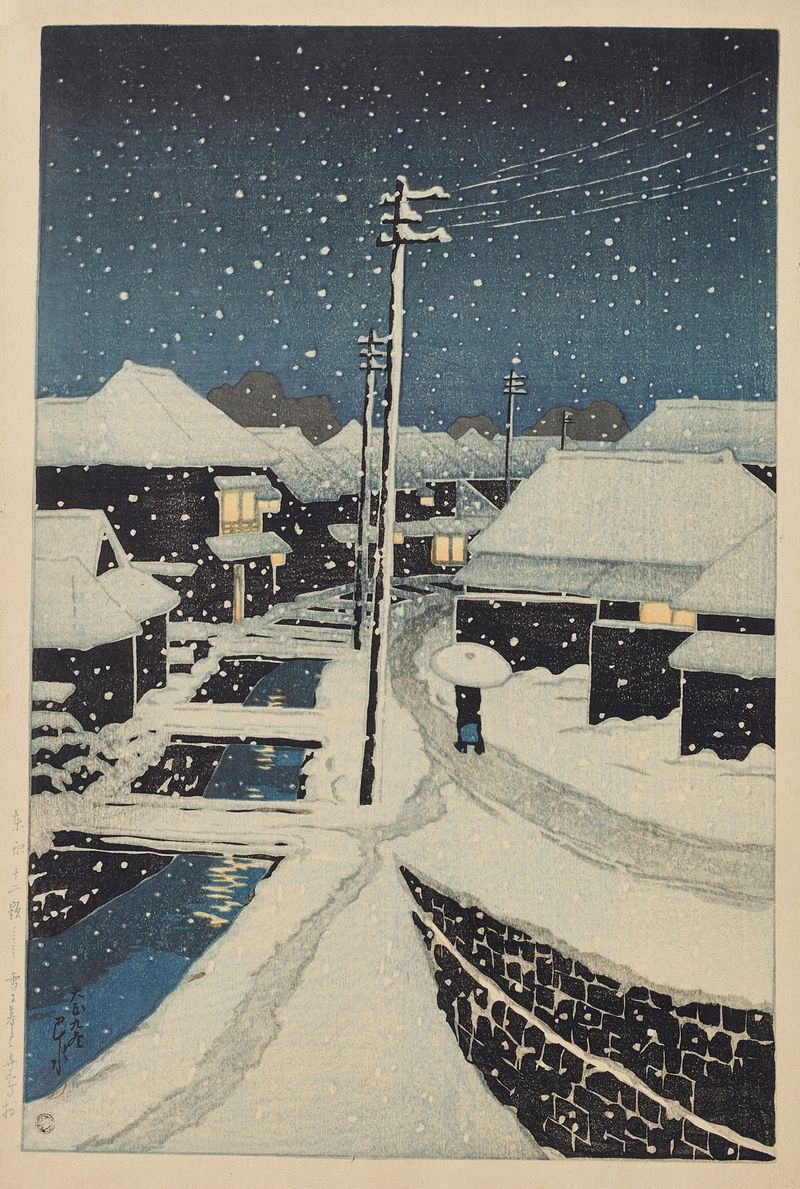
Yuki ni fururu Terajima mura (Evening snow at Terajima Village)
Kawase Hasui
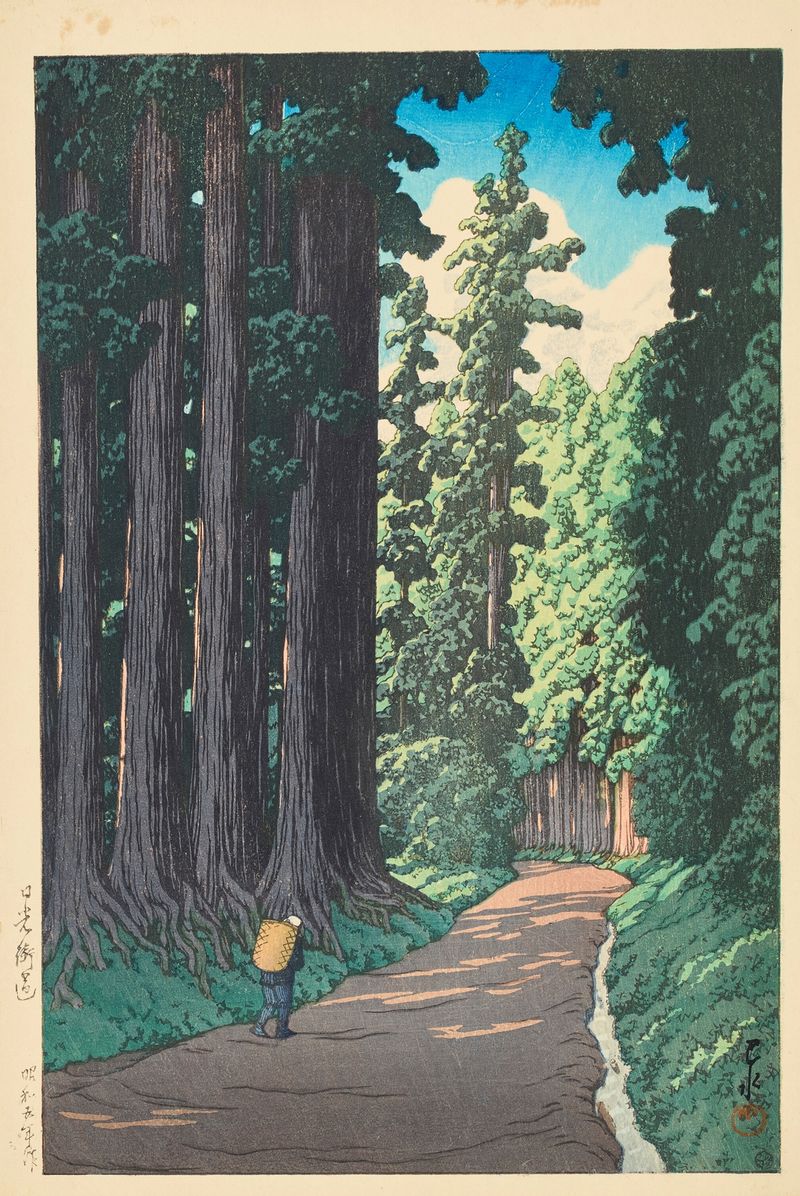
Nikko gaido (The Road to Nikko)
Kawase Hasui
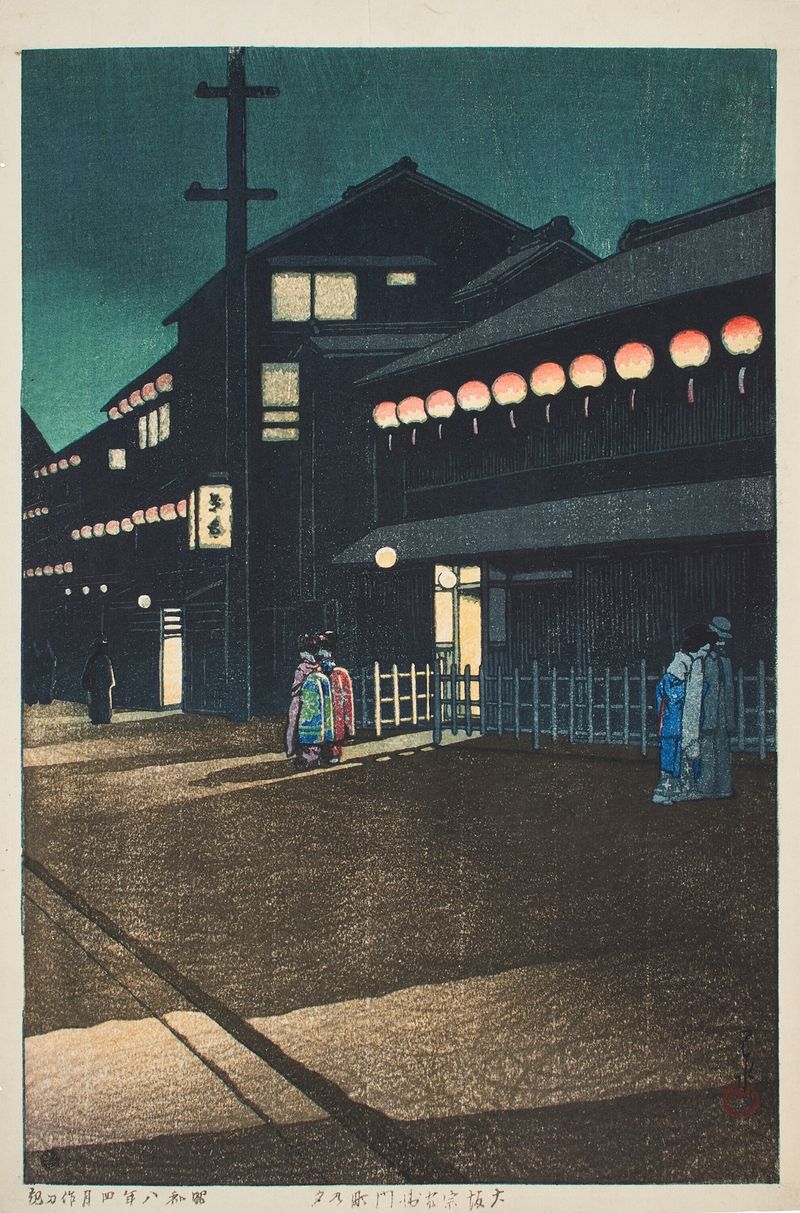
Osaka Soemon-cho no yu (Evening in Soemon-cho, Osaka)
Kawase Hasui
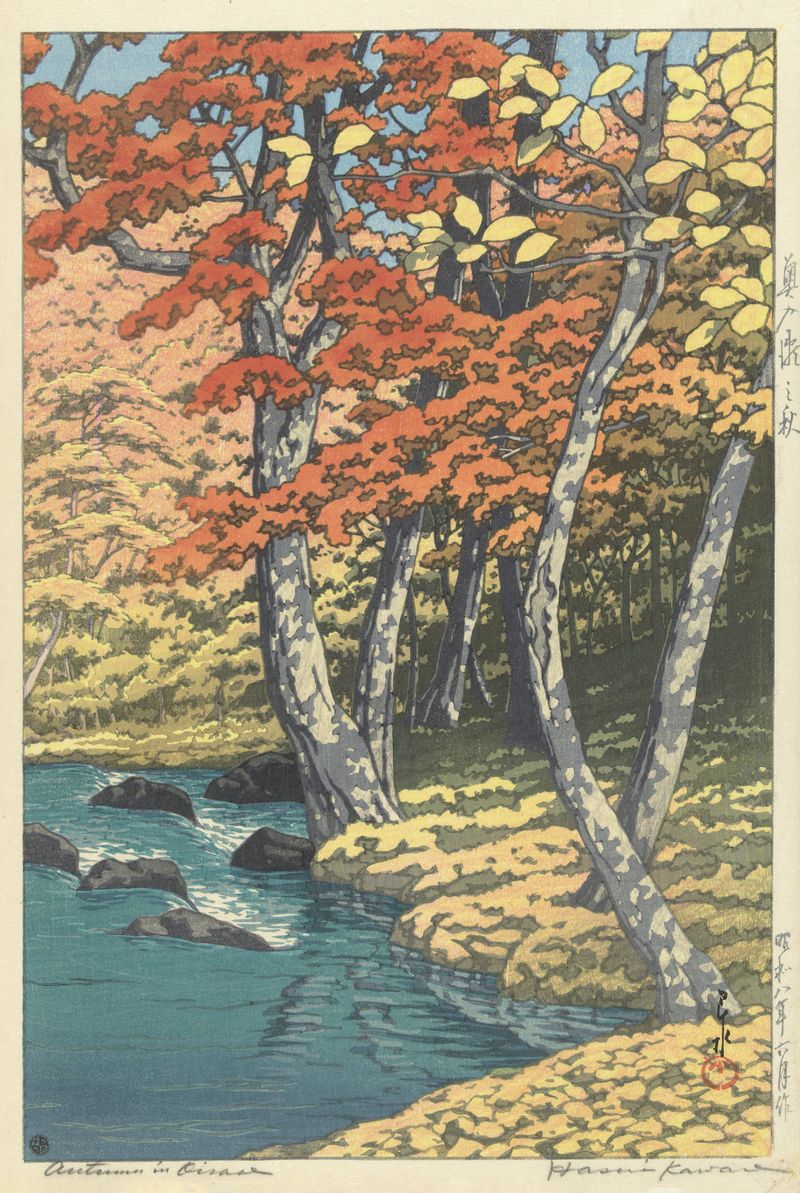
Autumn In Oirase
Kawase Hasui
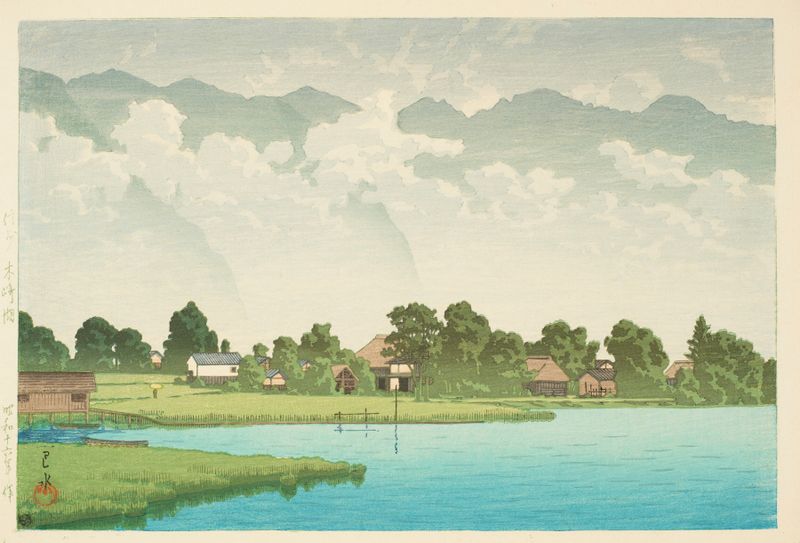
Shinshu Kizakiko (Kizaki Lake in Shinshu)
Kawase Hasui





