
Koppen van een kale man en vrouw met tulband — History & Facts
Did the painter know this moment would outlive them? The serene gazes of two figures, captured in time, compel us to ponder the permanence of human expression against the relentless march of history. Focus on the intricate details of the heads depicted in Koppen van een kale man en vrouw met tulband. Notice how the light delicately traces the contours of their shaven heads, highlighting a profound stillness that contrasts with the elaborate folds of their turbans. Each element, from the subtle texture of the skin to the vibrant fabric, is rendered with exceptional precision, drawing you into the intimacy of their shared existence.
The muted color palette evokes a sense of contemplative tranquility, inviting you to linger in the space between them. As you immerse yourself in the artwork, the contrasts begin to emerge: the richness of the turbans against the starkness of their scalps, life intertwined with tradition, and the silent story of identity etched in every line of their faces. The positioning of the figures suggests a unity that transcends individuality, as if they share a profound understanding, echoing the human experience — a fleeting moment captured in the permanence of the canvas. Wenceslaus Hollar created this piece in 1645, during his time in Amsterdam, a city rich with cultural exchange and artistic evolution. Having fled from the turmoil of the Thirty Years' War, his works reflected the intersection of diverse influences.
This piece stands as a testament to Hollar's ability to blend meticulous detail with evocative portrayal, capturing the essence of his subjects amidst a period of transformation in the art world.
More Artworks by Wenceslaus Hollar
Browse all →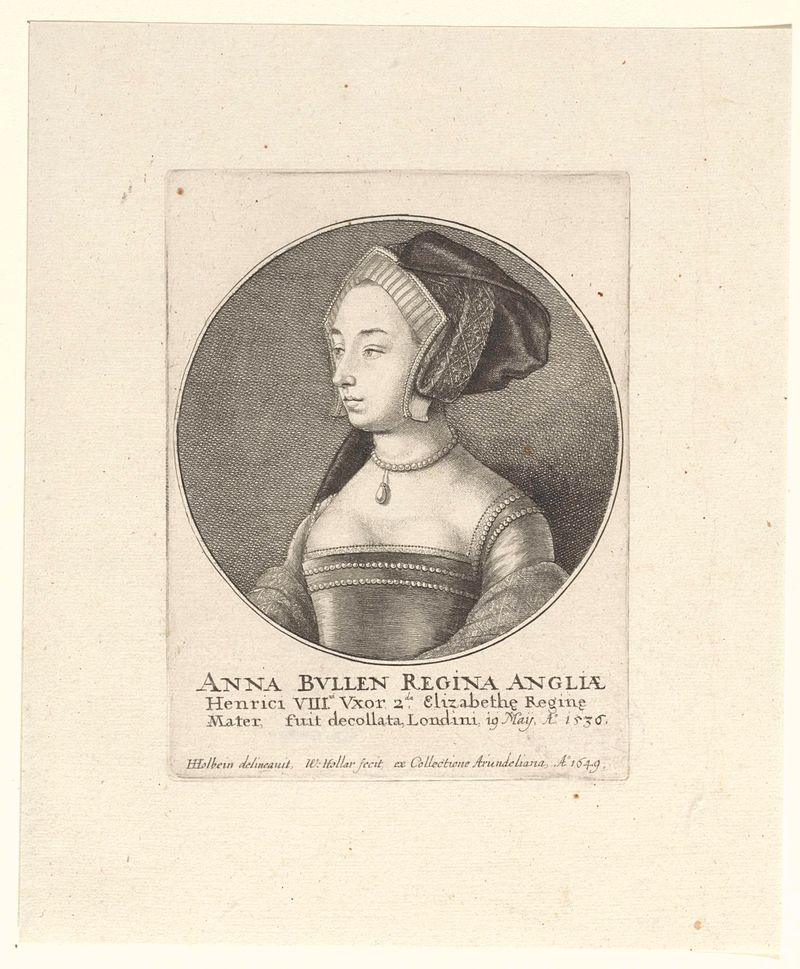
Portret van Anna Boleyn, koningin van Engeland
Wenceslaus Hollar
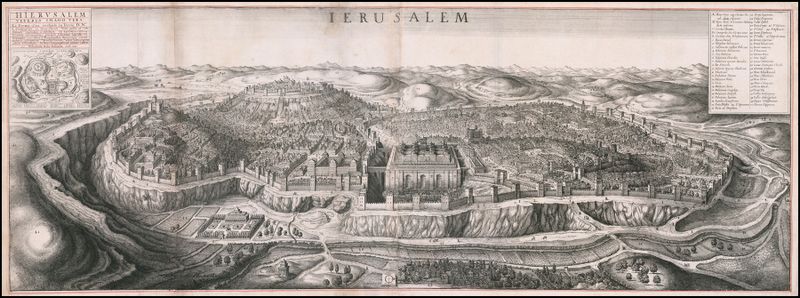
Bird’s eye view of Jerusalem
Wenceslaus Hollar
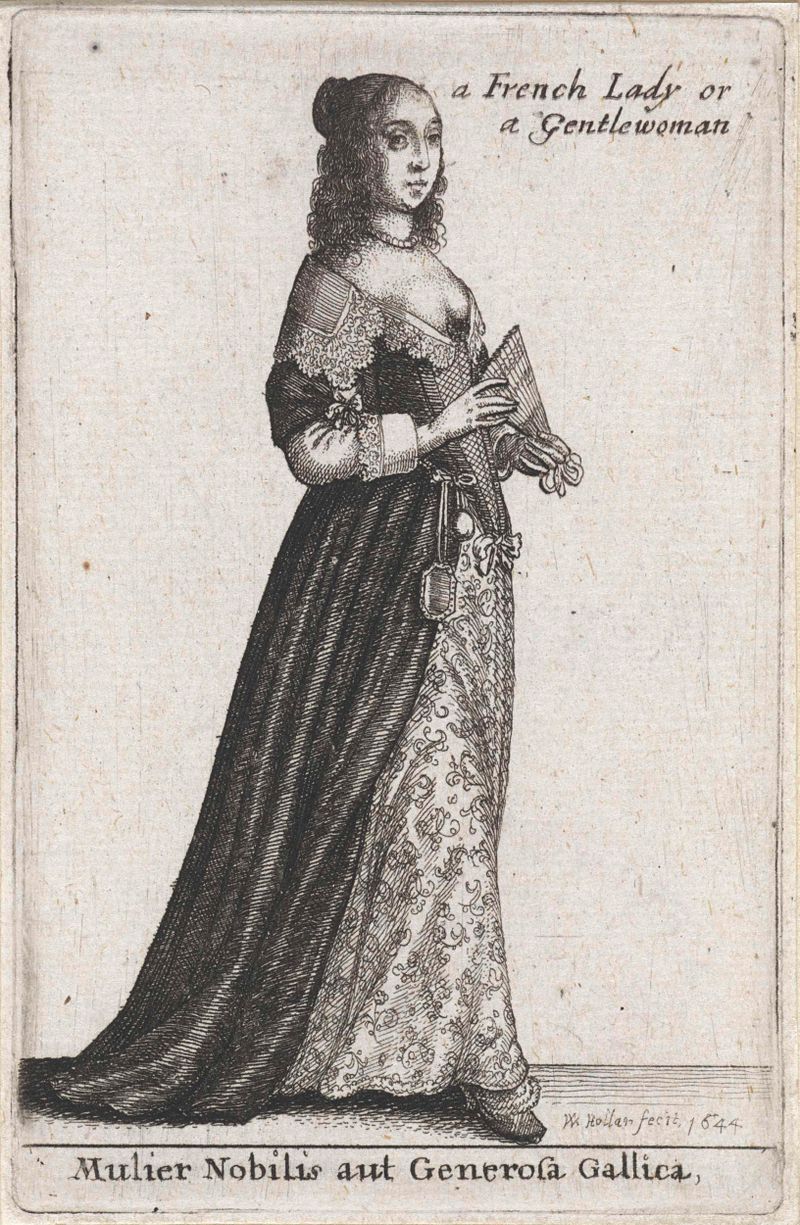
Mulier Nobilis aut Generosa Gallica / a French Lady or Gentlewoman
Wenceslaus Hollar
Titelprent voor: Ornatus Muliebris Anglicanus
Wenceslaus Hollar
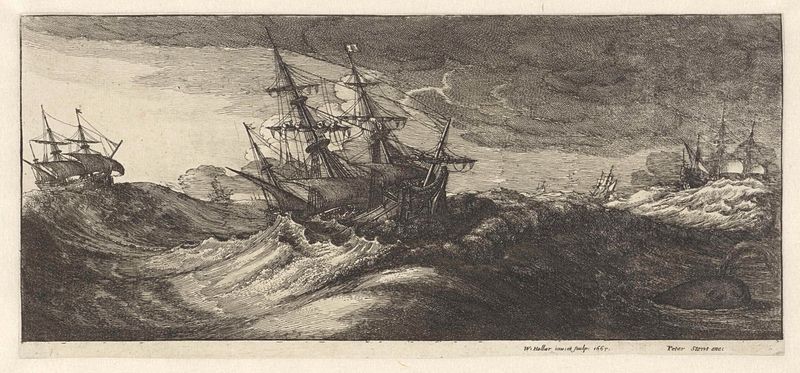
Oorlogsschepen en een walvis in een zeestorm
Wenceslaus Hollar
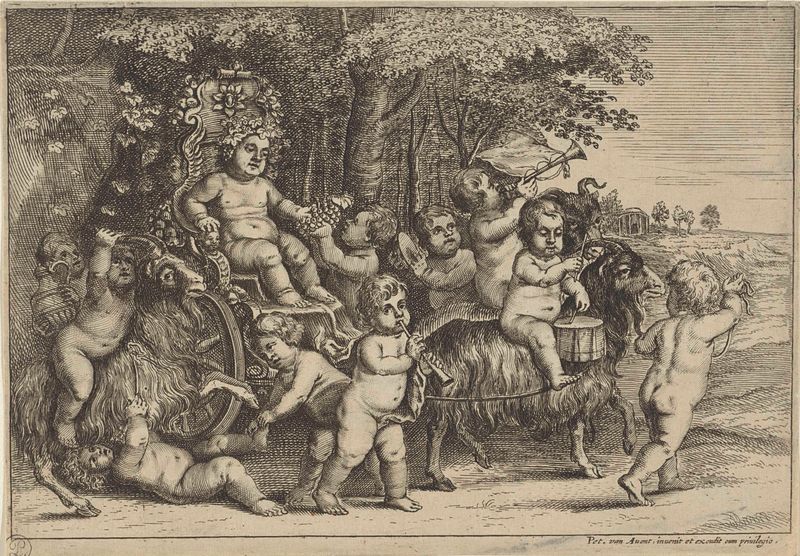
Optocht van bacchant en jongetjes op geiten
Wenceslaus Hollar
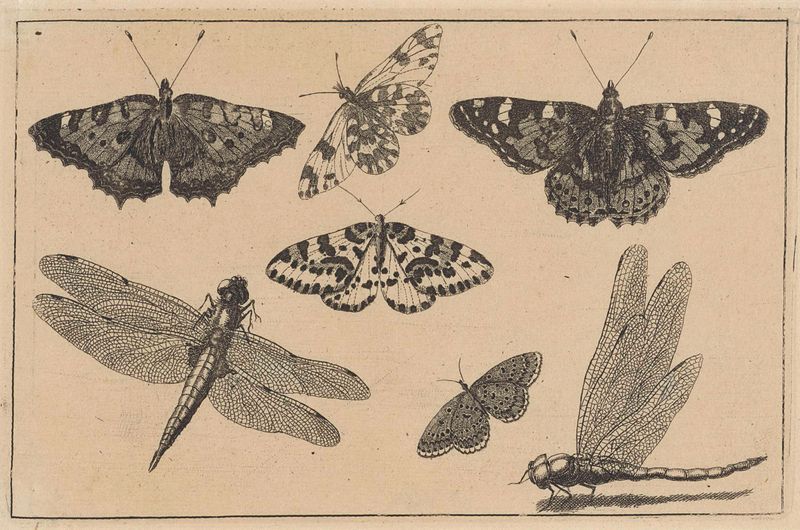
Twee libellen en vijf vlinders
Wenceslaus Hollar
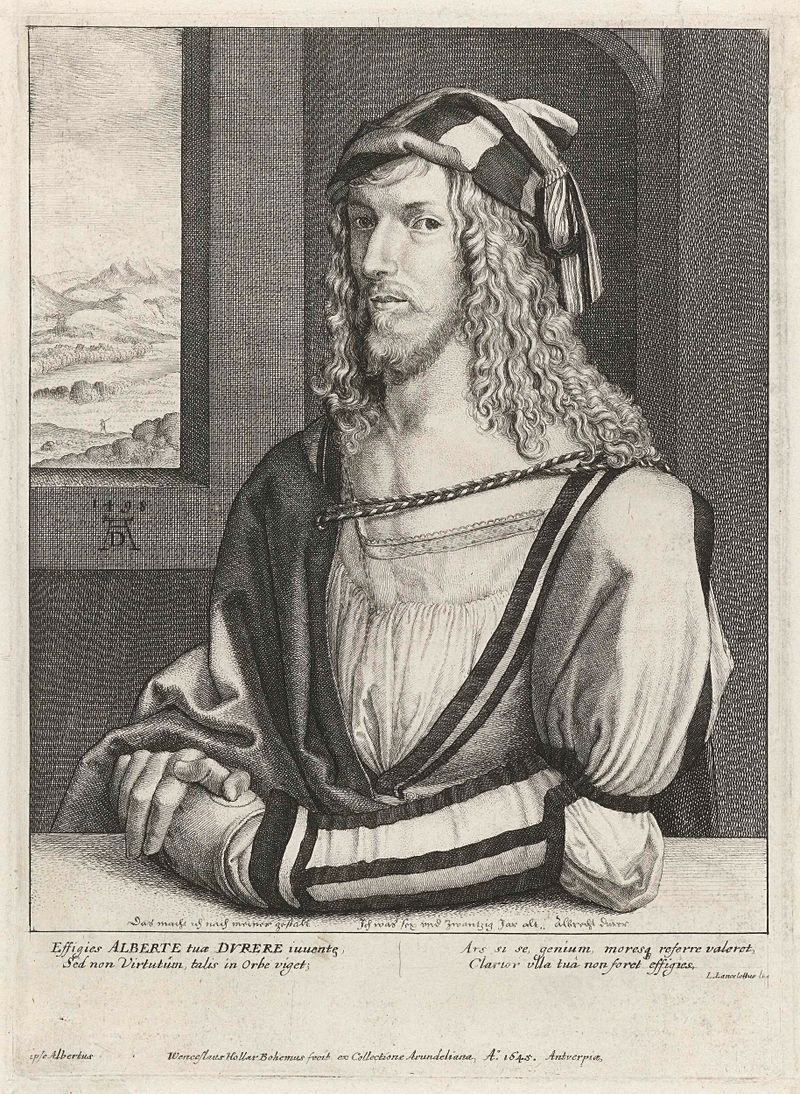
Portret van Albrecht Dürer
Wenceslaus Hollar
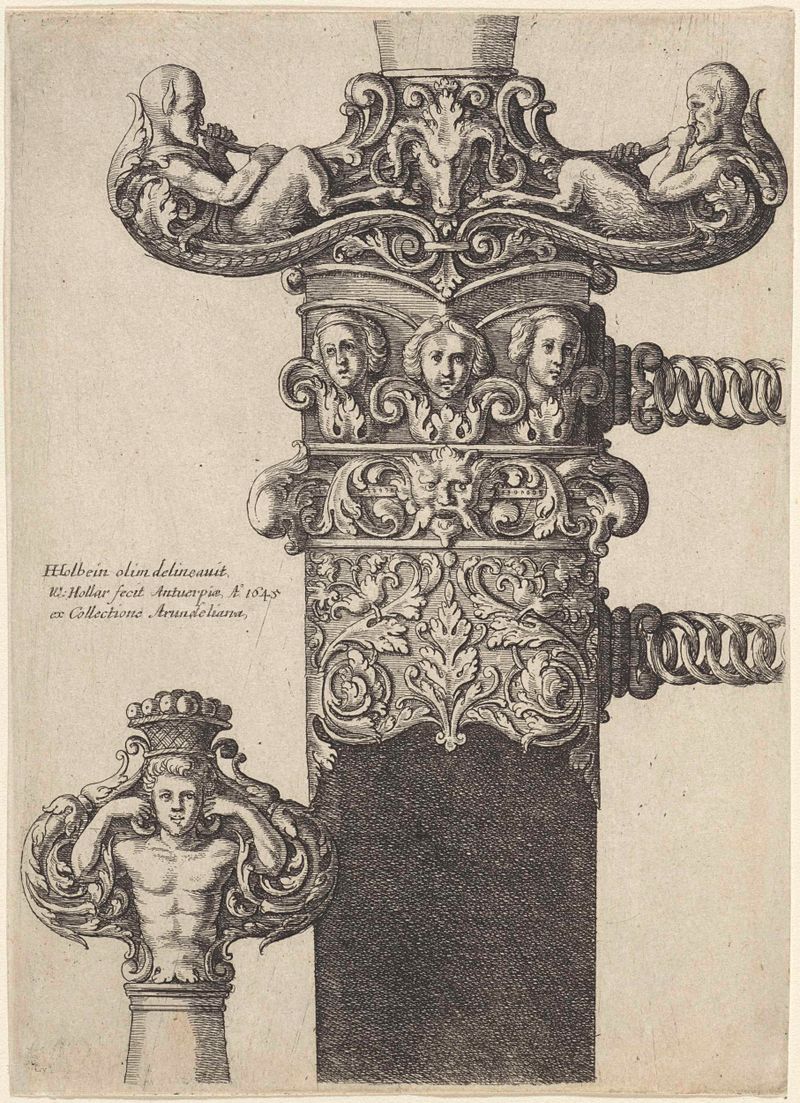
Ornamenteel ontwerp voor een dolk
Wenceslaus Hollar
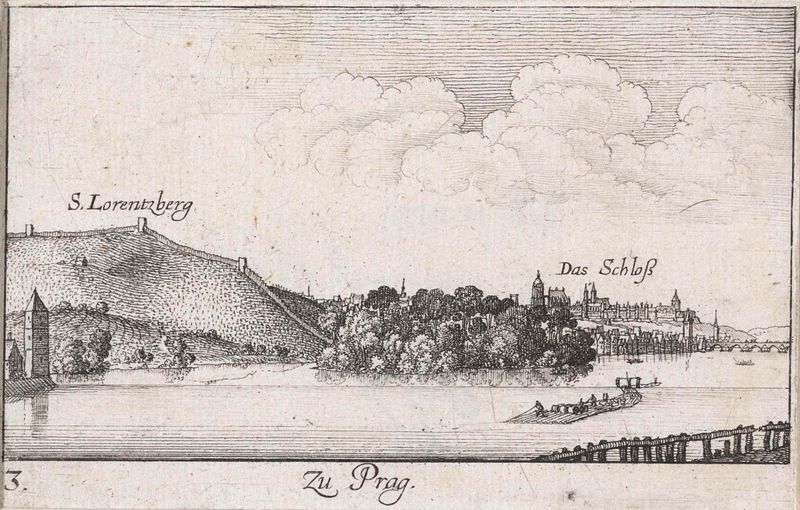
Gezicht op Praag vanaf de Moldau
Wenceslaus Hollar
More Portrait Art
Browse all →
Las meninas
Diego Velázquez

Self-portrait with a Bandaged Ear and Pipe
Unidentified artist

Girl with a Pearl Earring
Johannes Vermeer

The Sampling Officials of the Amsterdam Drapers’ Guild, Known as ‘The Syndics’
Rembrandt van Rijn

The Hundred Guilder Print: the man seen on the back in the lower left corner
Rembrandt van Rijn

Portrait of Dr Gachet
Vincent van Gogh