
Kruisafname — History & Facts
In the dim light of introspection, color becomes the vessel of deep emotion, whispering secrets that words can’t convey. Each hue in a painting is a heartbeat, a pulse of life that resonates with the viewer’s experience. Look to the rich, earthy tones in the foreground of Kruisafname, where the figures gather with solemn reverence. Notice how the browns and muted reds intertwine, grounding the scene in sorrow and gravitas.
The soft, diffused light bathes the characters, highlighting their expressions—each face is a study in grief, illuminated against the backdrop of a world heavy with loss. Your gaze naturally moves to the central figure, the lifeless body, surrounded by the mourners, whose gestures are both tender and despairing. Within the composition, contrast plays a pivotal role. The dark, foreboding sky looms above, symbolizing the weight of despair, yet the warmth of the earthly tones evokes a sense of humanity and connection.
The tension between light and shadow reflects the struggle between hope and hopelessness—every brushstroke reveals a fight against the void. The arrangement of figures around the cross embodies a communal grief, suggesting that shared sorrow can be both a burden and a source of strength. In 1640, Wenceslaus Hollar found himself in a tumultuous Europe, having fled the political upheaval of the Thirty Years' War. Living in England at the time, he was part of a vibrant yet challenging art scene, where his mastery of etching distinguished him amidst his contemporaries.
Kruisafname stands as a testament to his ability to blend profound emotion with technical skill, encapsulating a moment of collective pain that echoes across the centuries.
More Artworks by Wenceslaus Hollar
Browse all →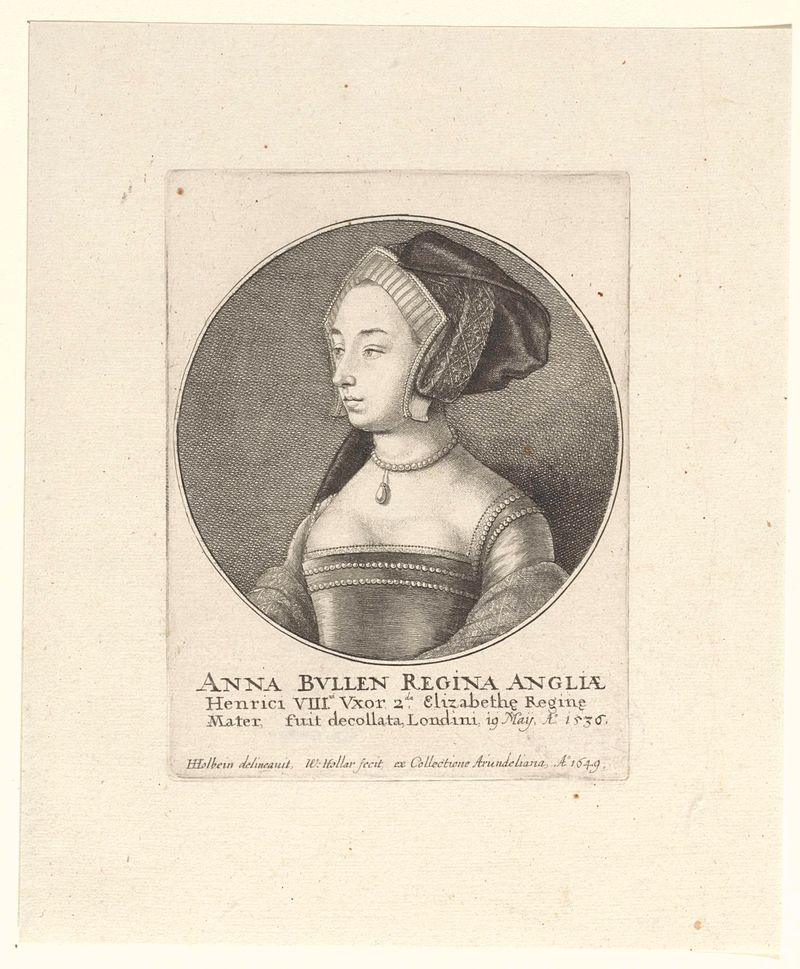
Portret van Anna Boleyn, koningin van Engeland
Wenceslaus Hollar
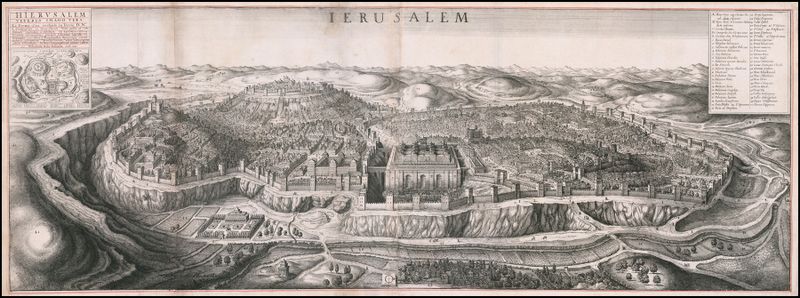
Bird’s eye view of Jerusalem
Wenceslaus Hollar
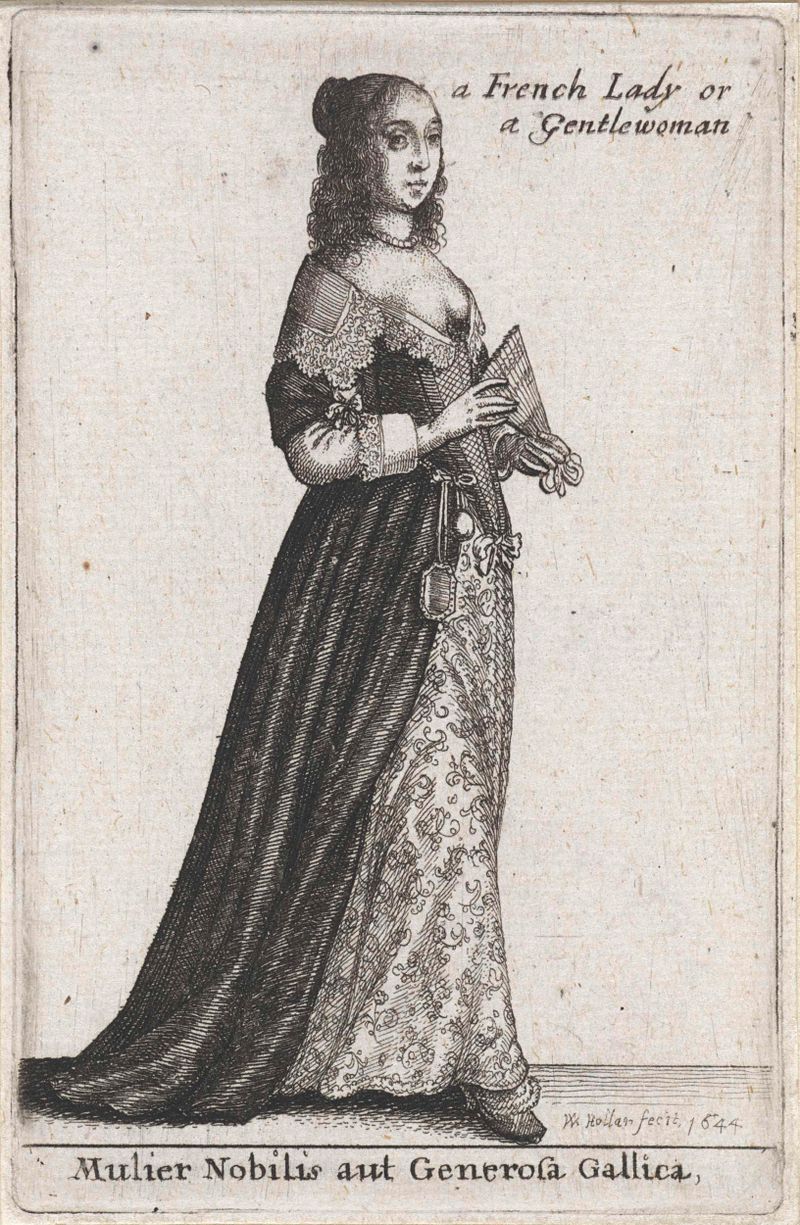
Mulier Nobilis aut Generosa Gallica / a French Lady or Gentlewoman
Wenceslaus Hollar
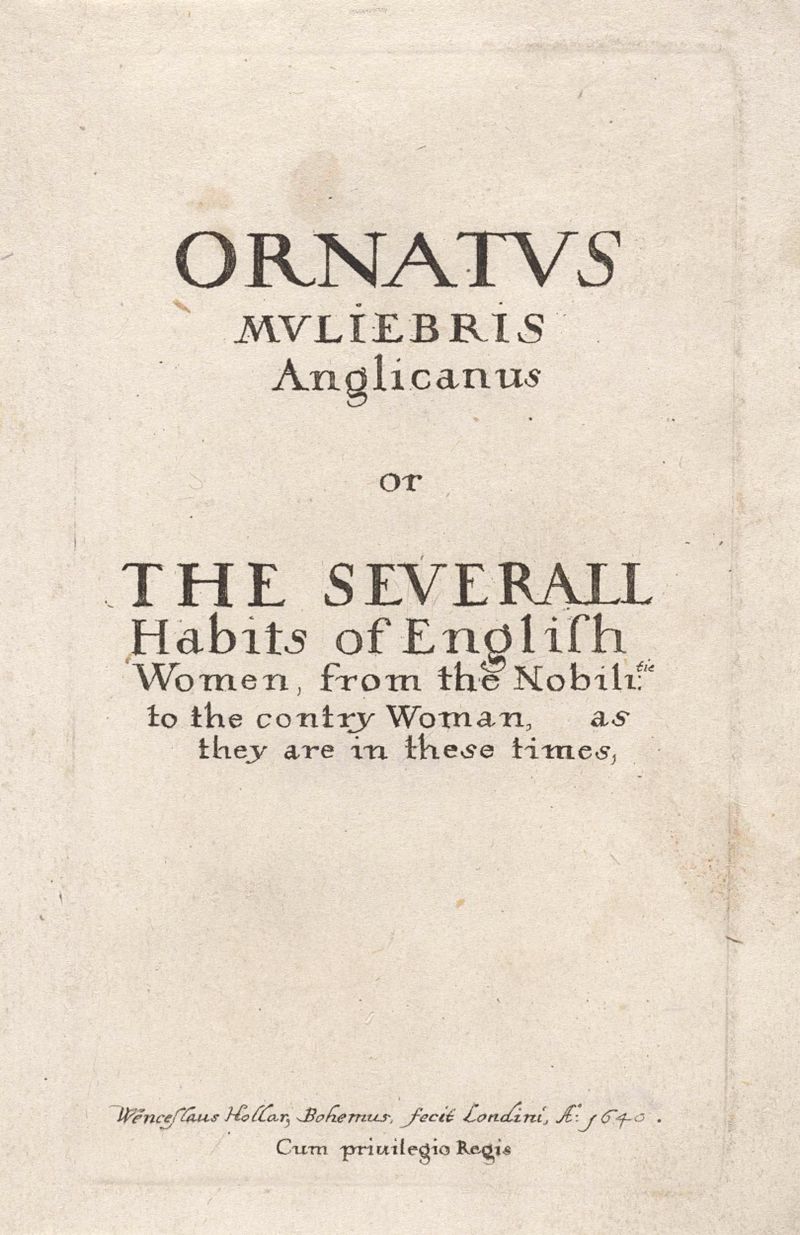
Titelprent voor: Ornatus Muliebris Anglicanus
Wenceslaus Hollar
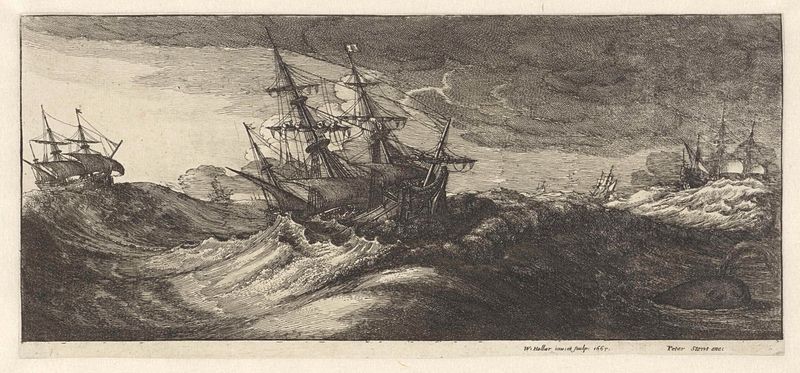
Oorlogsschepen en een walvis in een zeestorm
Wenceslaus Hollar
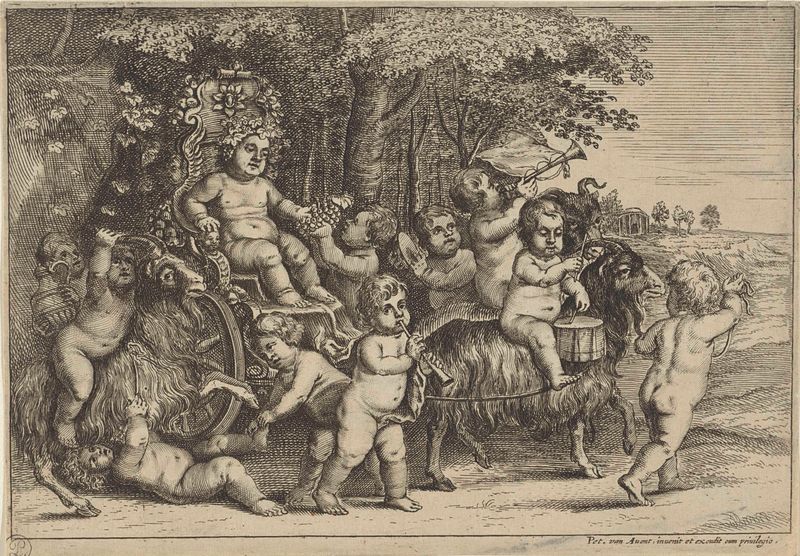
Optocht van bacchant en jongetjes op geiten
Wenceslaus Hollar
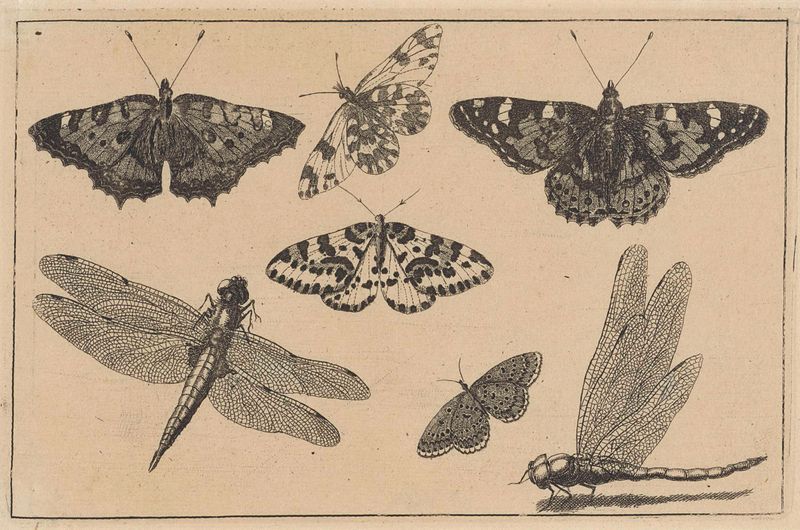
Twee libellen en vijf vlinders
Wenceslaus Hollar
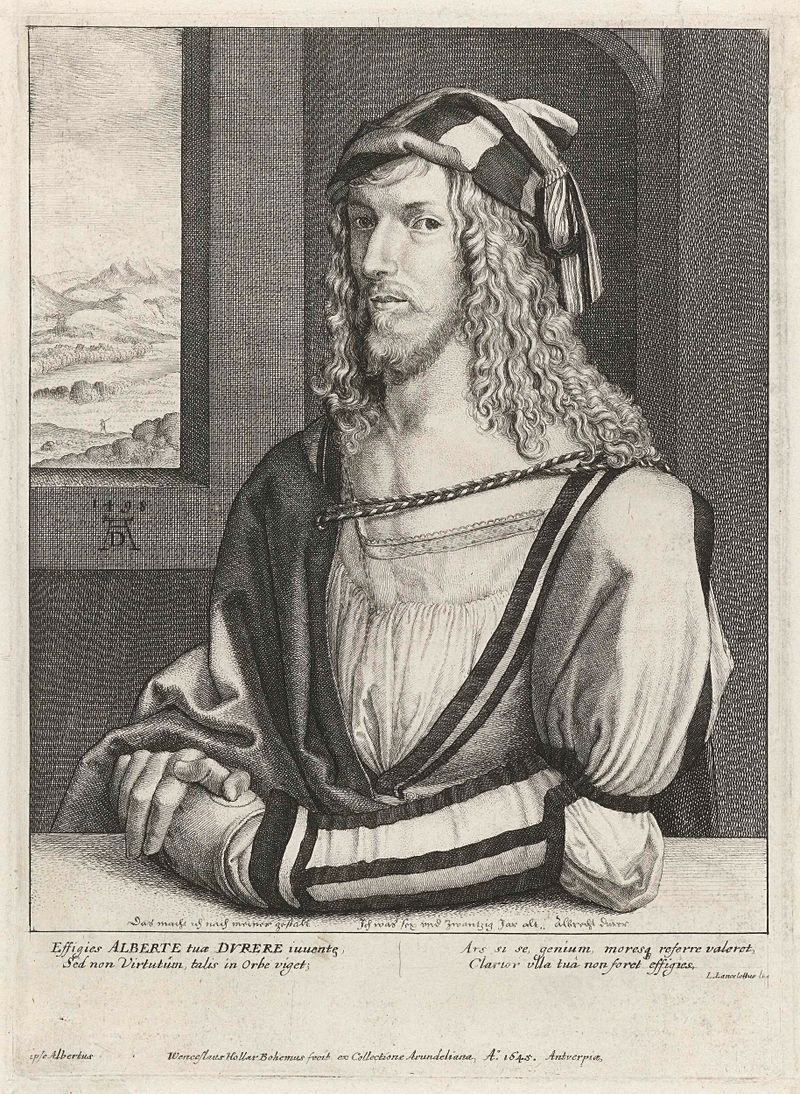
Portret van Albrecht Dürer
Wenceslaus Hollar
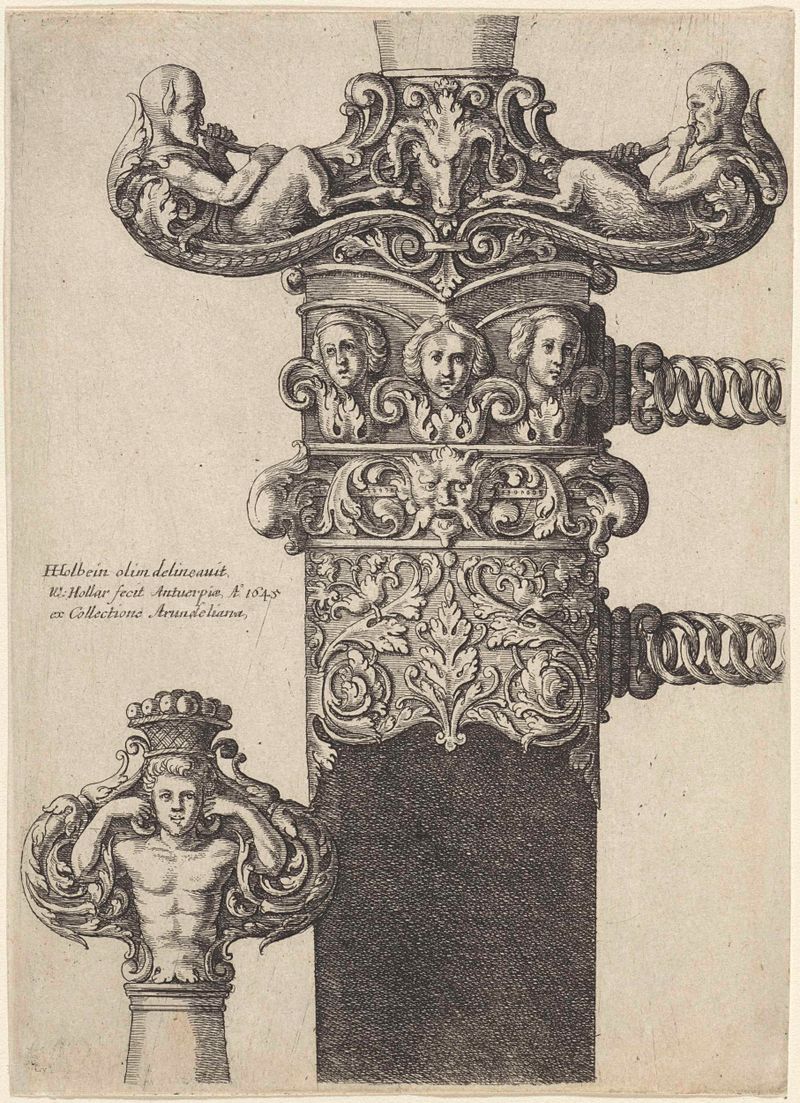
Ornamenteel ontwerp voor een dolk
Wenceslaus Hollar
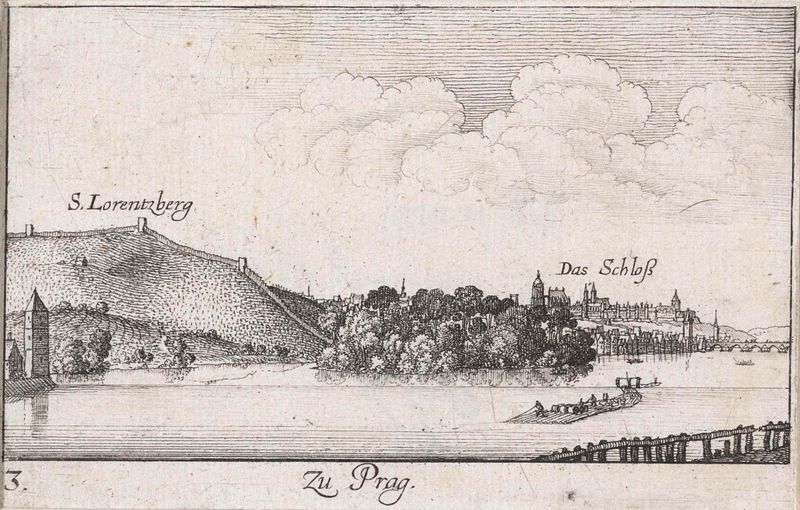
Gezicht op Praag vanaf de Moldau
Wenceslaus Hollar
More Religious Art
Browse all →
The Return of the Prodigal Son
Rembrandt van Rijn

The Garden of Earthly Delights
El Bosco

Count Orgaz’ funeral
El Greco

The Hundred Guilder Print: the central piece with Christ preaching, the plate arched
Rembrandt van Rijn

The Descent from the Cross
Rogier van der Weyden

The return of the prodigal son
Rembrandt van Rijn