
Kruisdraging van Christus — History & Facts
In Kruisdraging van Christus, transformation unfolds beneath a weight both physical and spiritual, capturing a moment where history and emotion converge. Look to the center of the canvas, where Christ, bearing the cross, embodies both suffering and resilience. The stark contrast of deep reds and somber browns invokes a heavy atmosphere, while softer hues around Him suggest a glimmer of hope. Notice how the light illuminates His face, emphasizing pain but also a profound serenity.
Every figure surrounding Him, from the mournful onlookers to the resolute soldiers, is painted with meticulous detail, drawing the viewer’s eye towards the collective weight of their expressions. Within this scene lies the tension between despair and redemption. The juxtaposition of the mourners’ grief against the soldiers’ indifference highlights the varying responses to sacrifice and suffering. Small details, like the outstretched hand of a woman and the hardened gaze of a soldier, serve as silent witnesses to the transformative power of faith and loss.
It speaks to the broader narrative of humanity grappling with its own pain and the hope for salvation. During the years 1521-1522, Cranach created this work in Wittenberg, a center of Reformation thought. At this time, he was closely associated with Martin Luther and the transformation sweeping across Europe, which influenced not only the religious landscape but also the role of art within society. The painting reflects Cranach’s engagement with these tumultuous ideas, encapsulating the essence of human struggle and divine promise in one pivotal moment.
More Artworks by Lucas Cranach (I)
Browse all →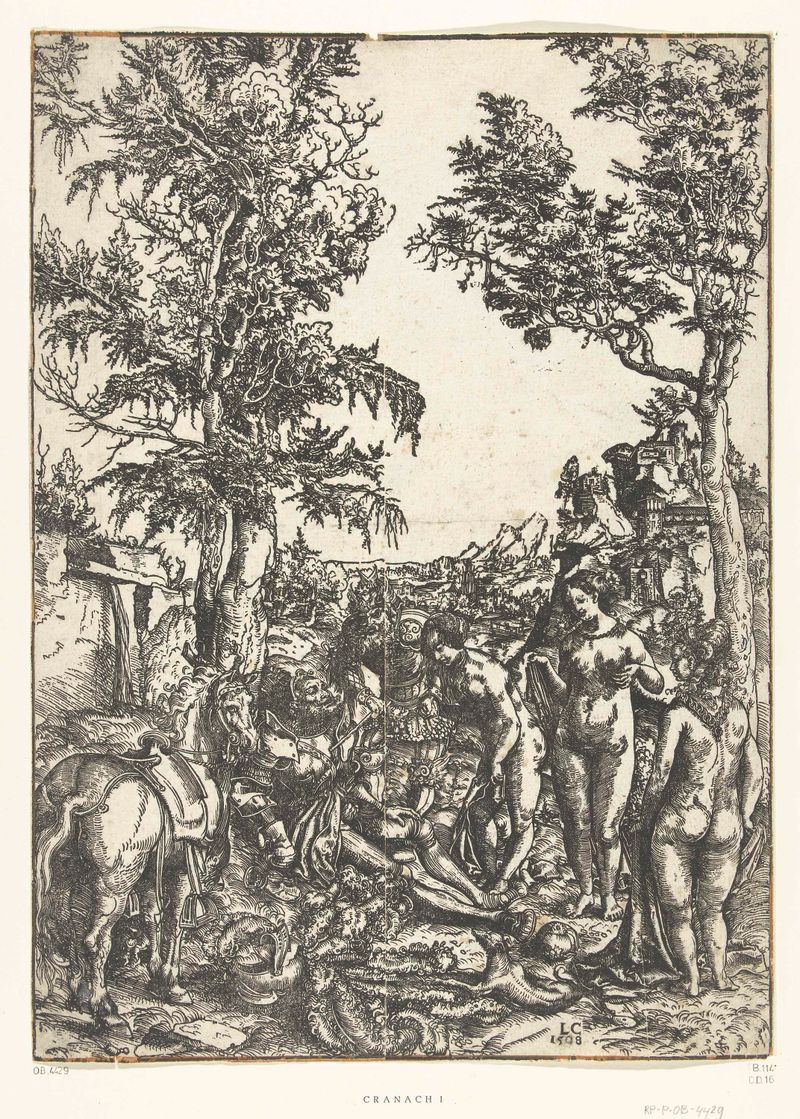
Oordeel van Paris
Lucas Cranach (I)
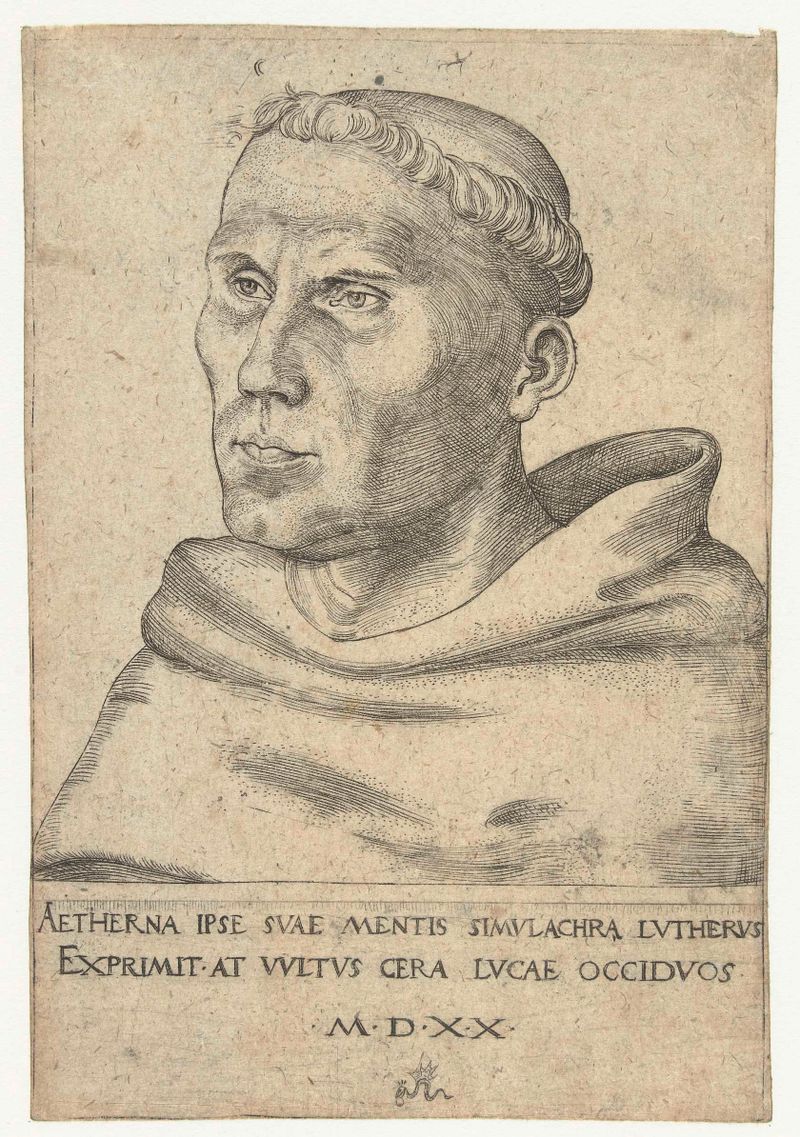
Portret van Martin Luther als Augustijner monnik
Lucas Cranach (I)
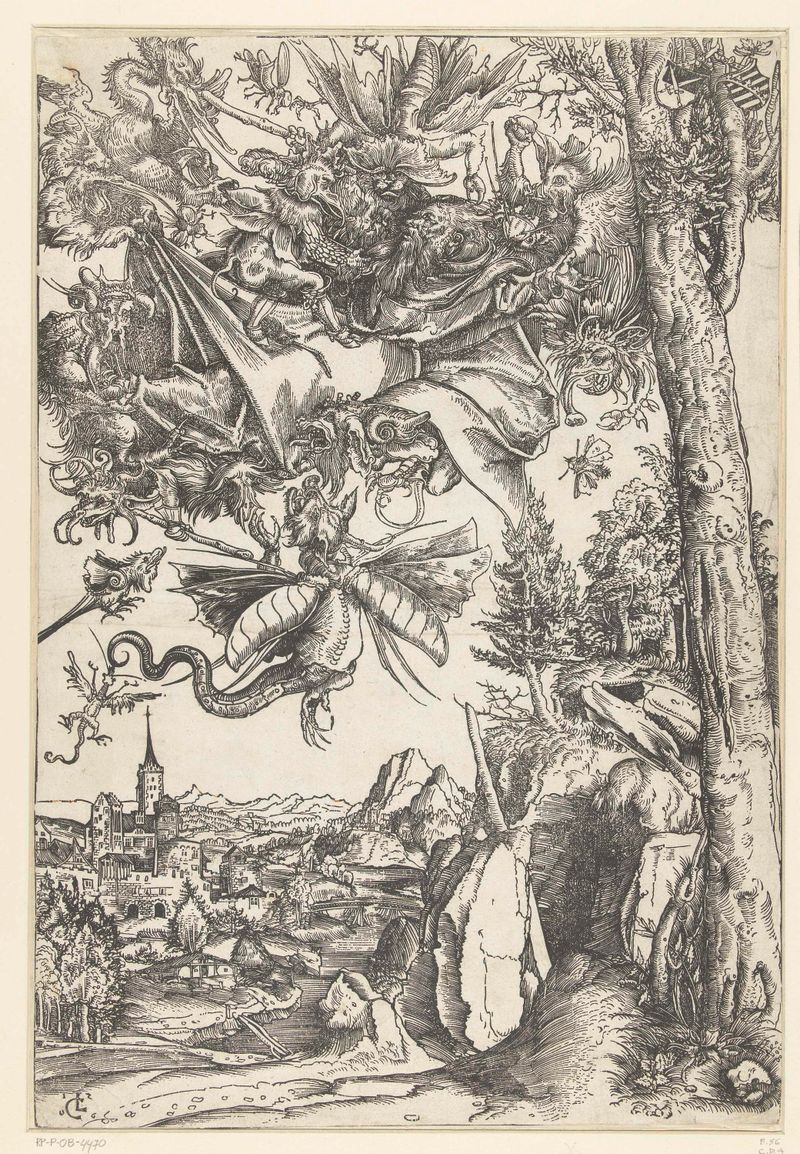
Verzoeking van Antonius met aanval door demonen
Lucas Cranach (I)

Christus en de Samaritaanse vrouw
Lucas Cranach (I)

Duits toernooi met twee edelmannen als ridders te paard
Lucas Cranach (I)
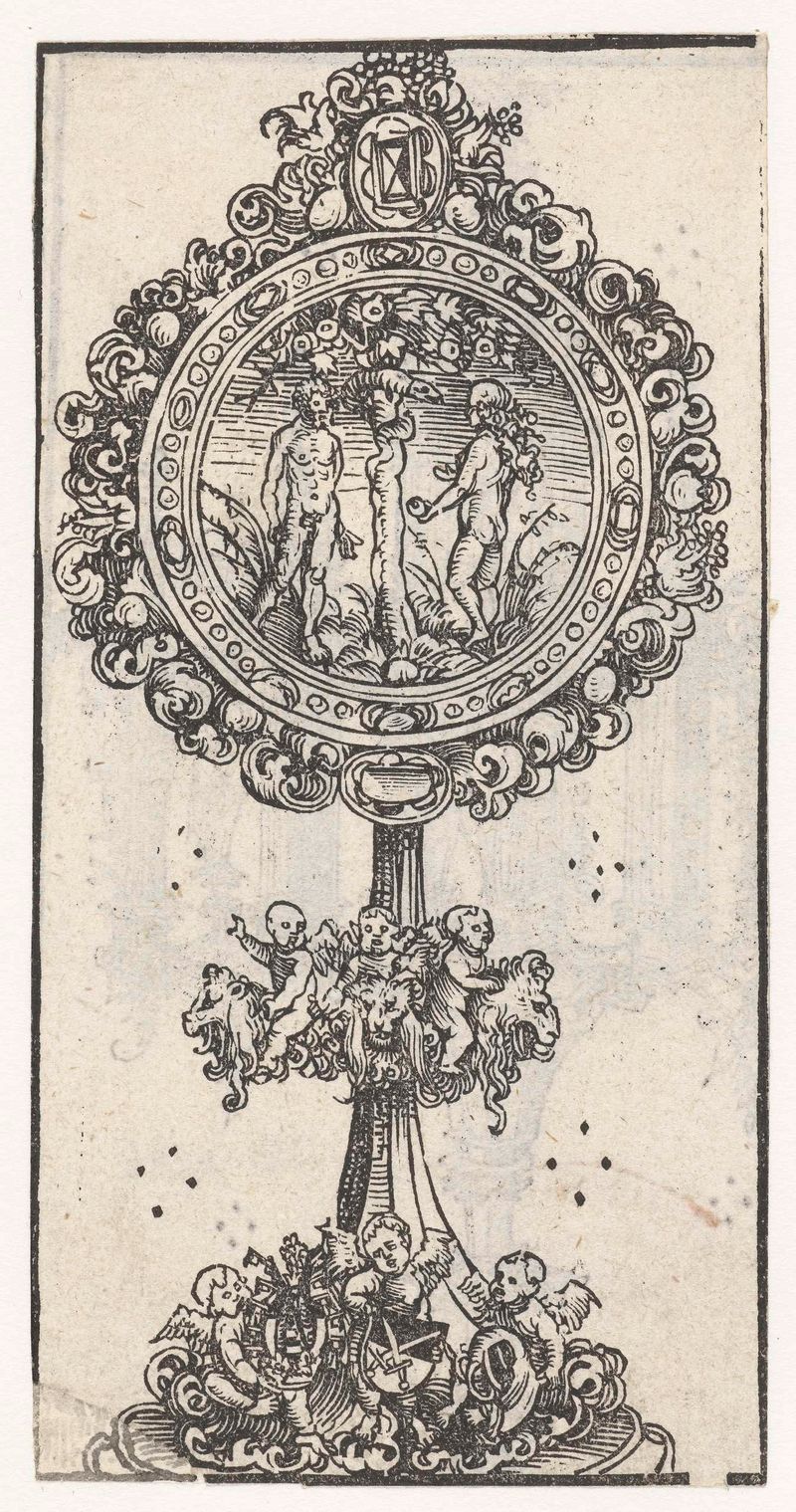
Reliekhouder met de verzoeking van Adam en Eva
Lucas Cranach (I)

Intocht van Christus in Jerusalem
Lucas Cranach (I)
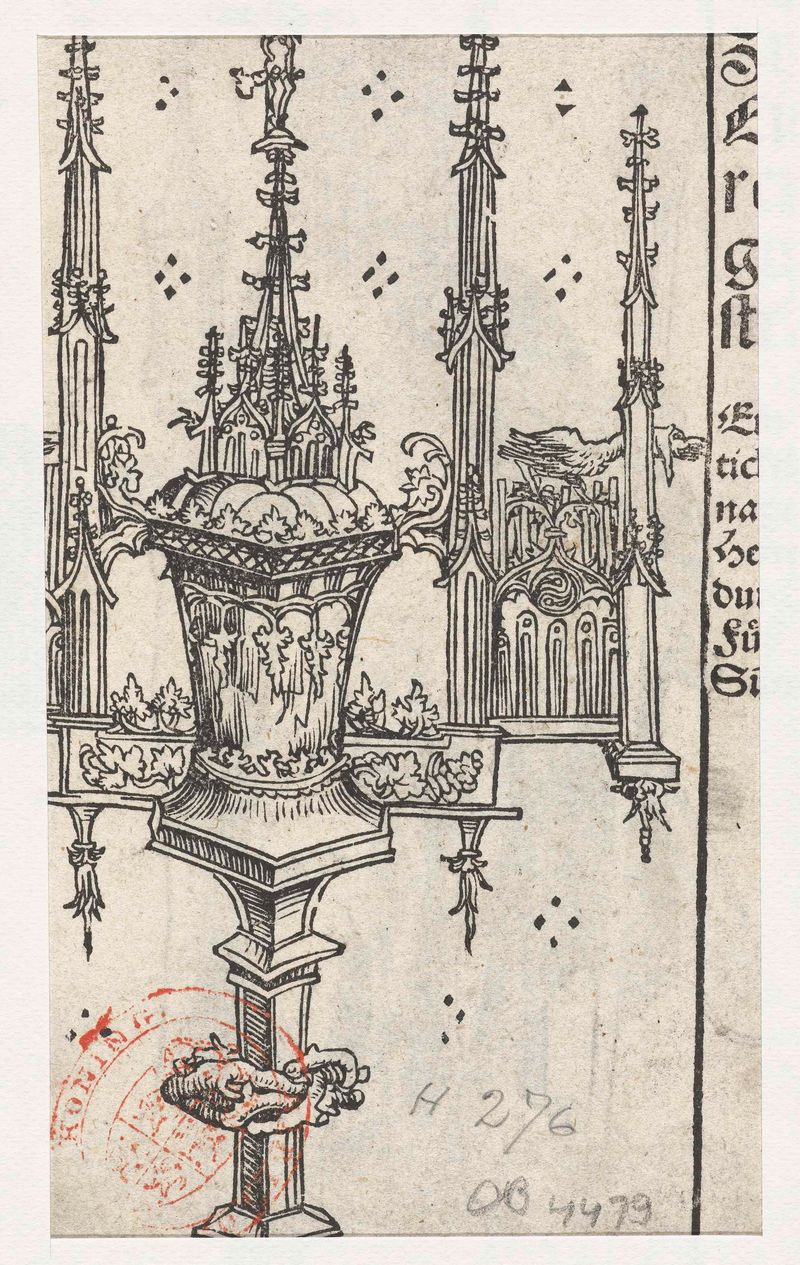
Monstrans met vogel (pelikaan)
Lucas Cranach (I)
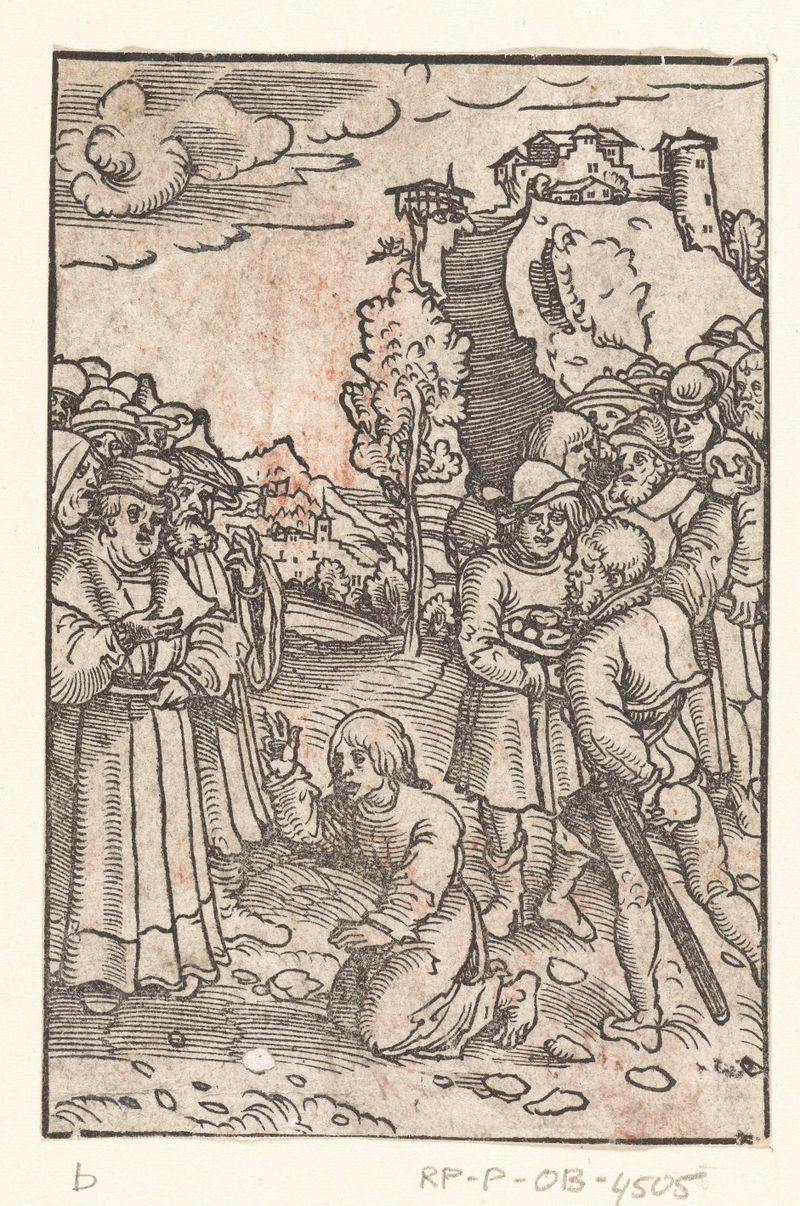
Steniging van Stefanus
Lucas Cranach (I)
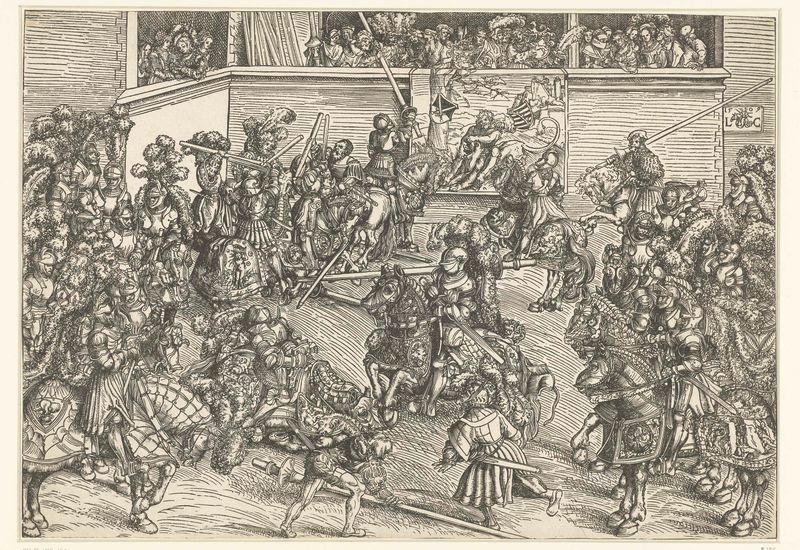
Toernooi van het keurvorstelijk hof van Saksen met wandtapijt Simson doodt de leeuw
Lucas Cranach (I)
More Religious Art
Browse all →
The Return of the Prodigal Son
Rembrandt van Rijn

The Garden of Earthly Delights
El Bosco

Count Orgaz’ funeral
El Greco

The Hundred Guilder Print: the central piece with Christ preaching, the plate arched
Rembrandt van Rijn

The Descent from the Cross
Rogier van der Weyden

The return of the prodigal son
Rembrandt van Rijn