
Kruisiging van Christus — History & Facts
Could beauty survive in a century of chaos? In Kruisiging van Christus, Wenceslaus Hollar finds a fragile innocence amidst the tumult of the 17th century, revealing layers of emotional complexity within a moment of profound tragedy. Look to the center of the composition where the figure of Christ hangs suspended, illuminated by an unseen light, his expression a haunting blend of suffering and serenity. The stark contrast between the darkened background and the soft highlights on his form draws the eye, inviting a contemplation of both agony and divine grace. The surrounding figures, shrouded in shadow, create a dramatic tension that heightens the sense of isolation, while the intricate details of their gestures convey a spectrum of sorrow and disbelief. Delve deeper into the contrasting elements: the purity of Christ’s form against the turmoil of the crowd, the innocence of his sacrifice juxtaposed with the harshness of their reactions.
Each face in the audience tells its own story — from despair to rage, revealing the complexity of human emotion in the face of sacred loss. The artist meticulously blends the rawness of human experience with the ethereal quality of the divine, making the suffering palpable while maintaining an air of hope. In 1670, Wenceslaus Hollar was residing in London, a city still recovering from the upheaval of the English Civil War. During this period, he grappled with personal challenges, yet he remained a poignant observer of the human condition, reflecting the anxieties of his time through art.
Kruisiging van Christus stands as a testament to his ability to capture not just the physicality of the moment but also the emotional weight carried through centuries of faith and turmoil.
More Artworks by Wenceslaus Hollar
Browse all →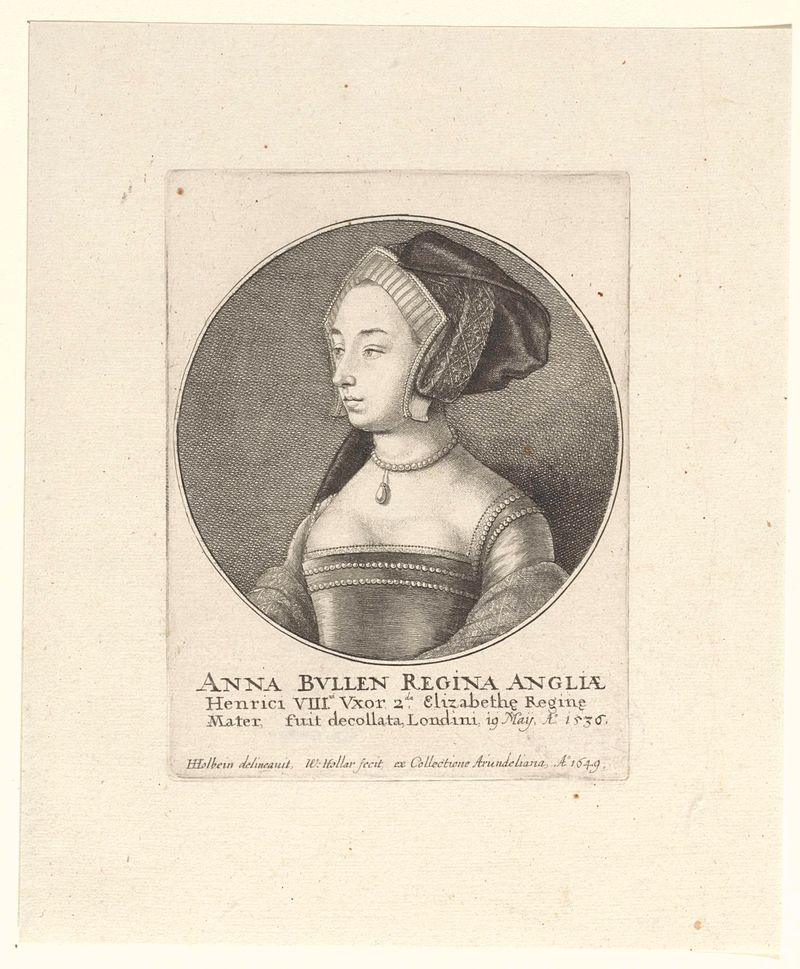
Portret van Anna Boleyn, koningin van Engeland
Wenceslaus Hollar
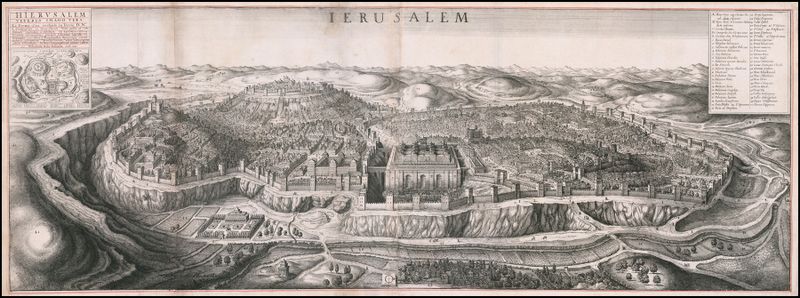
Bird’s eye view of Jerusalem
Wenceslaus Hollar
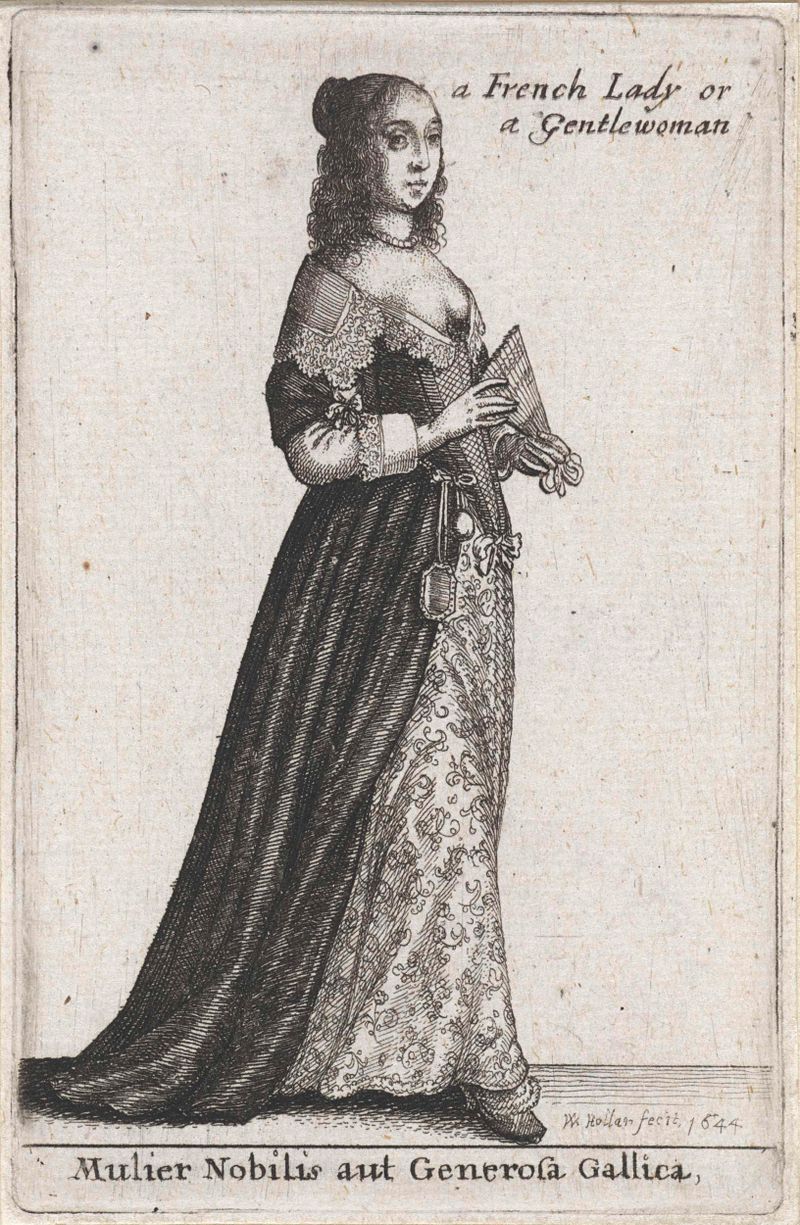
Mulier Nobilis aut Generosa Gallica / a French Lady or Gentlewoman
Wenceslaus Hollar
Titelprent voor: Ornatus Muliebris Anglicanus
Wenceslaus Hollar
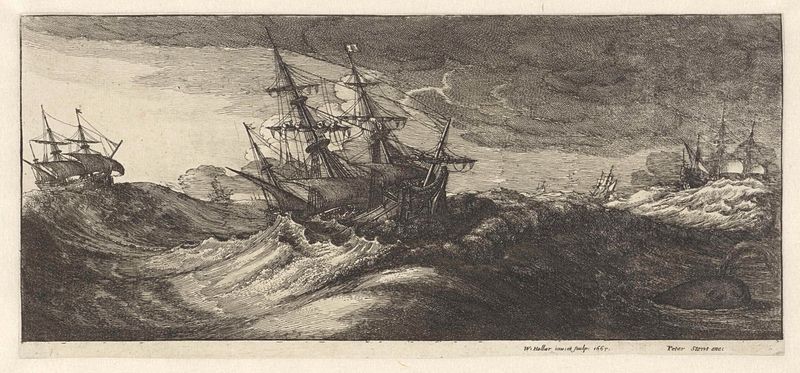
Oorlogsschepen en een walvis in een zeestorm
Wenceslaus Hollar
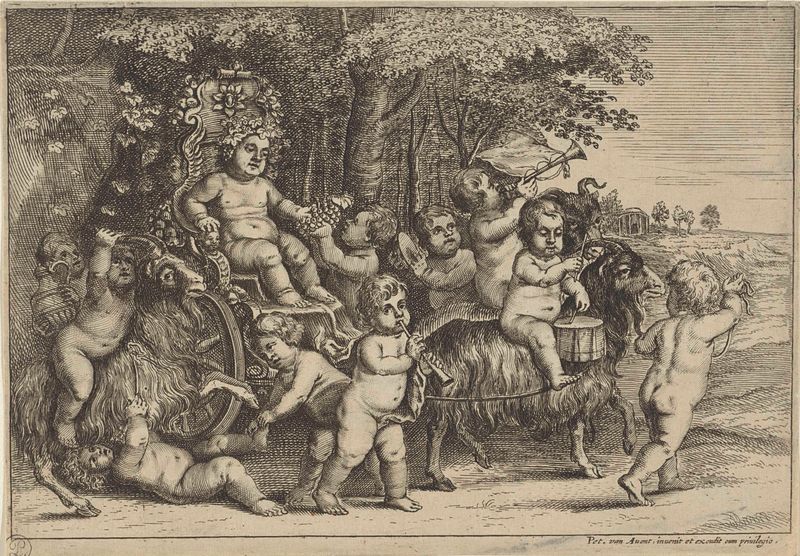
Optocht van bacchant en jongetjes op geiten
Wenceslaus Hollar
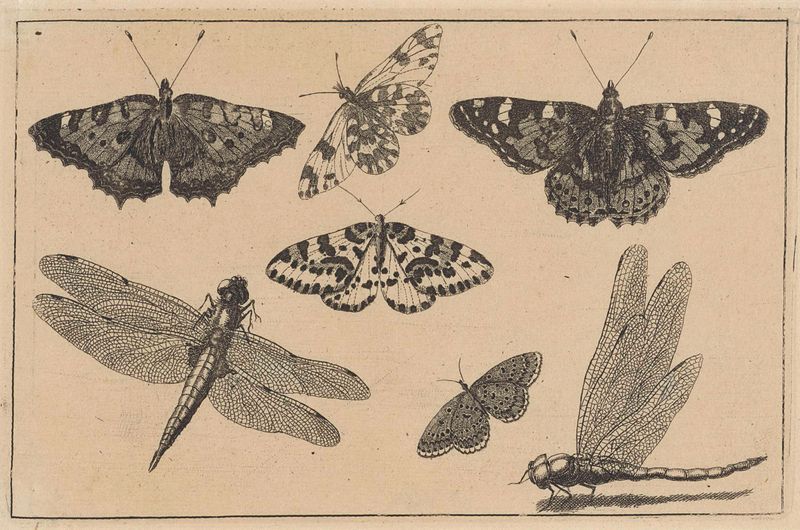
Twee libellen en vijf vlinders
Wenceslaus Hollar
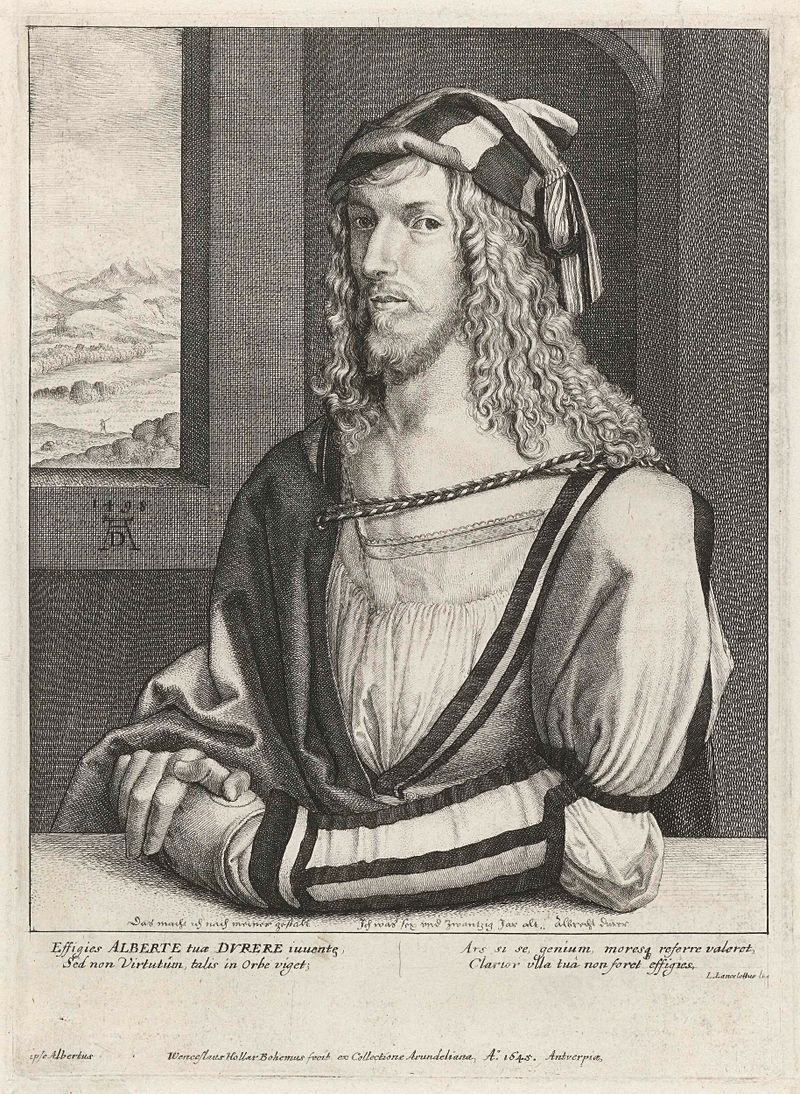
Portret van Albrecht Dürer
Wenceslaus Hollar
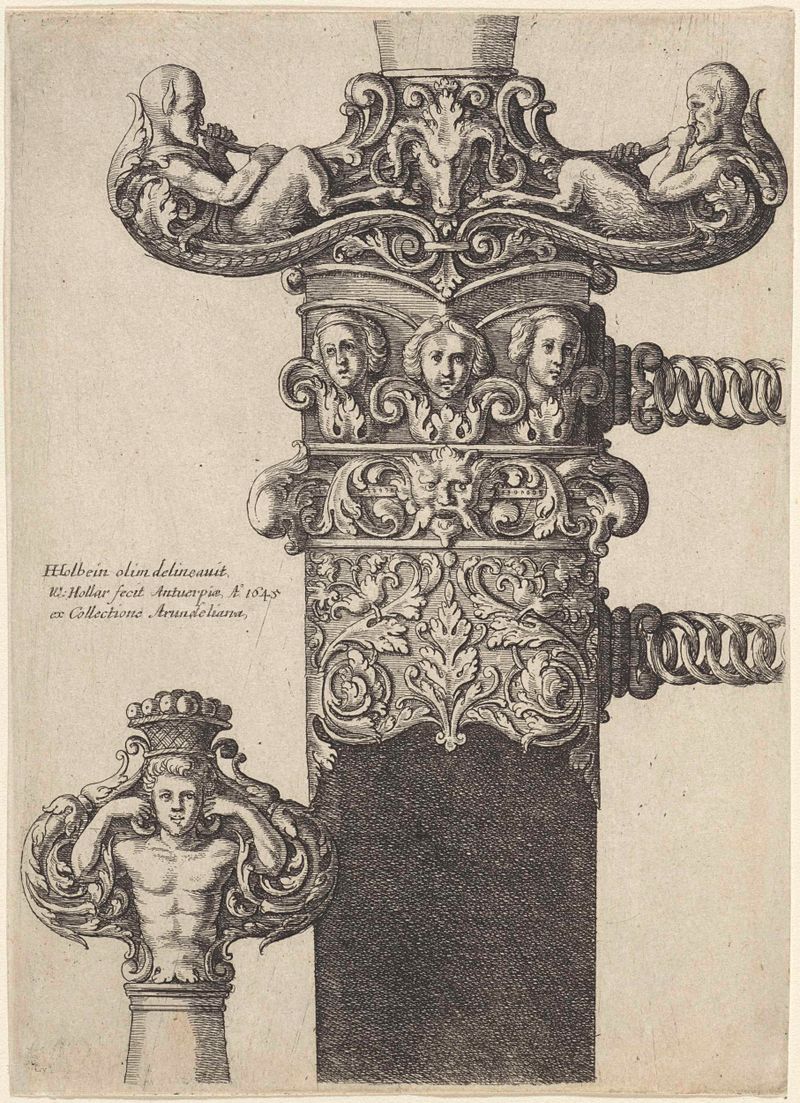
Ornamenteel ontwerp voor een dolk
Wenceslaus Hollar
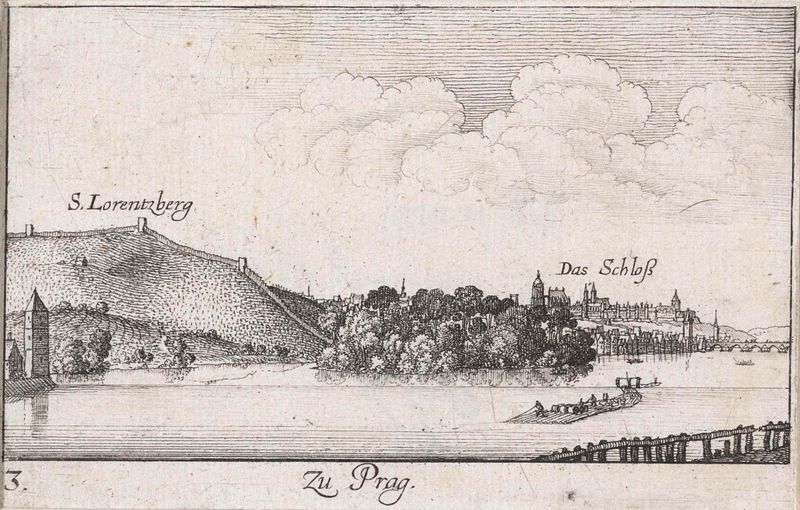
Gezicht op Praag vanaf de Moldau
Wenceslaus Hollar
More Religious Art
Browse all →
The Return of the Prodigal Son
Rembrandt van Rijn

The Garden of Earthly Delights
El Bosco

Count Orgaz’ funeral
El Greco

The Hundred Guilder Print: the central piece with Christ preaching, the plate arched
Rembrandt van Rijn

The Descent from the Cross
Rogier van der Weyden

The return of the prodigal son
Rembrandt van Rijn