
L’aurore Et La Nuit (Dawn And The Night) — History & Facts
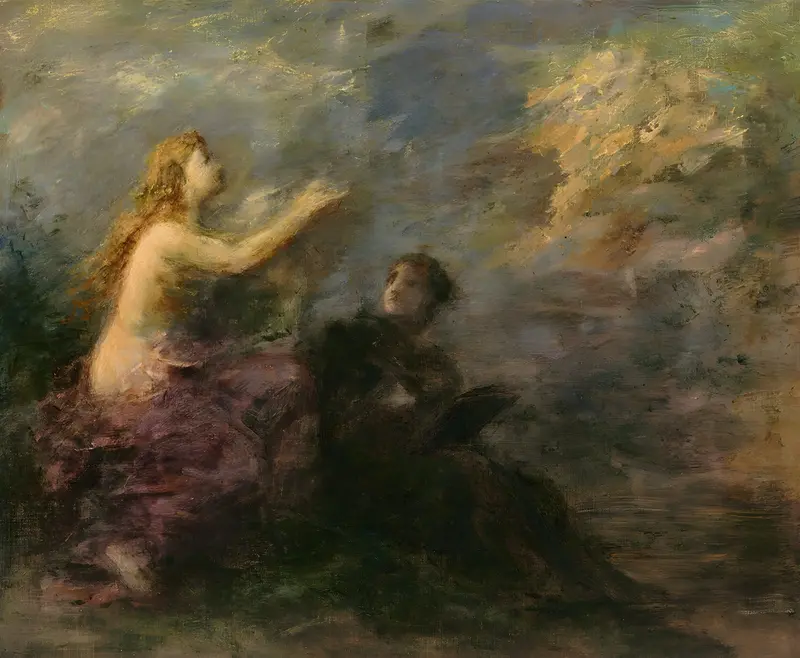
In L’aurore Et La Nuit, Henri Fantin-Latour presents a striking contrast between light and dark. The painting features two allegorical figures: Dawn, depicted with soft, warm colors, and Night, represented with deep, cool tones. The background transitions from a bright sky to a starry night, enhancing the duality of the subjects.
This visual interplay creates a dynamic tension between the two figures, inviting viewers to explore their relationship. The painting is executed in oil on canvas, a medium that allows for rich color depth and texture. Fantin-Latour's technique showcases his skill in blending colors, particularly in the delicate rendering of Dawn's flowing garments. The figures are rendered with a sense of volume and movement, emphasizing their allegorical nature.
The overall composition balances the two figures, drawing the eye across the canvas. Henri Fantin-Latour was known for his still lifes and portraits, but L’aurore Et La Nuit reflects his interest in allegory and symbolism. This work is particularly noteworthy as it captures the transition between day and night, a theme that resonates with the cycles of life. Interestingly, Fantin-Latour was influenced by the Symbolist movement, which sought to express ideas and emotions through symbolic imagery.
This painting exemplifies that approach, using personification to explore the concepts of time and change.
More Artworks by Henri Fantin-Latour
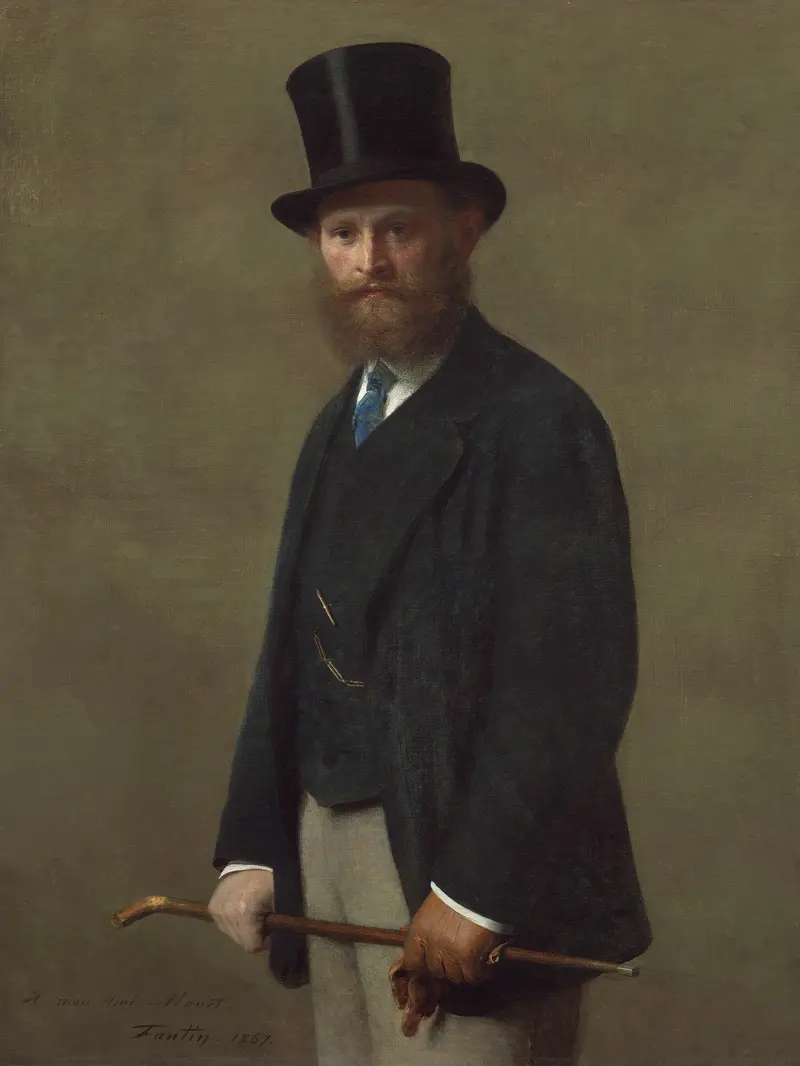
Édouard Manet
Henri Fantin-Latour
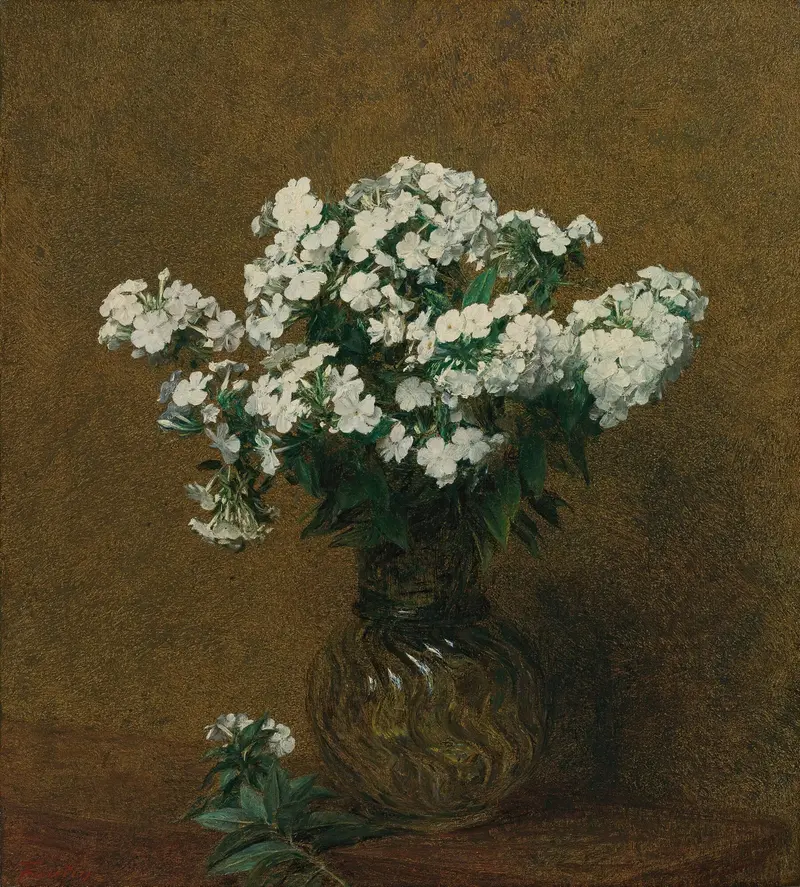
Phlox Blancs Dans Un Vase
Henri Fantin-Latour
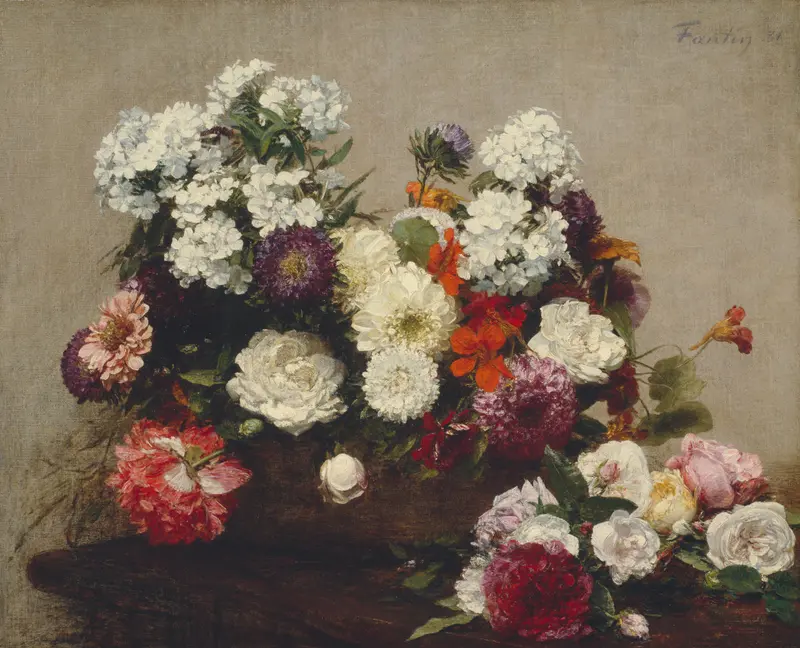
Still Life with Flowers
Henri Fantin-Latour
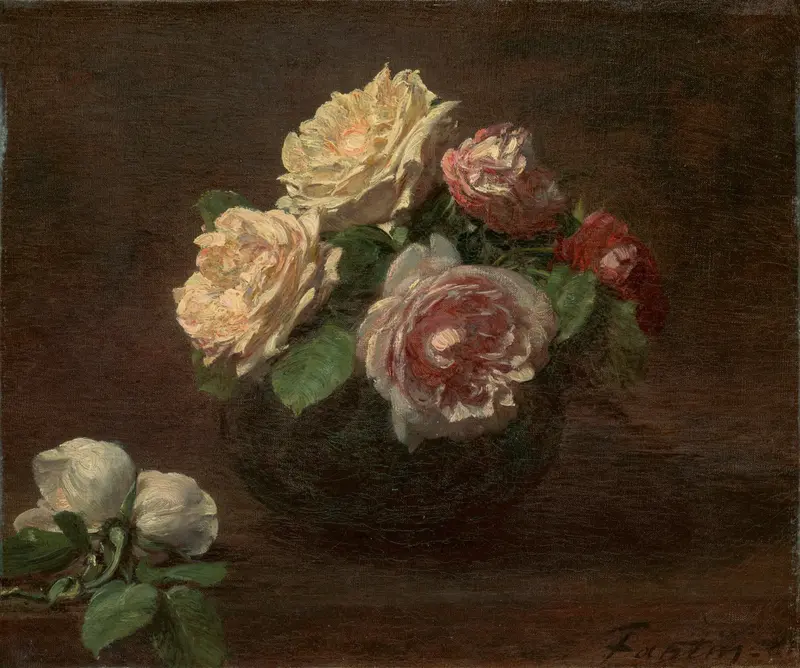
Roses in a Bowl
Henri Fantin-Latour
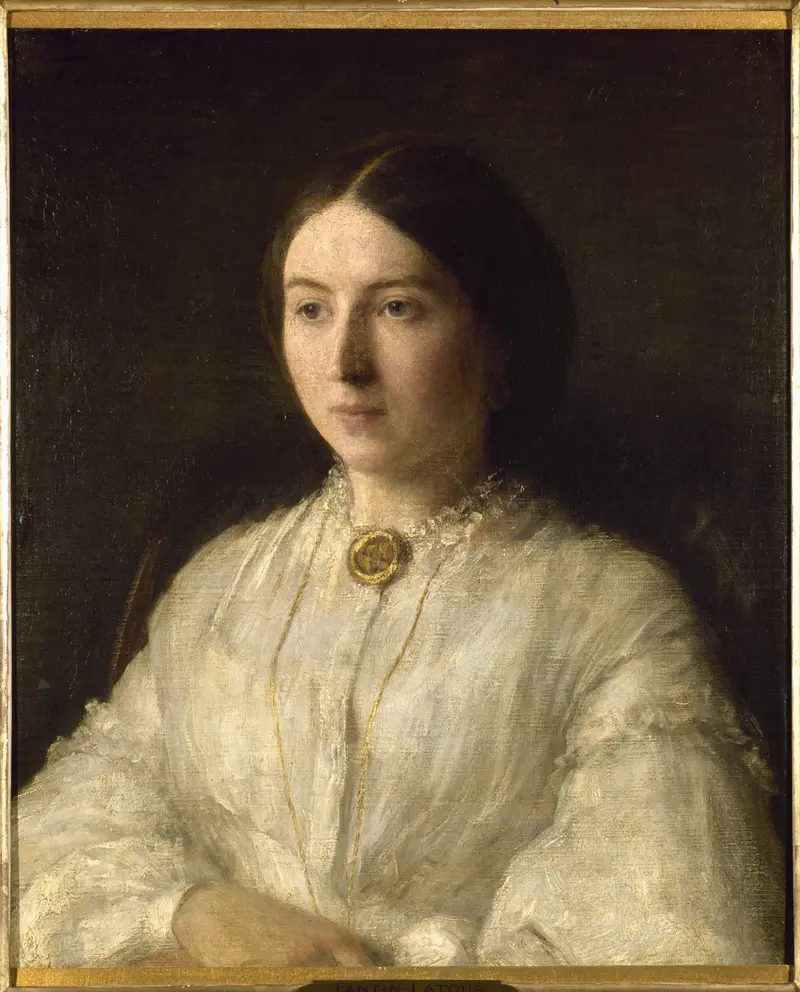
Portrait de Mme Edwin Edwards
Henri Fantin-Latour
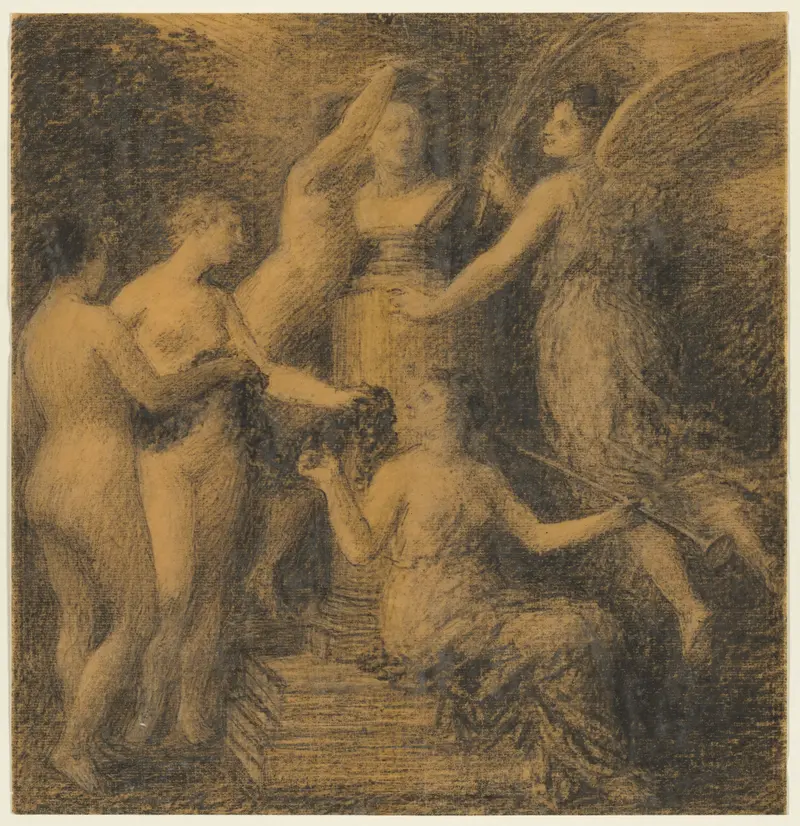
Homage to Rossini
Henri Fantin-Latour
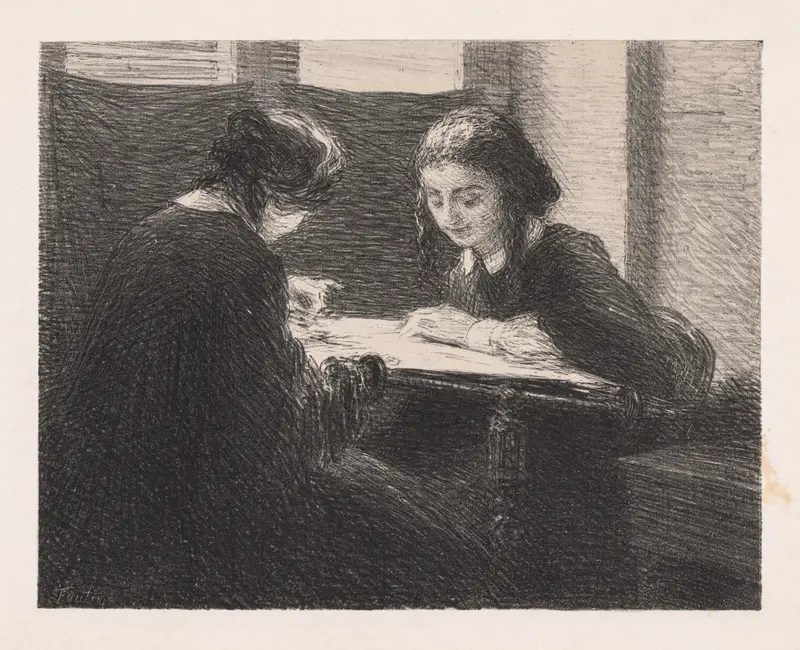
The Embroideres (Les Brodeuses)
Henri Fantin-Latour
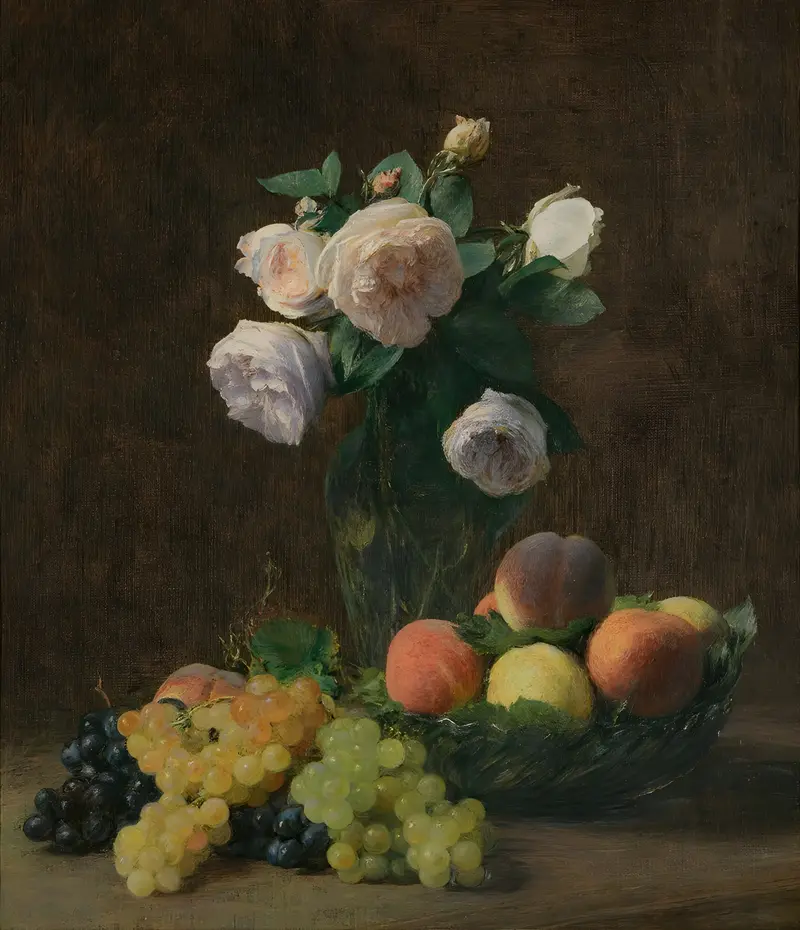
Nature Morte; Vase De Roses, Pêches Et Raisins
Henri Fantin-Latour
Inspiration
Henri Fantin-Latour
Nude study
Henri Fantin-Latour





