
L’Escargot — History & Facts
In L’Escargot, Henri de Toulouse-Lautrec presents a vibrant composition centered around a snail. The colors are rich and varied, with deep greens and browns contrasting against the lighter tones of the snail's shell. The background is abstract, enhancing the focus on the snail itself.
This still life captures the essence of the subject with a playful yet sophisticated approach. The painting is executed in oil on canvas, showcasing Toulouse-Lautrec's characteristic brushwork. The dimensions are approximately 50 x 70 cm, making it a medium-sized work that invites close inspection. The use of color and form reflects the Post-Impressionist style, emphasizing the artist's unique perspective.
Viewers can appreciate the texture and detail that Toulouse-Lautrec brings to the snail's shell. Henri de Toulouse-Lautrec was known for his depictions of Parisian nightlife and culture, but L’Escargot showcases his versatility in still life. This work likely dates to around the 1890s, a period when he was experimenting with different subjects and styles. An interesting fact about this painting is that it reflects his ability to infuse personality into even the most mundane subjects.
Toulouse-Lautrec's work continues to influence artists today, highlighting the beauty in everyday life.
More Artworks by Henri de Toulouse-Lautrec
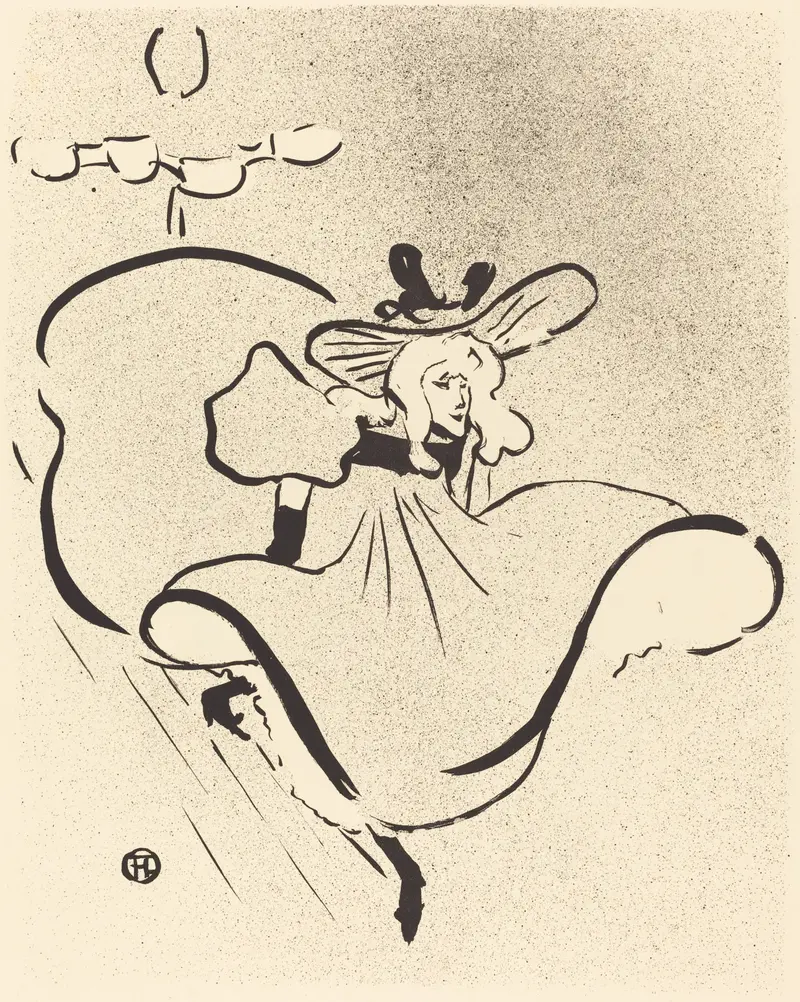
Jane Avril
Henri de Toulouse-Lautrec
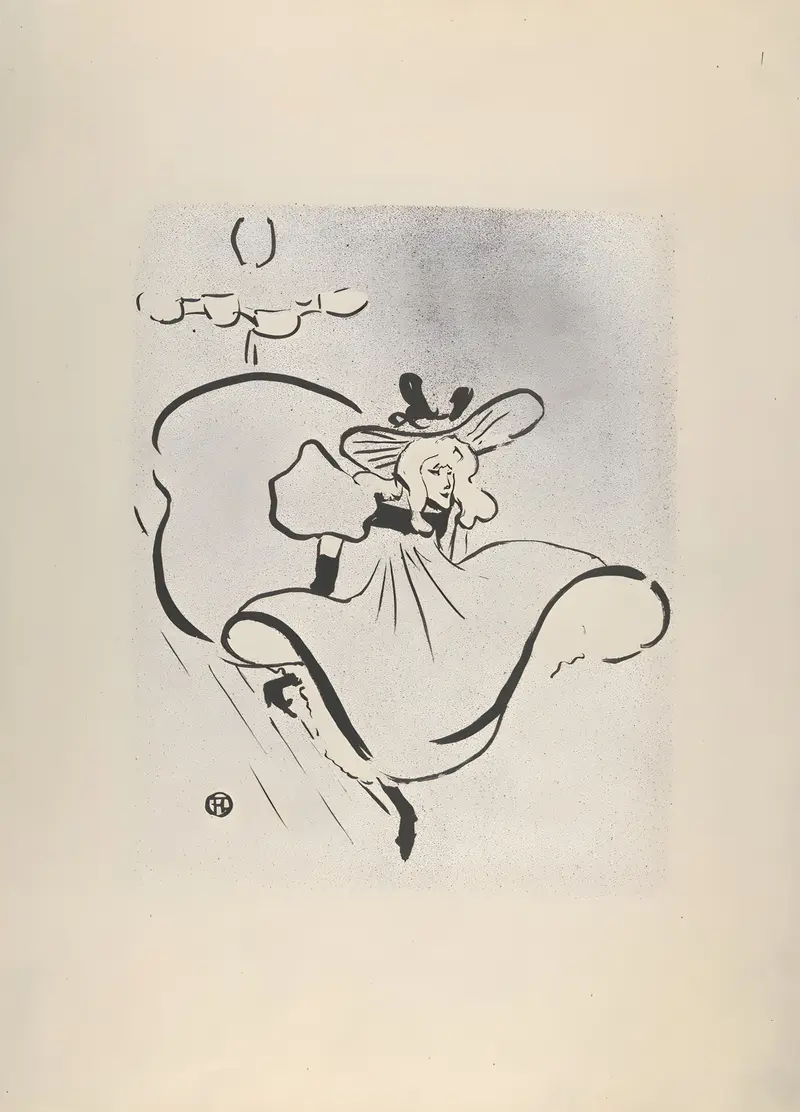
Jane Avril.
Henri de Toulouse-Lautrec

Quadrille at the Moulin Rouge
Henri de Toulouse-Lautrec
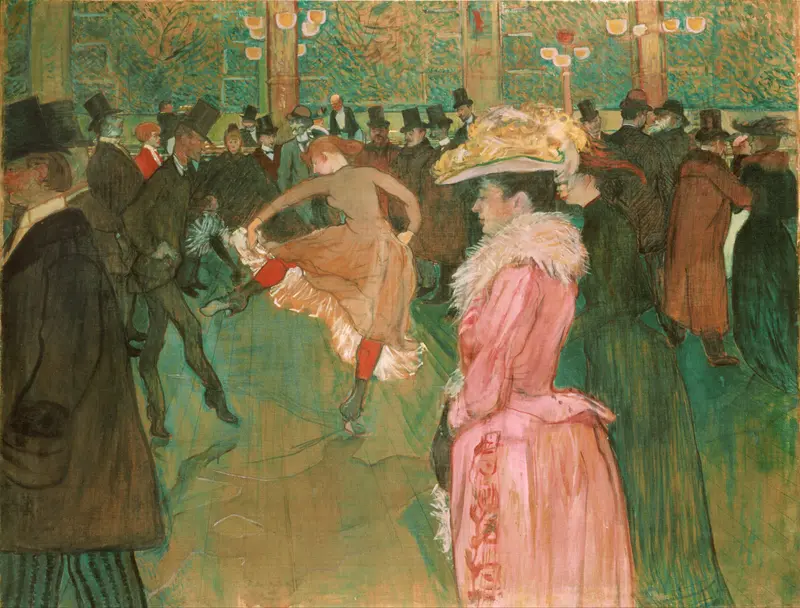
At the Moulin Rouge- The Dance
Henri de Toulouse-Lautrec
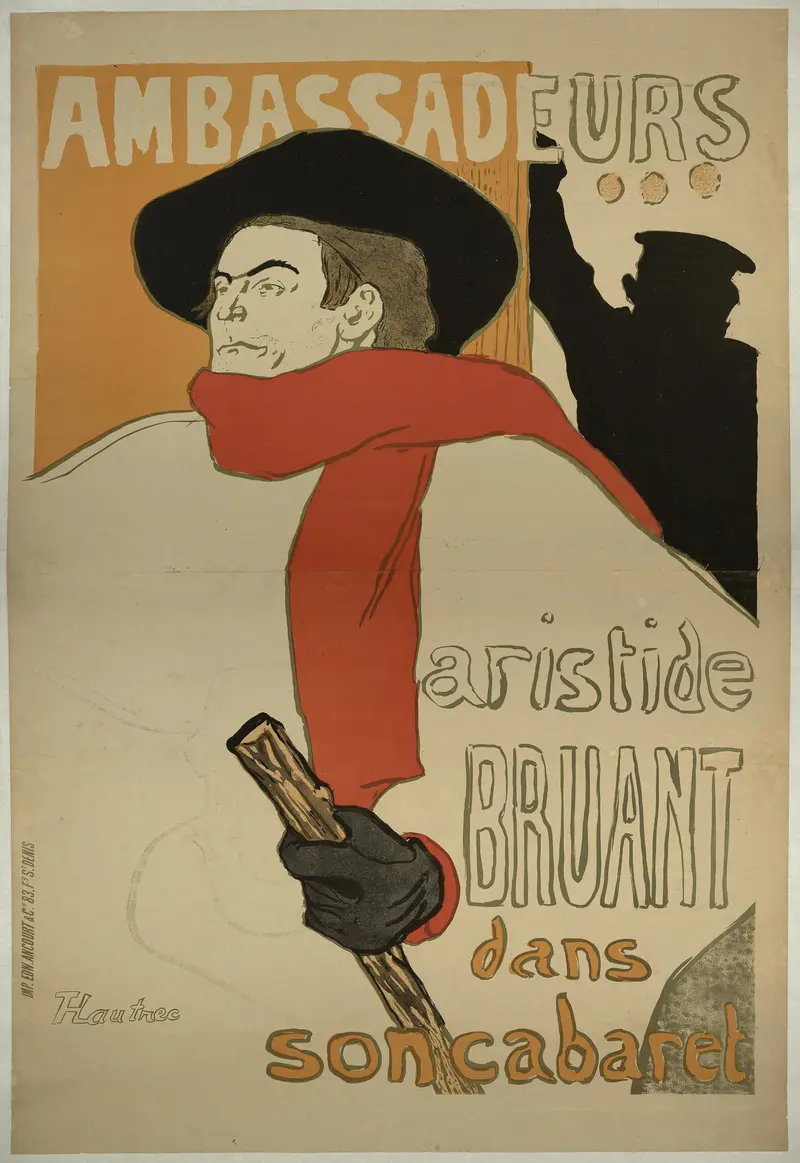
Ambassadeurs. Aristide Bruant dans son cabaret
Henri de Toulouse-Lautrec
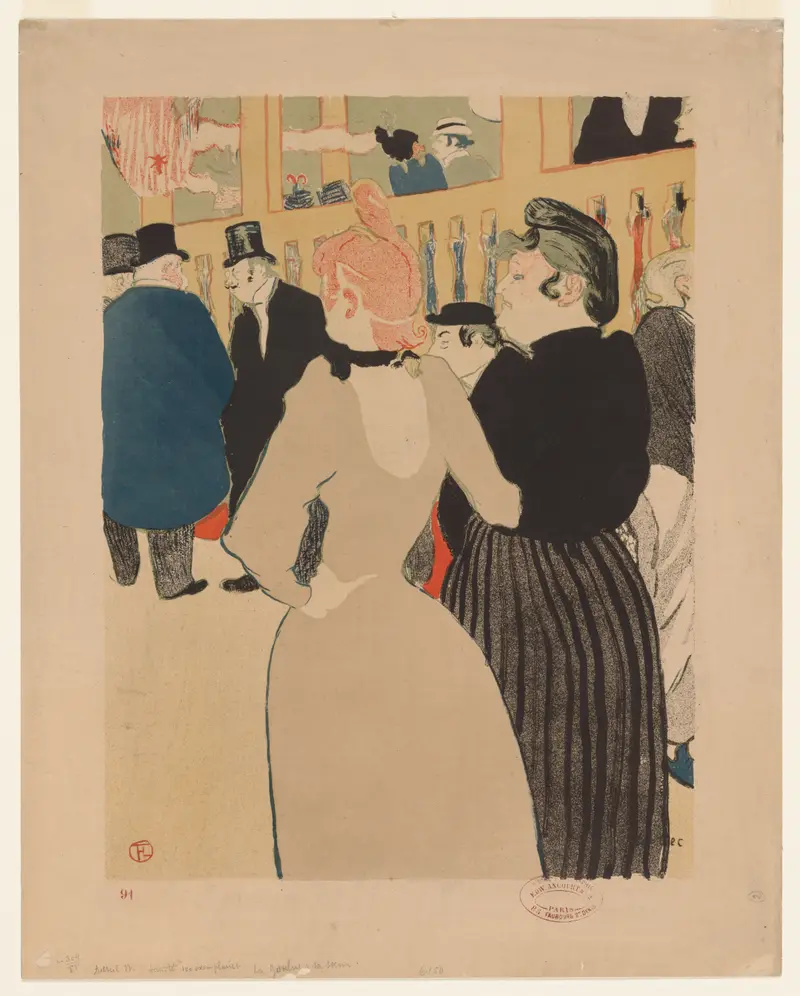
At the Moulin Rouge; La Goulue and Her Sister
Henri de Toulouse-Lautrec
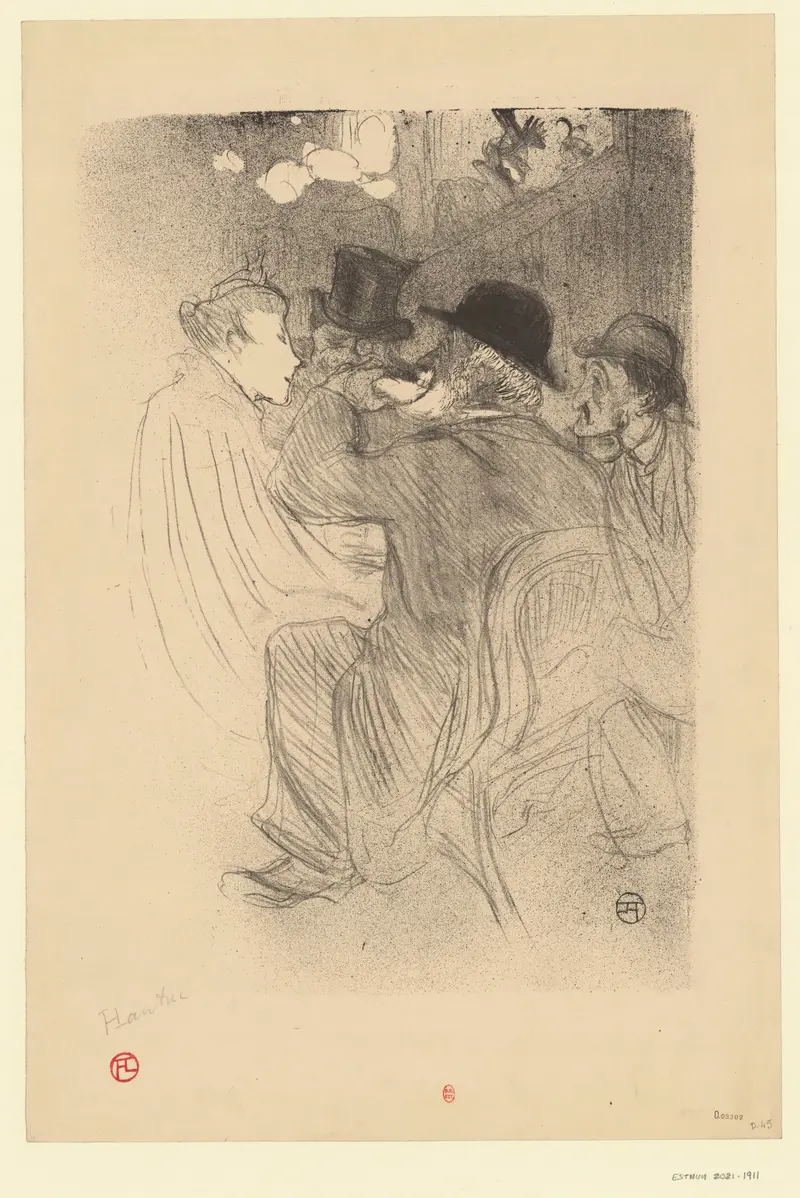
Au Moulin Rouge;Un Rude! Un Vrai Rude!
Henri de Toulouse-Lautrec
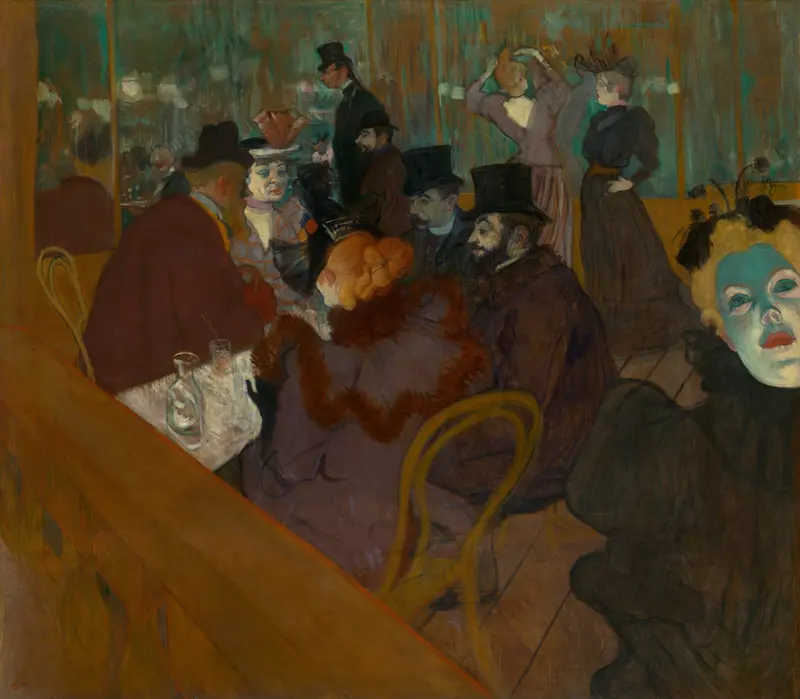
At the Moulin Rouge
Henri de Toulouse-Lautrec
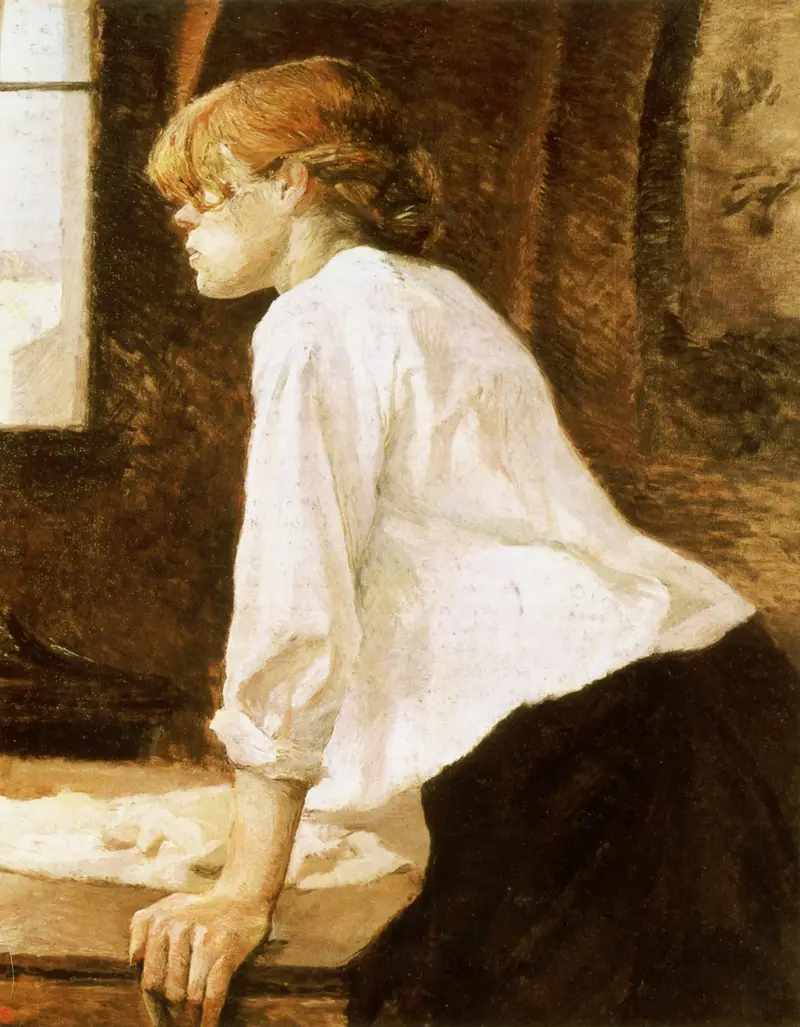
La Blanchisseuse
Henri de Toulouse-Lautrec
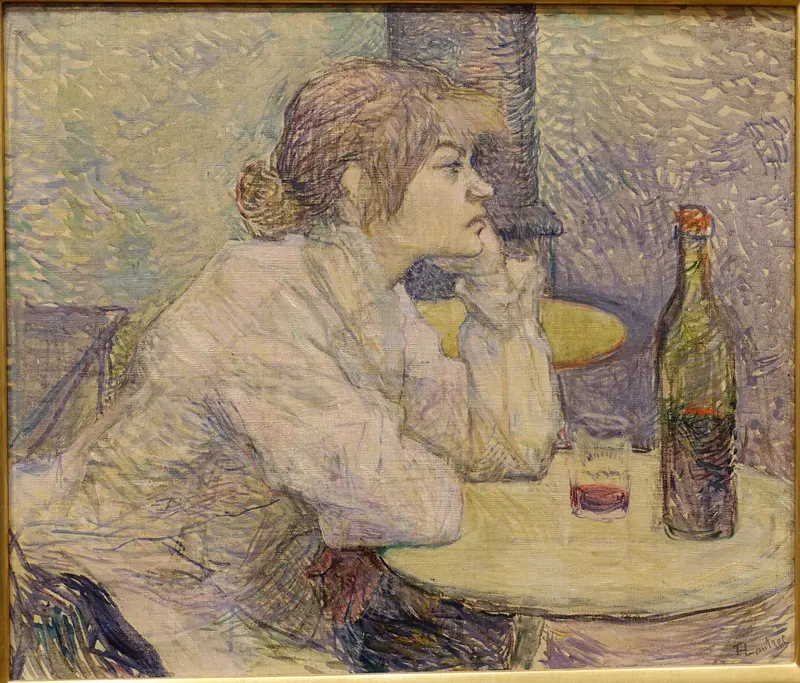
The Hangover (Suzanne Valadon)
Henri de Toulouse-Lautrec





