
La Blanchisseuse — History & Facts
Bent over a wooden table with laundry beneath her hands, the figure in La Blanchisseuse by Henri de Toulouse-Lautrec is shown in profile, her attention directed towards the light from a nearby window. The young woman’s loose white blouse and dark skirt are rendered with visible, textured brushwork, while her auburn hair catches the warm illumination of the room. The composition emphasizes her posture and the physicality of her work, set against a shadowed, brown-toned background that contrasts with the brightness of her clothing and skin. Painted in oil on canvas between 1886 and 1887, this work belongs to a period when Toulouse-Lautrec was closely observing and depicting scenes of Parisian working life.
Images of laundresses were common in late nineteenth-century French painting, reflecting both the realities of urban labor and the social milieu of the time. The painting is documented in Matthias Arnold’s 1987 monograph on the artist, and it is known under both the French titles La Blanchisseuse and La bugadera.
More Artworks by Henri de Toulouse-Lautrec
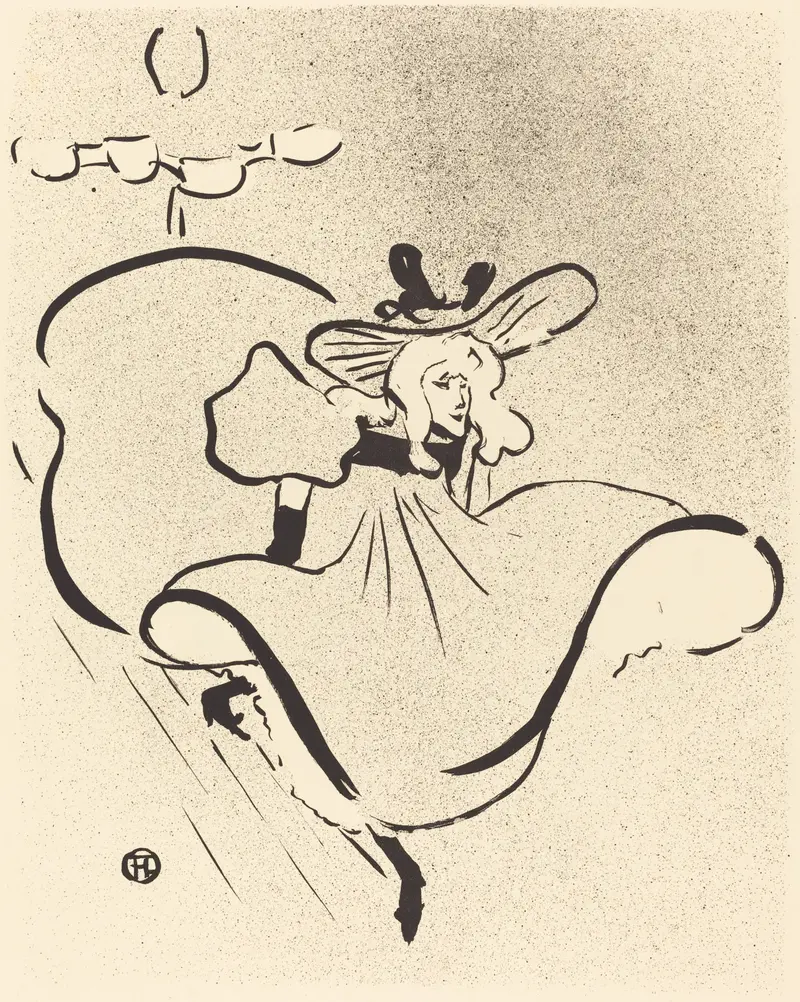
Jane Avril
Henri de Toulouse-Lautrec
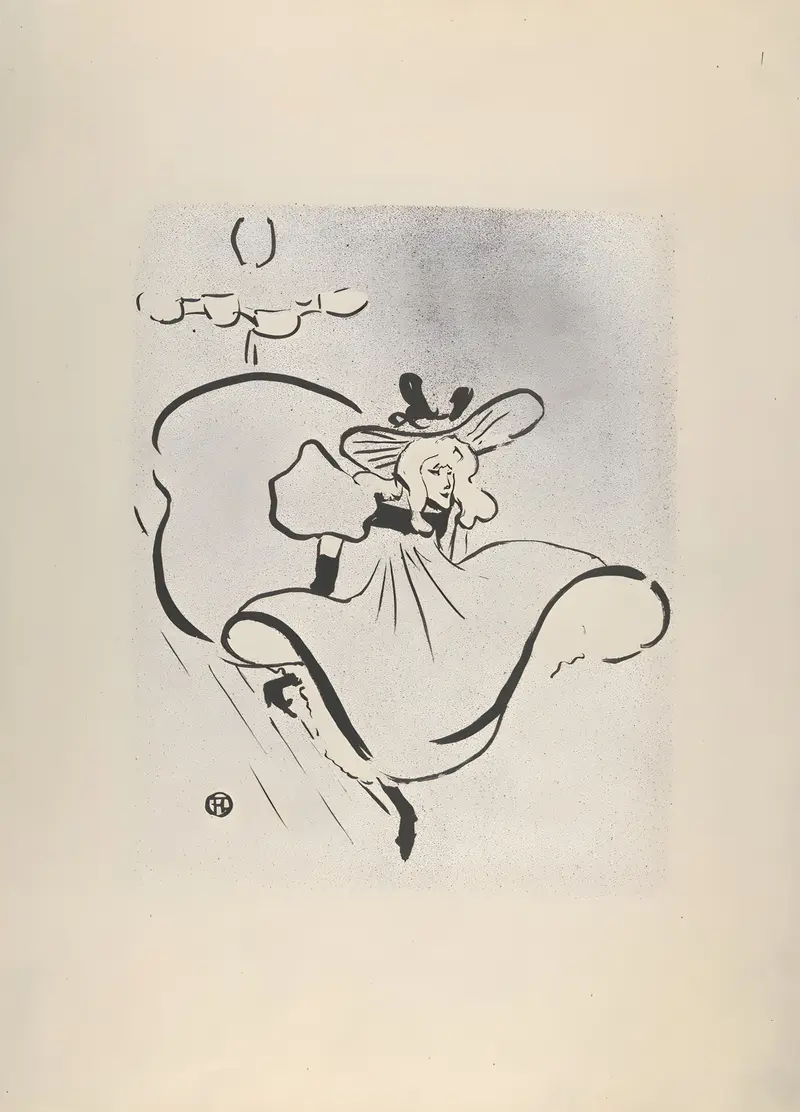
Jane Avril.
Henri de Toulouse-Lautrec

Quadrille at the Moulin Rouge
Henri de Toulouse-Lautrec
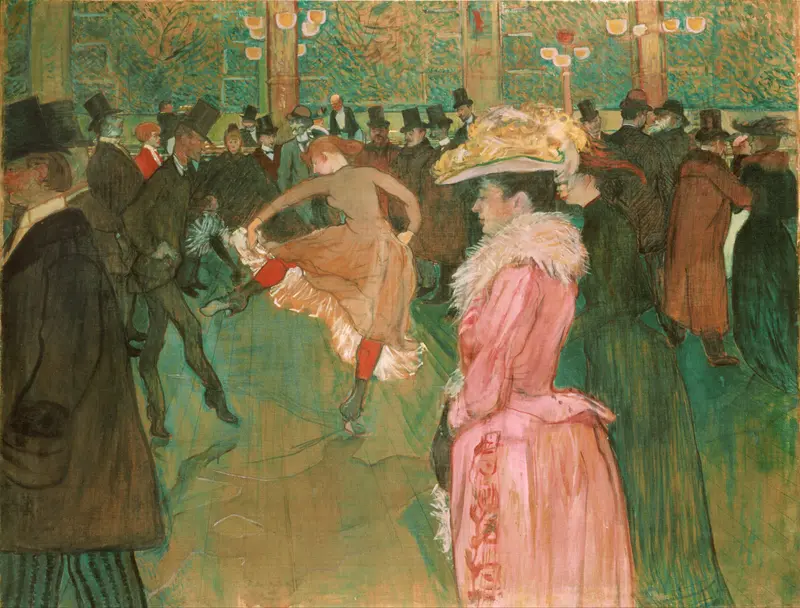
At the Moulin Rouge- The Dance
Henri de Toulouse-Lautrec
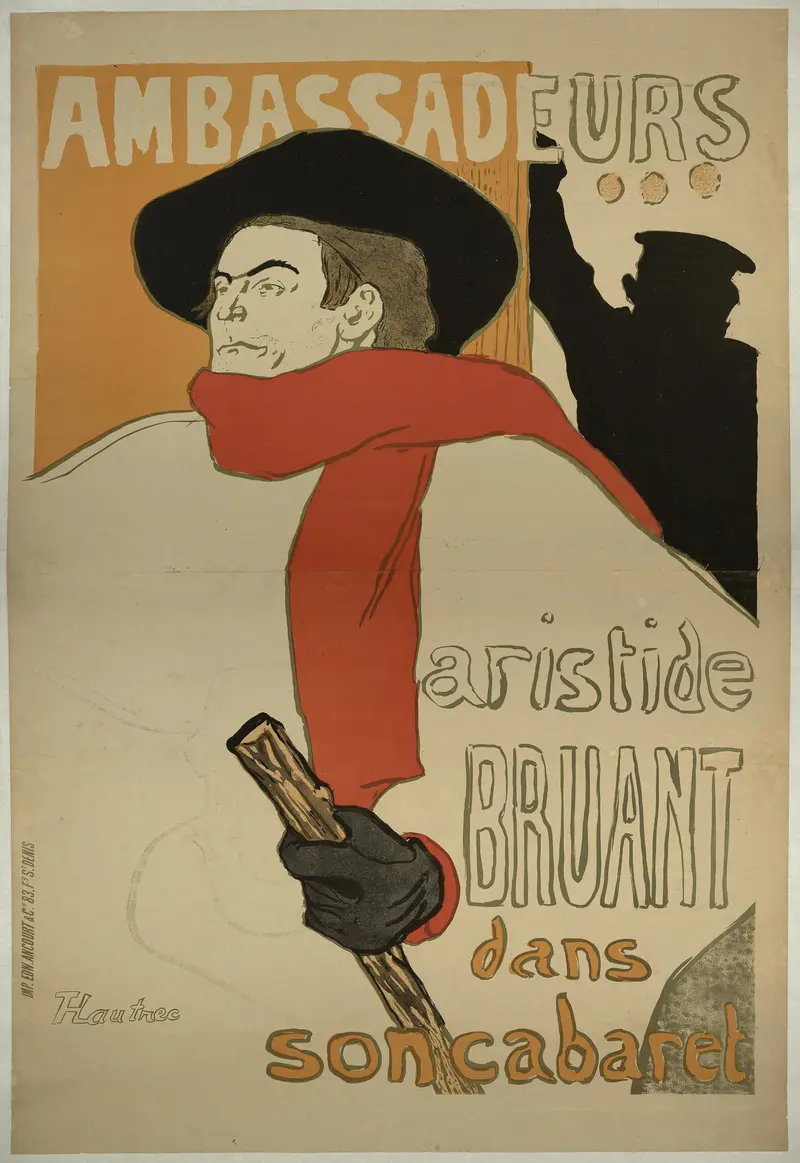
Ambassadeurs. Aristide Bruant dans son cabaret
Henri de Toulouse-Lautrec
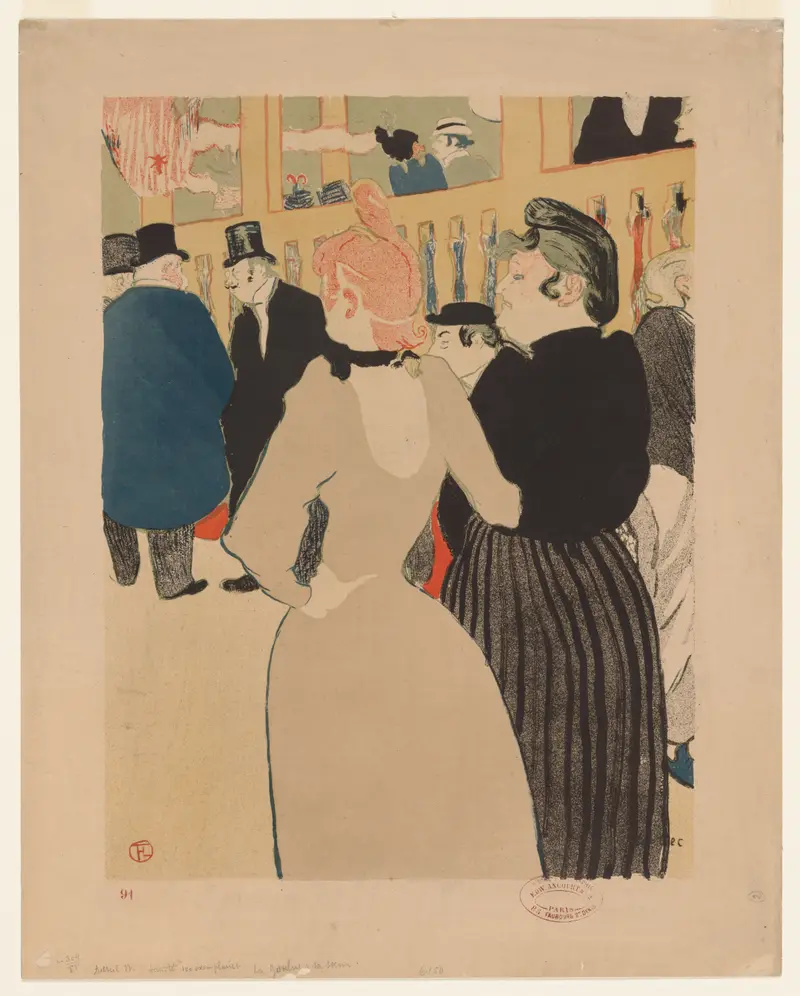
At the Moulin Rouge; La Goulue and Her Sister
Henri de Toulouse-Lautrec
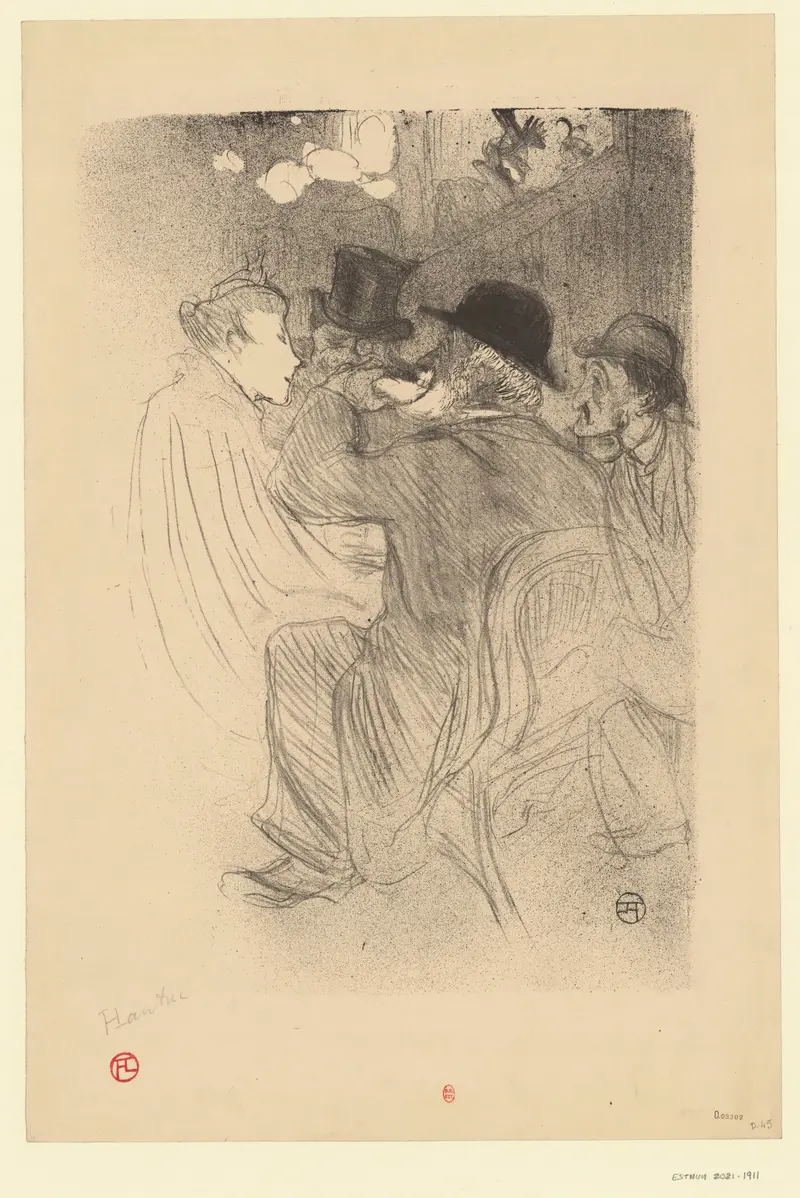
Au Moulin Rouge;Un Rude! Un Vrai Rude!
Henri de Toulouse-Lautrec
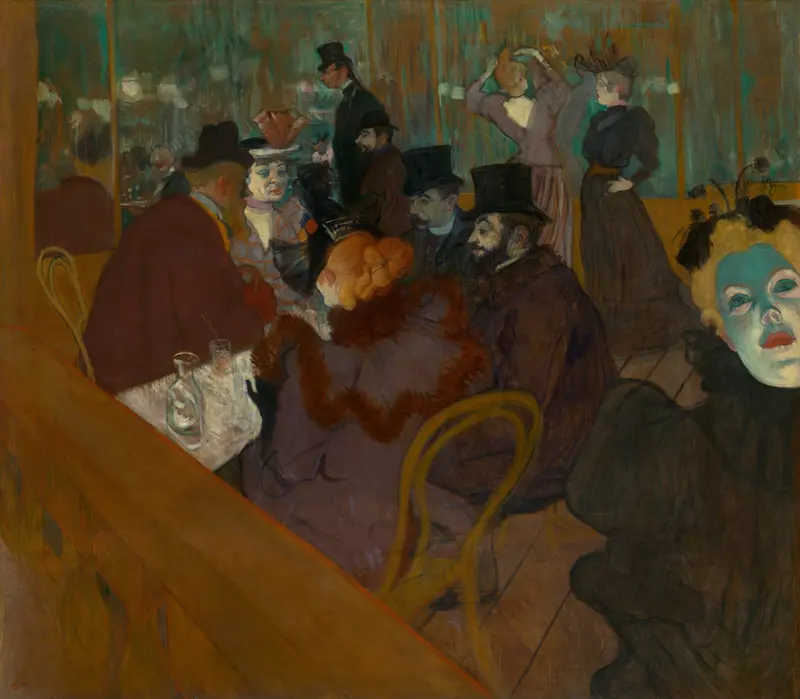
At the Moulin Rouge
Henri de Toulouse-Lautrec
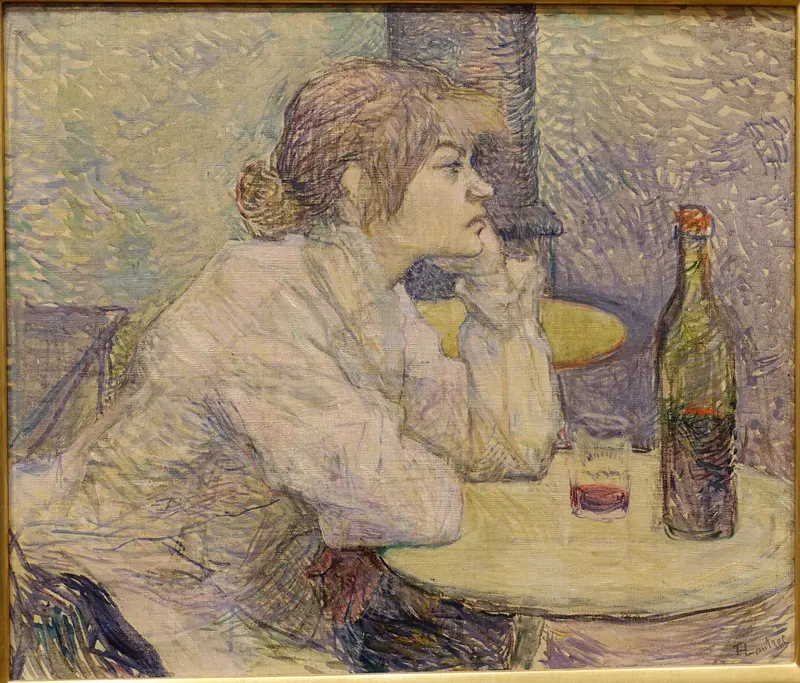
The Hangover (Suzanne Valadon)
Henri de Toulouse-Lautrec
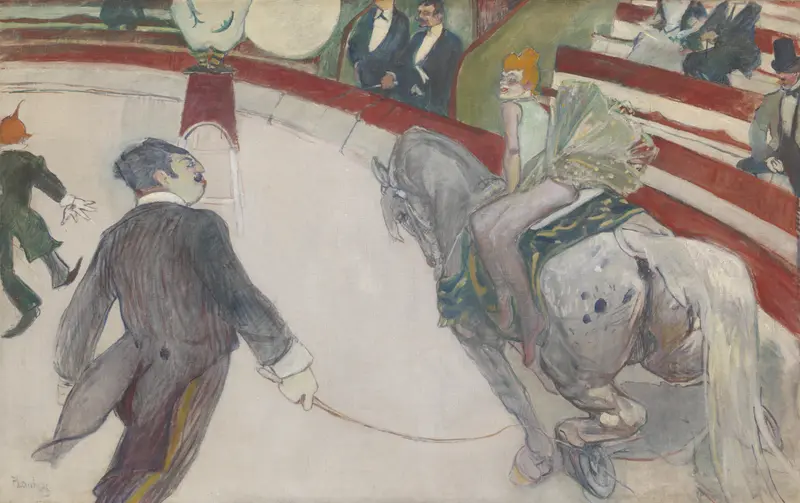
Equestrienne (At the Cirque Fernando)
Henri de Toulouse-Lautrec
More Genre Scene Art

Banquet of the Officers of the St George Civic Guard
Frans Hals

Rembrandt and Saskia in the Scene of the Prodigal Son
Rembrandt van Rijn

Bal du moulin de la Galette
Pierre-Auguste Renoir
Quadrille at the Moulin Rouge
Henri de Toulouse-Lautrec

A Burial at Ornans
Gustave Courbet

When Will You Marry?
Paul Gauguin