
Jane Avril — History & Facts
In Jane Avril, Henri de Toulouse-Lautrec presents a striking portrait of the famous can-can dancer. The painting features a vibrant palette dominated by rich reds, yellows, and greens. Jane Avril is depicted in a lively pose, wearing a flamboyant costume that reflects her dynamic personality.
The background is a blur of color, emphasizing her movement and energy. The painting is executed in oil on canvas, a medium that allows for rich color and texture. Toulouse-Lautrec's brushwork is loose and expressive, capturing the essence of Avril's lively spirit. The dimensions of the artwork are approximately 81 x 60 cm, making it a prominent piece.
The use of color and form highlights the excitement of the Parisian nightlife. Henri de Toulouse-Lautrec was known for his depictions of the bohemian lifestyle in late 19th-century Paris. Jane Avril was one of his muses, and this work showcases her as a symbol of the vibrant entertainment scene. An interesting fact about this painting is that it was created during a time when can-can dancing was at the height of its popularity.
Toulouse-Lautrec's works often celebrated the performers of this era, giving them a lasting legacy.
Sources: National Gallery of Art, record 1947.7.163 · Wikidata Q65073089
More Artworks by Henri de Toulouse-Lautrec
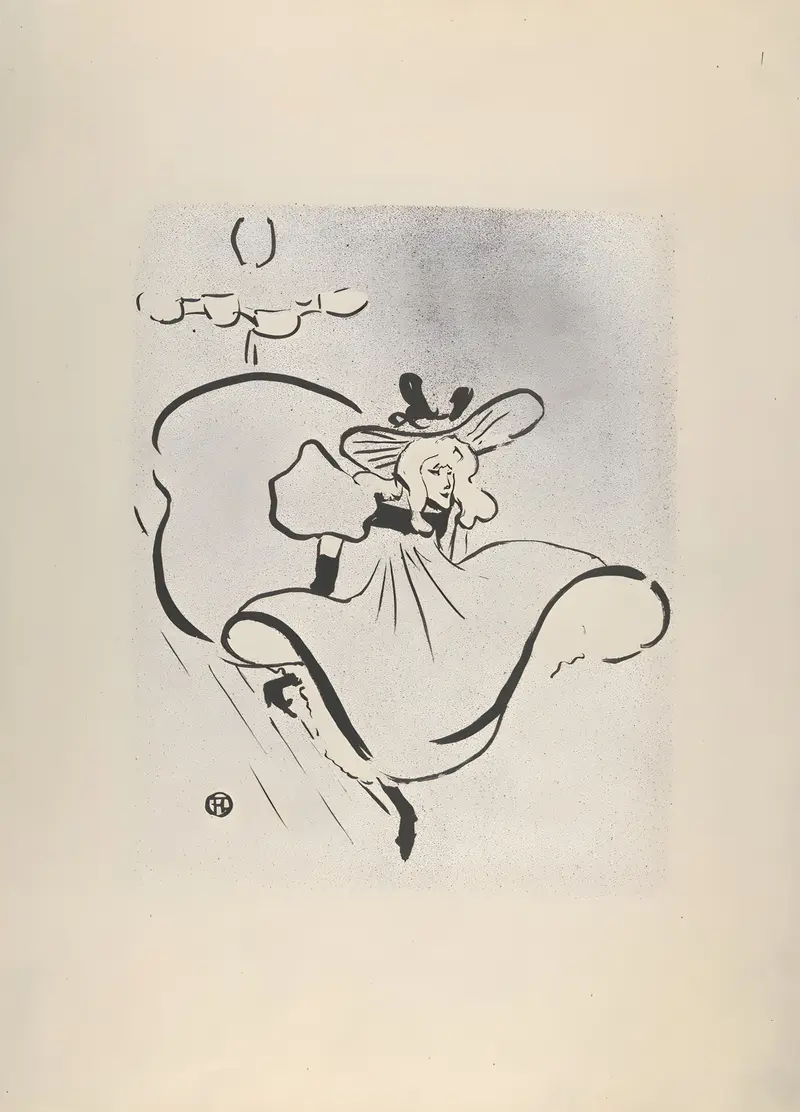
Jane Avril.
Henri de Toulouse-Lautrec

Quadrille at the Moulin Rouge
Henri de Toulouse-Lautrec
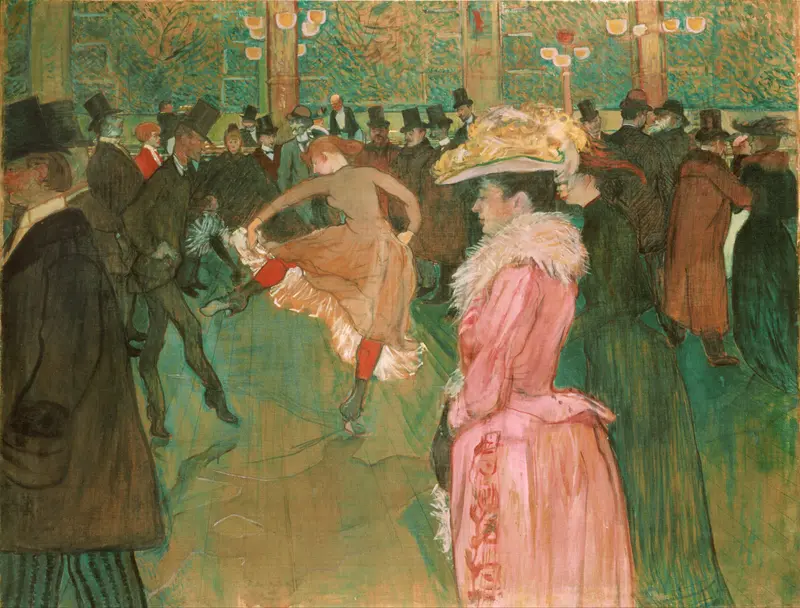
At the Moulin Rouge- The Dance
Henri de Toulouse-Lautrec
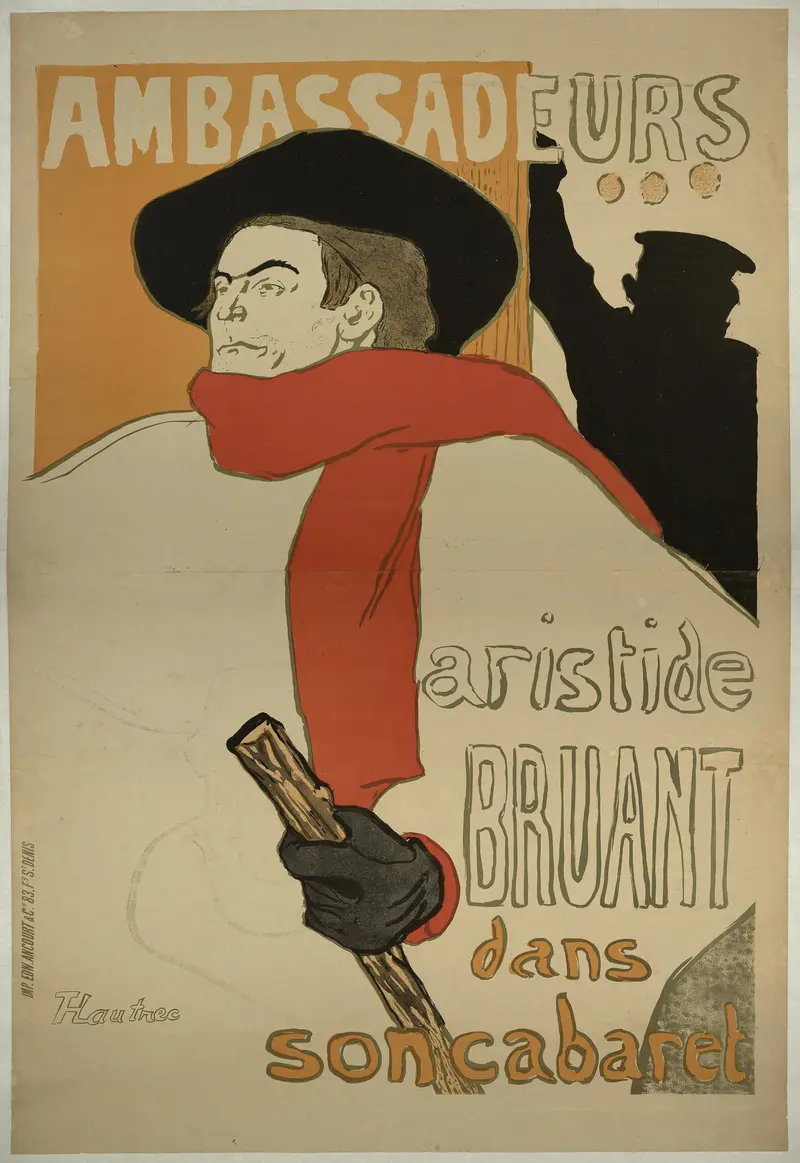
Ambassadeurs. Aristide Bruant dans son cabaret
Henri de Toulouse-Lautrec
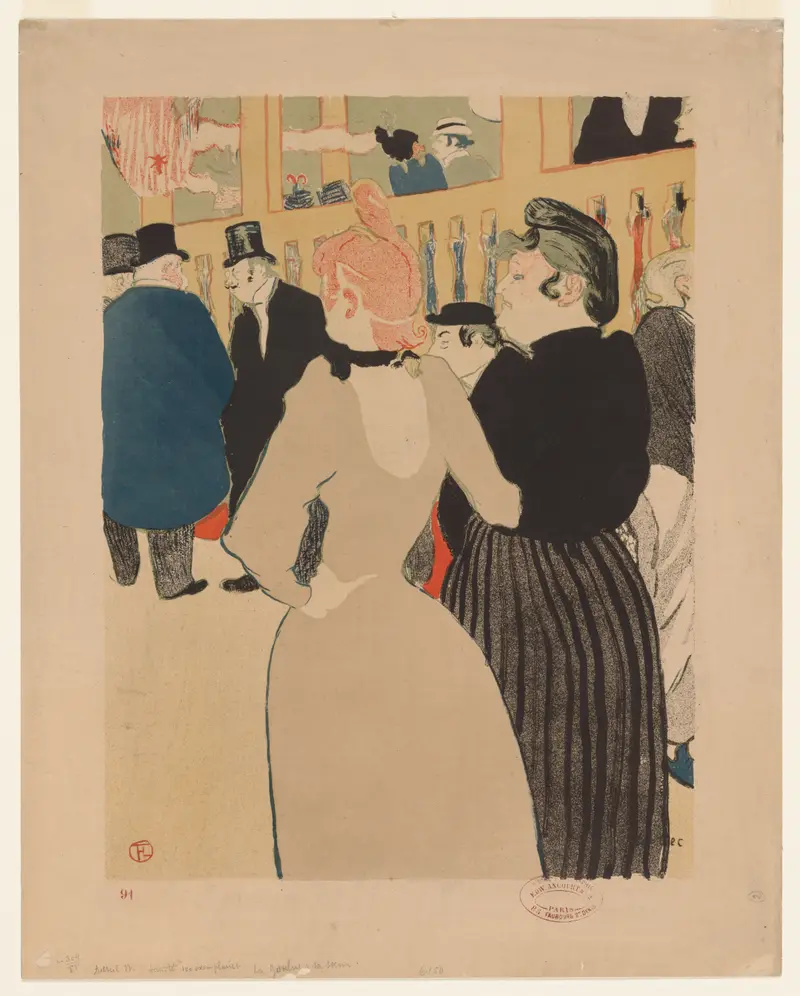
At the Moulin Rouge; La Goulue and Her Sister
Henri de Toulouse-Lautrec
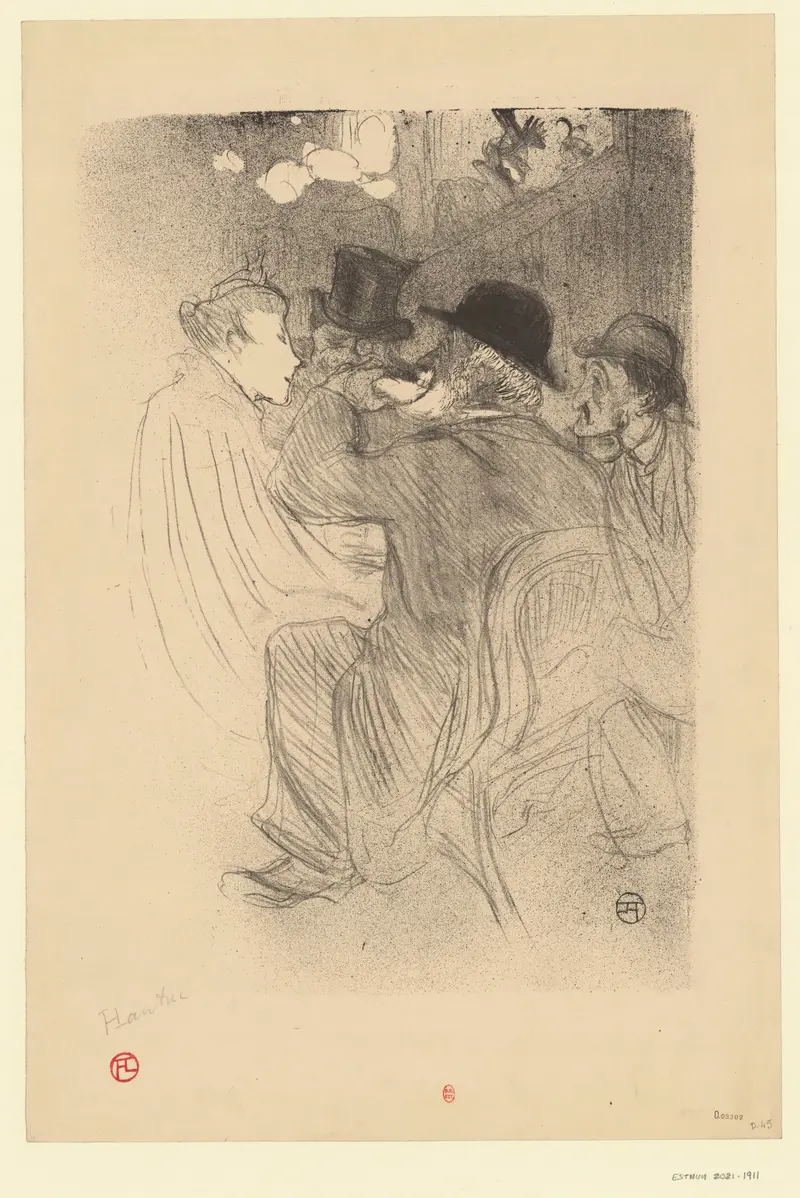
Au Moulin Rouge;Un Rude! Un Vrai Rude!
Henri de Toulouse-Lautrec
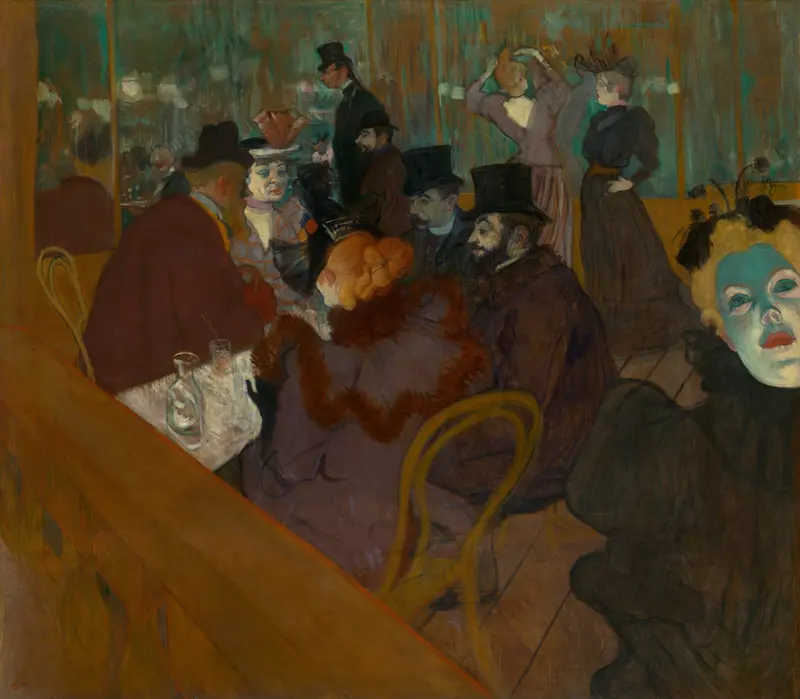
At the Moulin Rouge
Henri de Toulouse-Lautrec
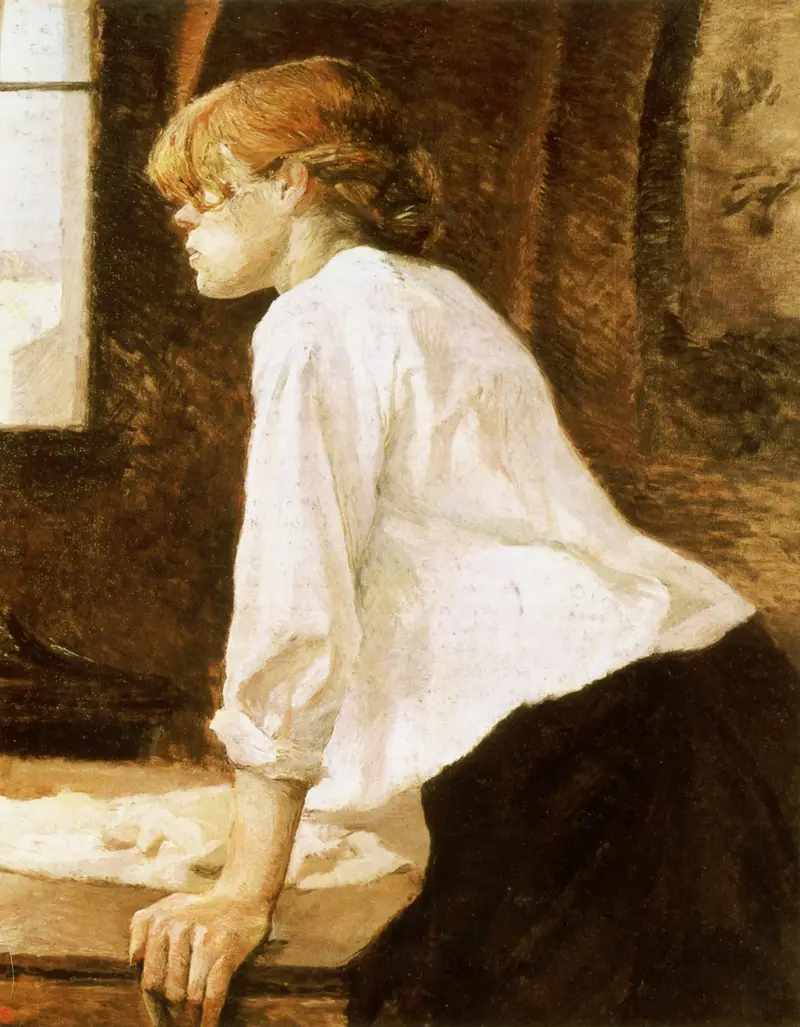
La Blanchisseuse
Henri de Toulouse-Lautrec
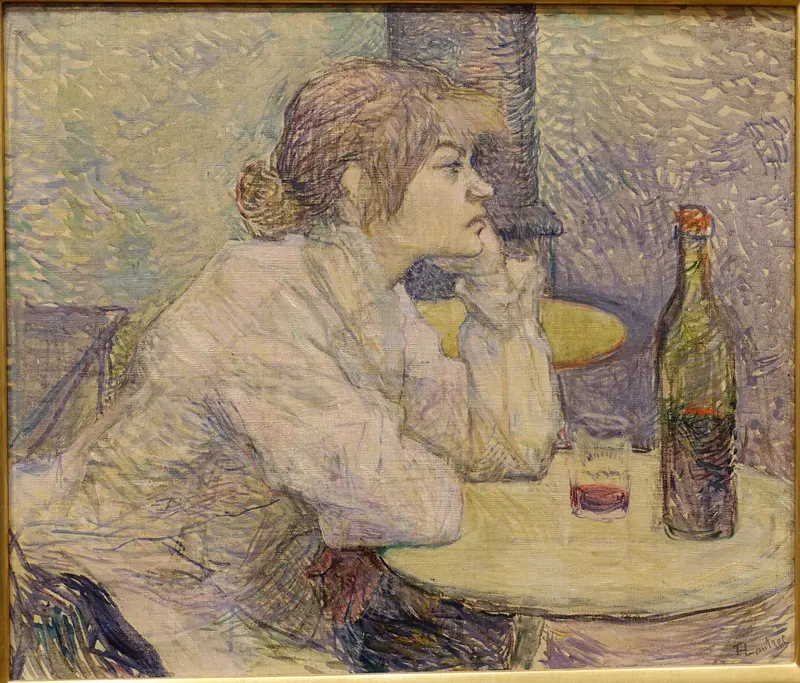
The Hangover (Suzanne Valadon)
Henri de Toulouse-Lautrec
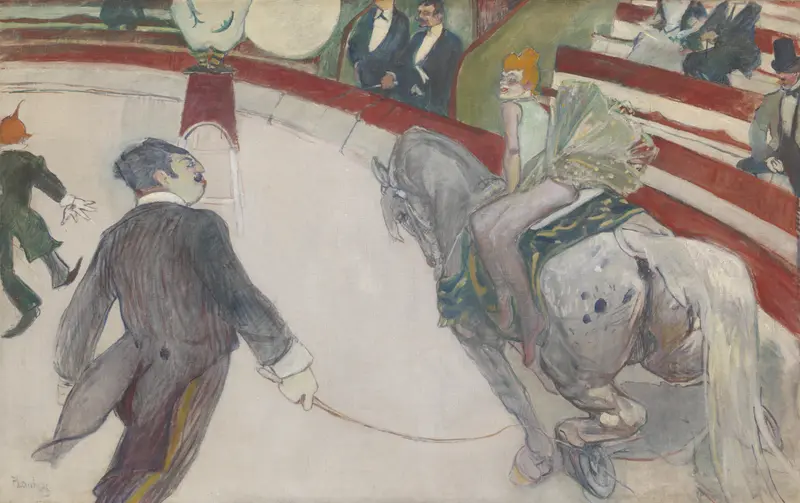
Equestrienne (At the Cirque Fernando)
Henri de Toulouse-Lautrec





