
La campagne au lever du jour — History & Facts
Could a single brushstroke hold eternity? In La campagne au lever du jour, nature awakens in a delicate balance of light and shadow, offering a glimpse into the dawn of existence. Begin your journey in the canvas by focusing on the horizon, where soft hues of orange and pink bleed into the gentle blue of the morning sky. Notice how the light dances over the landscape, illuminating the dew-kissed grass and the silhouettes of distant trees. The artist employs broad, sweeping strokes to evoke movement, while the detailed foliage intertwines precision with the ethereal, guiding your gaze deeper into the serene countryside. As you explore further, consider the contrasts nestled within the composition.
The tranquil scene of awakening life is juxtaposed with the lingering shadows of night, suggesting a temporary state of transition. Each element—the tender light, the gentle undulation of the land, and the budding flora—holds the weight of renewal and promise, whispering the quiet yet profound truths of change and growth inherent in nature's cycles. Rousseau painted this work in 1859 amid a burgeoning movement towards realism in art, capturing the essence of the French countryside during an era marked by industrialization and urbanization. Seeking solace in nature, he sought to convey its untouched beauty, reflecting both his personal struggles and the collective yearning for authenticity in a rapidly changing world.
More Artworks by Théodore Rousseau
Browse all →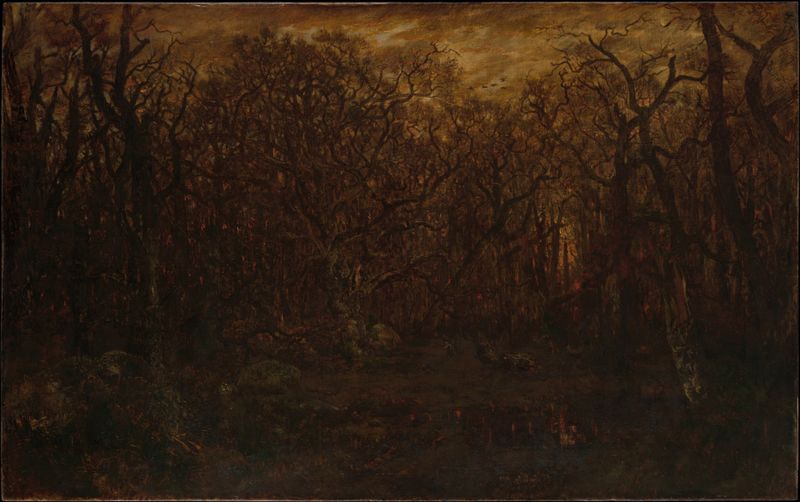
The Forest in Winter at Sunset
Théodore Rousseau
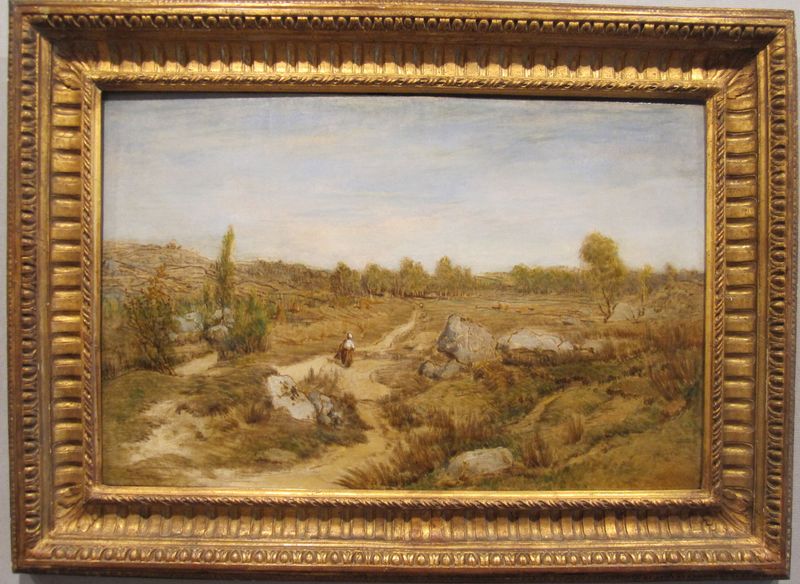
Valley of the Rouars in the Gorges d’Apremont
Théodore Rousseau
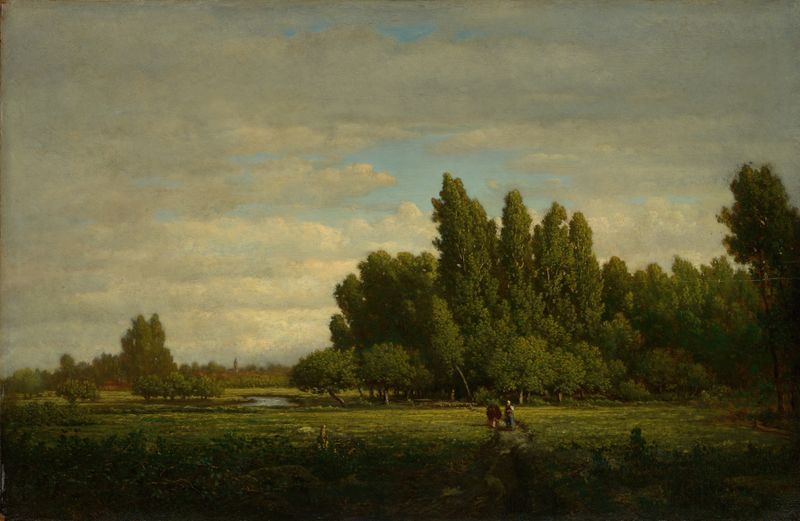
A Meadow Bordered by Trees
Théodore Rousseau
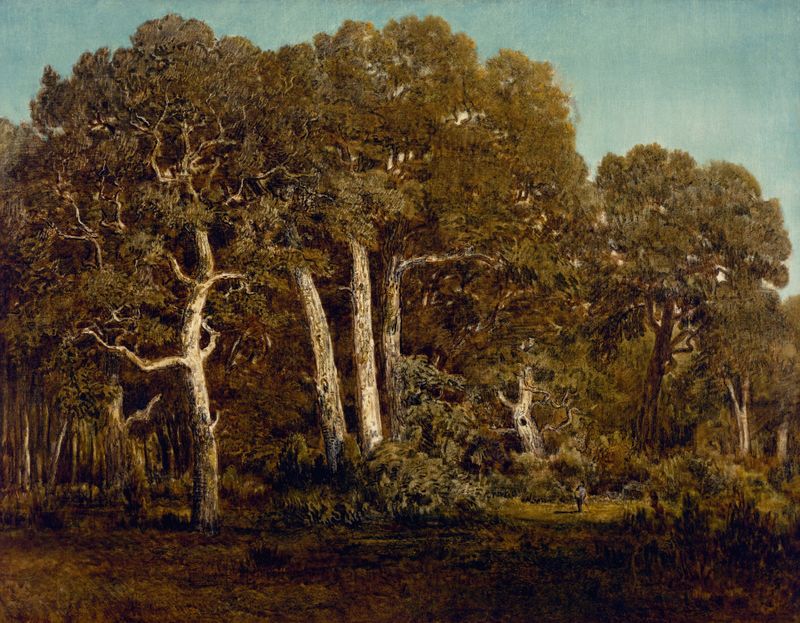
The Great Oaks of Old Bas-Bréau
Théodore Rousseau
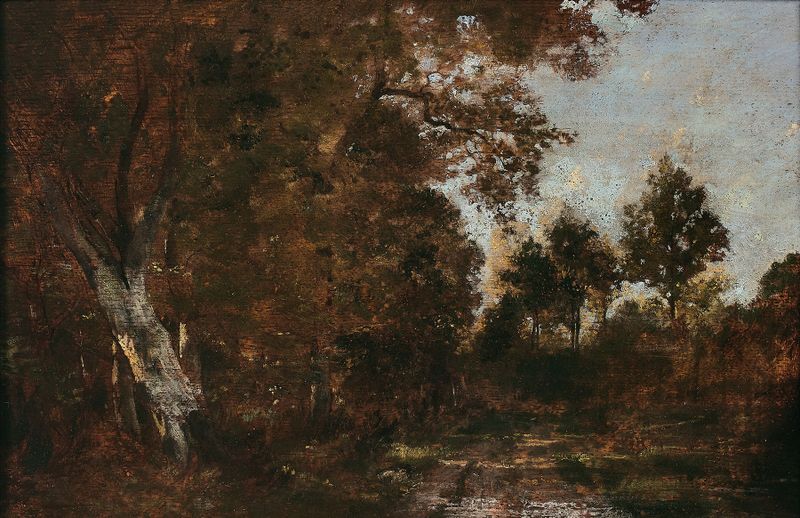
Paysage de sous-bois
Théodore Rousseau
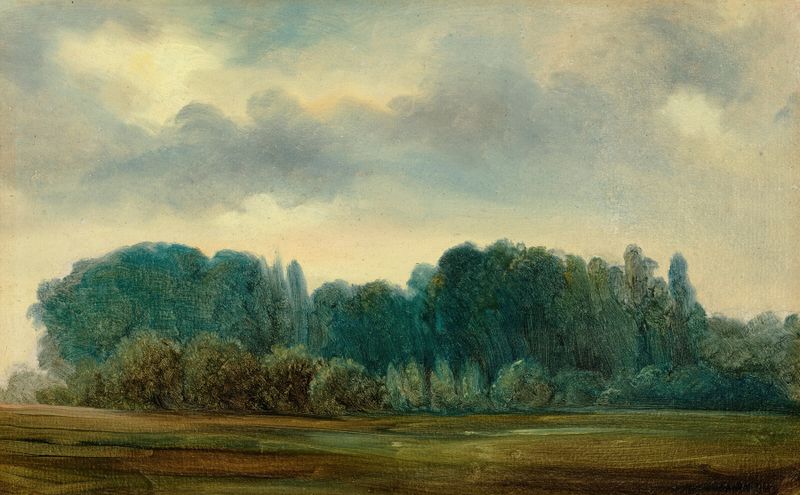
Paysage
Théodore Rousseau
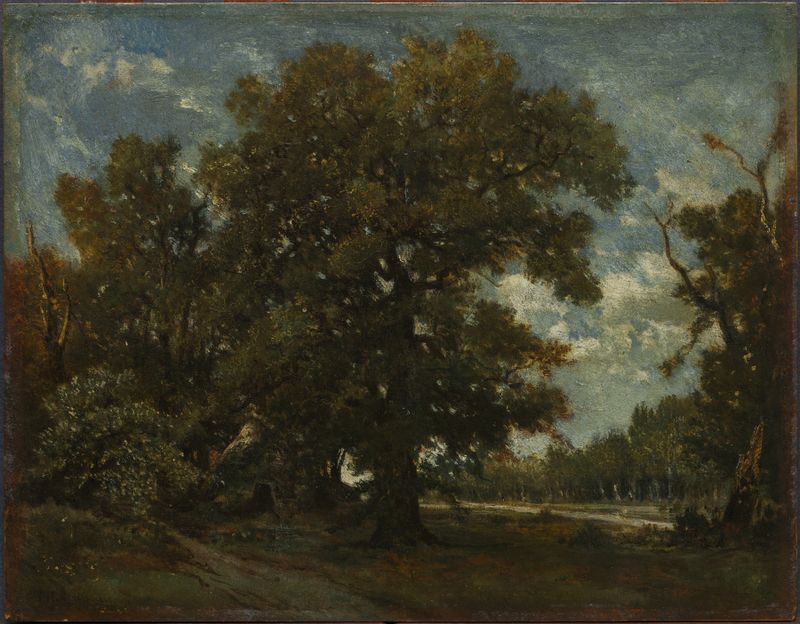
The Oak Tree
Théodore Rousseau
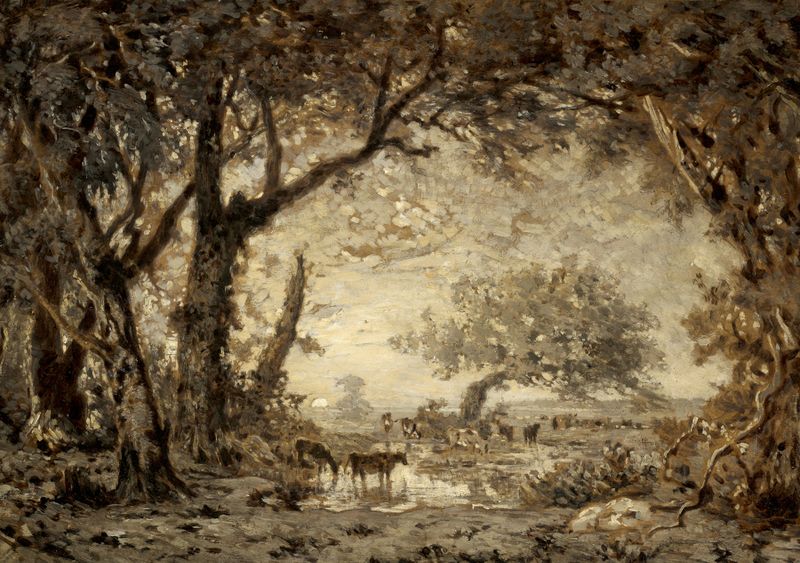
Sunset from the Forest of Fontainebleau
Théodore Rousseau
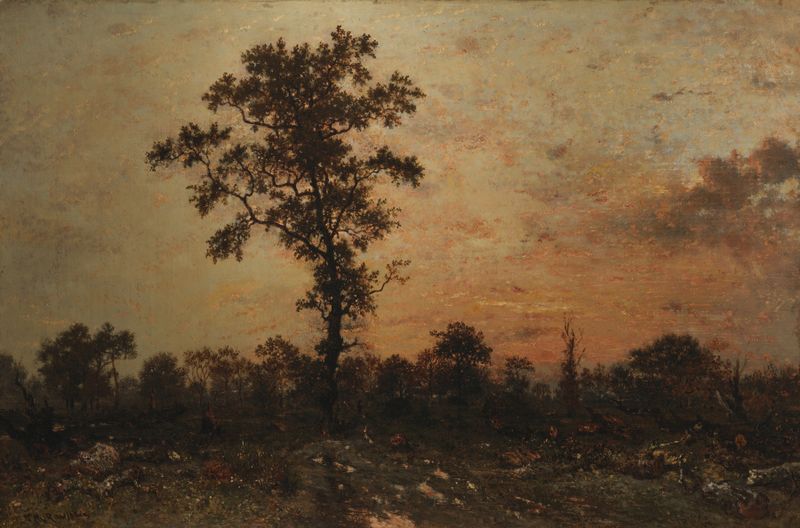
Edge of the Forest, Sun Setting
Théodore Rousseau
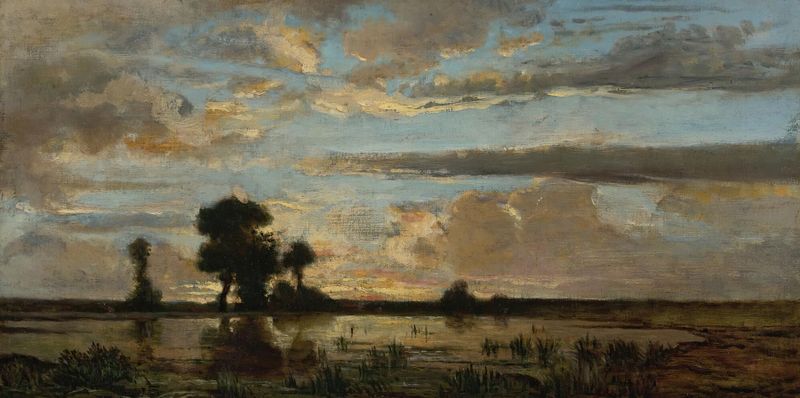
Soleil Couchant
Théodore Rousseau





