
La Cité et le Pont-Neuf — History & Facts
Could beauty survive in a century of chaos? In Ferdinand Boberg's La Cité et le Pont-Neuf, the haunting interplay of architecture and emotion whispers that it can, albeit with a lingering sense of melancholy. Look to the foreground, where the iconic Pont-Neuf arches gracefully span the river, their sturdy forms juxtaposed against the soft ripples of the water below. The muted palette of ochres and blues envelops the scene, evoking a dreamlike quality that beckons the viewer to linger. Notice how the light dances on the surface of the river, illuminating the vibrant reflections that mirror the historical grandeur of the city in a moment of stillness. In the background, a sense of nostalgia permeates the air, as the city’s skyline rises like a memory both cherished and lost.
The delicate details of the buildings—each window and rooftop—tell stories of the past, suggesting a longing for the simplicity of earlier times. The tranquil surface of the water contrasts sharply with the turmoil brewing in the world beyond the frame, a poignant reminder of how beauty remains resilient even amidst chaos. Boberg painted this piece in 1926, during a period of significant change and uncertainty in Europe. The aftermath of World War I loomed large, impacting artists and their visions, prompting them to reflect on themes of loss, remembrance, and resilience.
This work encapsulates the artist's desire to capture the enduring spirit of Paris, even as the world around it was in flux, weaving together a narrative of hope and melancholy.
More Artworks by Ferdinand Boberg
Browse all →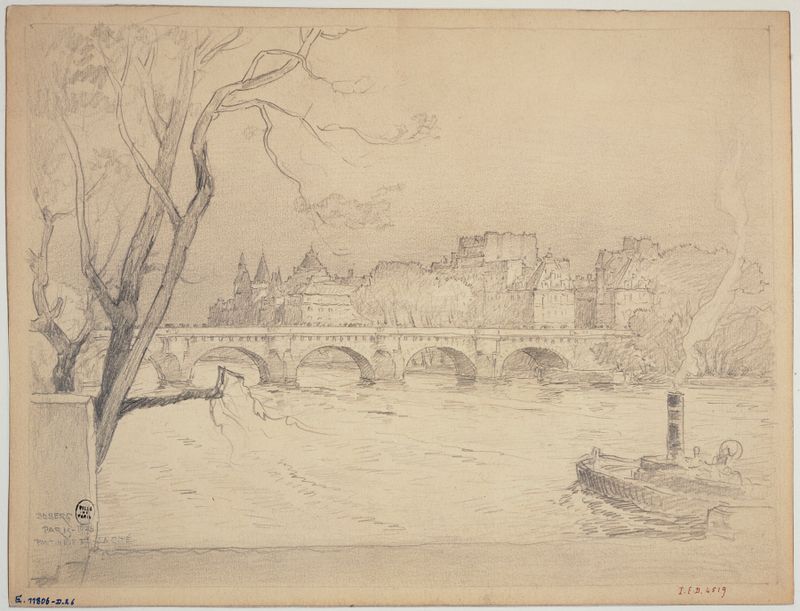
Le Pont-Neuf et la Cité
Ferdinand Boberg
Les bains Vigier au Pont-Neuf
Ferdinand Boberg
Valsta Gård
Ferdinand Boberg
Trosa
Ferdinand Boberg
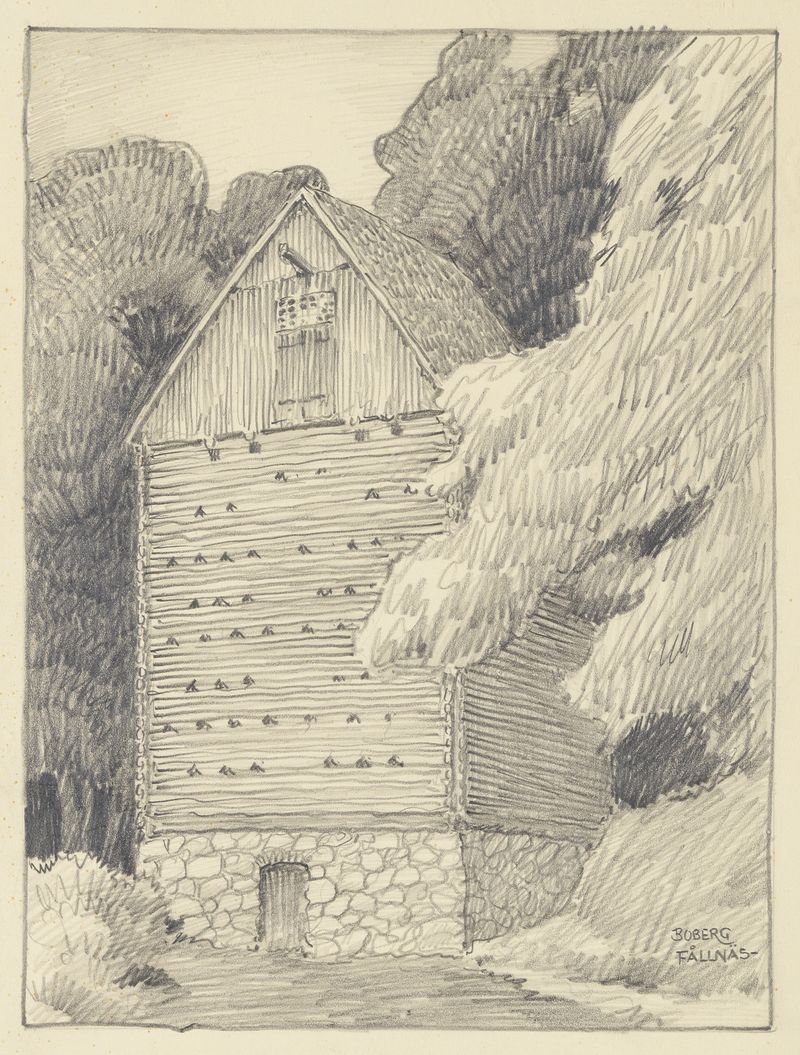
Fållnäs
Ferdinand Boberg
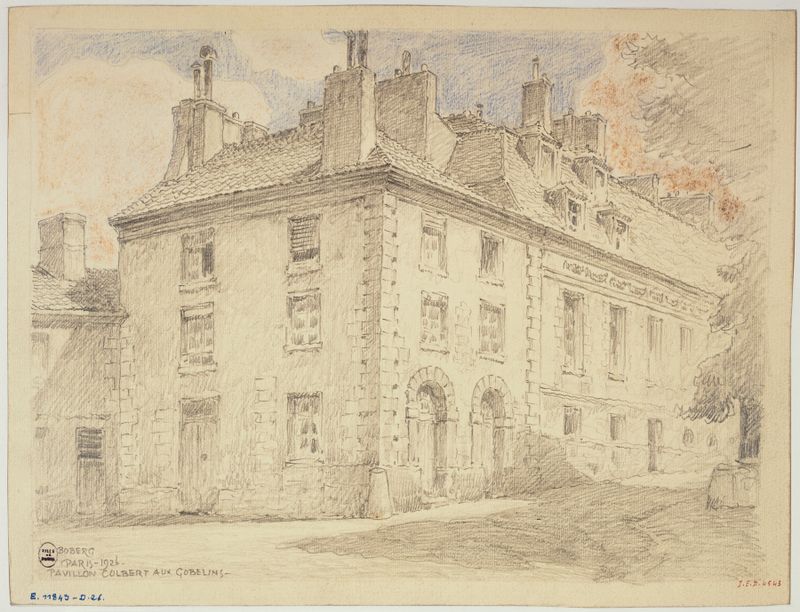
Le pavillon Colbert aux Gobelins
Ferdinand Boberg
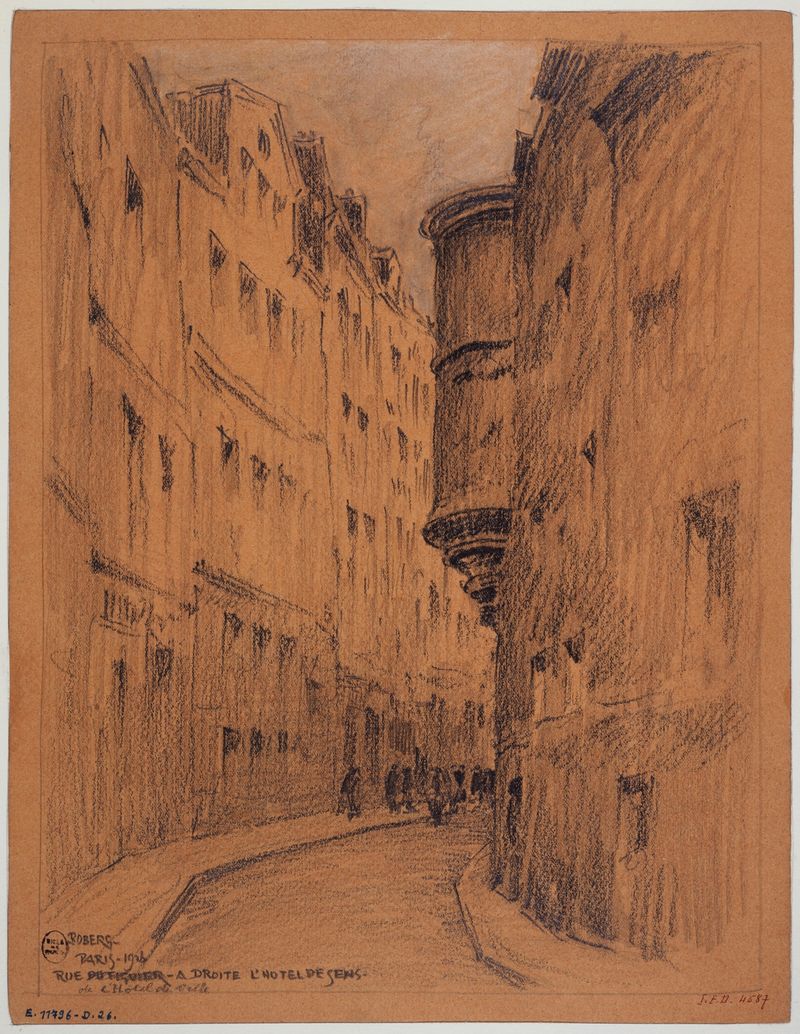
Rue de l’Hôtel de Ville; l’hôtel de Sens
Ferdinand Boberg
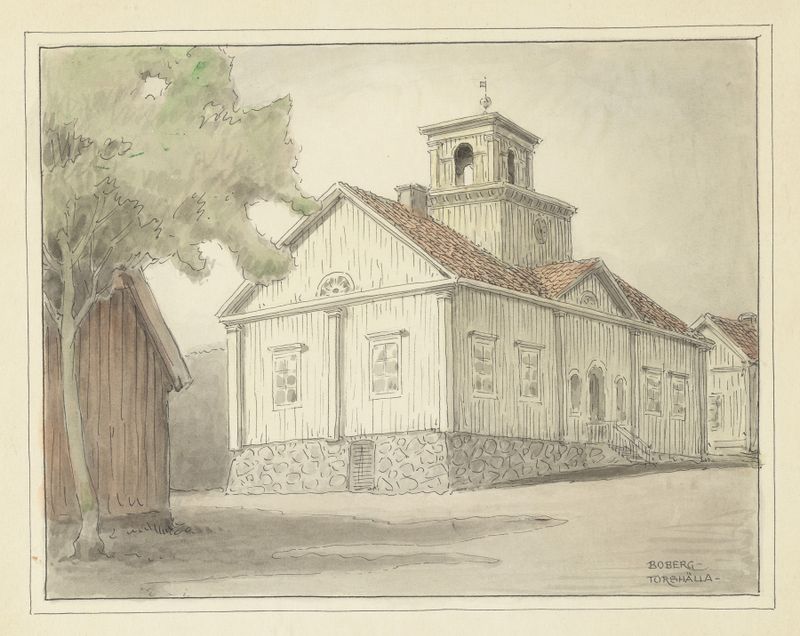
Torshälla
Ferdinand Boberg
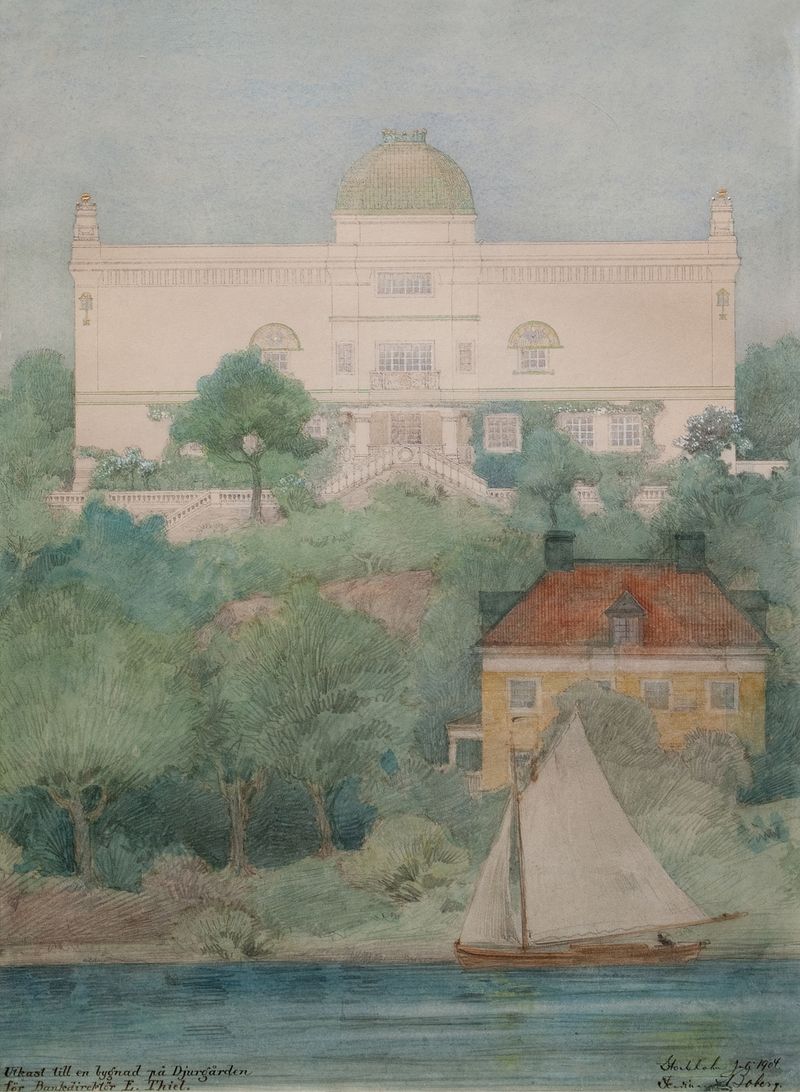
Sketch for a building for Thiel’s Gallery
Ferdinand Boberg
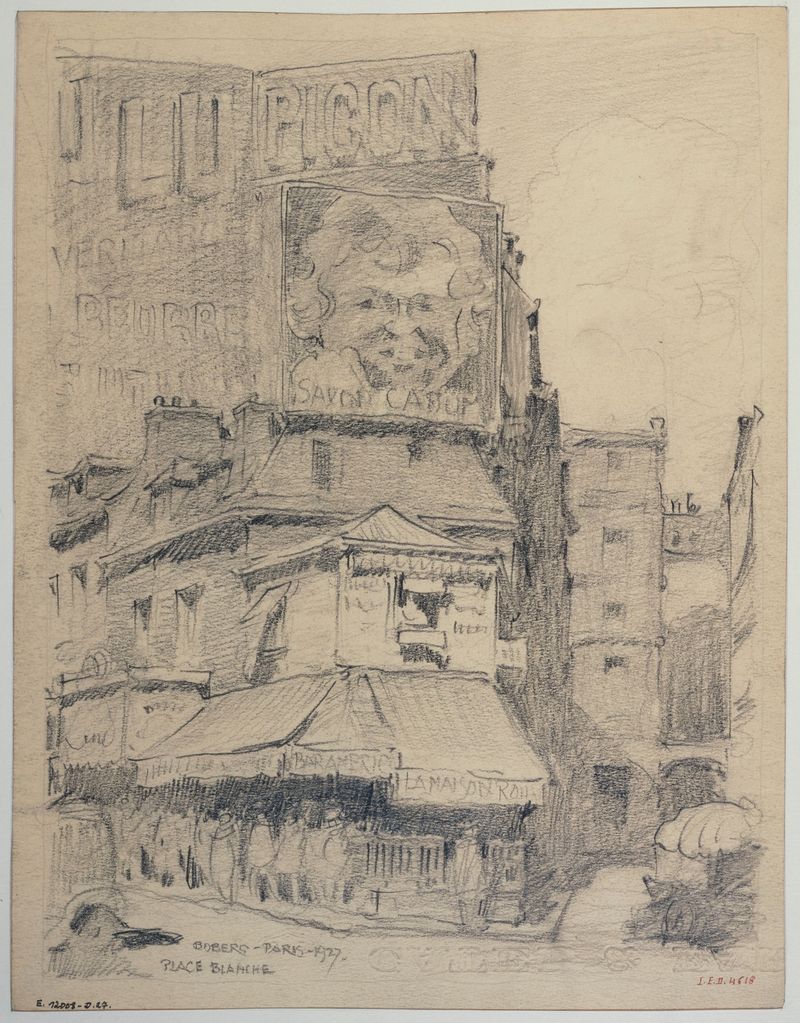
La place Blanche
Ferdinand Boberg
More Architecture Art
Browse all →
The statue of Liberty
Frédéric Auguste Bartholdi

View of Houses in Delft, Known as ‘The Little Street’
Johannes Vermeer

View of Houses in Delft, Known as ‘The Little Street’
Johannes Vermeer

The Cathedral in Rouen. The portal, Grey Weather
Claude Monet

The yellow house
Vincent van Gogh

The Church in Auvers-sur-Oise, View from the Chevet
Vincent van Gogh