
La Cité et une partie du Pont-Neuf — History & Facts
What if silence could speak through light? In La Cité et une partie du Pont-Neuf, the weight of fear is palpable, captured in the stillness and illumination that envelops the scene. Look to the left at the soft glow emanating from the water, reflecting the intricate architecture of the bridge and the looming structures of the cityscape. Notice how the muted colors of the buildings contrast with the luminous sky, creating a haunting sense of anticipation. The composition draws the eye toward the bridge, a central axis of the painting, where shadows play and form a dialogue with the light, hinting at untold stories hidden in the urban expanse. Delve deeper into the subtle details: the way the light shimmers across the river, almost whispering of memories held within its depths, and the elongated shadows that stretch across the cobblestones, evoking a sensation of unease.
The juxtaposition of the serene water and the imposing, dark silhouettes of the city reflects the inherent duality of urban life—beauty intertwined with a lurking dread, reminding us that every peaceful moment can quickly dissolve into chaos. Ferdinand Boberg painted this work in 1926 amidst a rapidly changing European landscape, marked by the aftermath of World War I and the emerging Modernist movement. Living in Paris, he was influenced by the interplay of light and shadow in the city, capturing the essence of his surroundings while navigating personal and societal fears. This painting encapsulates a moment in time where tranquility and anxiety coexist, resonating with viewers on multiple levels.
More Artworks by Ferdinand Boberg
Browse all →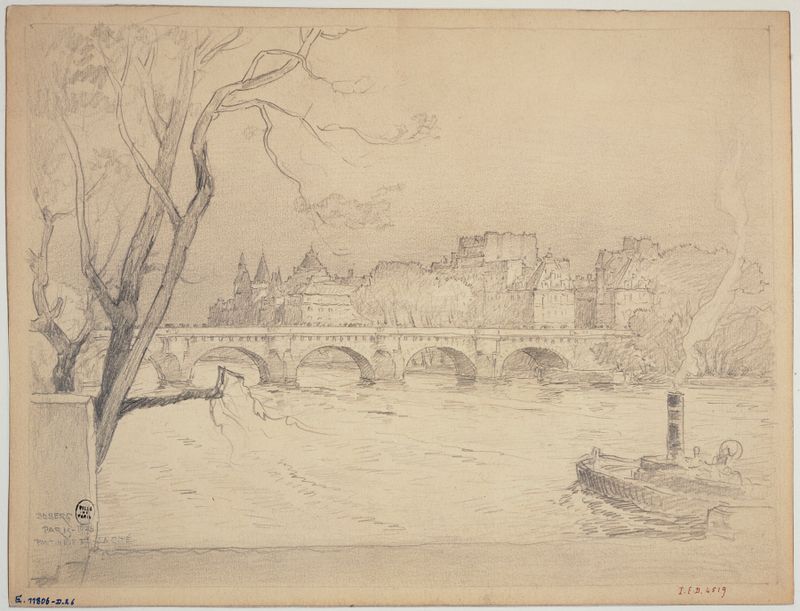
Le Pont-Neuf et la Cité
Ferdinand Boberg
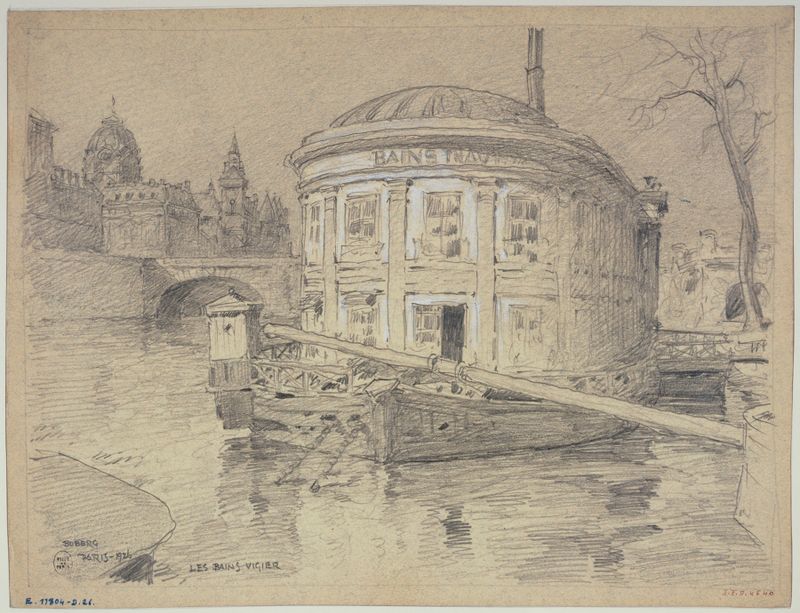
Les bains Vigier au Pont-Neuf
Ferdinand Boberg
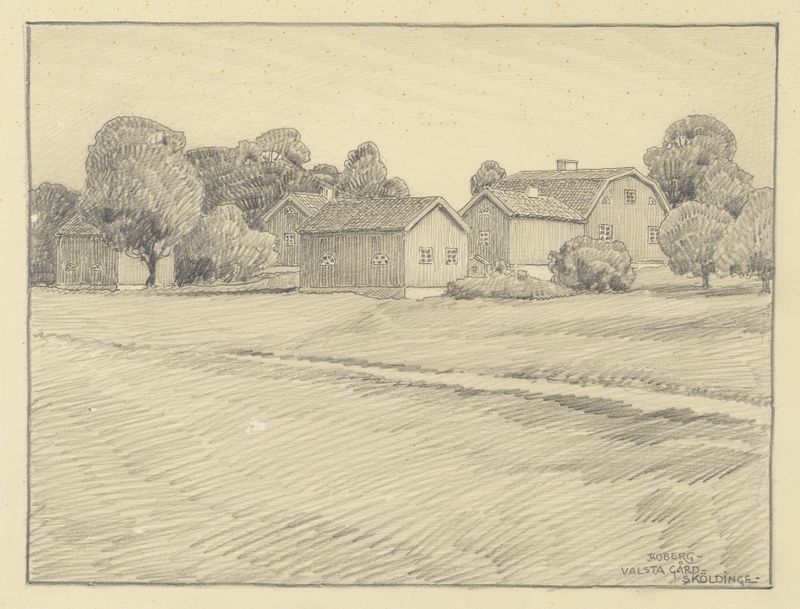
Valsta Gård
Ferdinand Boberg
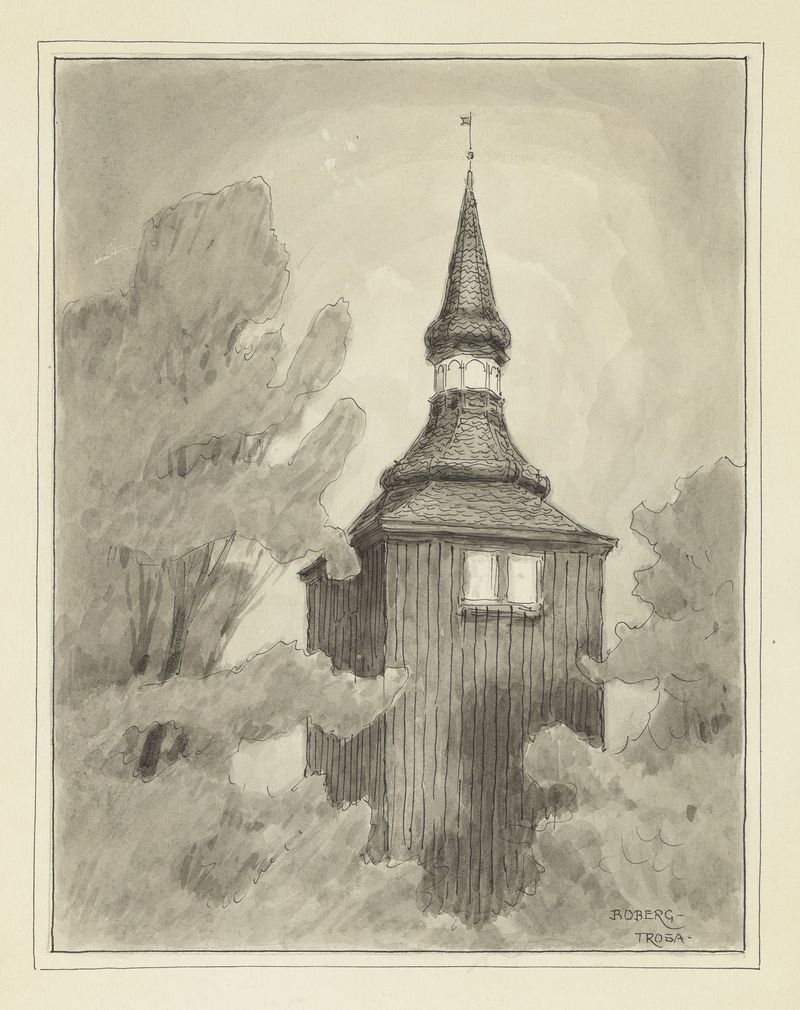
Trosa
Ferdinand Boberg
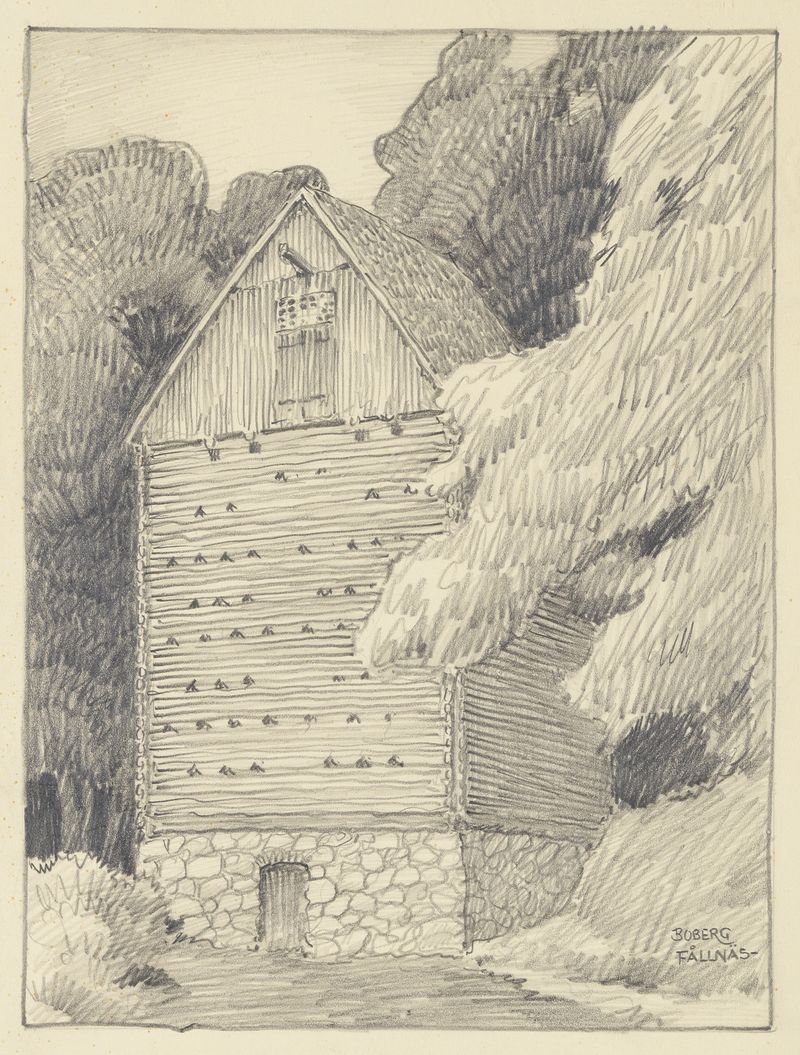
Fållnäs
Ferdinand Boberg
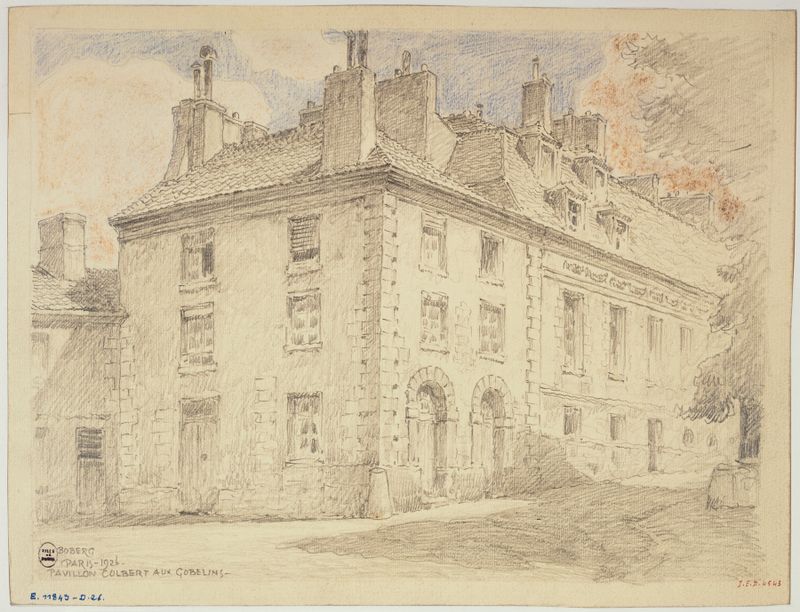
Le pavillon Colbert aux Gobelins
Ferdinand Boberg
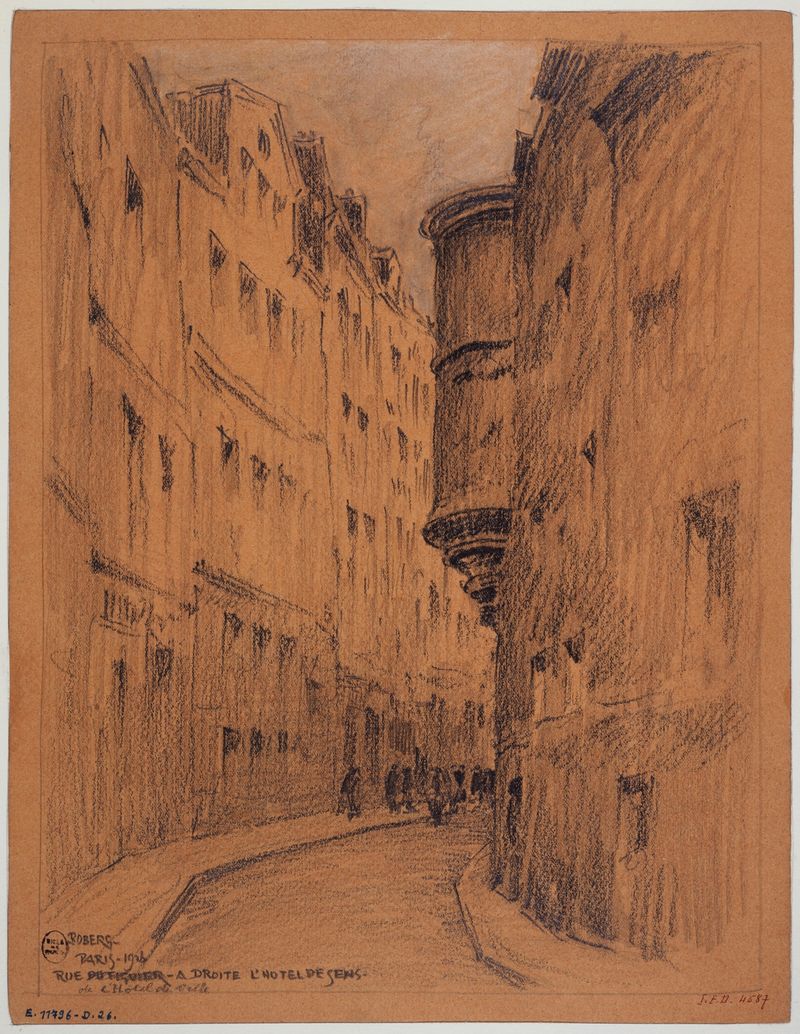
Rue de l’Hôtel de Ville; l’hôtel de Sens
Ferdinand Boberg
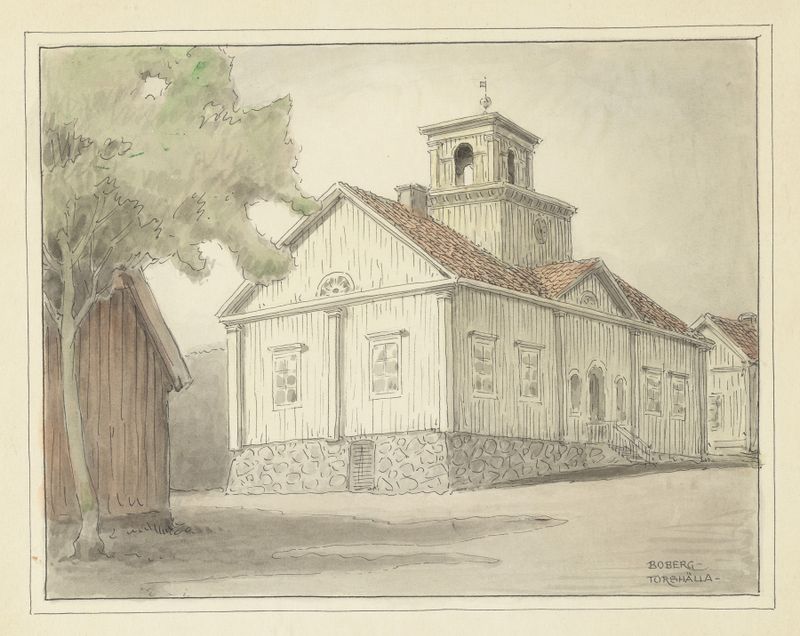
Torshälla
Ferdinand Boberg
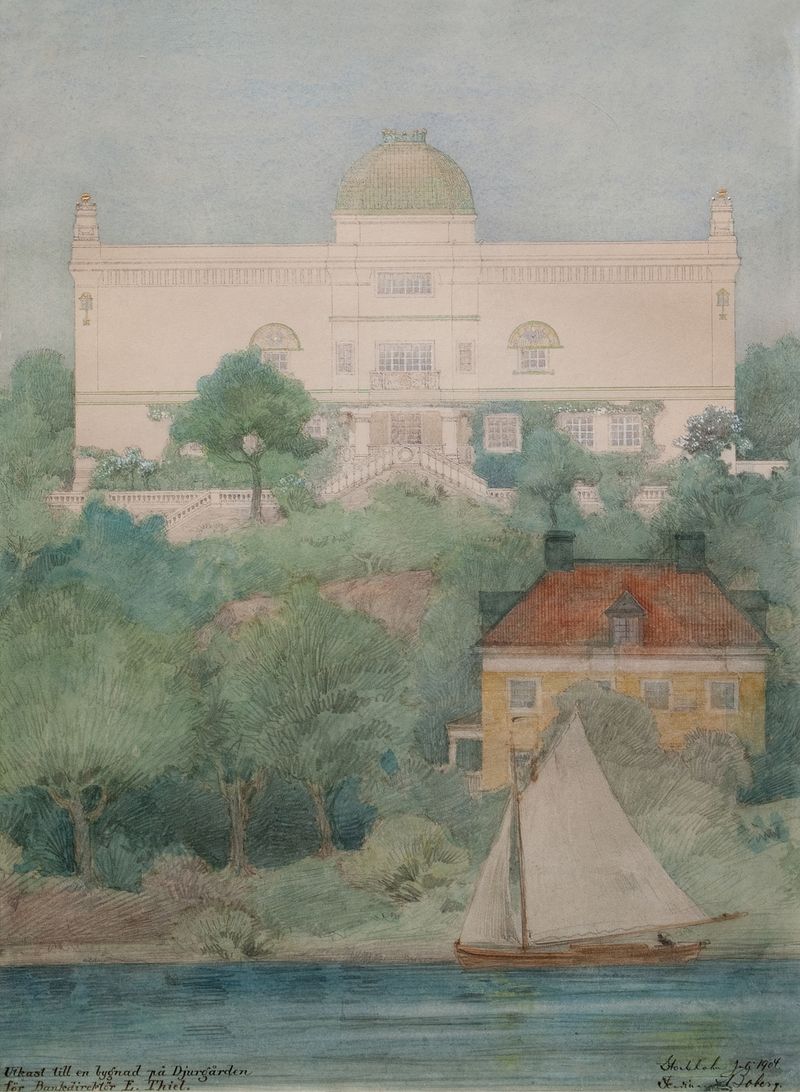
Sketch for a building for Thiel’s Gallery
Ferdinand Boberg
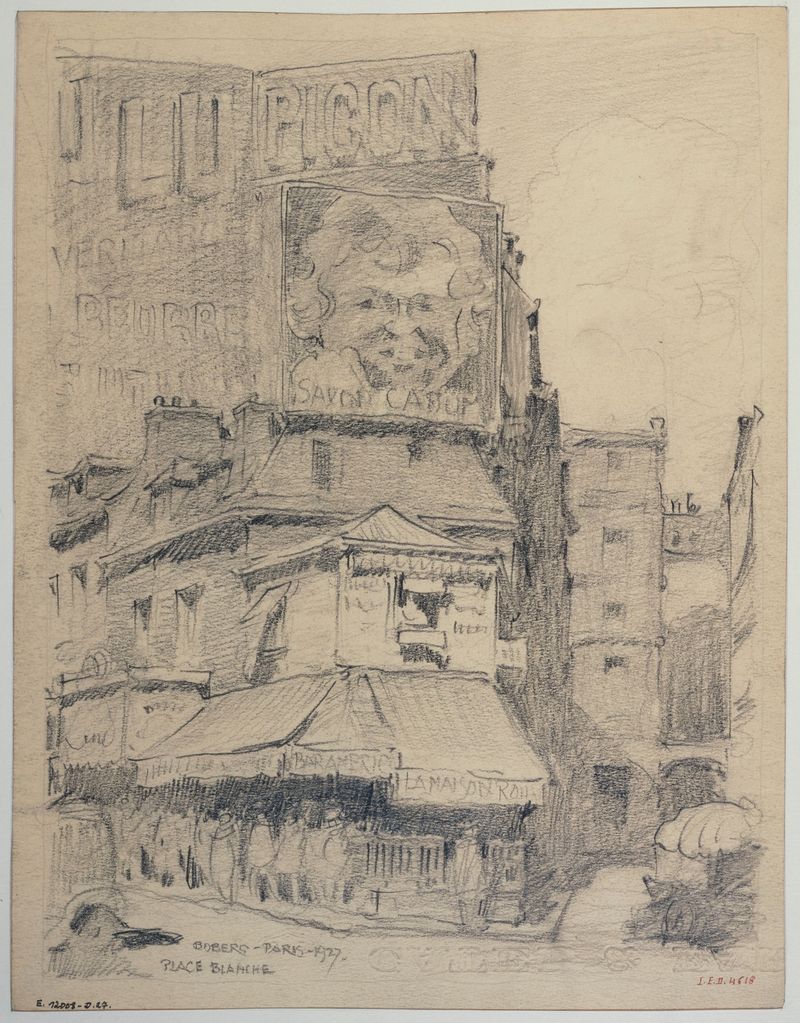
La place Blanche
Ferdinand Boberg
More Architecture Art
Browse all →
The statue of Liberty
Frédéric Auguste Bartholdi

View of Houses in Delft, Known as ‘The Little Street’
Johannes Vermeer

View of Houses in Delft, Known as ‘The Little Street’
Johannes Vermeer

The Cathedral in Rouen. The portal, Grey Weather
Claude Monet

The yellow house
Vincent van Gogh

The Church in Auvers-sur-Oise, View from the Chevet
Vincent van Gogh