
La cour de Rohan — History & Facts
Can beauty exist without sorrow? In La cour de Rohan, the essence of beauty is intertwined with the weight of history, inviting the viewer into its enigmatic embrace. Look closely at the soft light casting gentle shadows across the cobblestone courtyard. Notice how the intricate architecture frames the scene, pulling your gaze toward the arched doorway at the end where secrets seem to linger. The muted palette—earthy browns, soft greens, and a whisper of blue—evokes a sense of tranquility, while the delicate brushstrokes breathe life into the ornate details of the façade.
Each element, from the textured stones to the ethereal quality of the light, reflects a masterful command of technique that draws us deeper into this serene moment. Yet, beneath this facade of beauty lies an undercurrent of melancholy. The emptiness of the courtyard speaks of stories untold, a silence that resonates with the echoes of past gatherings. The ghostly absence of figures hints at transience, reminding us that beauty often exists in quiet solitude.
The juxtaposition of stability in the architecture against the ephemeral nature of life invites contemplation about what has been lost, urging the viewer to reflect on their own experiences of beauty and sorrow. Created in 1896, this piece emerged during a period when the artist was immersed in the vibrant art scene of Paris. As trends shifted towards Impressionism, Séguin’s exploration of light and space became distinct yet relevant, marking his desire to capture the essence of everyday life. The world was buzzing with change, but this work stands as a testament to his ability to preserve beauty amidst the currents of time, revealing a quiet resilience that resonates still today.
More Artworks by F. Séguin
Browse all →
Rue Brantôme. (anciennement rue des Petits Champs donnant rue Saint Martin et rue Beaubourg)
F. Séguin
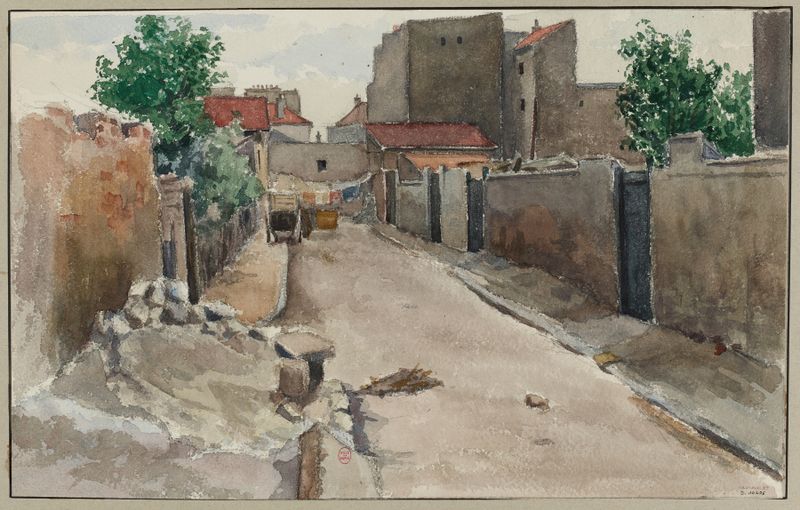
La rue de Chambéry, prise de la rue de Nice la Frontière
F. Séguin
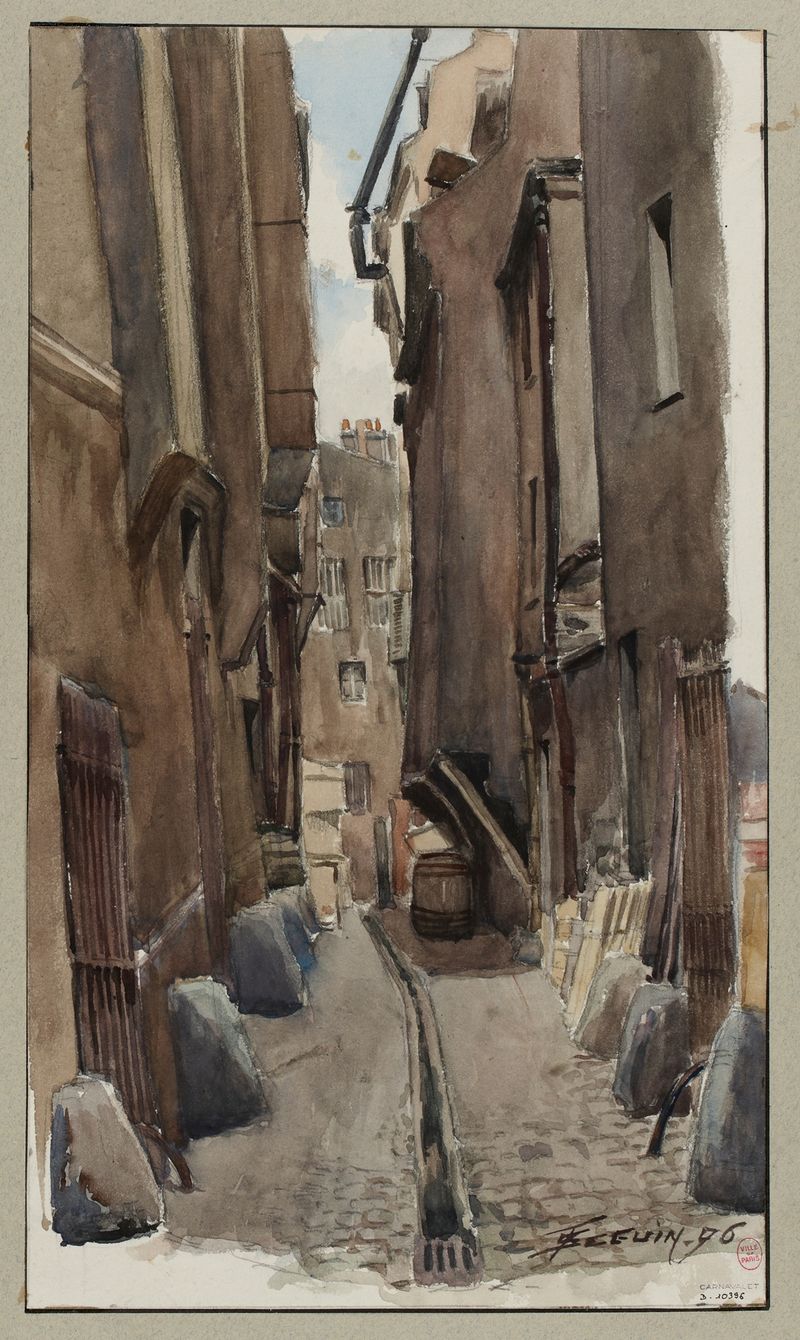
Le Cul de sac du Bœuf, (rue Saint Merri)
F. Séguin

Rue Descartes
F. Séguin
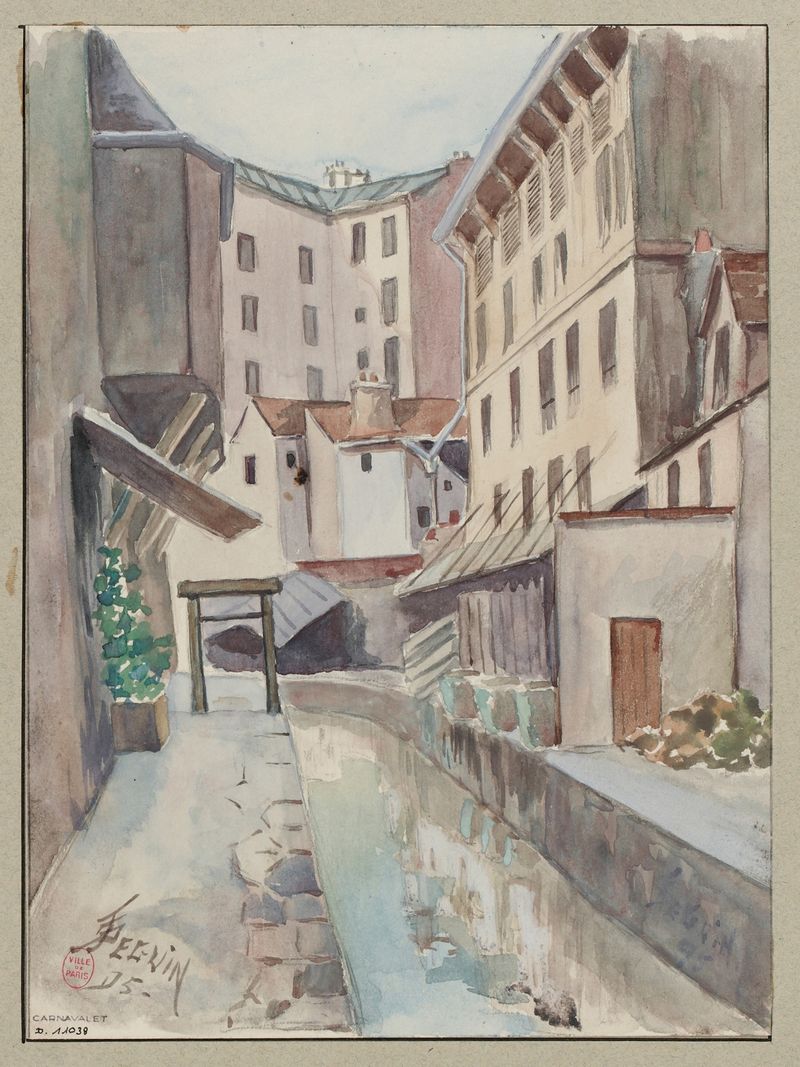
Le bord de la Bièvre à l’avenue des Gobelins
F. Séguin

Villa des Otages mur où furent fusillés les 52 derniers otages de la Commune, rue Haxo
F. Séguin
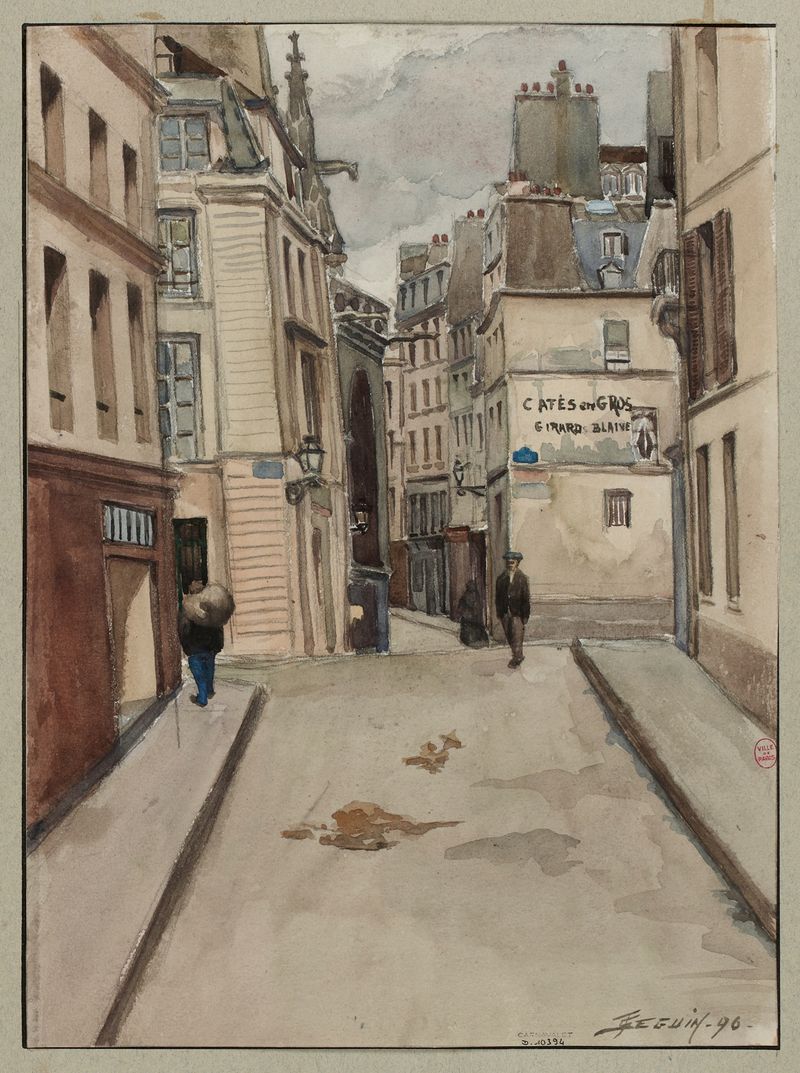
Rue du Cloître Saint Mérry, de la rue du Renard à la rue Saint Martin
F. Séguin
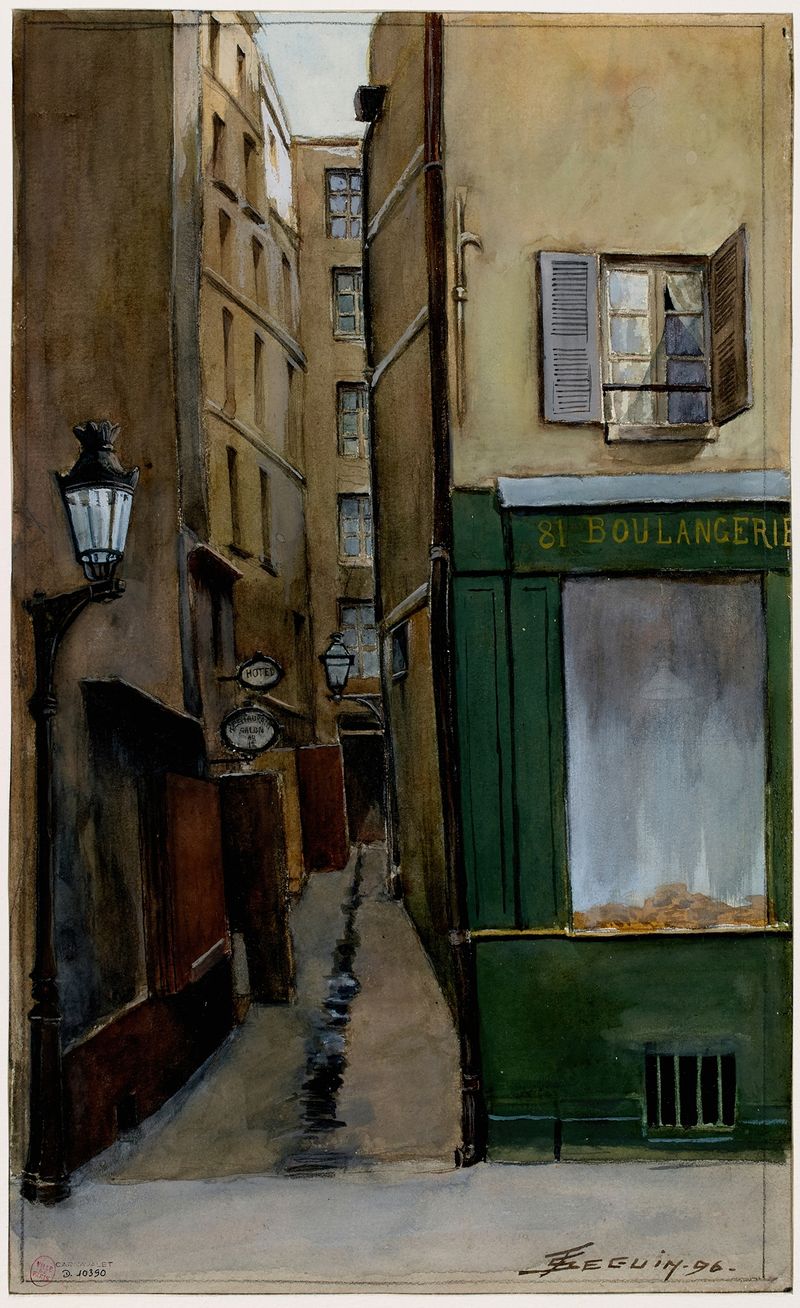
Cul de sac du Fiacre, 81 rue Saint Martin
F. Séguin
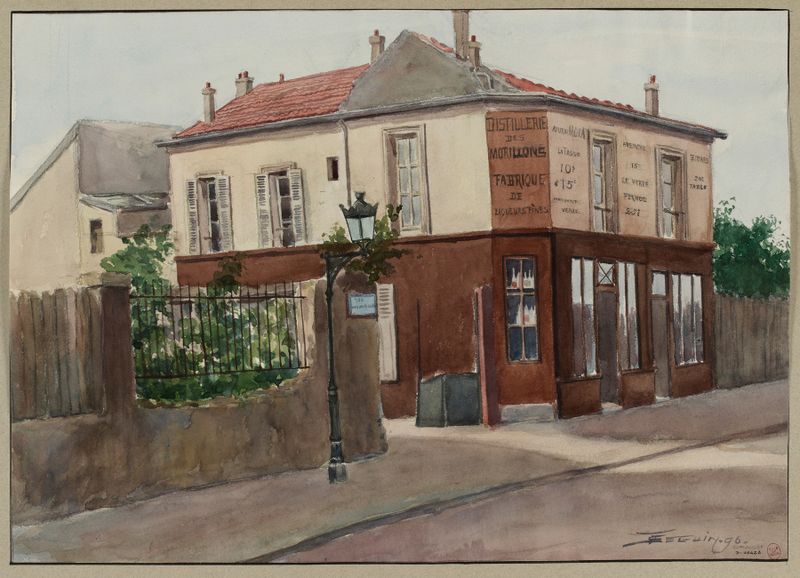
Angle de l’impasse Carlier et au 24 rue des Morillons, Vaugirard
F. Séguin
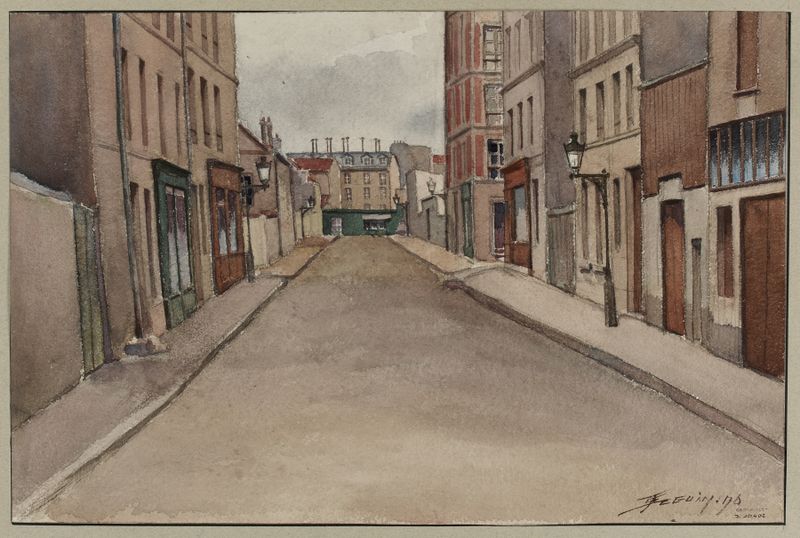
Rue Franquet
F. Séguin
More Architecture Art
Browse all →
The statue of Liberty
Frédéric Auguste Bartholdi

View of Houses in Delft, Known as ‘The Little Street’
Johannes Vermeer

View of Houses in Delft, Known as ‘The Little Street’
Johannes Vermeer

The Cathedral in Rouen. The portal, Grey Weather
Claude Monet

The yellow house
Vincent van Gogh

The Church in Auvers-sur-Oise, View from the Chevet
Vincent van Gogh