
La cour de Saint-Julien-le-Pauvre — History & Facts
When did color learn to lie? In the realm of artistic legacy, the hues spring forth with an undeniable vibrancy, yet whisper secrets veiled beneath their surface. Focus on the striking interplay of warm terracotta and cool blues that dominate the canvas. The soft, dappled light that bathes the courtyard captures the essence of a moment frozen in time. Notice how the shadows cast by the architecture accentuate the serenity of the space, drawing the eye toward the inviting archway that beckons exploration.
Each brushstroke reveals the artist's meticulous attention, with texture that gives life to the stone walls and the organic forms of the surrounding flora. Delve deeper into the emotional tensions at play. The juxtaposition of the rigid structure against the fluidity of nature speaks to the coexistence of the man-made and the organic. The solitary figure in the foreground hints at introspection, embodying a sense of solitude amidst the beauty of this shared space.
This harmony and tension invite the viewer to ponder the transient nature of life and the enduring power of memory within the legacy of place. In 1926, Ferdinand Boberg created this work during a time when he was deeply influenced by the shift towards modernism in art. Living in a post-World War I Europe, he sought to capture the essence of fleeting moments in everyday life. As artists began to break from tradition, Boberg's focus on light and form reflected a broader desire to connect with both the past and the evolving narrative of contemporary art.
More Artworks by Ferdinand Boberg
Browse all →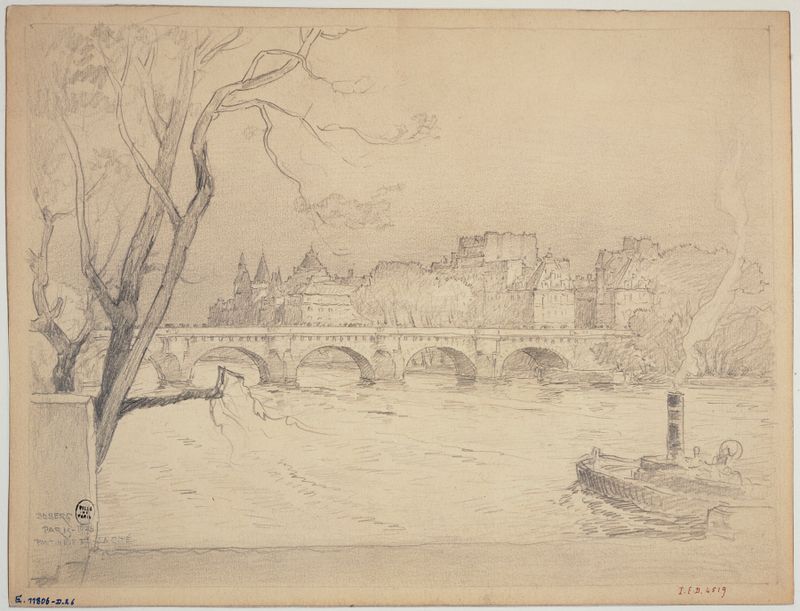
Le Pont-Neuf et la Cité
Ferdinand Boberg
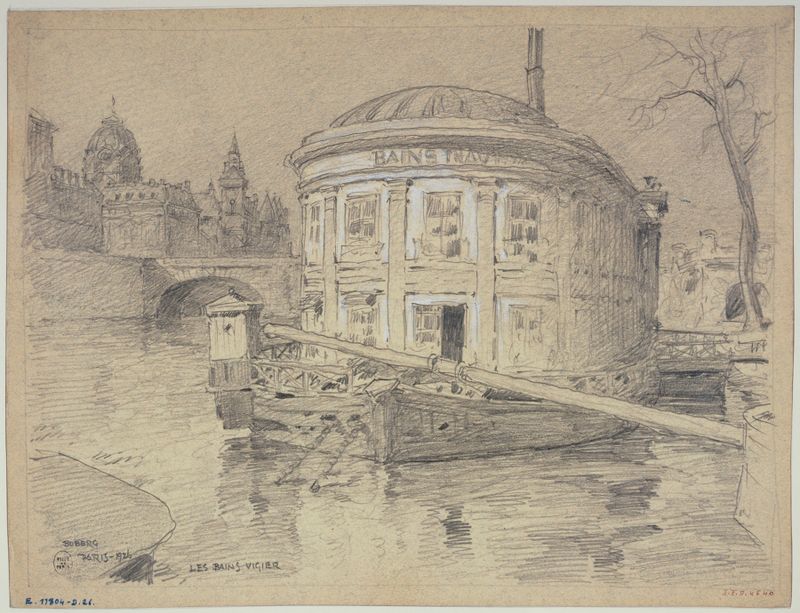
Les bains Vigier au Pont-Neuf
Ferdinand Boberg
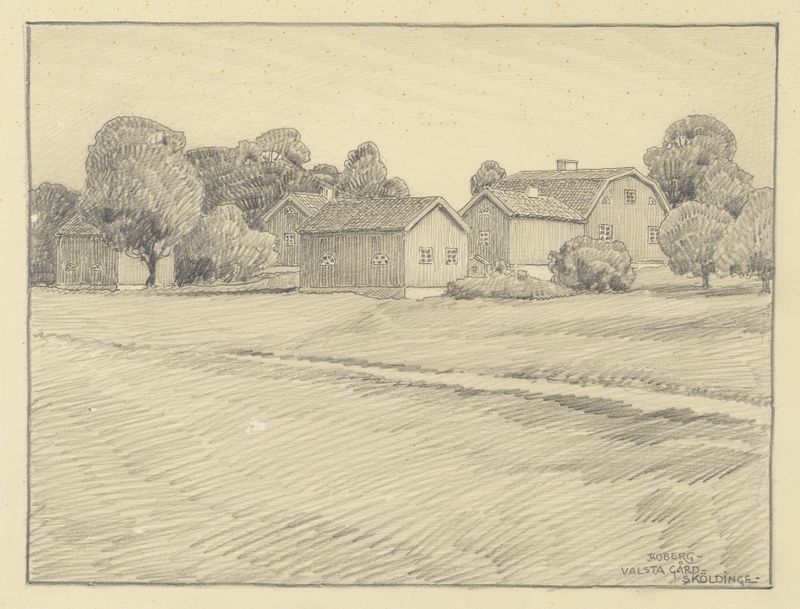
Valsta Gård
Ferdinand Boberg
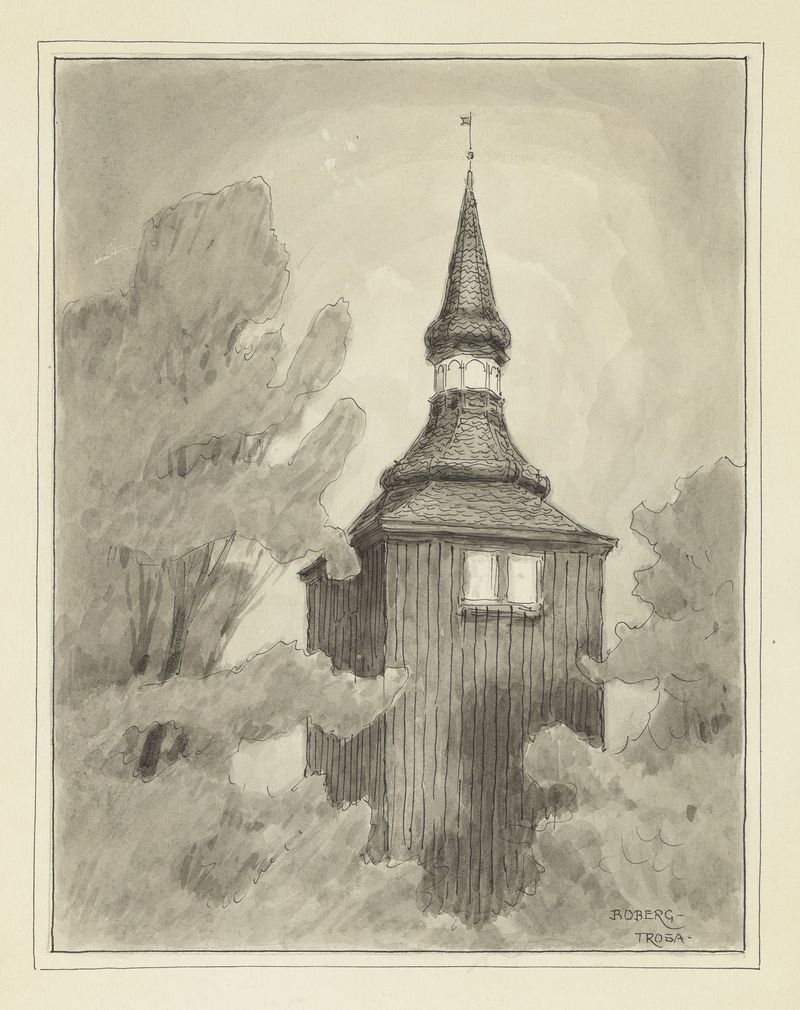
Trosa
Ferdinand Boberg
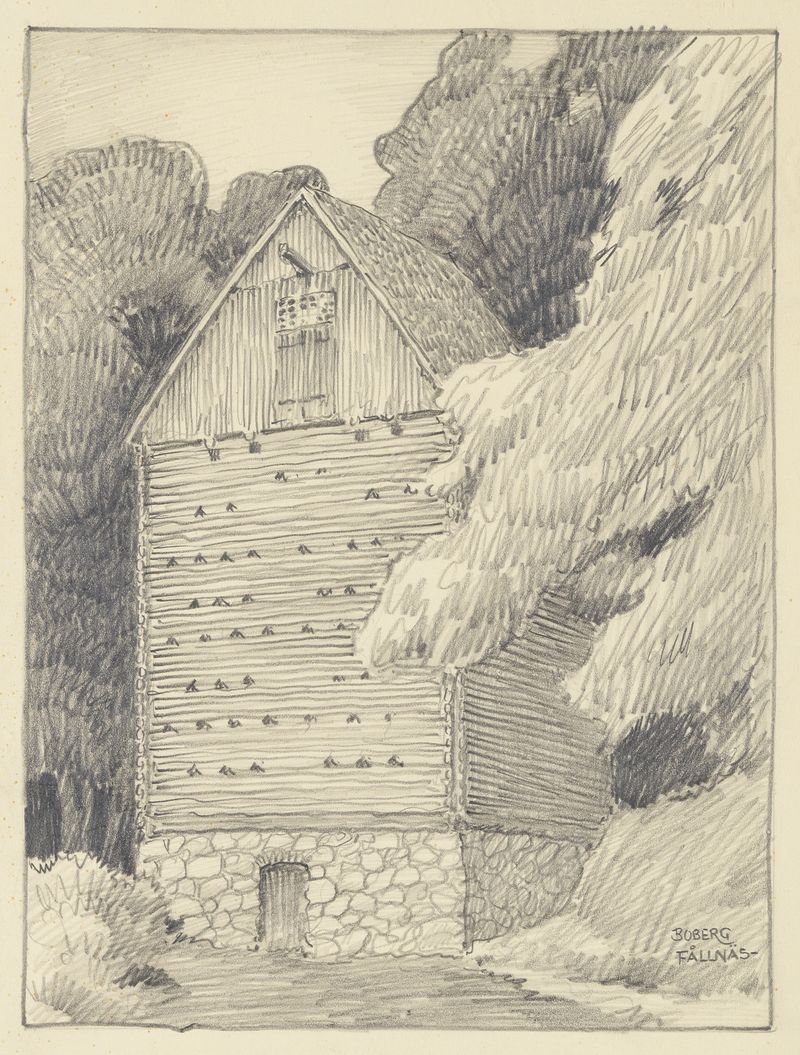
Fållnäs
Ferdinand Boberg
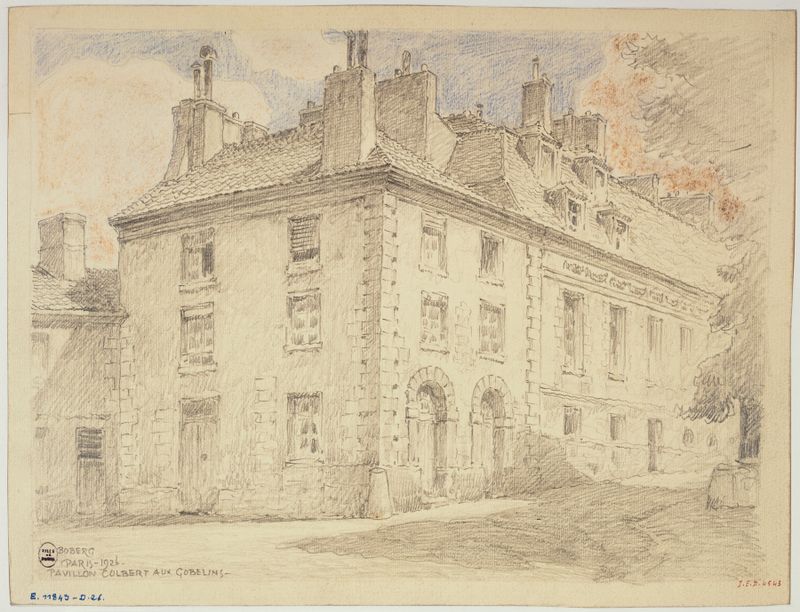
Le pavillon Colbert aux Gobelins
Ferdinand Boberg
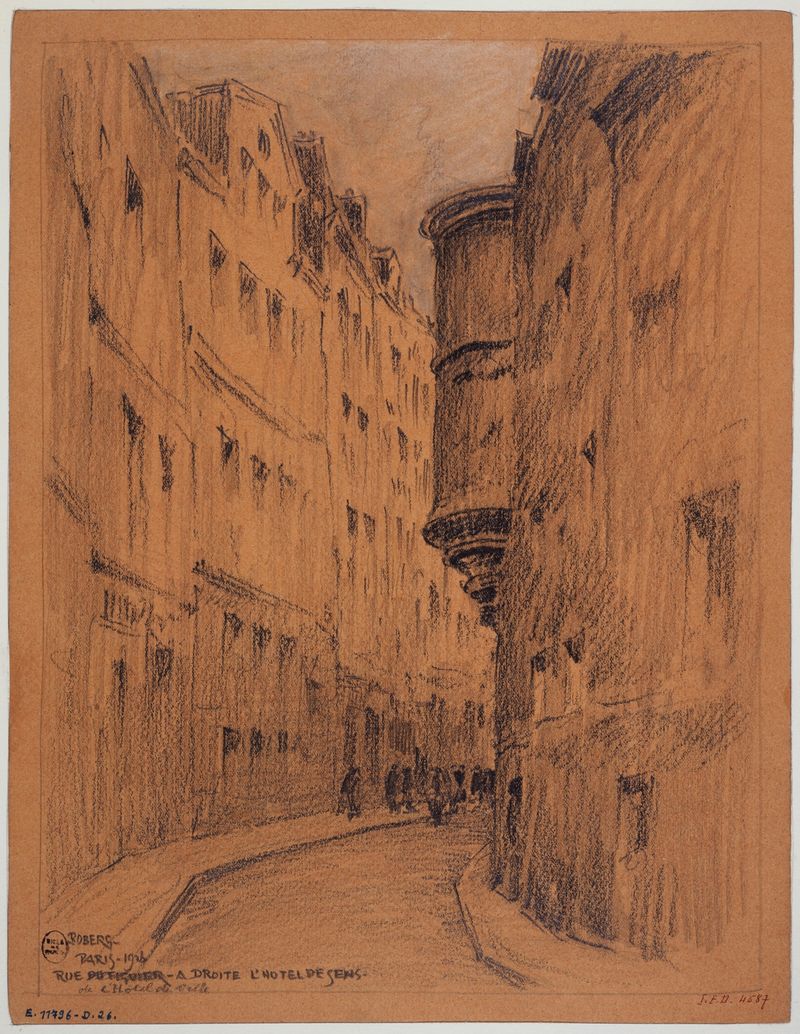
Rue de l’Hôtel de Ville; l’hôtel de Sens
Ferdinand Boberg
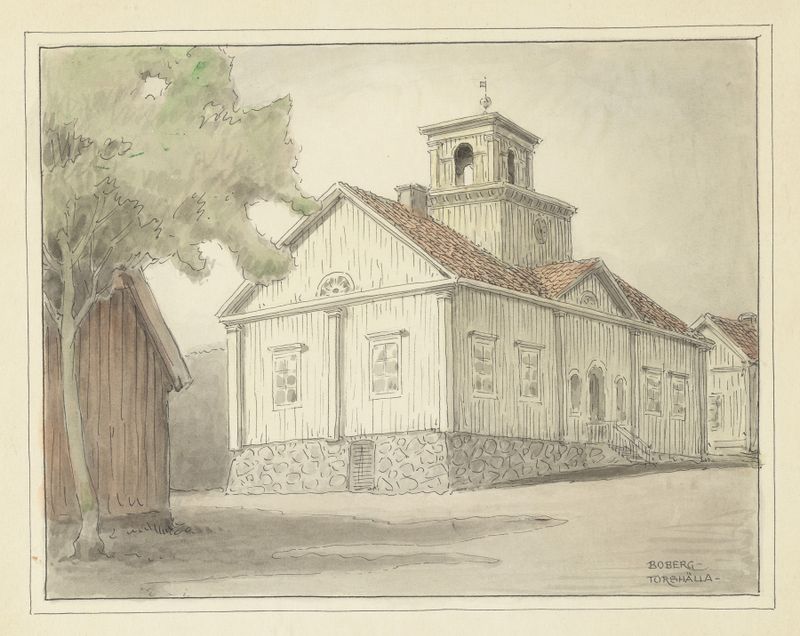
Torshälla
Ferdinand Boberg
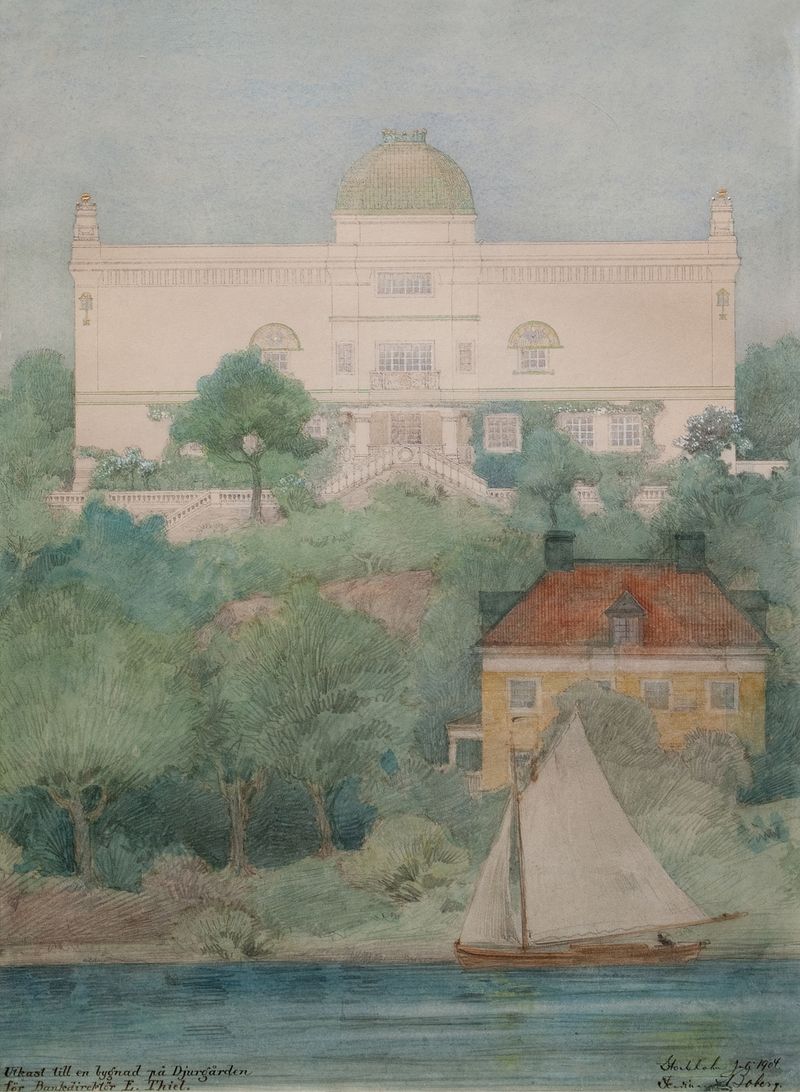
Sketch for a building for Thiel’s Gallery
Ferdinand Boberg
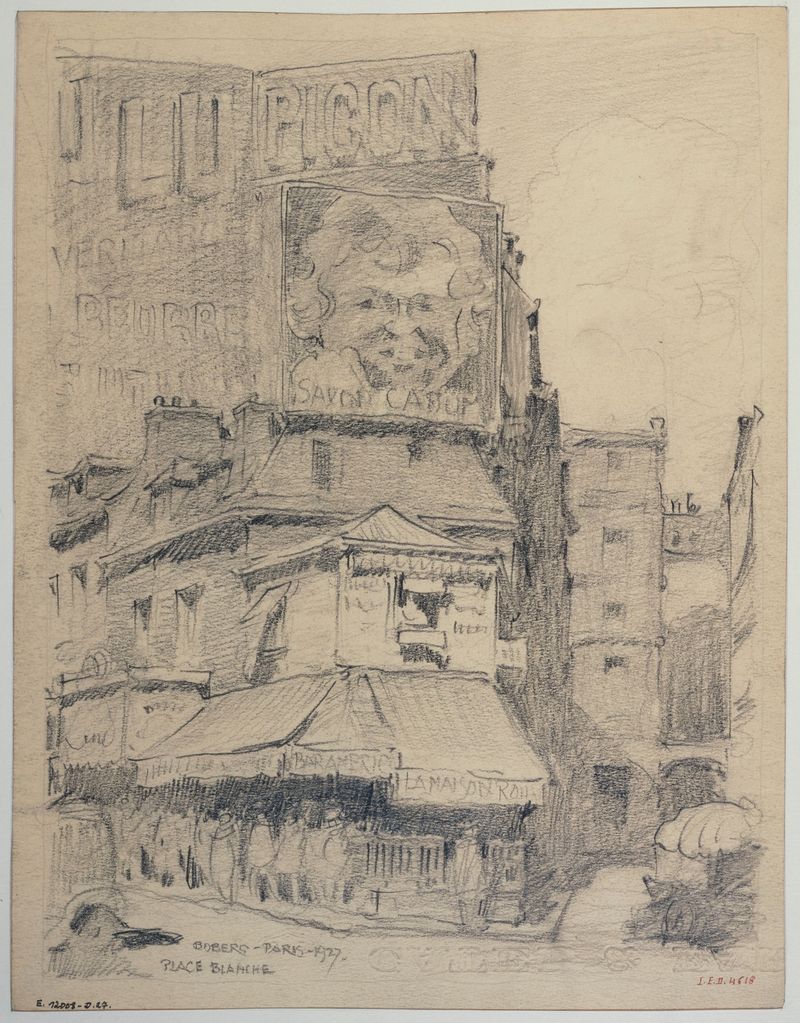
La place Blanche
Ferdinand Boberg





