
La Cour du Dragon. — History & Facts
Within its stillness, an ache for connection unfurls, whispering of stories and emotions just beyond reach. Begin your exploration by studying the deep, inviting hues of ochre and emerald that embrace the composition. Look to the left, where a delicate archway beckons, hinting at hidden pathways and possibilities. Notice how the interplay of shadow and light creates a sense of depth, transforming the courtyard into a space both intimate and expansive.
The meticulous details of the stonework draw you in, leading the eye around the corners of the scene, while the lush greenery suggests life thriving in quiet resilience. As you delve deeper, uncover the contrasts that pulse beneath the surface: the rigid architecture speaks of permanence, while the vibrant plants evoke a yearning for freedom. The figures, though small and seemingly insignificant, hold the weight of unspoken emotions—perhaps a longing for companionship or a desire to escape the confines of this space. The composition captures a moment of contemplation, inviting viewers to reflect on their own desires and the spaces they inhabit. In 1926, the artist painted this piece during a period marked by artistic experimentation and a growing interest in modernism.
Boberg was in Sweden at the time, drawing inspiration from his surroundings and the evolving cultural landscape. This was an era when traditional forms were being challenged, and the artist sought to convey a sense of atmosphere and emotion, capturing the subtleties of human experience within his work.
More Artworks by Ferdinand Boberg
Browse all →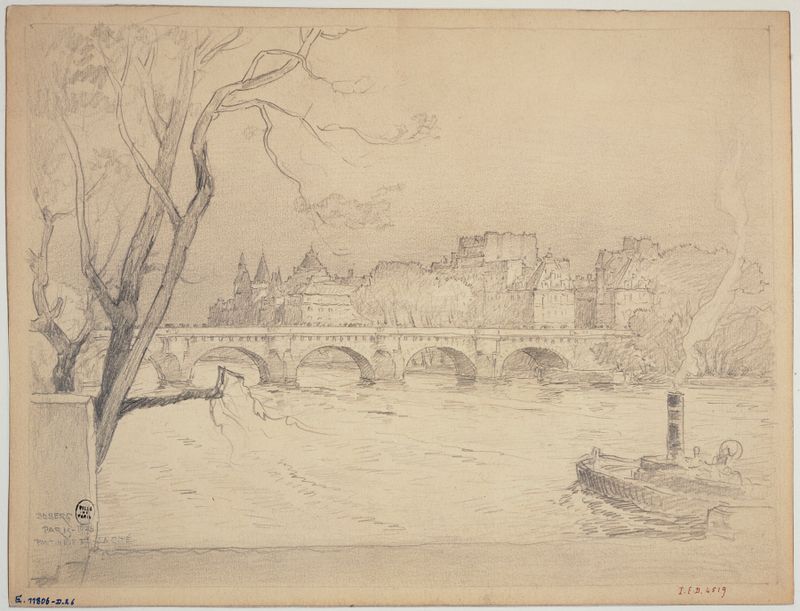
Le Pont-Neuf et la Cité
Ferdinand Boberg
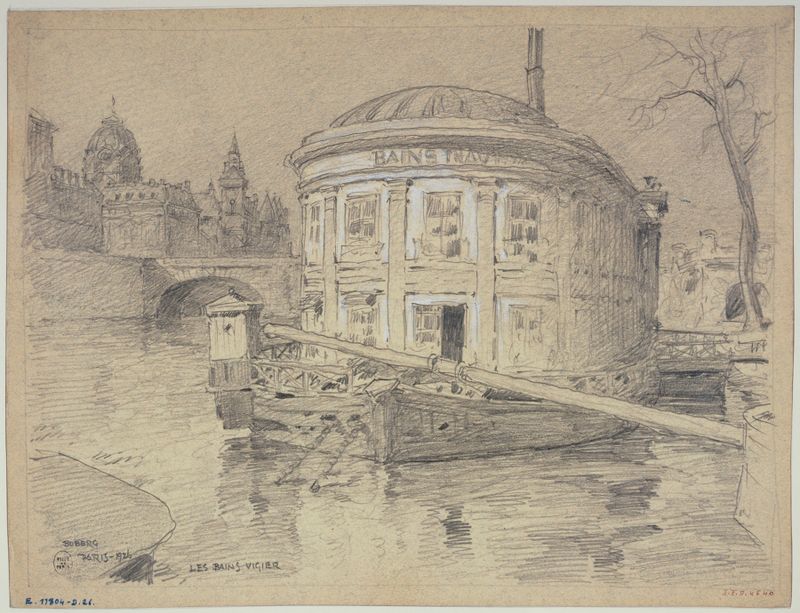
Les bains Vigier au Pont-Neuf
Ferdinand Boberg
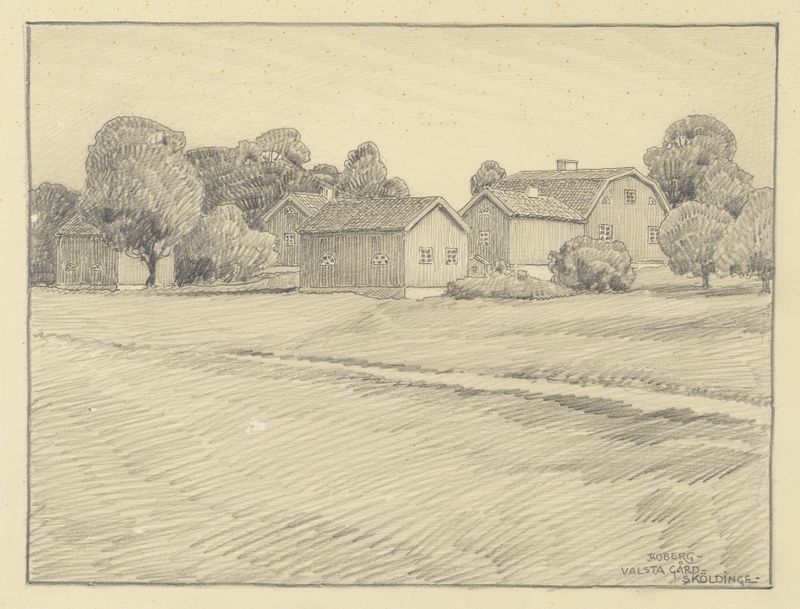
Valsta Gård
Ferdinand Boberg
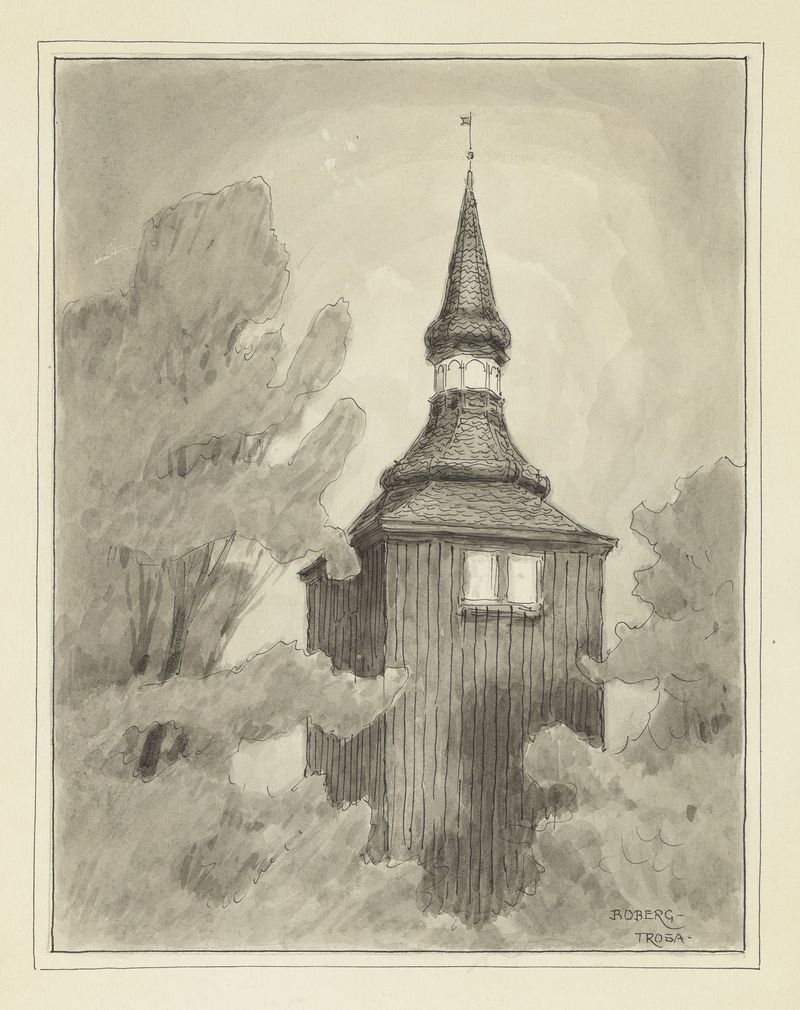
Trosa
Ferdinand Boberg
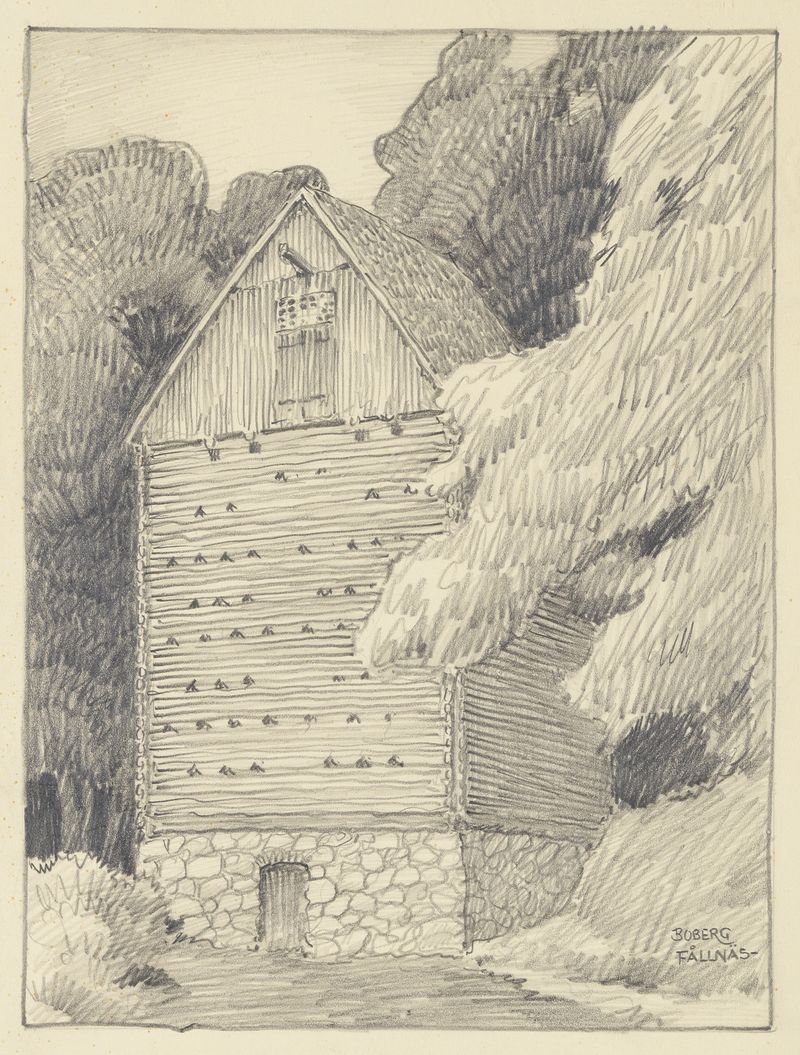
Fållnäs
Ferdinand Boberg
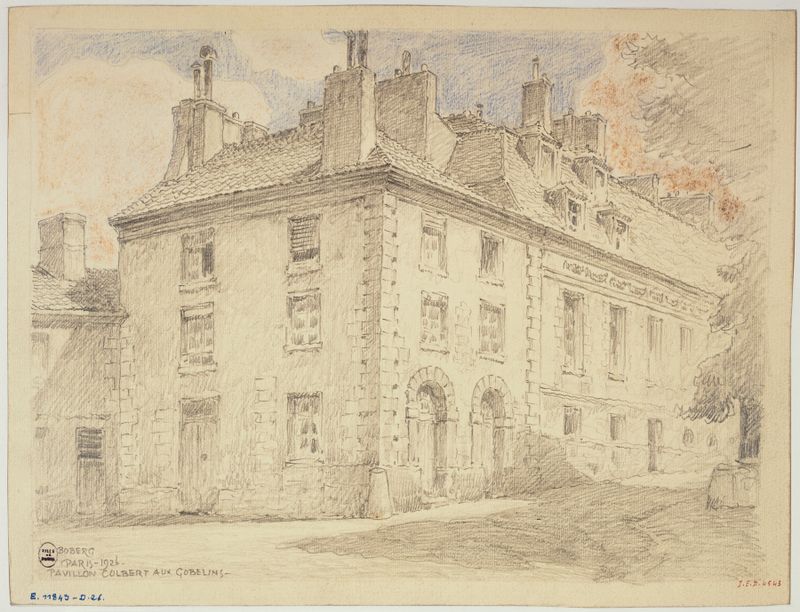
Le pavillon Colbert aux Gobelins
Ferdinand Boberg
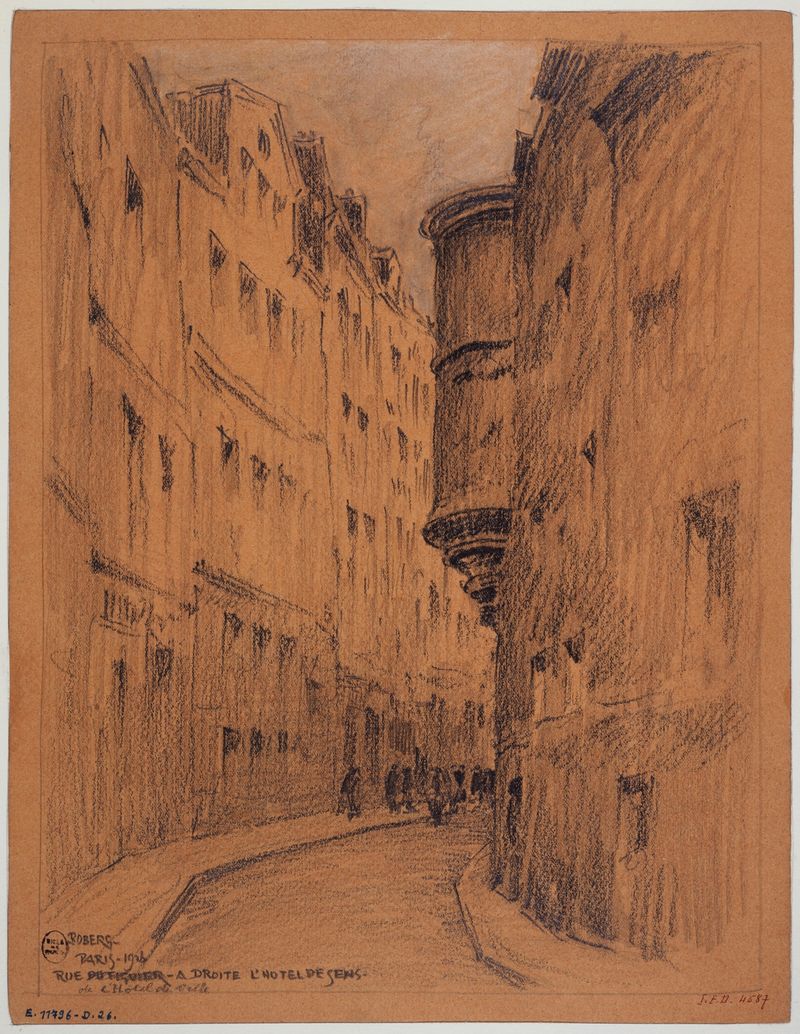
Rue de l’Hôtel de Ville; l’hôtel de Sens
Ferdinand Boberg
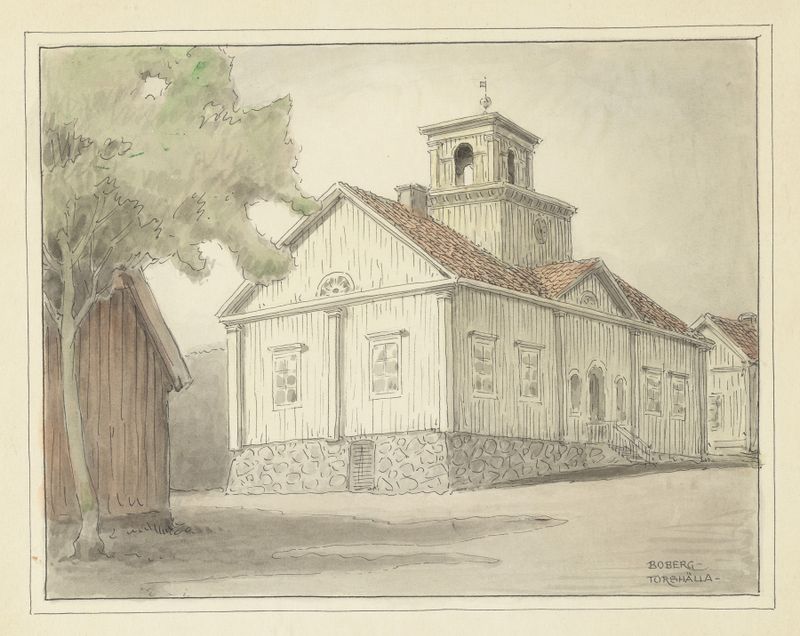
Torshälla
Ferdinand Boberg
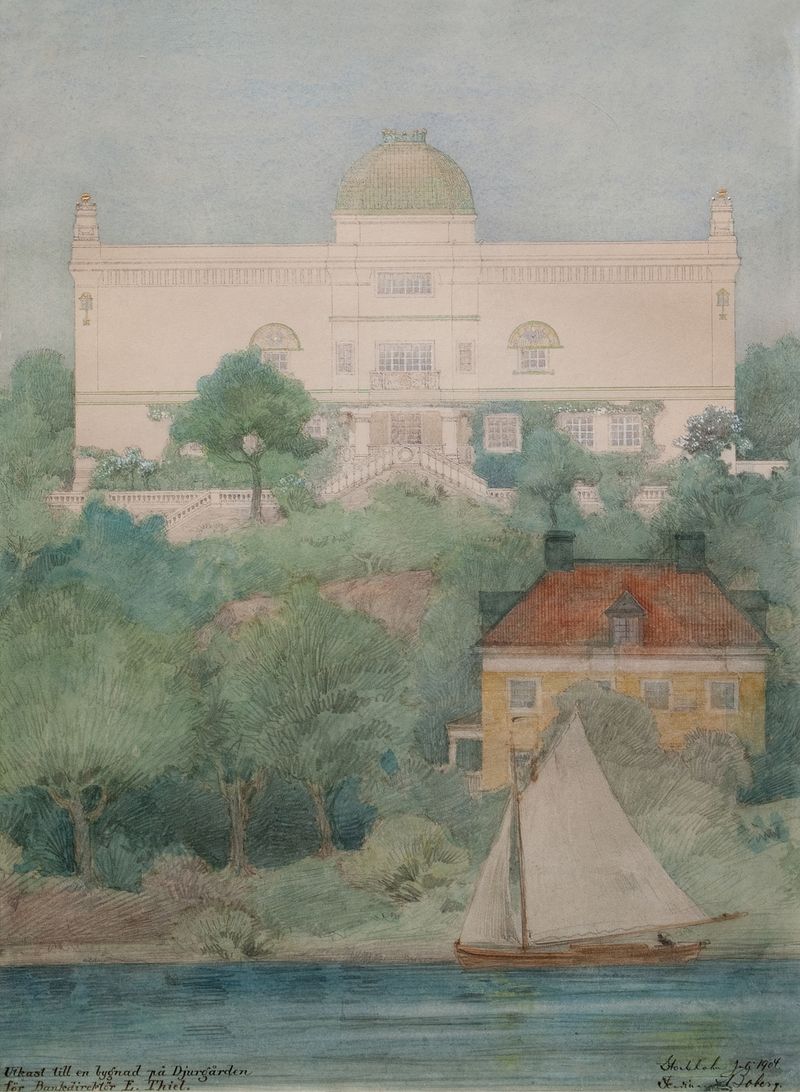
Sketch for a building for Thiel’s Gallery
Ferdinand Boberg
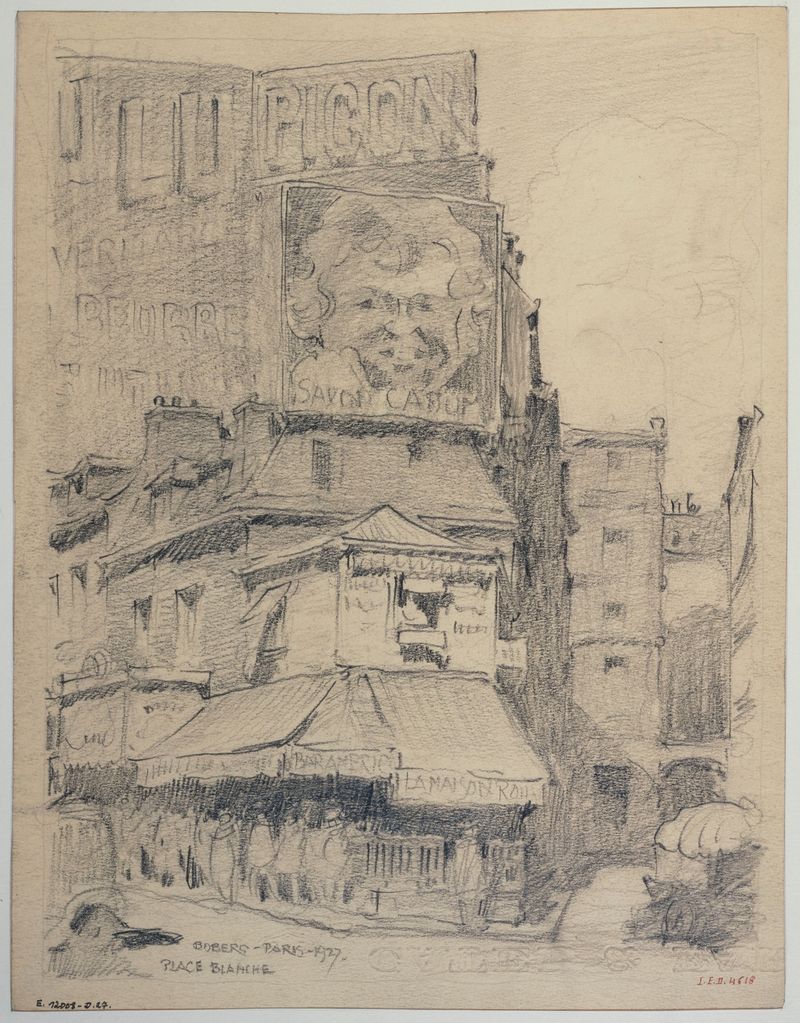
La place Blanche
Ferdinand Boberg





