
La Cour du Dragon — History & Facts
Can paint confess what words never could? In La Cour du Dragon, the canvas breathes a narrative of transcendence, beckoning the viewer into its vibrant depths. Look to the left, where a cascade of rich blues and greens invites your gaze into an intricate courtyard scene. The architectural elements are adorned with swirling motifs and ornate details, their lines converging toward a luminous focal point at the center. Notice how the light plays upon the surfaces, illuminating both the vibrancy of the flora and the whimsical fantasy of the structures, creating a mesmerizing dance between nature and design. Beneath this aesthetic beauty lies a deeper tension between the ethereal and the earthly.
The figures, though stylized, exude a palpable energy, their gestures hinting at stories untold. The juxtaposition of the grounded stonework against the fluidity of the light suggests a yearning for connection beyond the physical realm—a longing for harmony amidst life's chaos. Each detail, from the playful dragon motifs to the delicate flora, whispers of a world where reality blends seamlessly with the imagination. In 1926, Boberg was immersed in the Art Deco movement, creating in Stockholm during a time when the city was embracing modernity.
This period marked a shift towards ornamentation and a celebration of the decorative arts, mirroring the artist's personal exploration of forms that harmonize tradition with innovation. His vision in this piece reflects not just the aesthetics of the time but also a profound quest for something greater, a transcendence where art becomes a vehicle for unspoken truths.
More Artworks by Ferdinand Boberg
Browse all →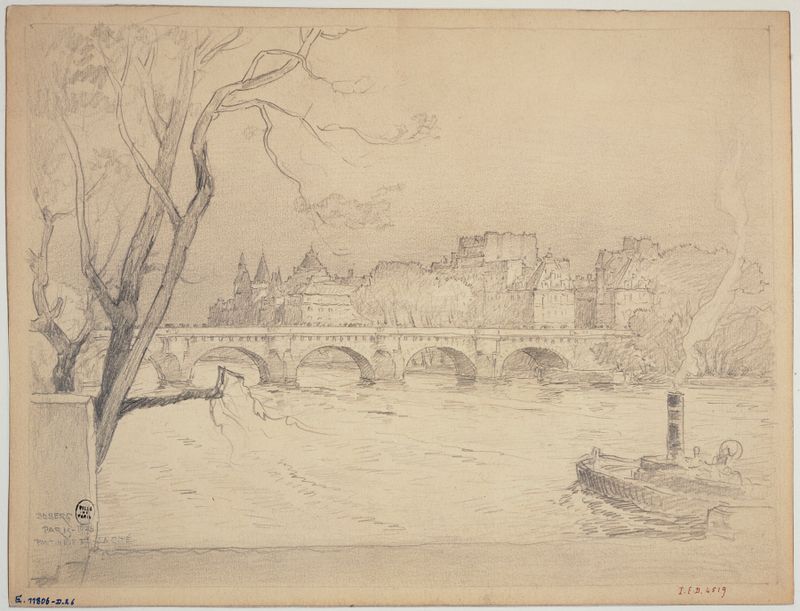
Le Pont-Neuf et la Cité
Ferdinand Boberg
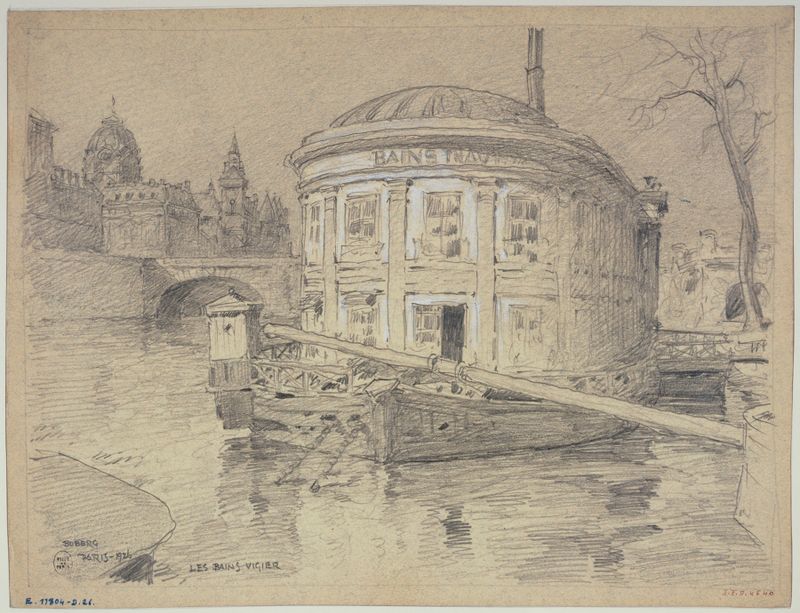
Les bains Vigier au Pont-Neuf
Ferdinand Boberg
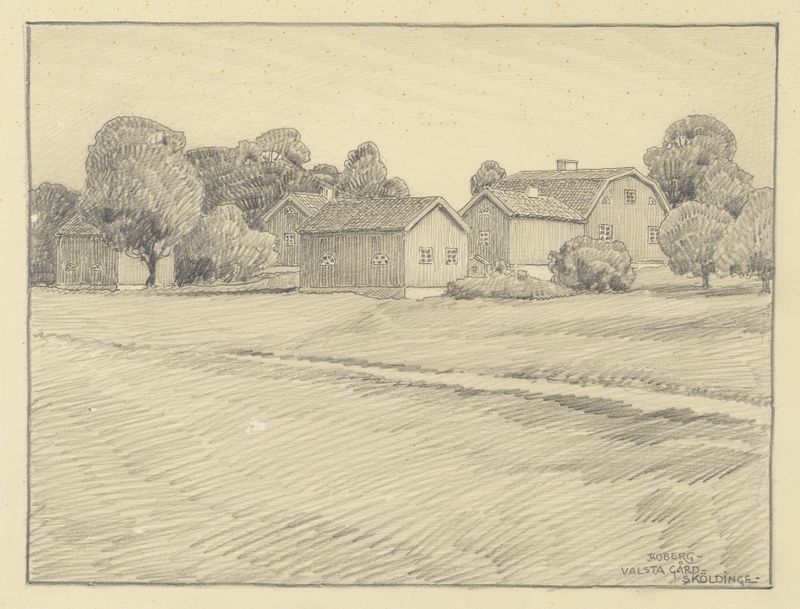
Valsta Gård
Ferdinand Boberg
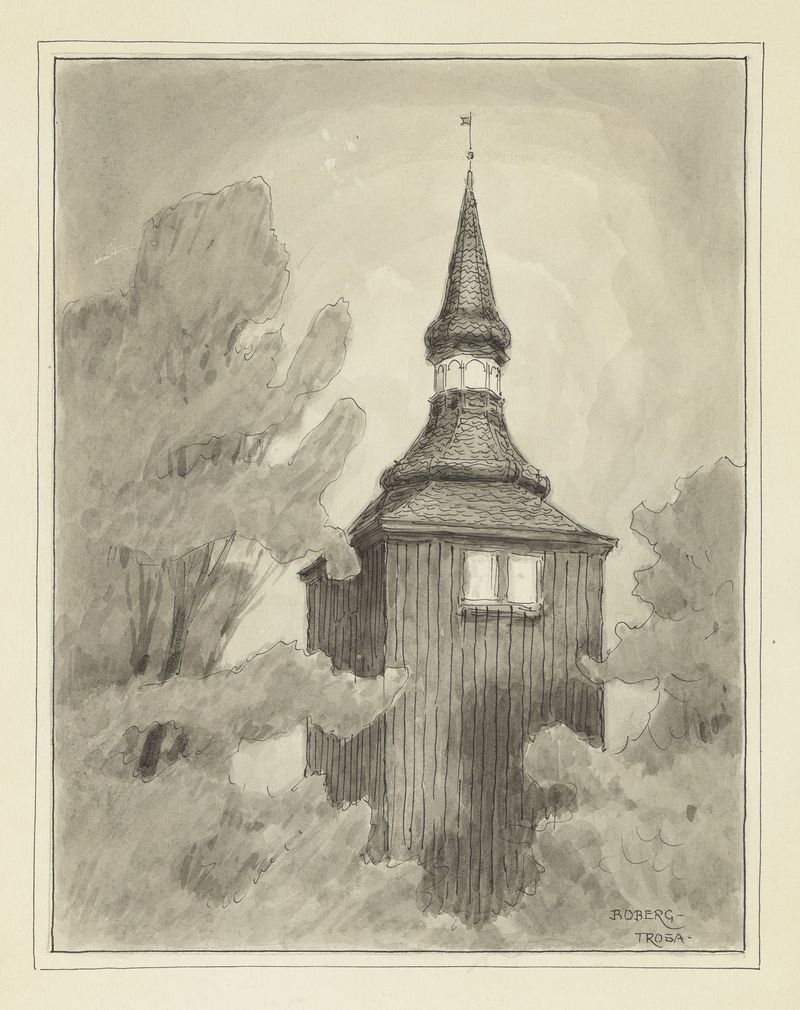
Trosa
Ferdinand Boberg
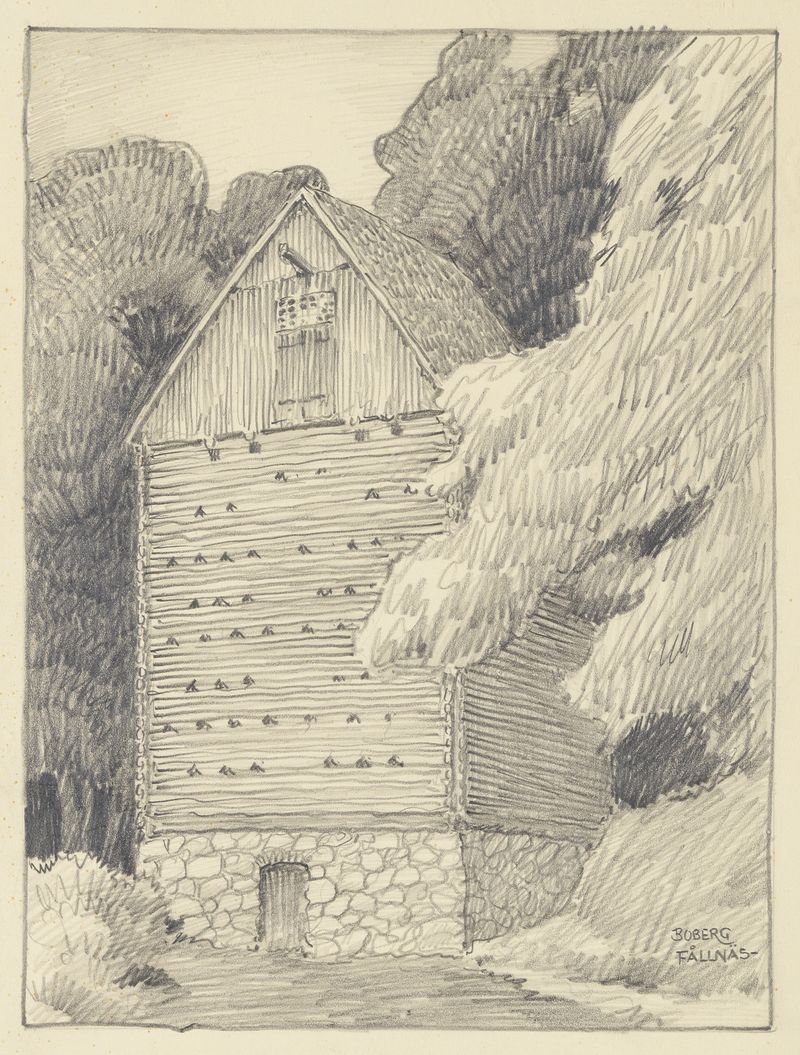
Fållnäs
Ferdinand Boberg
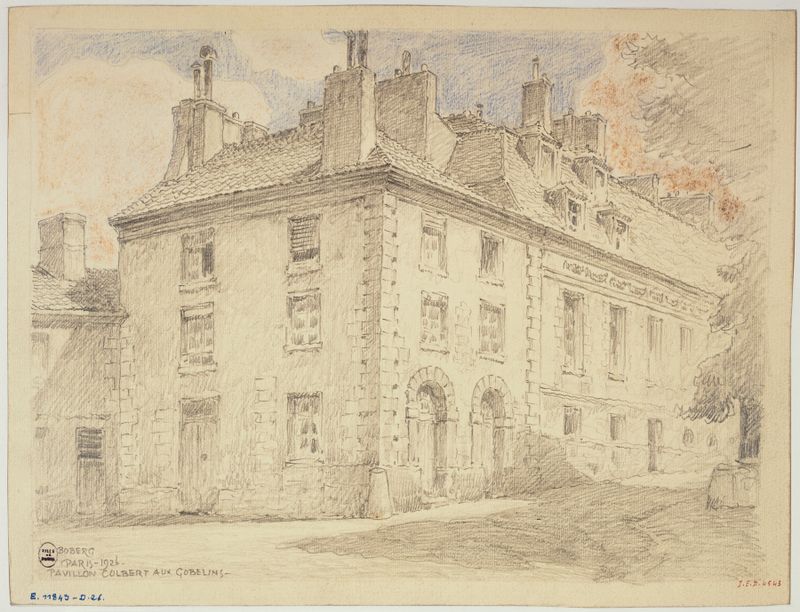
Le pavillon Colbert aux Gobelins
Ferdinand Boberg
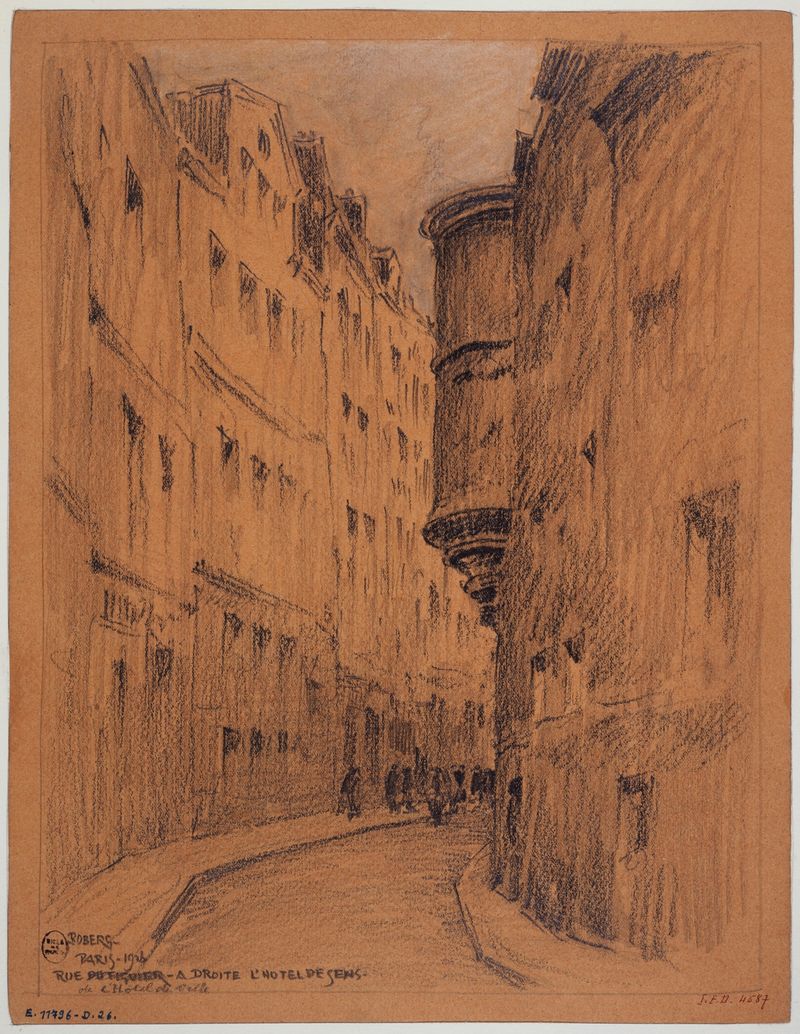
Rue de l’Hôtel de Ville; l’hôtel de Sens
Ferdinand Boberg
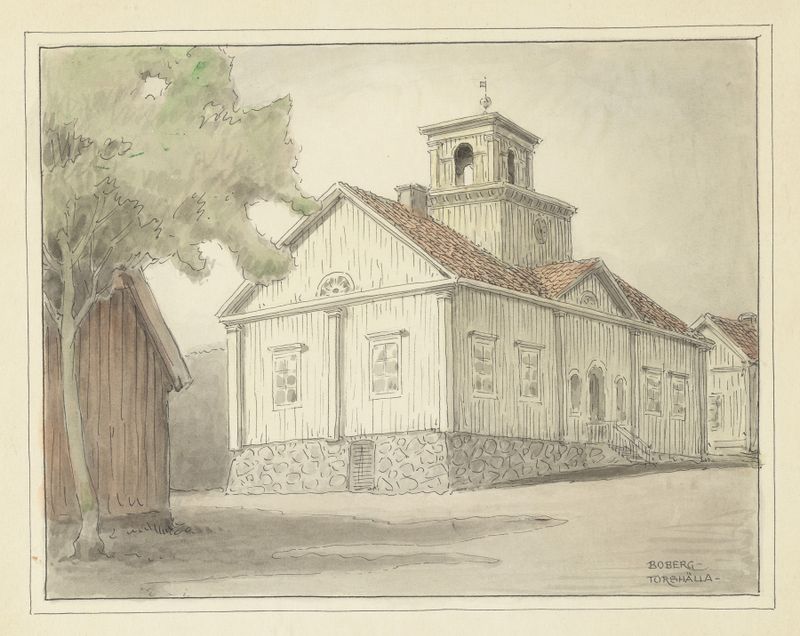
Torshälla
Ferdinand Boberg
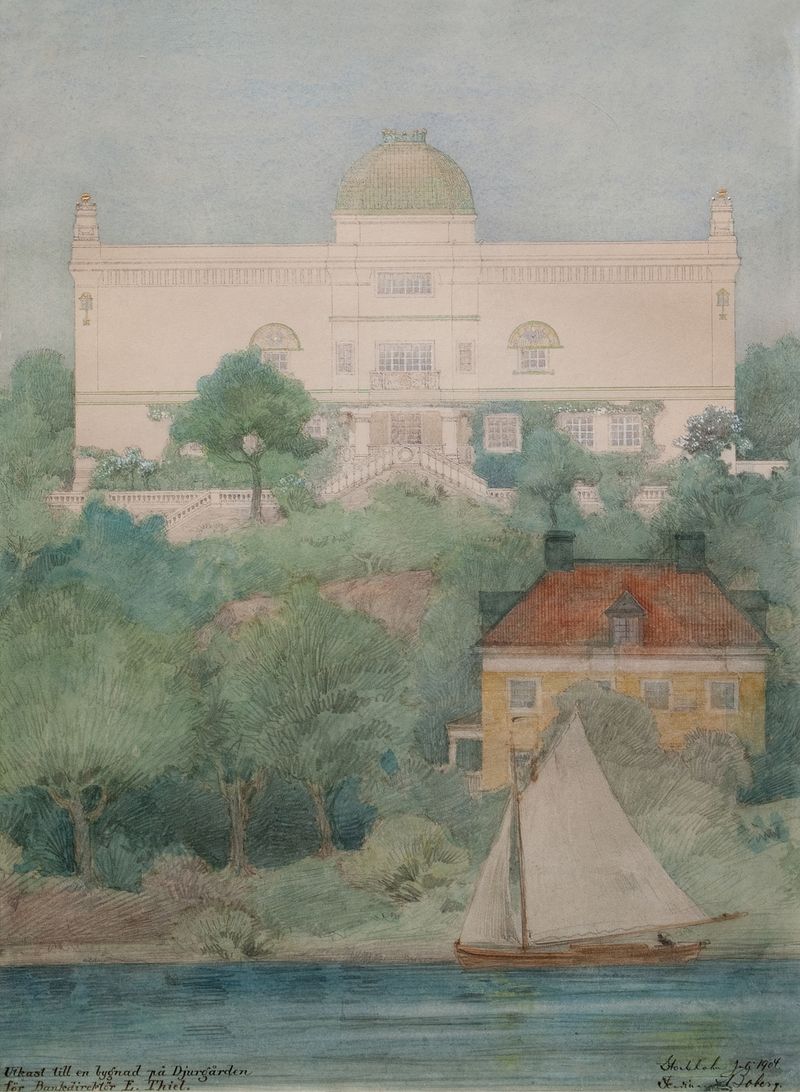
Sketch for a building for Thiel’s Gallery
Ferdinand Boberg
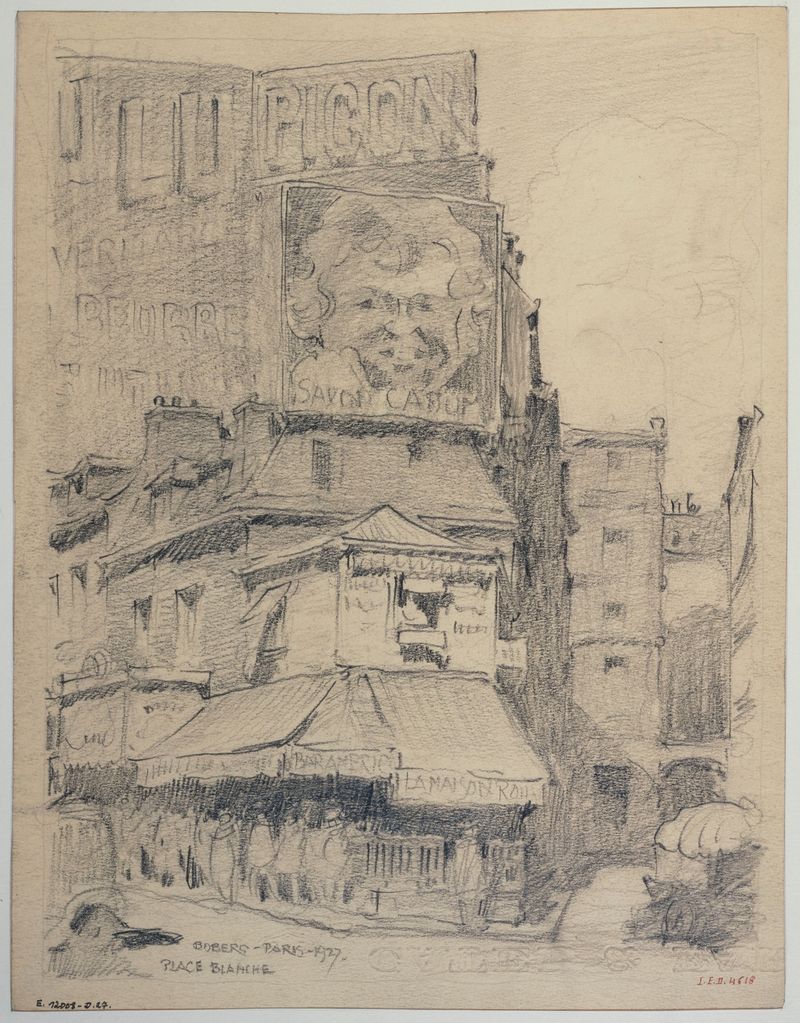
La place Blanche
Ferdinand Boberg
More Architecture Art
Browse all →
The statue of Liberty
Frédéric Auguste Bartholdi

View of Houses in Delft, Known as ‘The Little Street’
Johannes Vermeer

View of Houses in Delft, Known as ‘The Little Street’
Johannes Vermeer

The Cathedral in Rouen. The portal, Grey Weather
Claude Monet

The yellow house
Vincent van Gogh

The Church in Auvers-sur-Oise, View from the Chevet
Vincent van Gogh