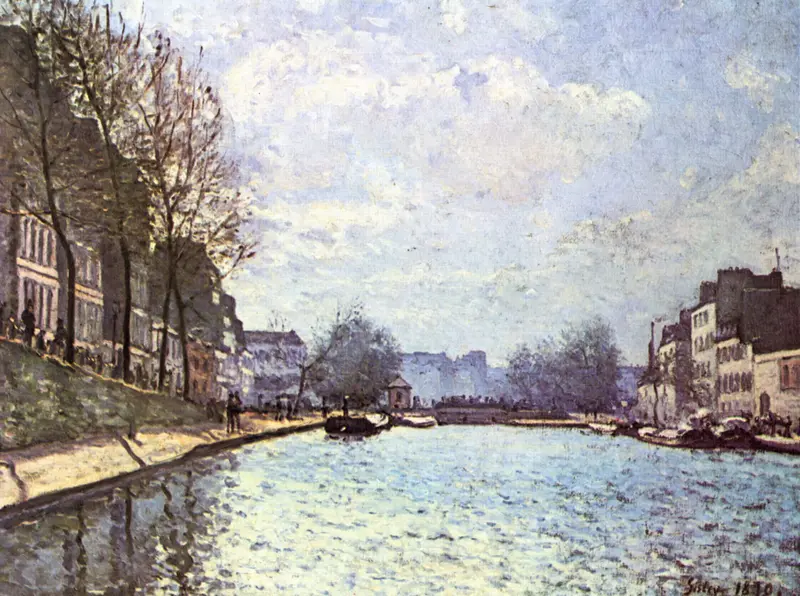
La Cour du Heaume, rue Pirouette — History & Facts
What if our destinies are carved in the quiet corners of everyday life, waiting to be discovered? Look to the left at the delicate interplay of light and shadow that dances across the cobblestones, inviting you deeper into this intimate courtyard. Notice how the warm hues of ochre and gold embrace the architecture, breathing life into the weathered façades. The geometrical precision of the buildings stands in stark contrast to the soft, natural forms of the flowering plants, creating a moment where nature and civilization intersect. Within this serene composition lies a tension between stillness and movement.
The open door suggests a world beyond the confines of the courtyard, hinting at journeys yet to unfold. A forgotten bicycle leans against the wall, a silent witness to the passage of time, while the delicate blooms whisper of fleeting beauty and the inevitability of change. Together, these elements invite reflections on the fragility of existence and the paths that shape our lives. In 1895, Jules Richomme was immersed in the evolving world of Impressionism in France.
This period saw a shift towards capturing the essence of modern life, and Richomme was exploring his unique perspective on urban spaces. The painting reflects both his personal experiences and the broader artistic movements of the time, as he sought to define his voice amidst the changing tides of art.
More Artworks by Jules Richomme

Les décombres de l’Hôtel de Ville en juin 1871
Jules Richomme
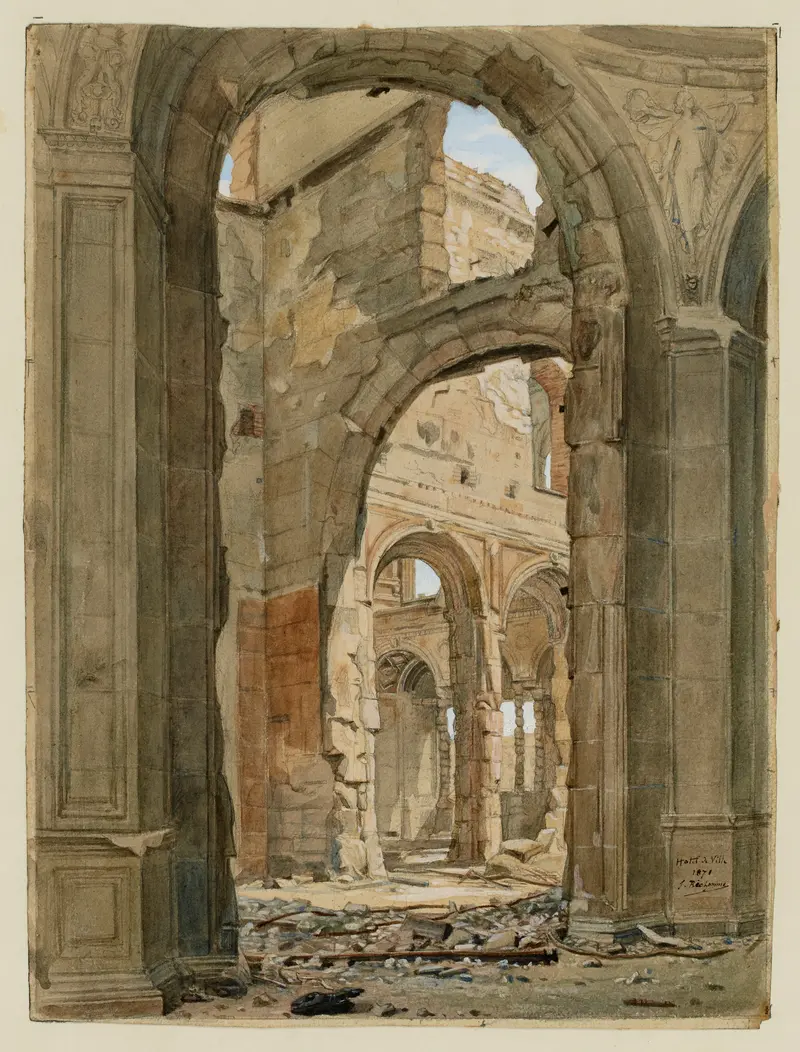
Les décombres de l’Hôtel de Ville après l’incendie de 1871
Jules Richomme
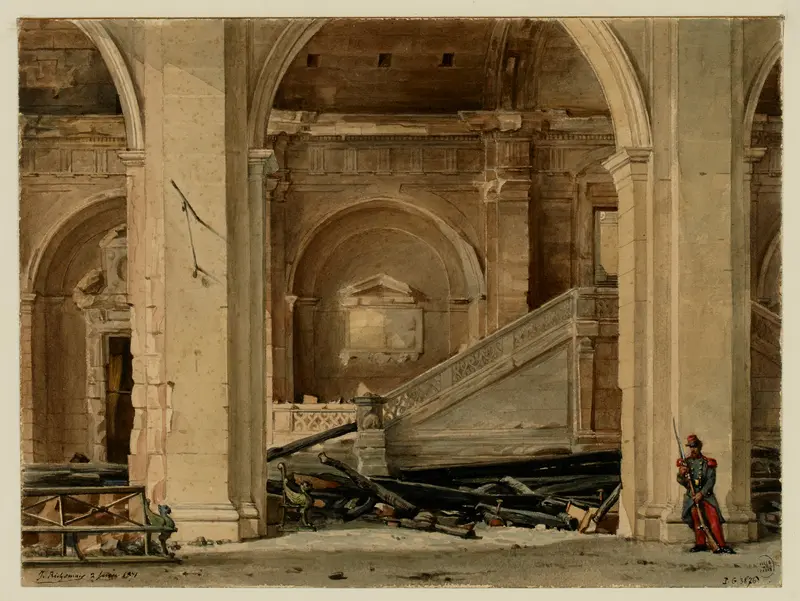
L’escalier du Palais de Justice après l’incendie de 1871
Jules Richomme
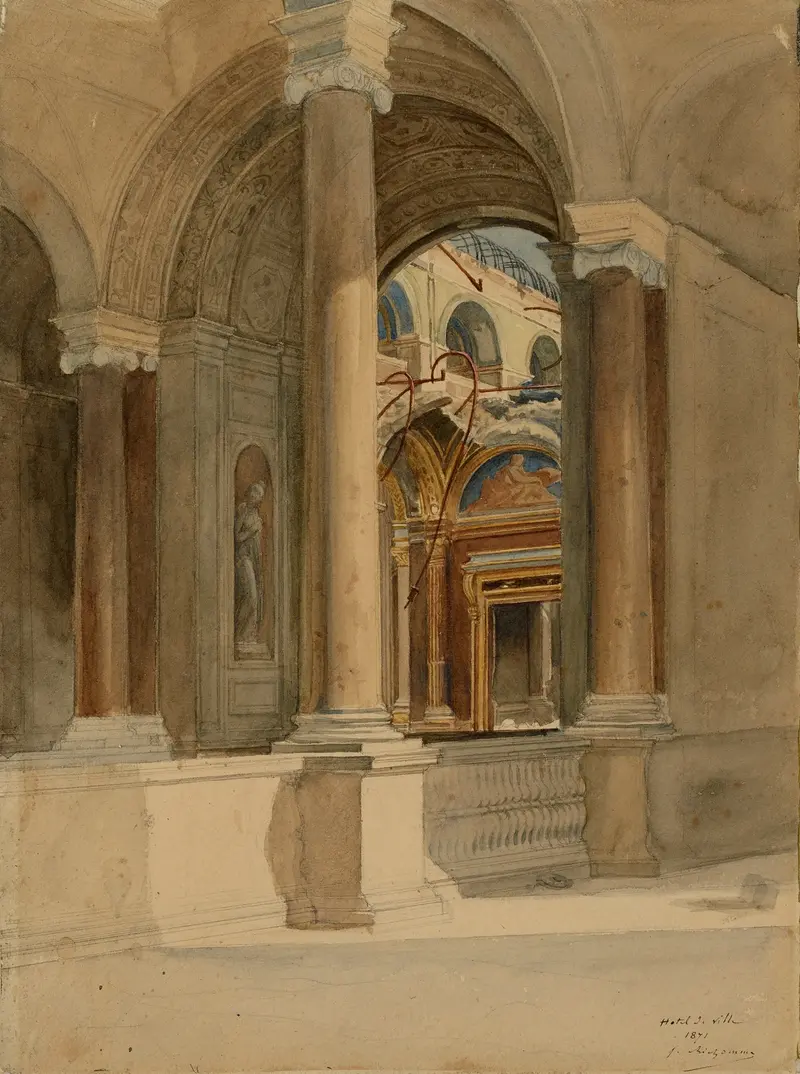
L’Hôtel de Ville après l’incendie 1871
Jules Richomme
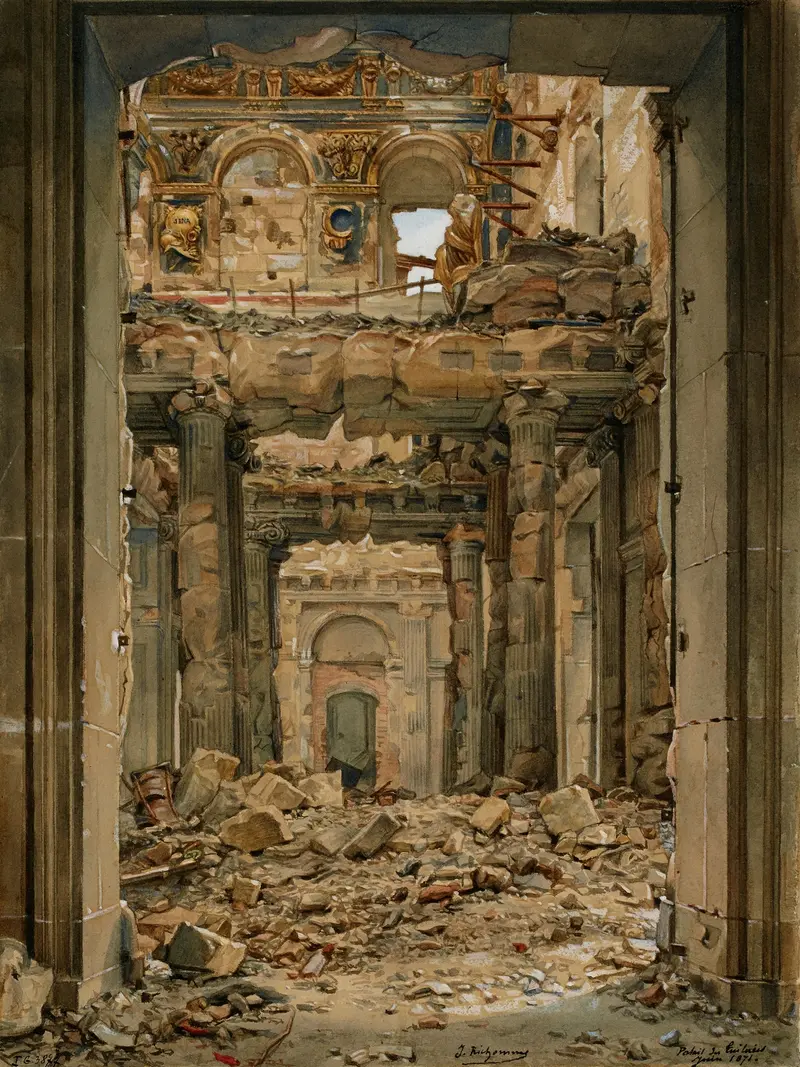
Portail des Tuileries après l’incendie de 1871
Jules Richomme
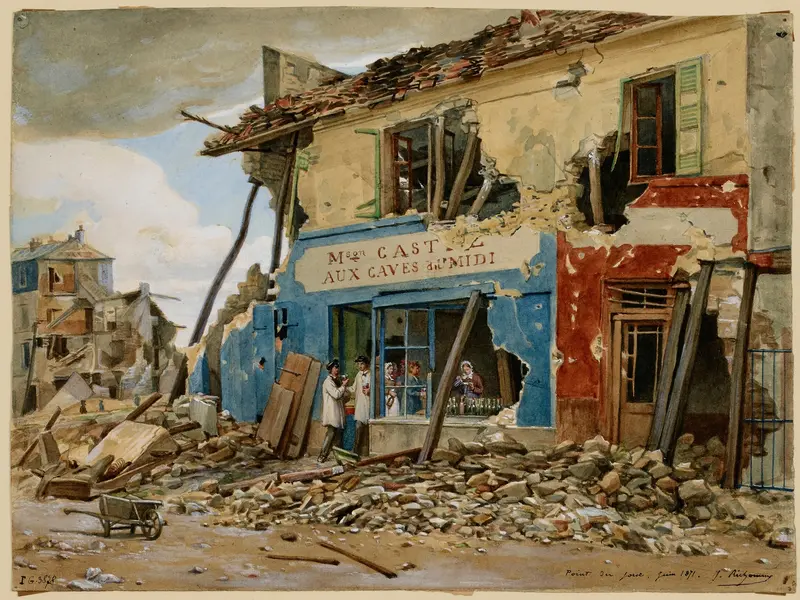
Le Point-du-Jour après de l’armée de Versailles en mai 1871
Jules Richomme
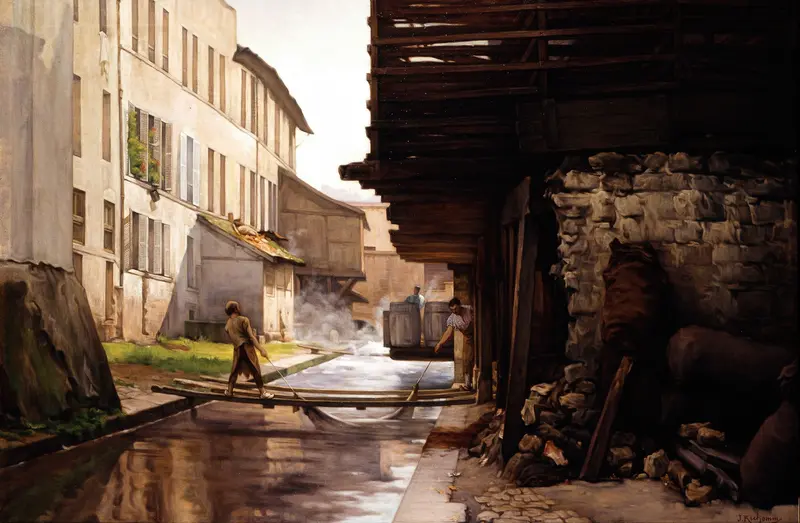
Tannerie sur la Bièvre
Jules Richomme