
Portail des Tuileries après l’incendie de 1871 — History & Facts
In a world where shadows often mask reality, light serves as both a revealer and a shaper of truth. Look to the center of Portail des Tuileries après l’incendie de 1871, where the charred remnants of the once-majestic portal dominate the scene. The artist’s brush captures the gray-black of burnt wood and stone, yet threads of light filter through, transforming despair into a haunting beauty. Notice how the glow of the sky contrasts with the debris below, creating an interplay that draws your gaze upwards, as if inviting hope to rise from the ashes. Within this work, the tension between destruction and rebirth unfolds through subtle details.
The stark lines of the destroyed architecture are softened by the play of light, suggesting that while the past is irrevocably altered, the future remains uncertain yet possible. Fragments of greenery push through the rubble, symbolizing resilience amidst devastation. This juxtaposition of light and dark encapsulates the emotional weight of loss while hinting at renewal, echoing the spirits of those who once walked through this portal. Richomme painted this piece during a turbulent period in Parisian history, reflecting on the aftermath of the Franco-Prussian War and the subsequent Commune.
The destruction of the Tuileries Palace and its gardens struck at the heart of national pride and identity. As such, this work stands not only as a commentary on architectural loss but also as an exploration of the human condition, grappling with themes of memory, grief, and the indomitable spirit of a city rebuilding itself amidst the ashes of its past.
More Artworks by Jules Richomme
Browse all →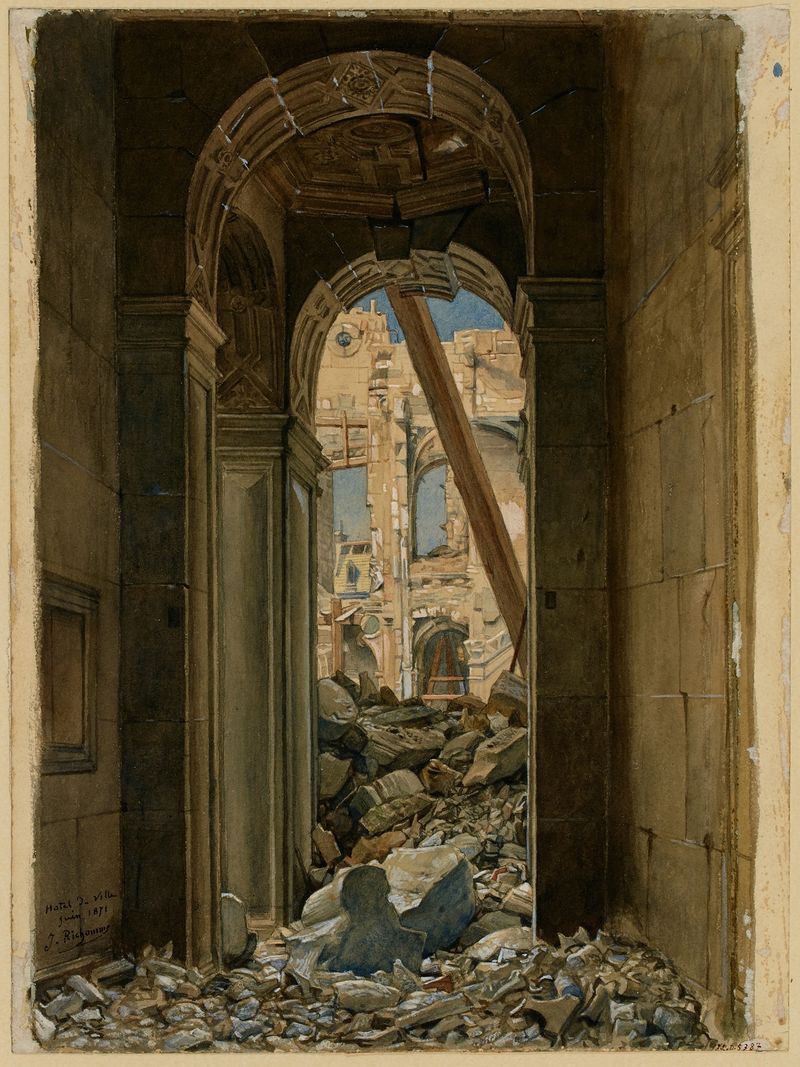
Les décombres de l’Hôtel de Ville en juin 1871
Jules Richomme
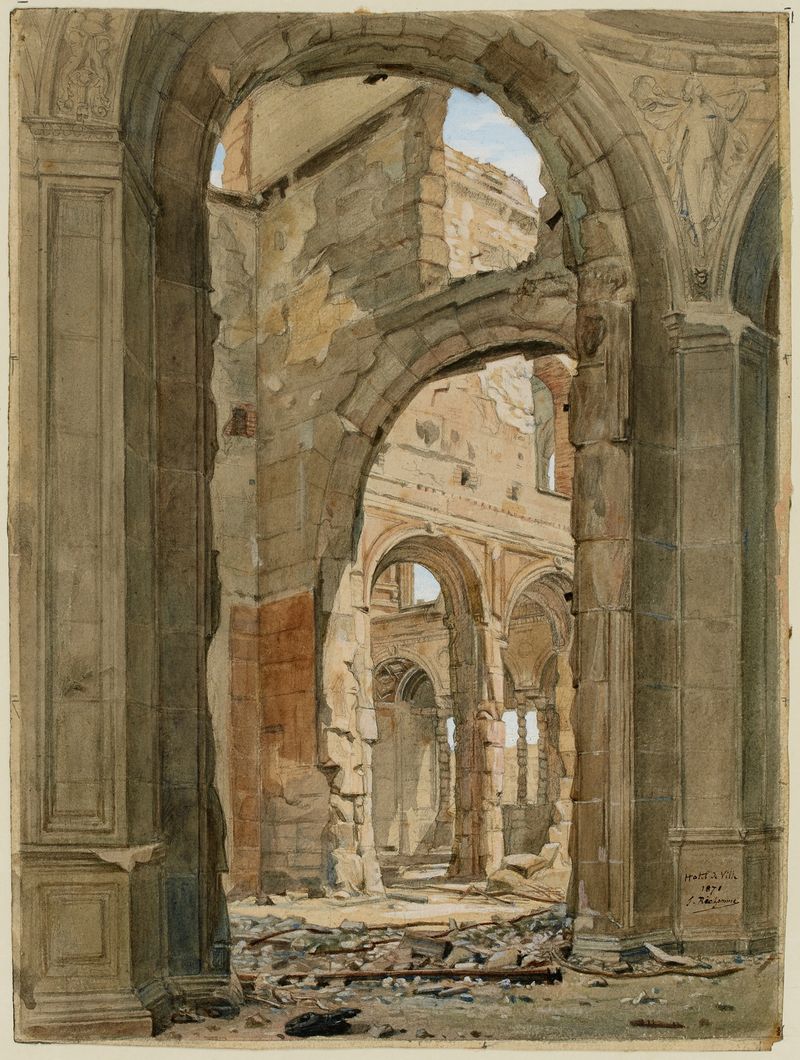
Les décombres de l’Hôtel de Ville après l’incendie de 1871
Jules Richomme
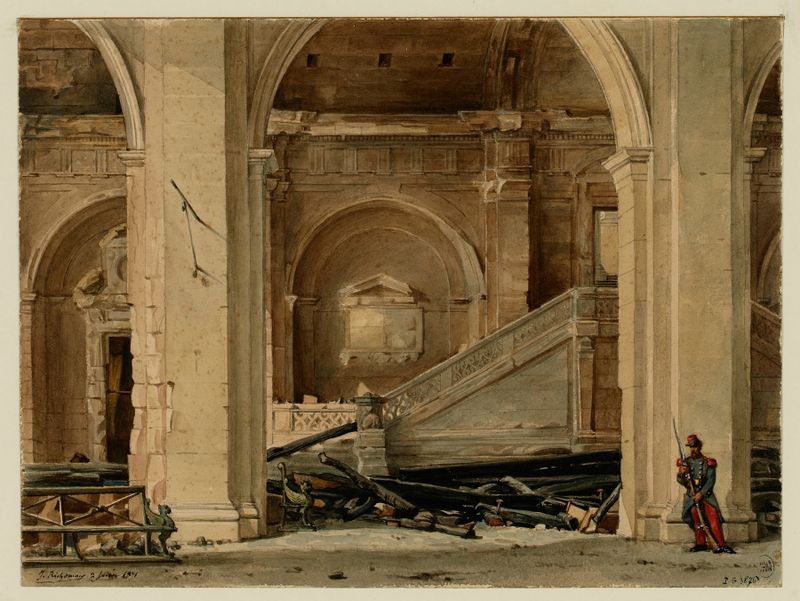
L’escalier du Palais de Justice après l’incendie de 1871
Jules Richomme
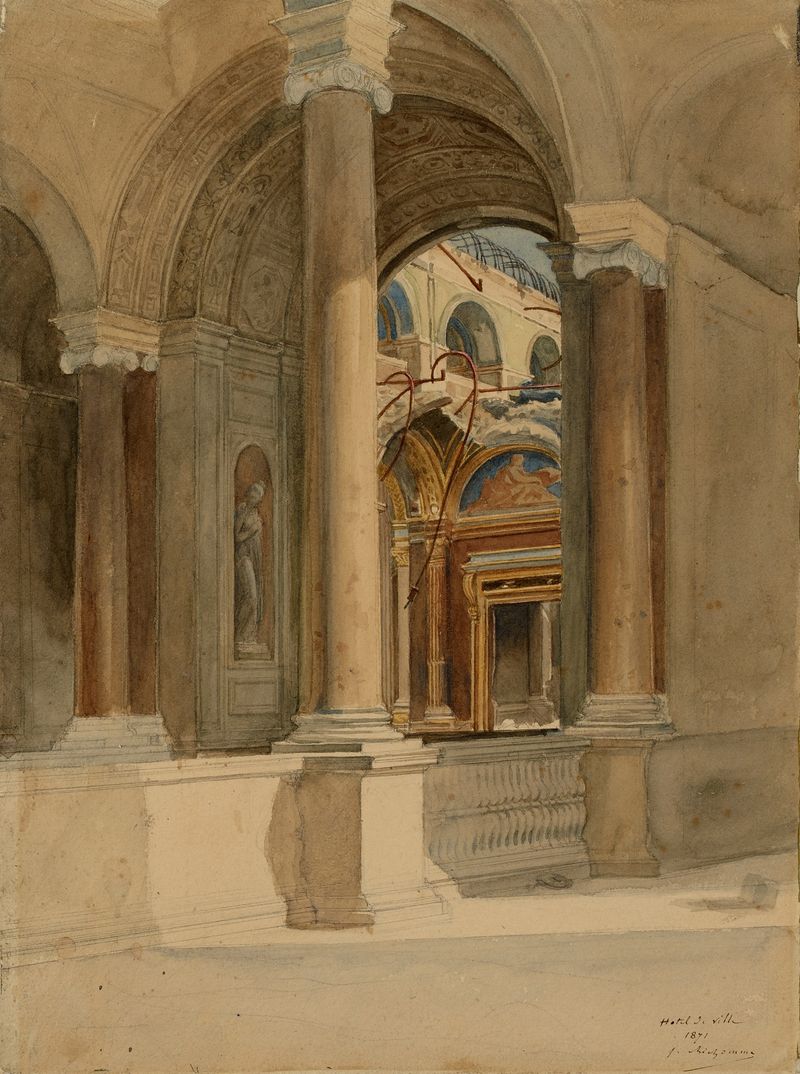
L’Hôtel de Ville après l’incendie 1871
Jules Richomme
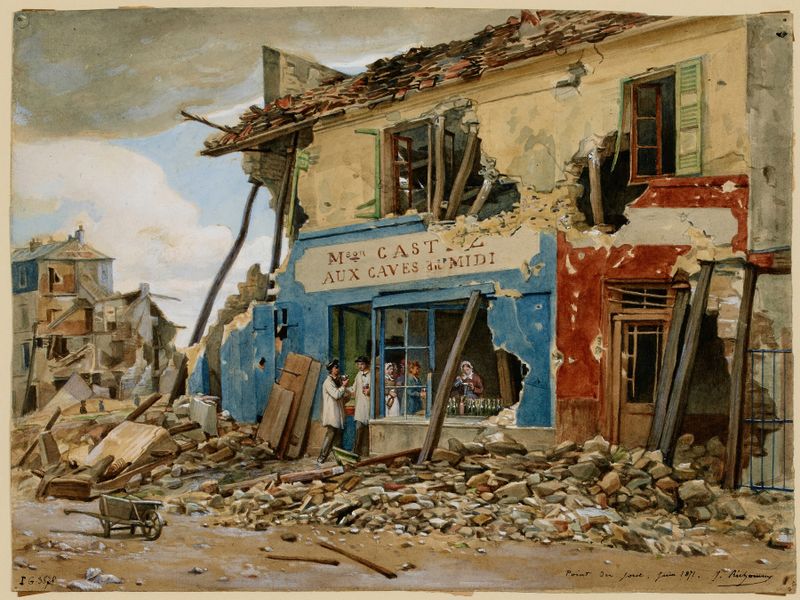
Le Point-du-Jour après de l’armée de Versailles en mai 1871
Jules Richomme
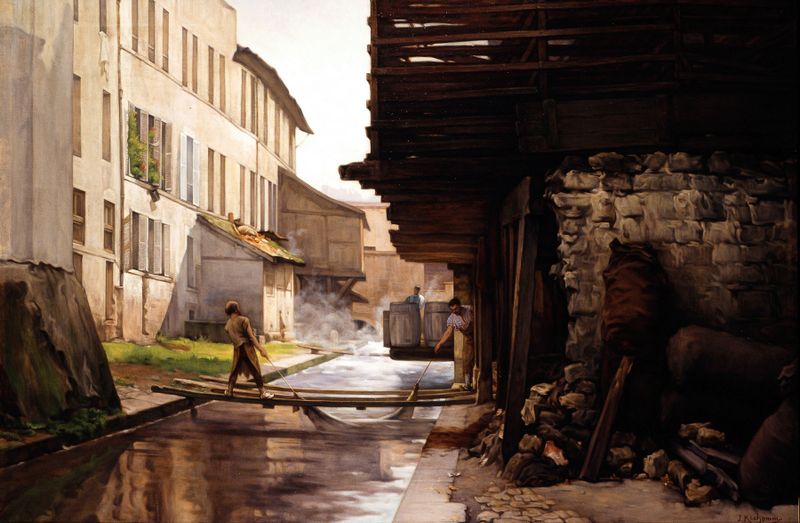
Tannerie sur la Bièvre
Jules Richomme
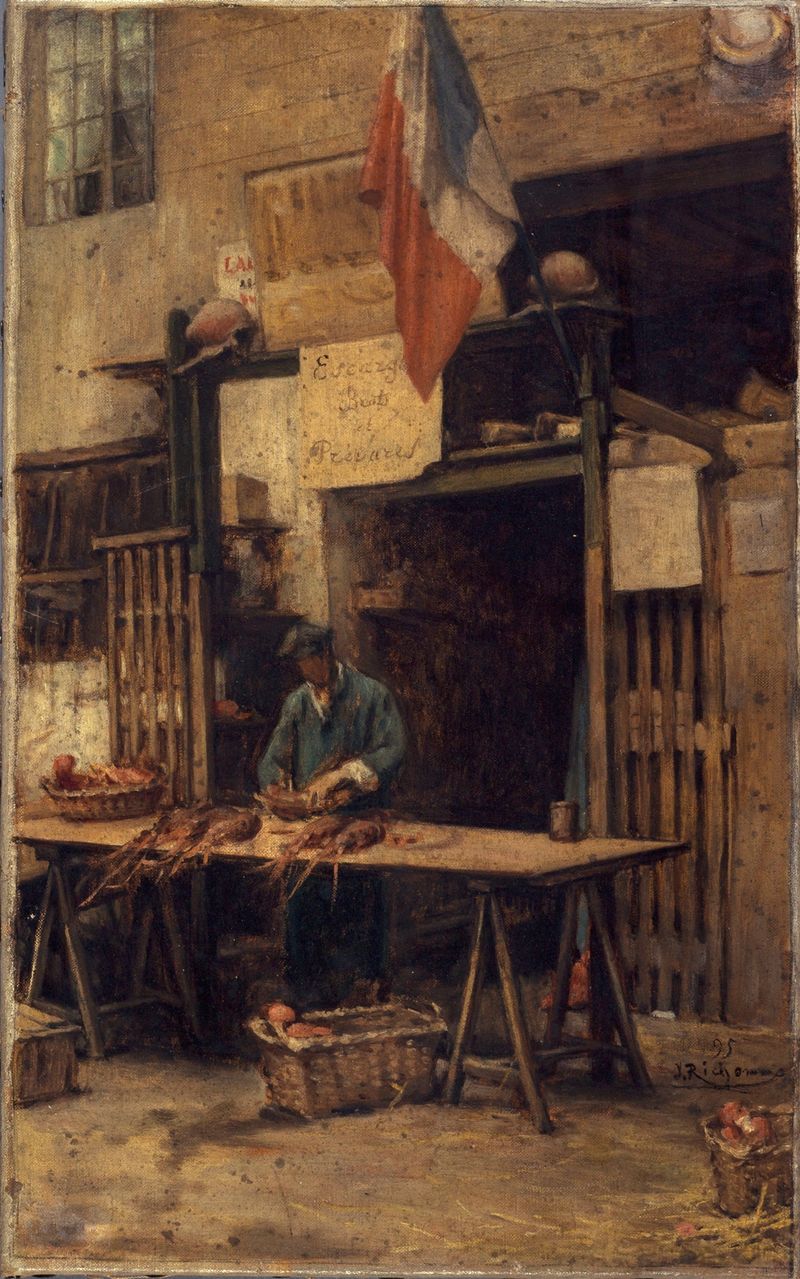
La Cour du Heaume, rue Pirouette
Jules Richomme
More Architecture Art
Browse all →
The statue of Liberty
Frédéric Auguste Bartholdi

View of Houses in Delft, Known as ‘The Little Street’
Johannes Vermeer

View of Houses in Delft, Known as ‘The Little Street’
Johannes Vermeer

The Cathedral in Rouen. The portal, Grey Weather
Claude Monet

The yellow house
Vincent van Gogh

The Church in Auvers-sur-Oise, View from the Chevet
Vincent van Gogh