
La cour à Müller, Frieda et ses poules — History & Facts
What if silence could speak through light? In the stillness of a sun-drenched courtyard, the world awakens, inviting us to listen closely to its unspoken stories. Look to the left at the soft cascade of sunlight pouring down, spilling across the cobblestones, illuminating the vibrant feathers of the chickens nestled against the cool earth. The bolder brushstrokes of yellow contrast gently with the muted greens of the foliage, creating a sense of warmth and tranquility. Notice how the figures are grounded in this moment; Frieda stands poised, her gaze directed towards the viewer, as if inviting us into her serene world, while the chickens flutter around her, embodying a fleeting sense of freedom. Delve deeper into the layers of this scene.
The interplay between light and shadow evokes a feeling of timelessness, reflecting not just a moment in nature but a pause in life itself. The chickens, often symbols of domesticity, underscore a connection to both nature and routine—yet they dance freely in this embrace of light, suggesting a yearning for awakening from the mundane. Frieda’s poised stance, framed by the stillness of her surroundings, hints at an introspective state, capturing the dichotomy between solitude and companionship in nature. Created in 1933, this work emerged during a time of significant change for Gustave Cariot, who was exploring the nuances of light in his pieces.
Living in France, he was influenced by the post-Impressionist movement and the emerging modernist trends that sought to capture the essence of life through vibrant colors and emotional depth. The world was grappling with the aftermath of global upheavals, yet in La cour à Müller, Frieda et ses poules, Cariot offers us a sanctuary of peace—a moment of awakening captured in the language of light.
More Artworks by Gustave Cariot
Browse all →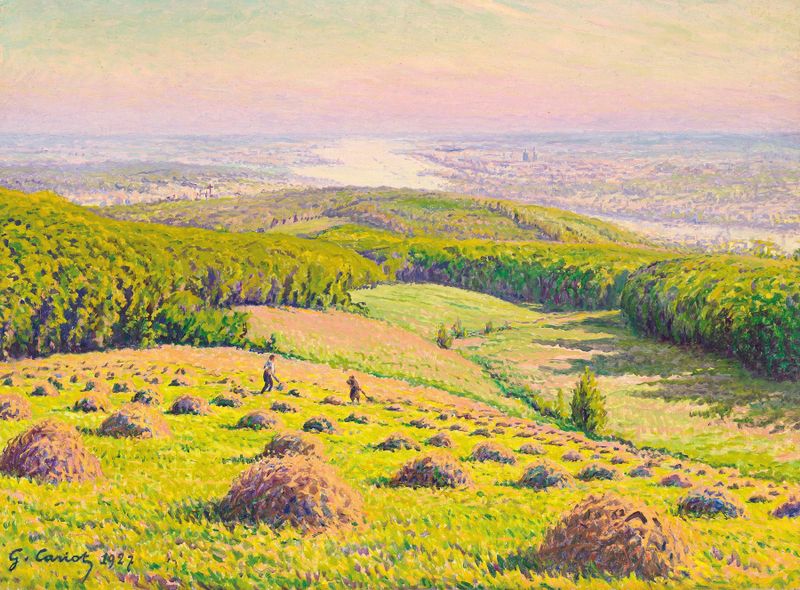
La vallée
Gustave Cariot

Le Jardin
Gustave Cariot

Les meules
Gustave Cariot
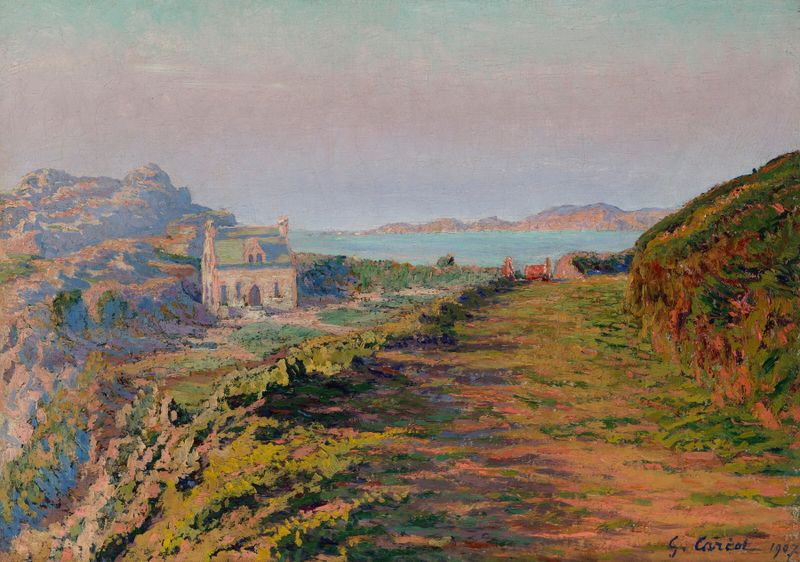
Maison Pen ar C’hastel à la pointe du Château, Perros-Guirrec
Gustave Cariot
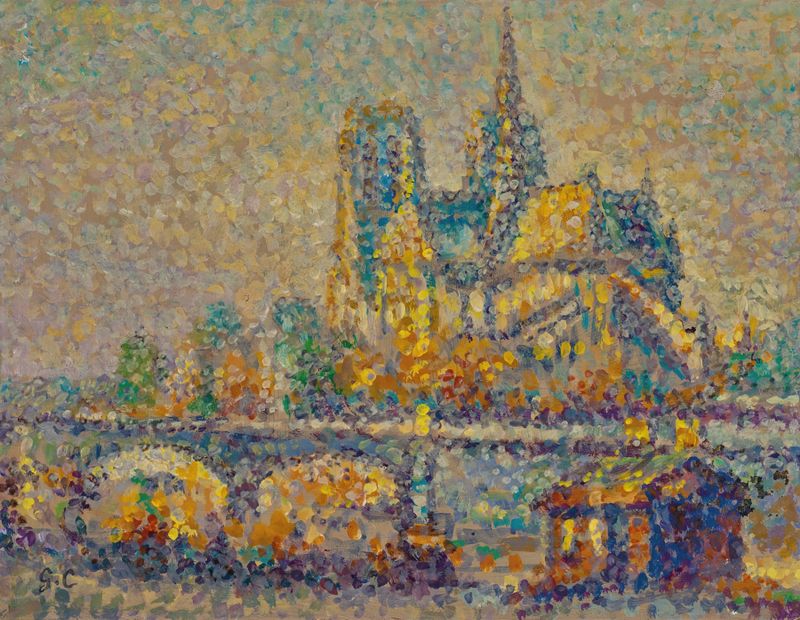
Notre-Dame de Paris
Gustave Cariot
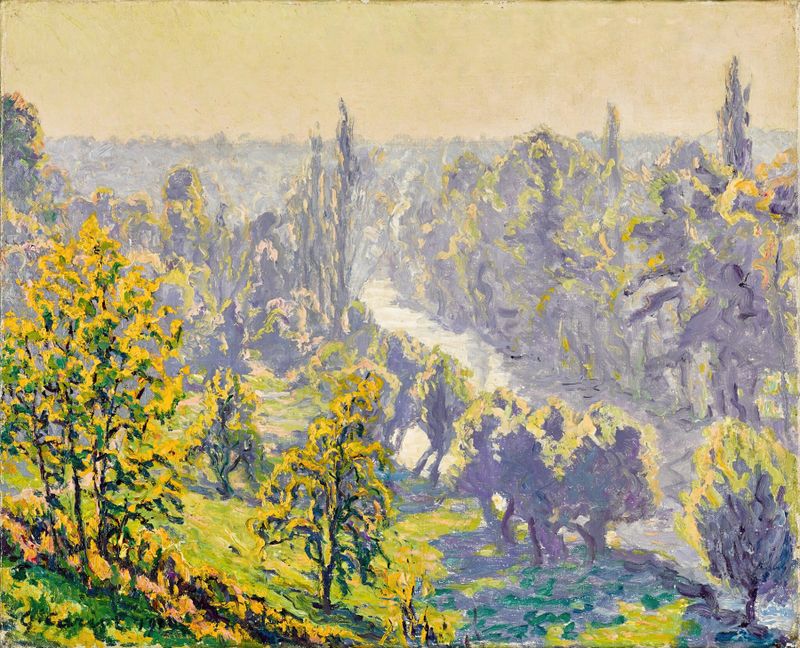
Périgny, automne, matinée sur l’Yerres
Gustave Cariot
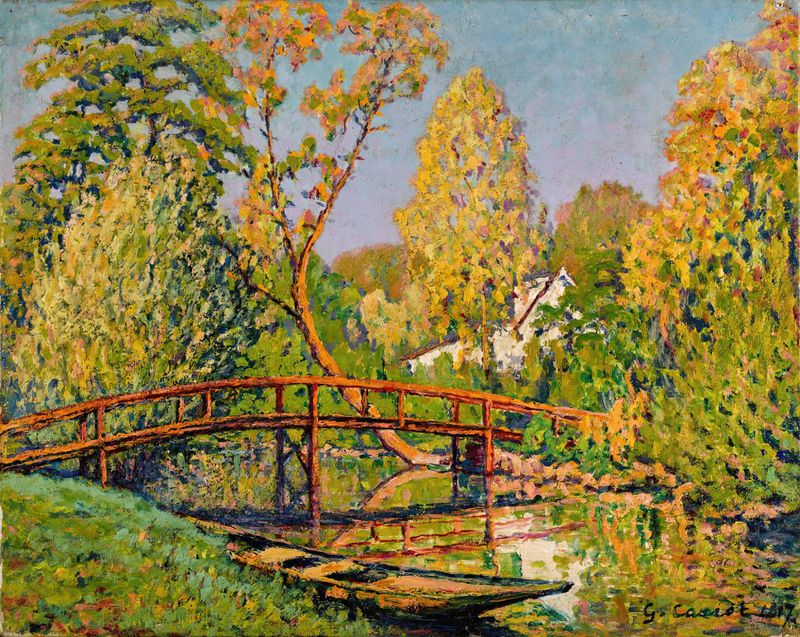
Périgny, pont sur l’Yerres
Gustave Cariot
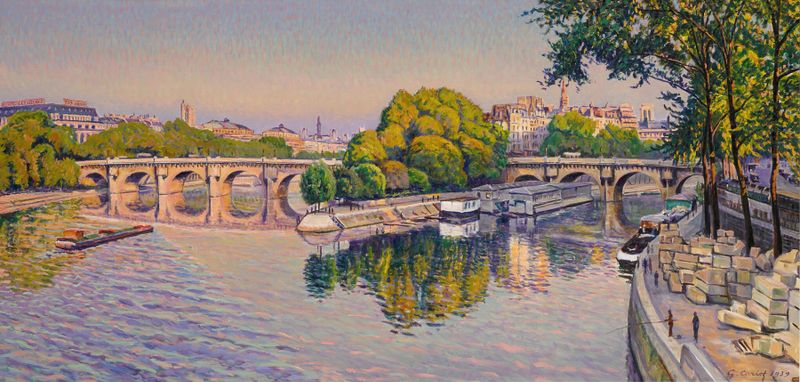
Le Pont-Neuf, eté, 20 heures
Gustave Cariot

Moulin de Périgny
Gustave Cariot

Le chemin à Mandres
Gustave Cariot





