Le Jardin — History & Facts
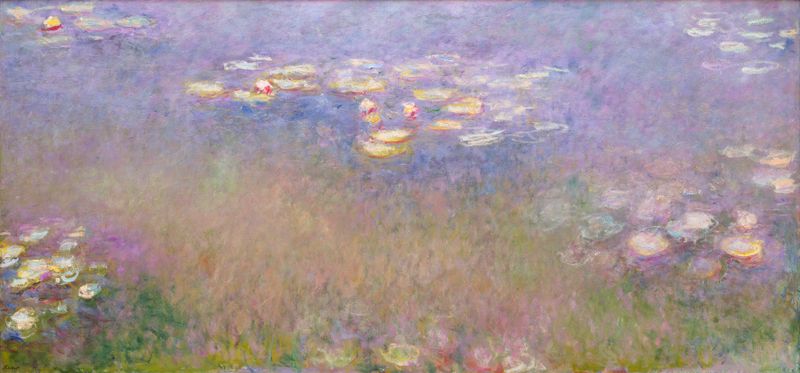
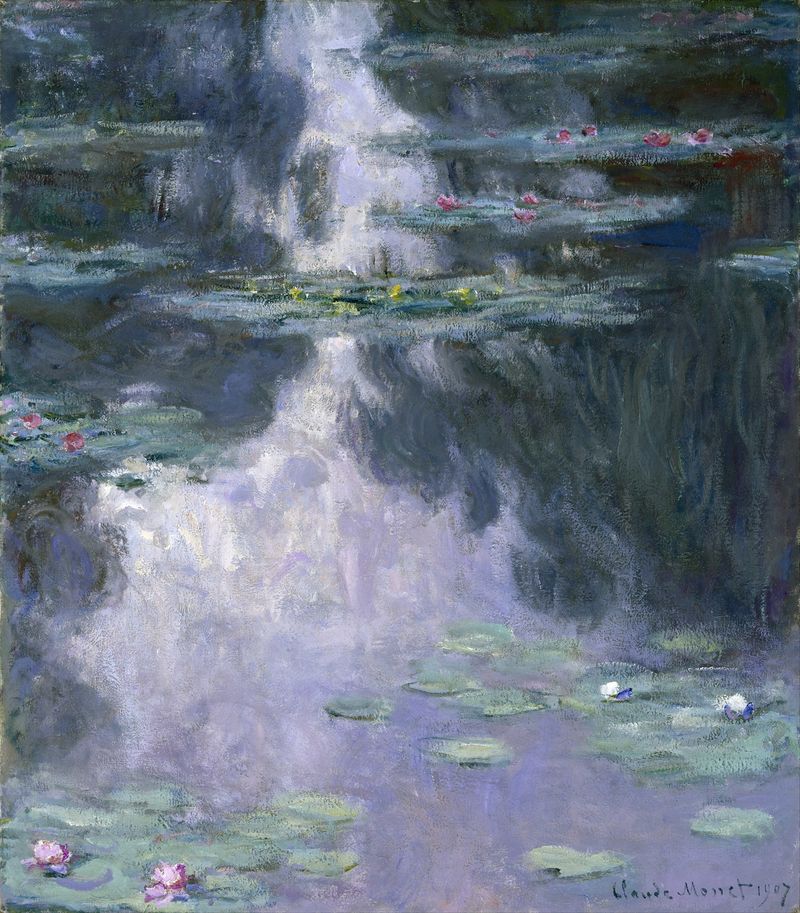
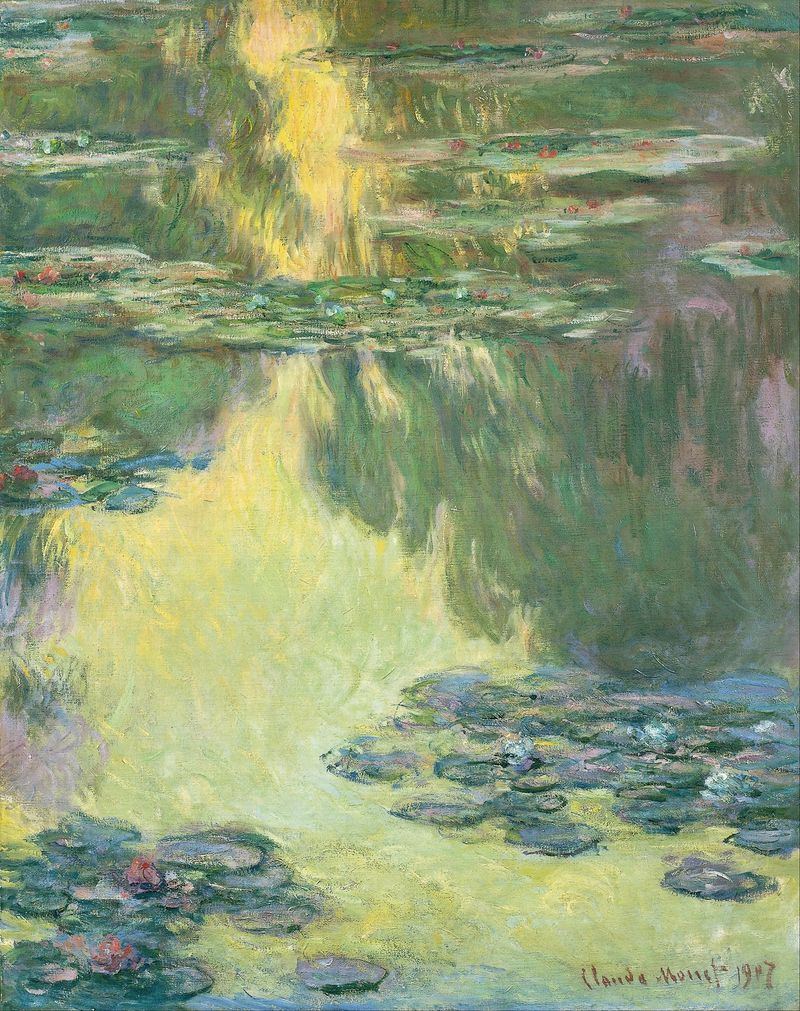
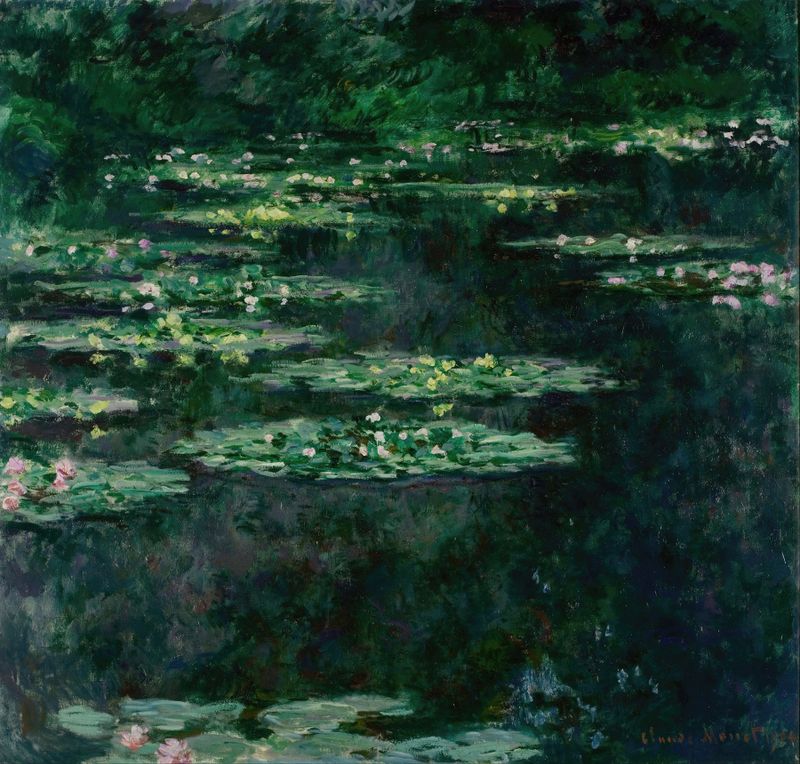
What secret hides in the quiet of the canvas? In Gustave Cariot’s Le Jardin, the lushness of nature cloaks an underlying tension that pulls the viewer into contemplation of life’s fragility. Look to the center of the composition, where a riot of greens and lavish floral hues blooms, drawing your eye into an intricate tapestry of life. Notice how the vibrant colors dance under dappled light, the brushstrokes energetic yet soothing, creating a sense of movement amid the stillness. The soft interplay between shadow and light lends an ethereal quality, inviting introspection as you explore the hidden corners of this verdant paradise. Yet, within this celebration of nature lies a poignant contrast.
The vibrant life depicted is counterbalanced by an almost palpable silence, suggesting a moment frozen in time, where beauty and ephemerality coexist. The flowers, in their baroque splendor, remind us of the inevitability of decay, each petal representing a fleeting moment, a silent commentary on mortality and the cycles of existence. Cariot’s careful detailing transforms each blossom into a metaphor for life and loss, echoing the profound connection between beauty and its eventual demise. Created in 1908, Le Jardin emerged during a period of personal upheaval for Cariot, as he grappled with the loss of his mother.
This profound sorrow coincided with an era in art marked by a shift towards Impressionism and the exploration of inner emotions, allowing the artist to weave his own experiences into the fabric of this lush garden scene. A testament to both the natural world and human vulnerability, Cariot's work reflects a pivotal moment in his life, capturing the essence of existence’s delicate balance.
More Artworks by Gustave Cariot
Browse all →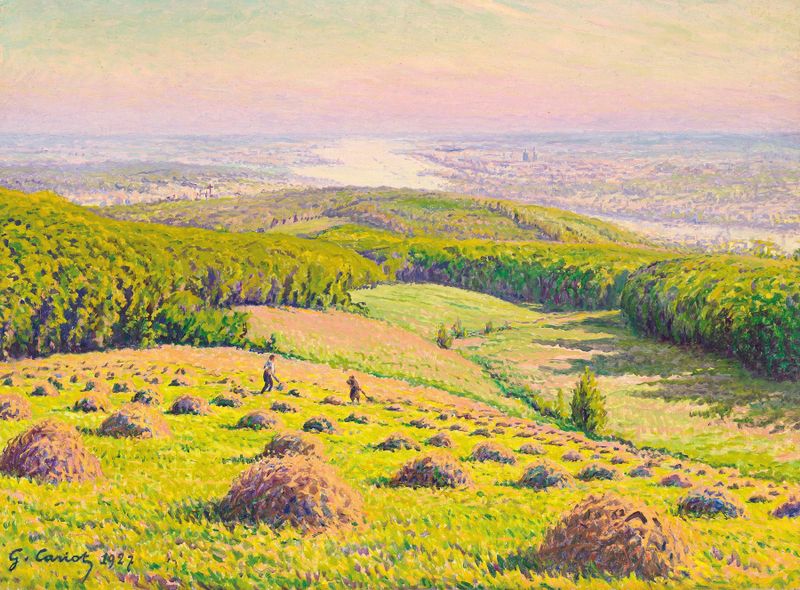
La vallée
Gustave Cariot

Les meules
Gustave Cariot
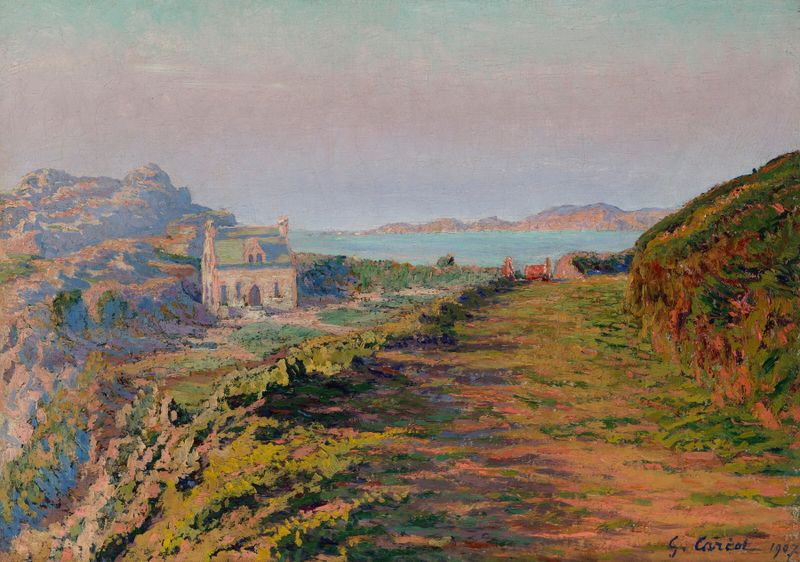
Maison Pen ar C’hastel à la pointe du Château, Perros-Guirrec
Gustave Cariot
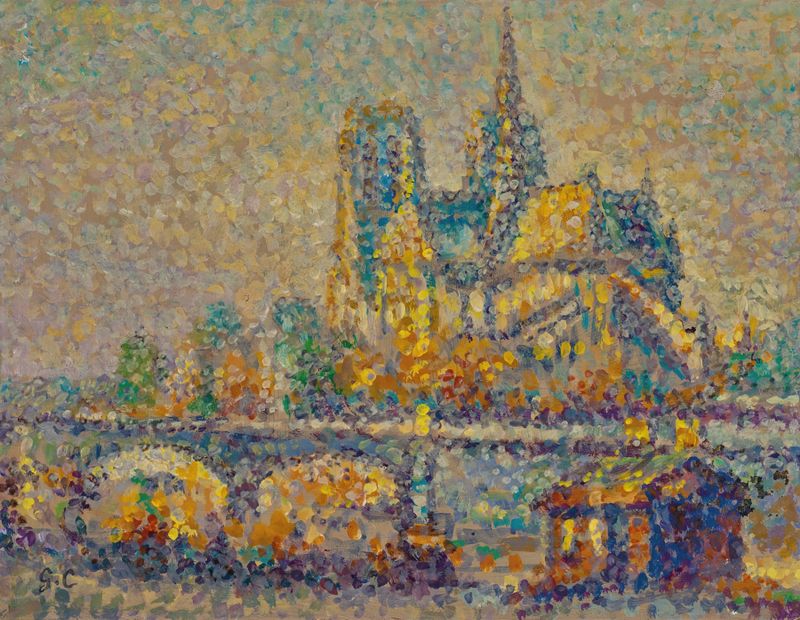
Notre-Dame de Paris
Gustave Cariot
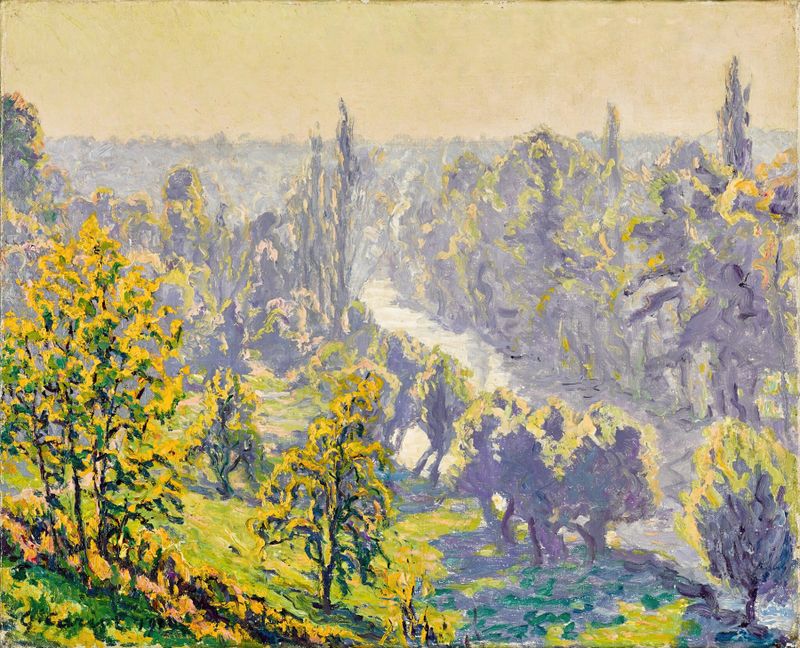
Périgny, automne, matinée sur l’Yerres
Gustave Cariot
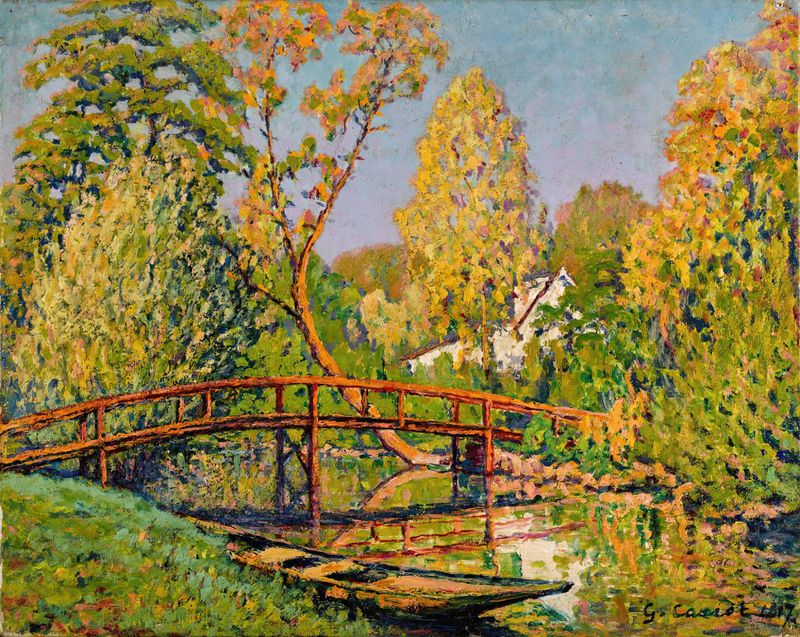
Périgny, pont sur l’Yerres
Gustave Cariot
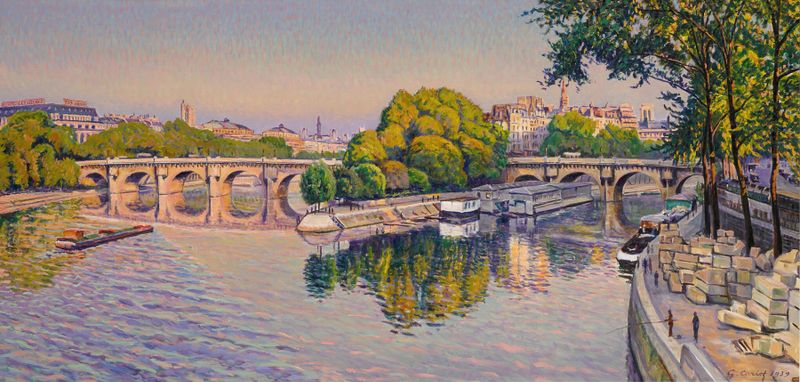
Le Pont-Neuf, eté, 20 heures
Gustave Cariot

Moulin de Périgny
Gustave Cariot

Le chemin à Mandres
Gustave Cariot
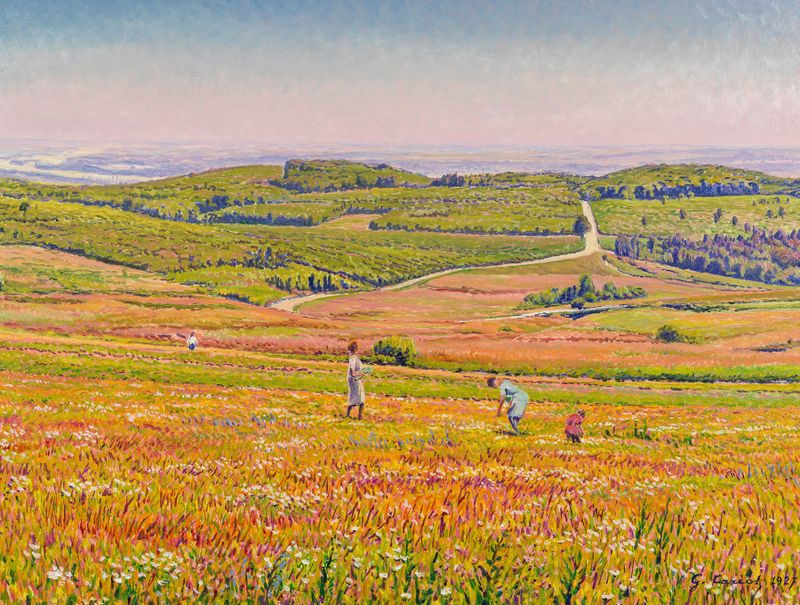
La cueillette des fleurs
Gustave Cariot