Discover insights about this artwork
Le chemin à Mandres — History & Facts
Who listens when art speaks of silence? In Le chemin à Mandres, Gustave Cariot invites us to contemplate the unspoken, where the absence of sound becomes a powerful presence in the natural world. Look to the center of the canvas, where a solitary pathway beckons, bordered by lush greenery that seems to pulse with life. The gentle brushstrokes create a sense of movement in the leaves, inviting the viewer to wander deeper into this tranquil scene. Notice how the soft, muted colors blend harmoniously, invoking a divine serenity as light filters through the treetops, casting gentle shadows that dance along the ground. Within this peaceful composition, contrasts emerge: the vibrant greens of the foliage juxtaposed with the earthy browns of the path symbolize the duality of life and nature.
Each element whispers of divinity, evoking a sense of spiritual exploration. The emptiness of the path suggests a journey yet to unfold, prompting reflections on solitude and the personal quest for connection with the divine. Created in 1945, during a time of healing and reconstruction in the aftermath of World War II, the artist found solace in the serenity of nature. Living in France, Cariot sought to capture the beauty of the rural landscape, reflecting both a personal and collective yearning for peace.
The painting stands as a testament to the resilience of the human spirit, resonating with viewers navigating their own paths of introspection.
More Artworks by Gustave Cariot
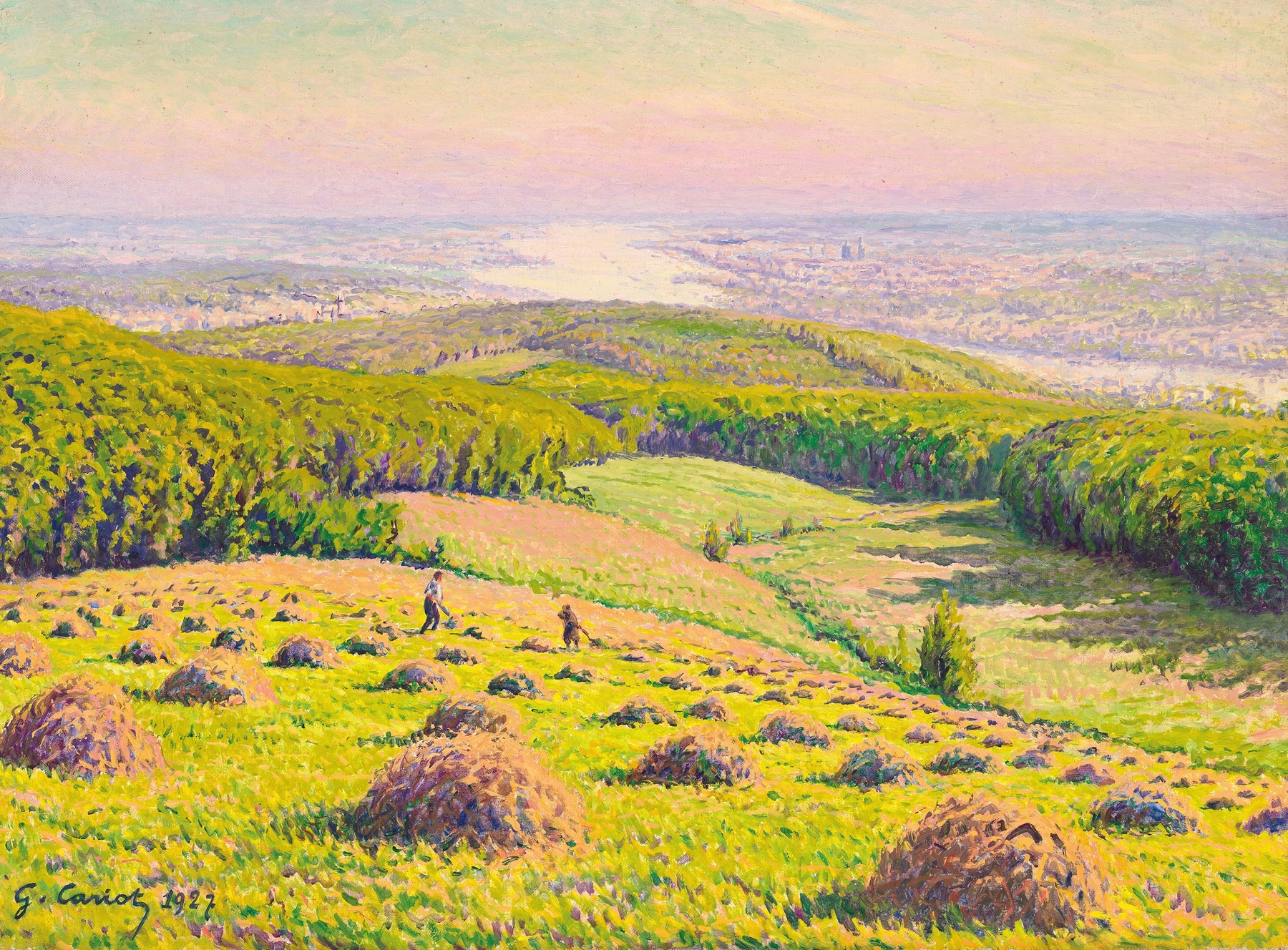
La vallée
Gustave Cariot
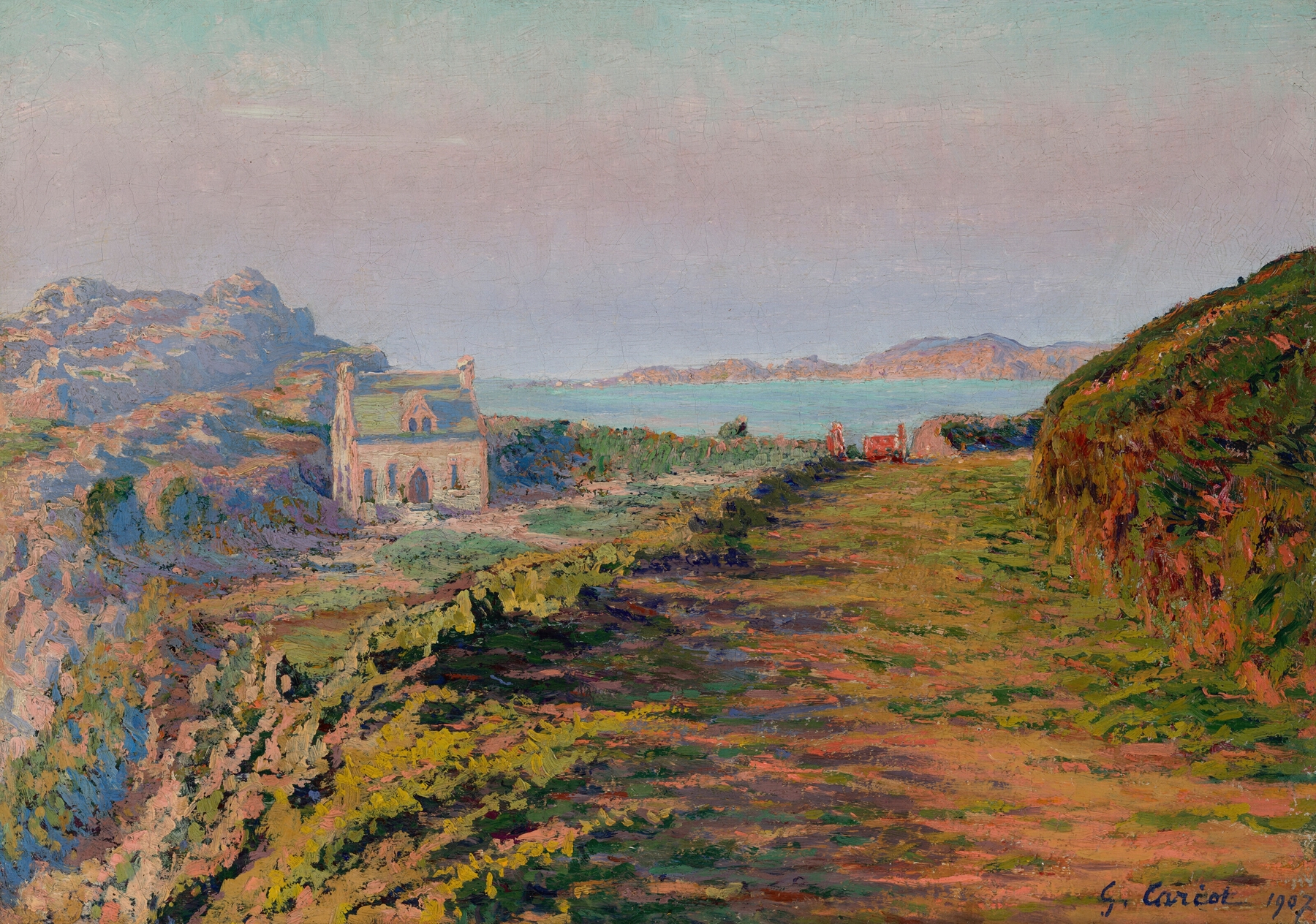
Maison Pen ar C’hastel à la pointe du Château, Perros-Guirrec
Gustave Cariot
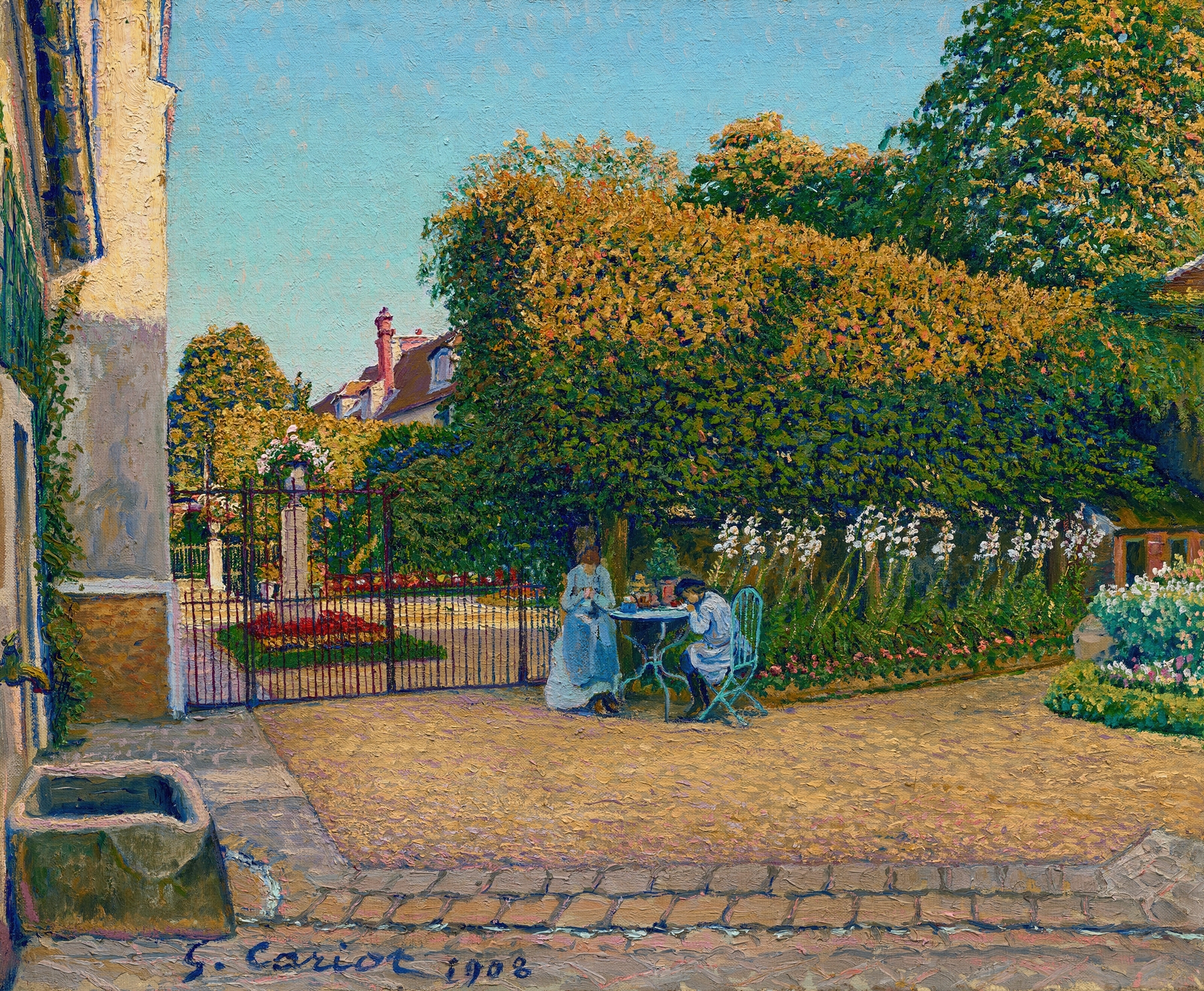
Le Jardin
Gustave Cariot
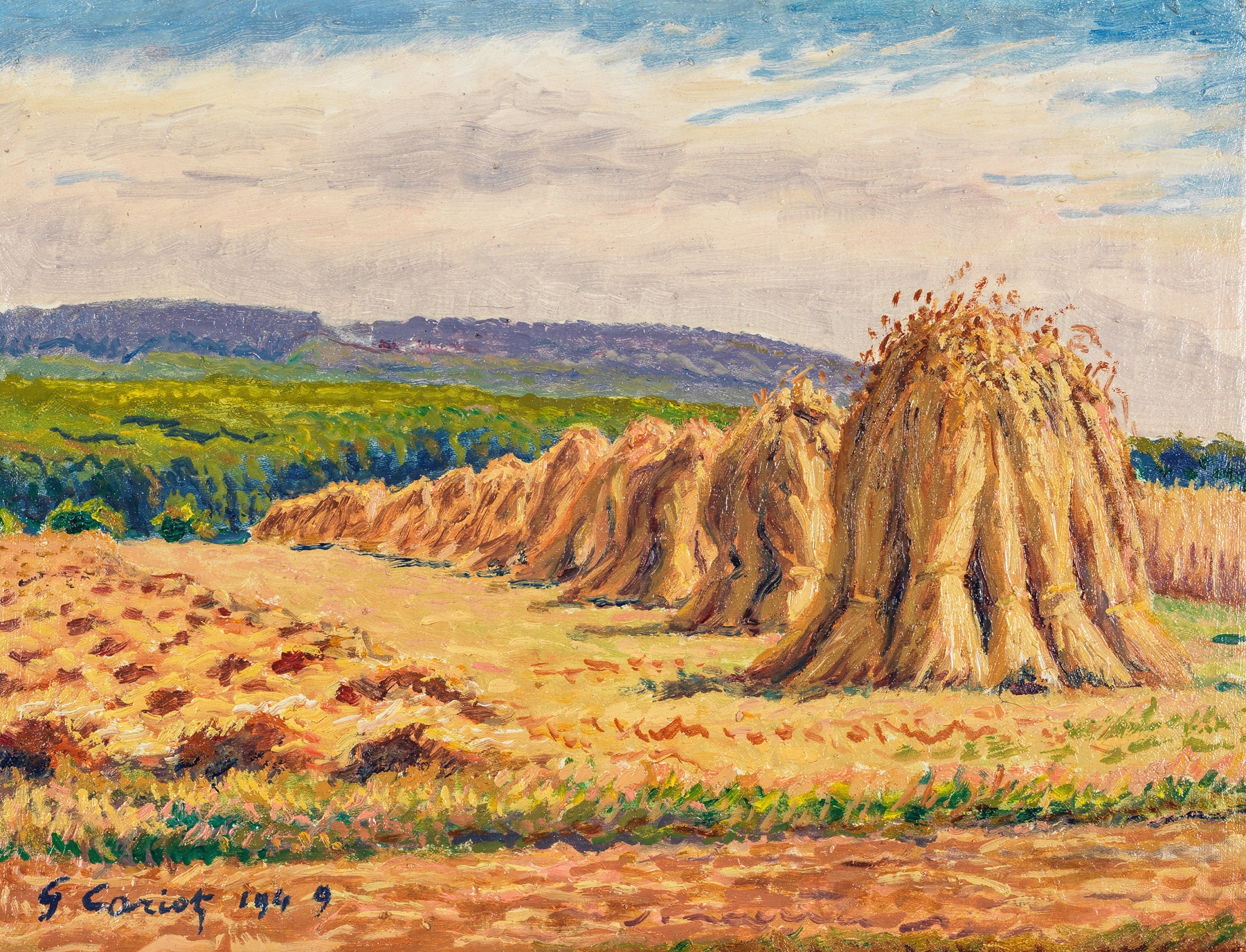
Les meules
Gustave Cariot
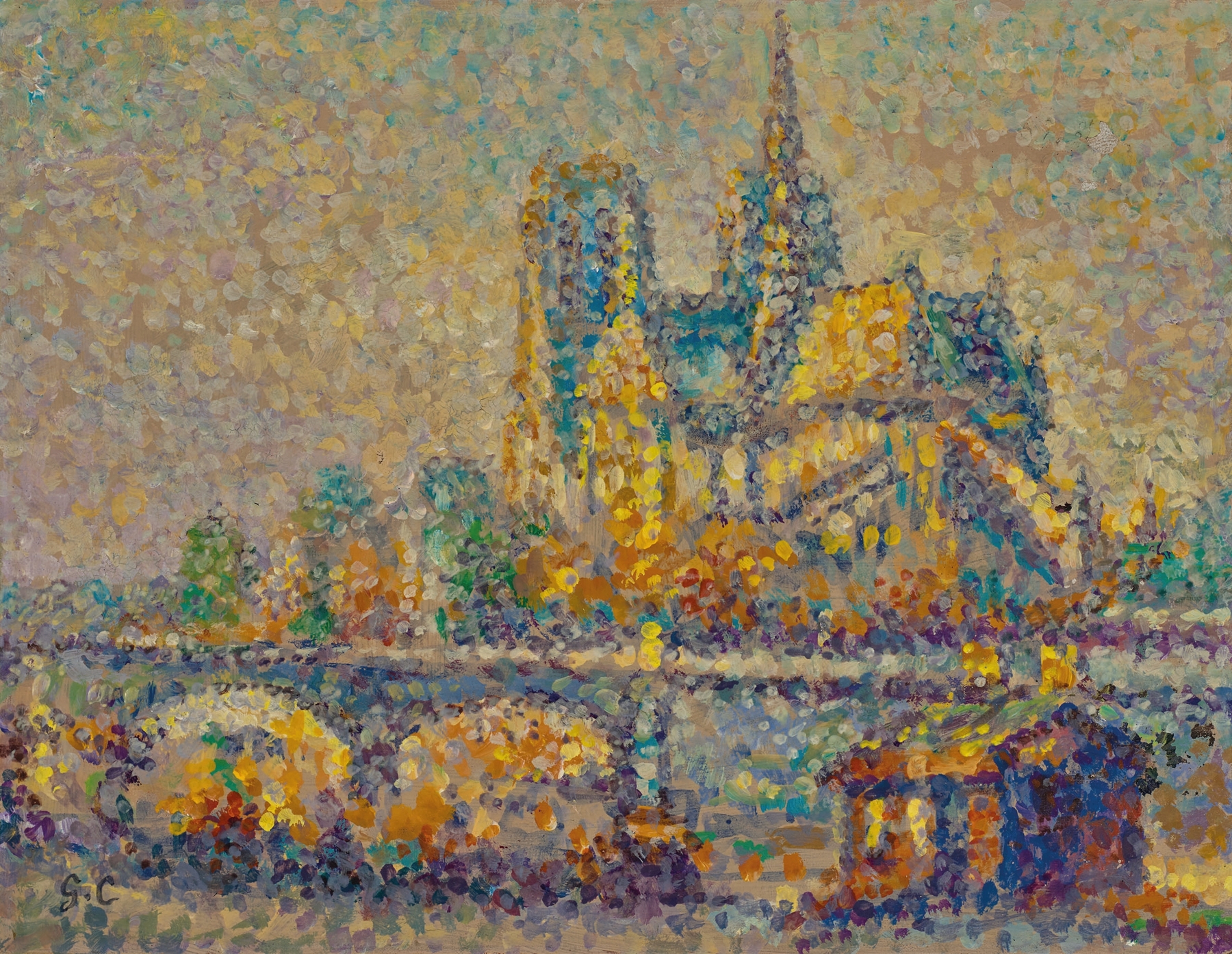
Notre-Dame de Paris
Gustave Cariot
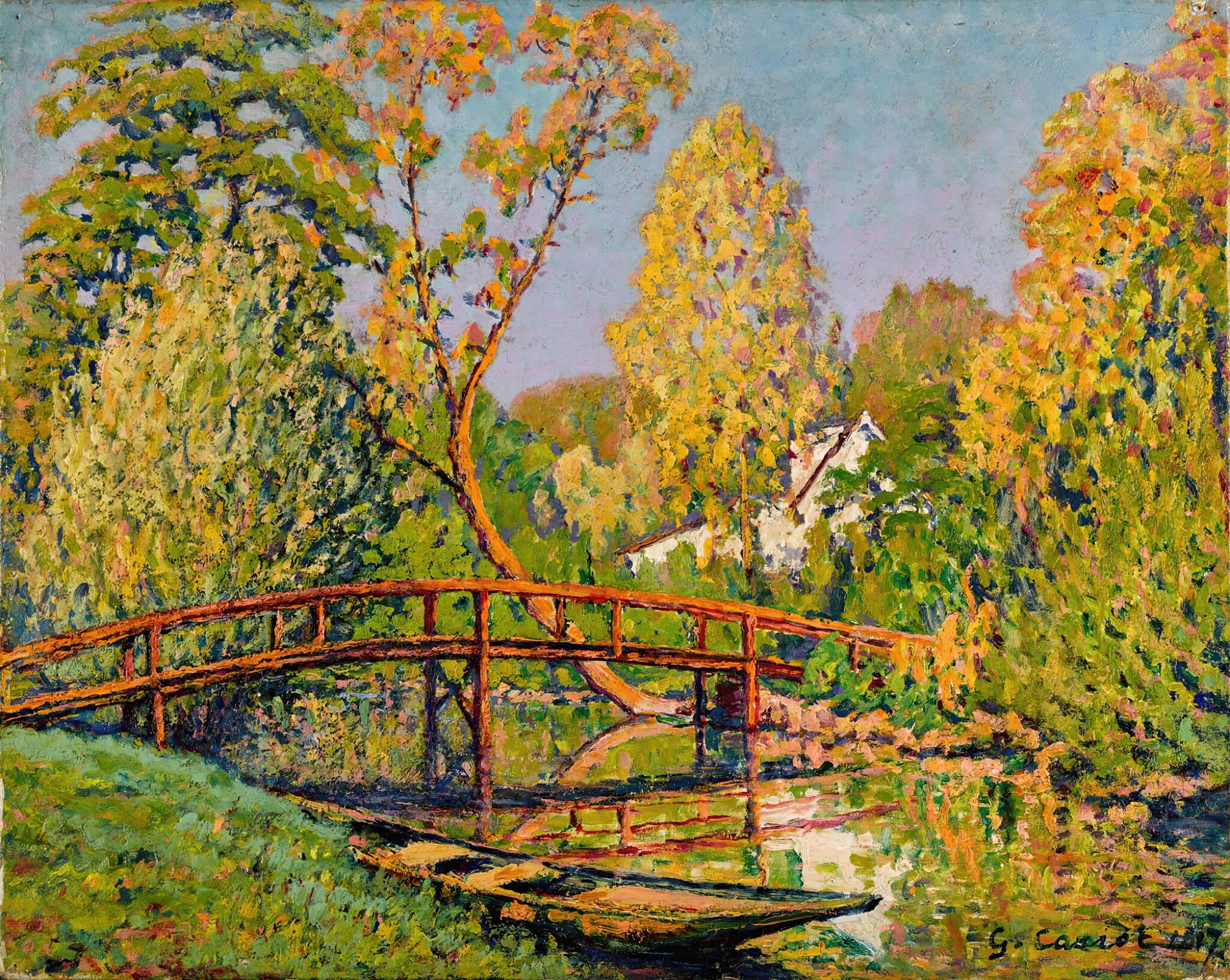
Périgny, pont sur l’Yerres
Gustave Cariot
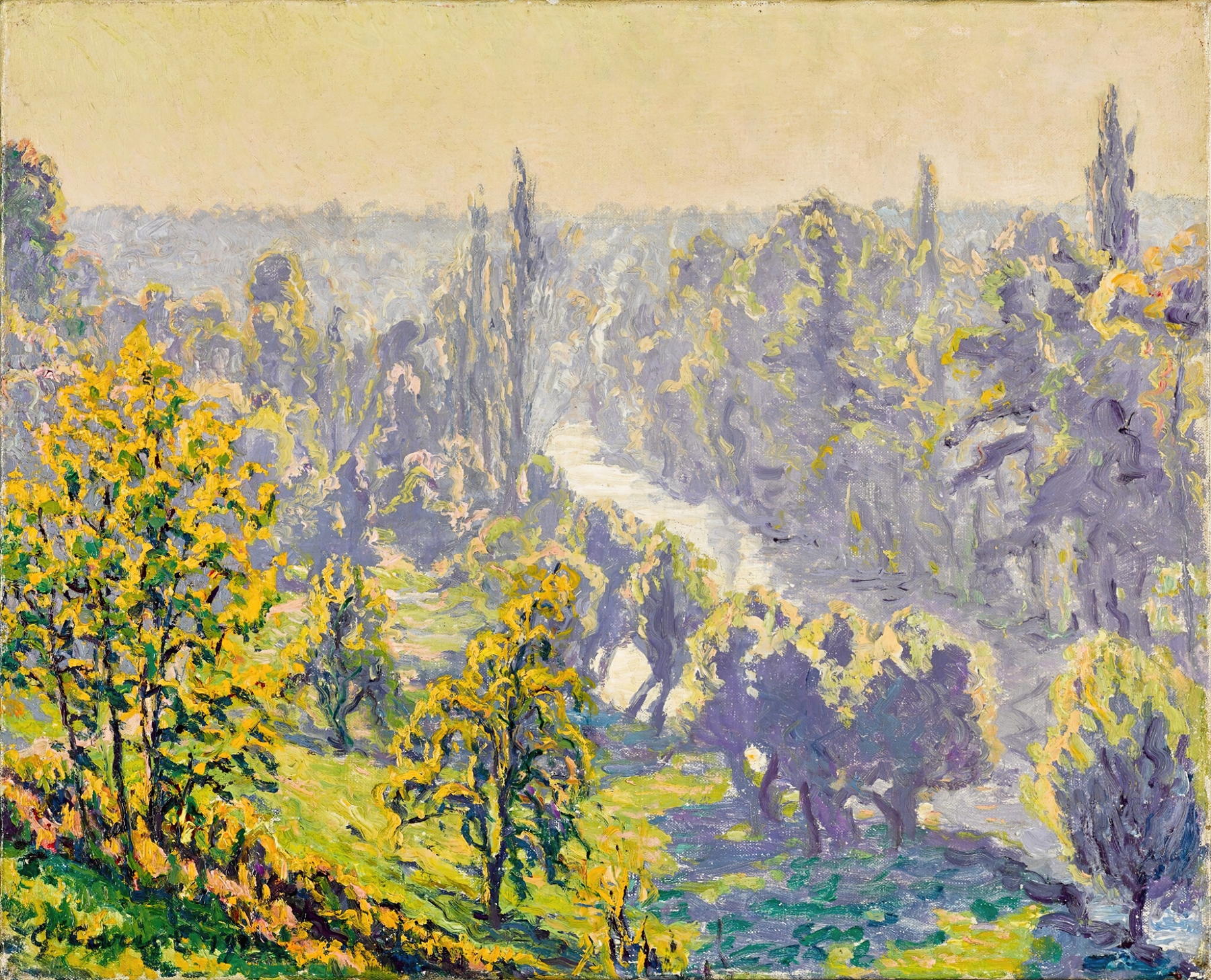
Périgny, automne, matinée sur l’Yerres
Gustave Cariot
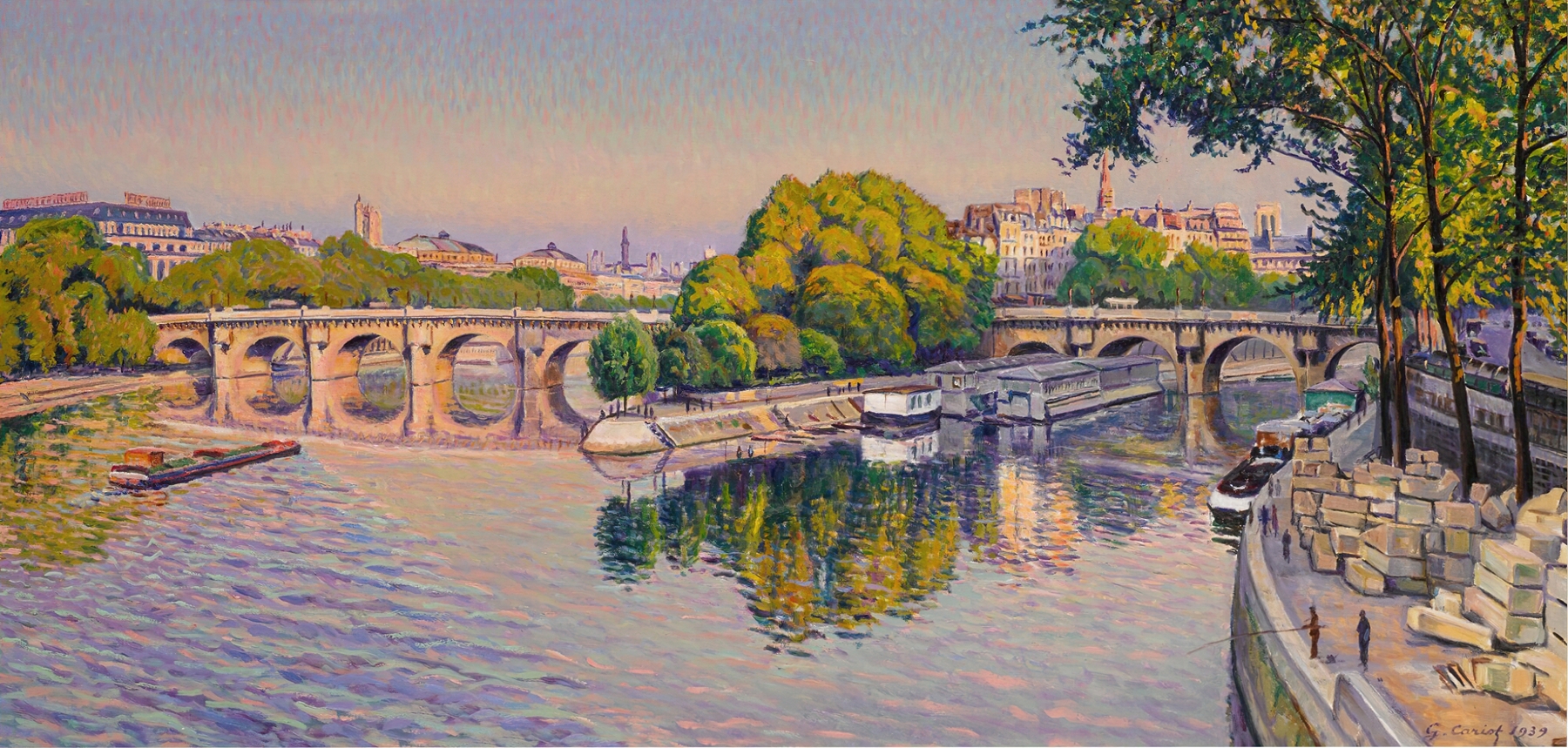
Le Pont-Neuf, eté, 20 heures
Gustave Cariot
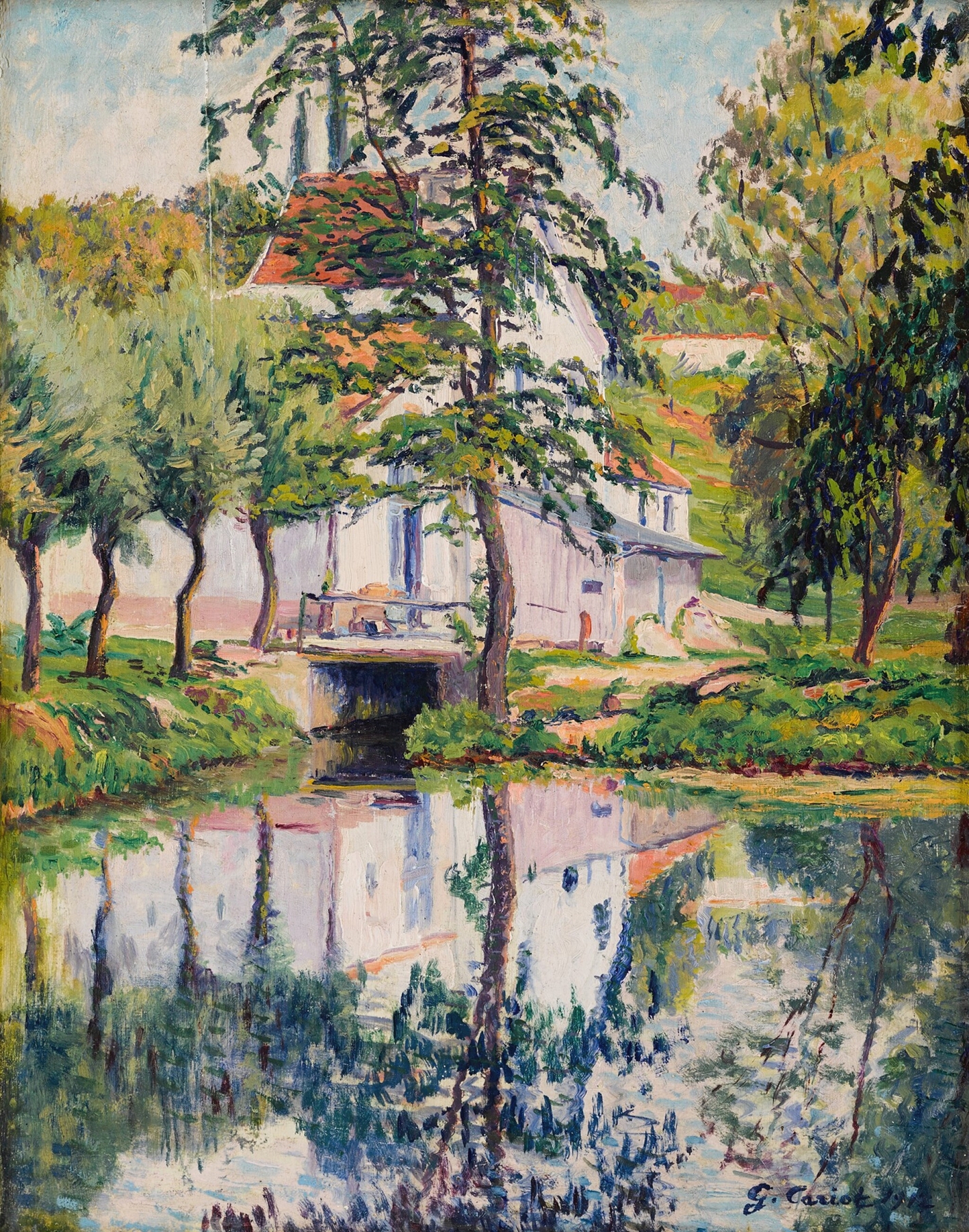
Moulin de Périgny
Gustave Cariot
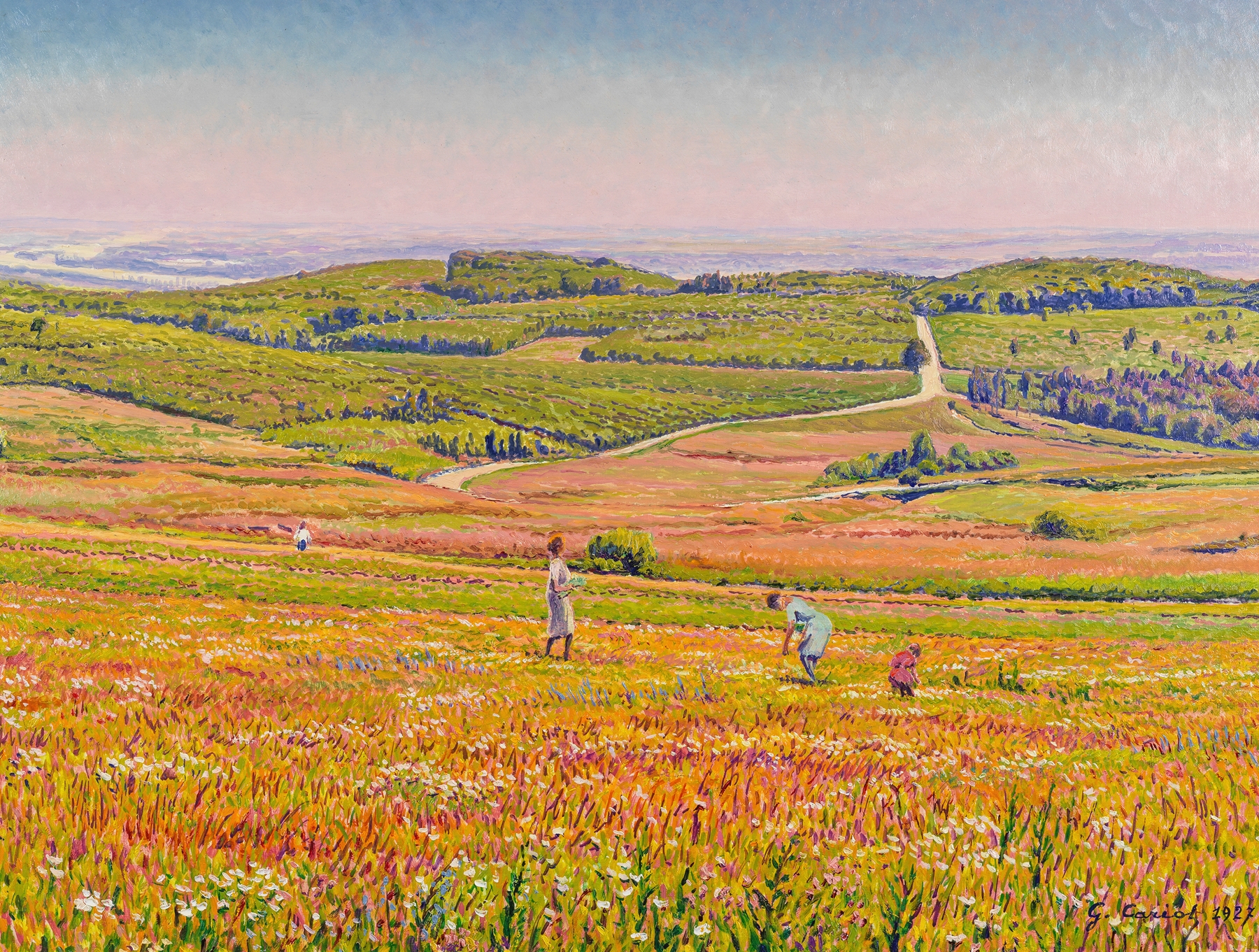
La cueillette des fleurs
Gustave Cariot