
Moulin de Périgny — History & Facts
What secret hides in the quiet of the canvas? In Gustave Cariot’s Moulin de Périgny, the transformation of a serene landscape into a vivid tapestry of color invites the viewer to ponder the unseen stories woven within the tranquil scene. Look to the left at the gently swirling blues and greens that cradle the windmill, creating a soft yet vibrant backdrop. The brushstrokes dance with a lively cadence, each stroke pulsing with energy and intention. Notice how the light warmly envelops the mill, casting delicate shadows that suggest both presence and absence, while the golden rays of sunlight filter through the trees, illuminating the life within the landscape. Beneath the apparent calm lies a deeper narrative of transformation—the juxtaposition of nature's serenity against the industriousness of human architecture.
The mill, a symbol of labor and progress, stands in harmony with the surrounding flora, suggesting an intricate relationship between nature and man. The lively colors evoke a sense of nostalgia, yet also hint at a fleeting moment, as if the scene might dissolve into memory at any moment. In 1912, Cariot painted this work during a period of profound change in both his personal life and the art world. Living in France, he was influenced by the burgeoning movements of Impressionism and Post-Impressionism, which encouraged new explorations of color and technique.
As he embraced these evolving styles, Moulin de Périgny reflected not only the beauty of the landscape but also the artist’s own journey of transformation amidst a rapidly modernizing era.
More Artworks by Gustave Cariot
Browse all →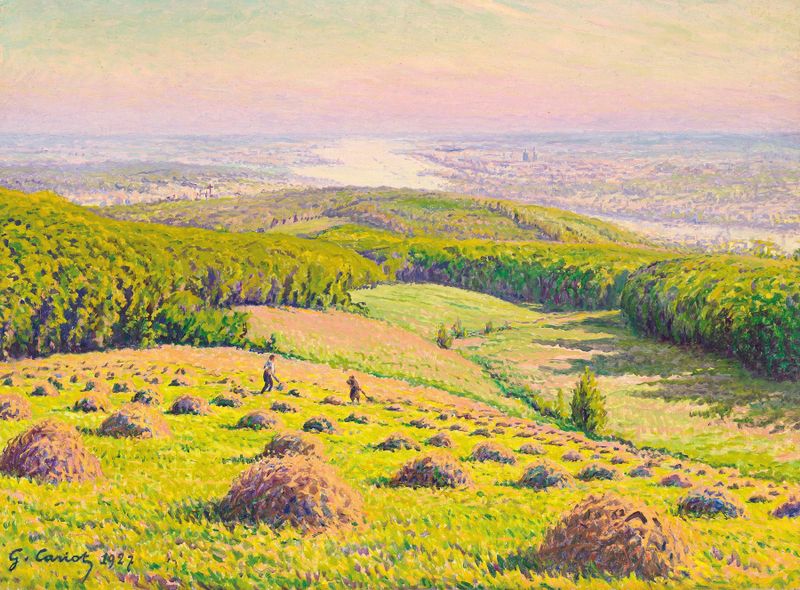
La vallée
Gustave Cariot

Le Jardin
Gustave Cariot

Les meules
Gustave Cariot
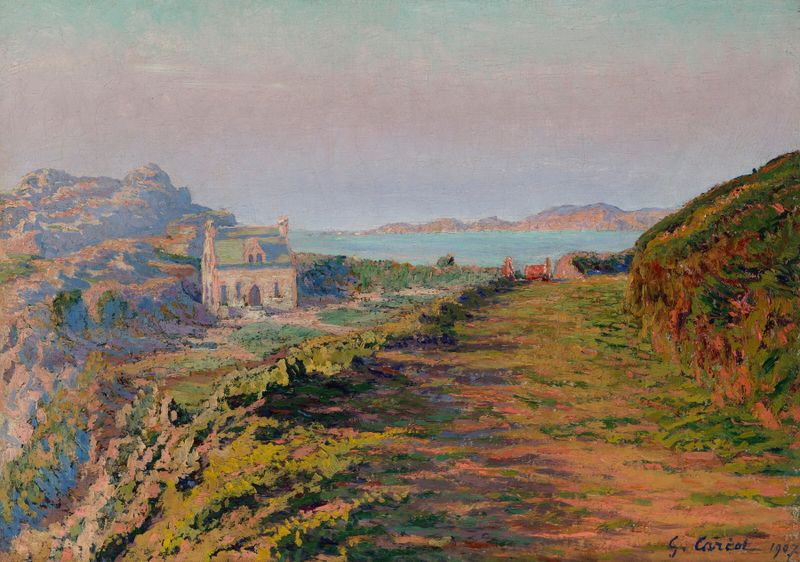
Maison Pen ar C’hastel à la pointe du Château, Perros-Guirrec
Gustave Cariot
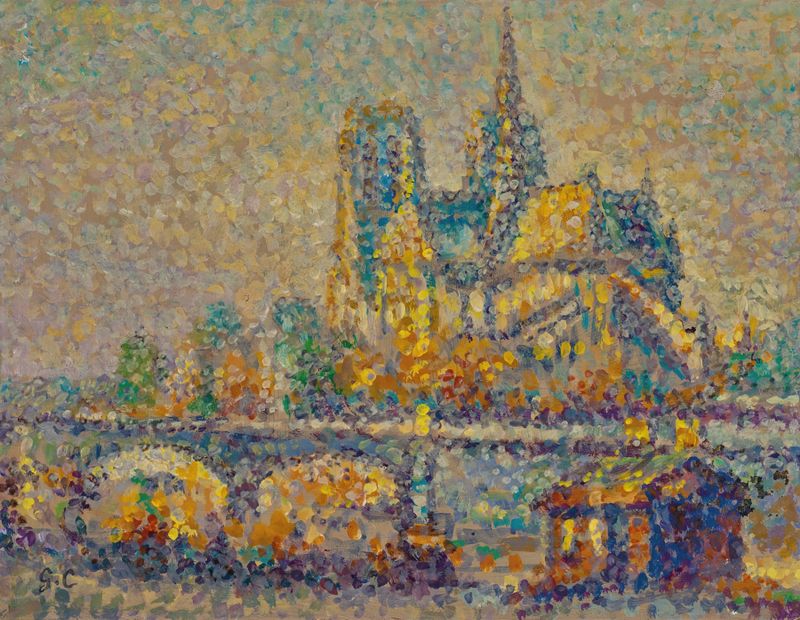
Notre-Dame de Paris
Gustave Cariot
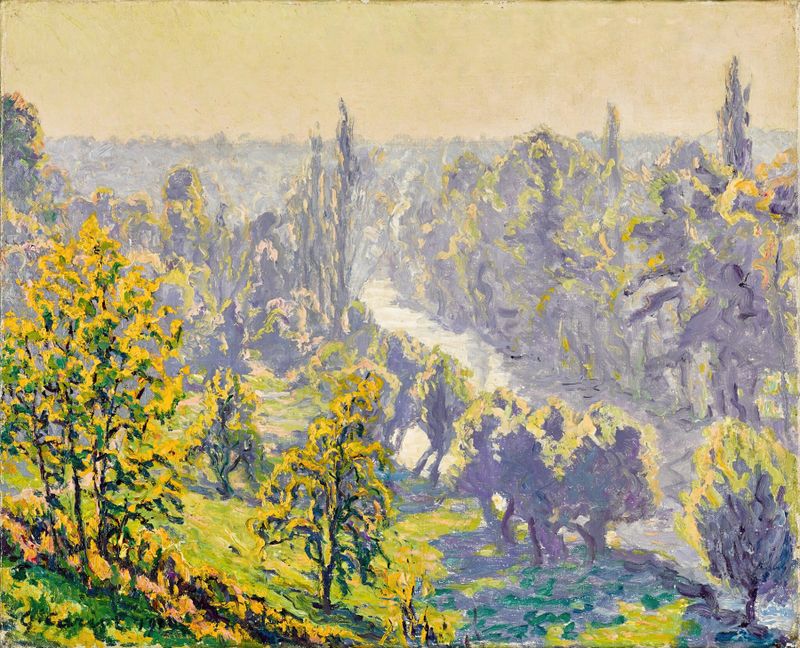
Périgny, automne, matinée sur l’Yerres
Gustave Cariot
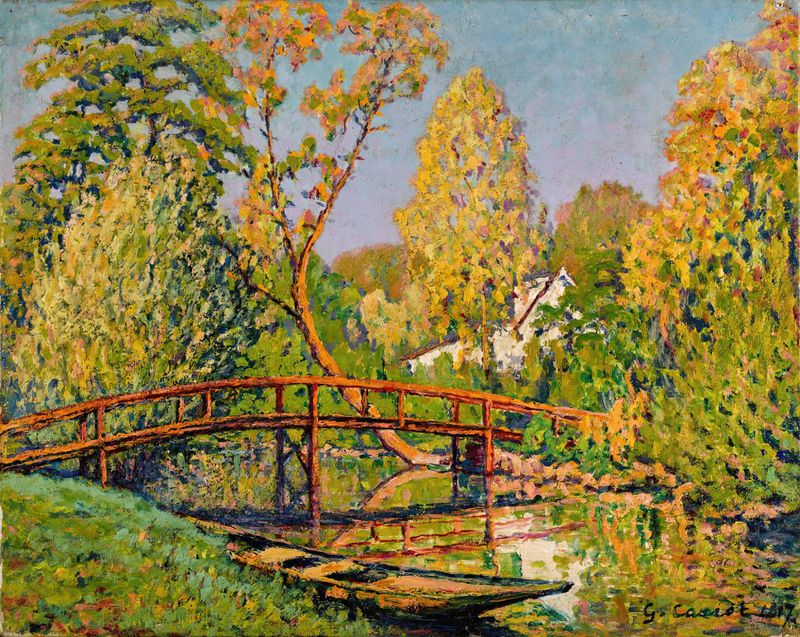
Périgny, pont sur l’Yerres
Gustave Cariot
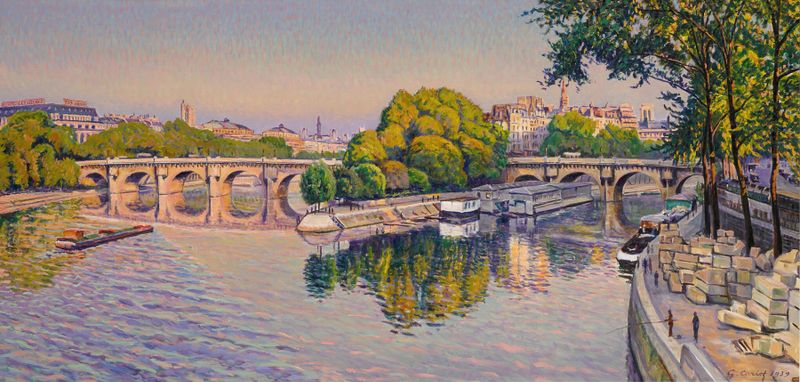
Le Pont-Neuf, eté, 20 heures
Gustave Cariot

Le chemin à Mandres
Gustave Cariot
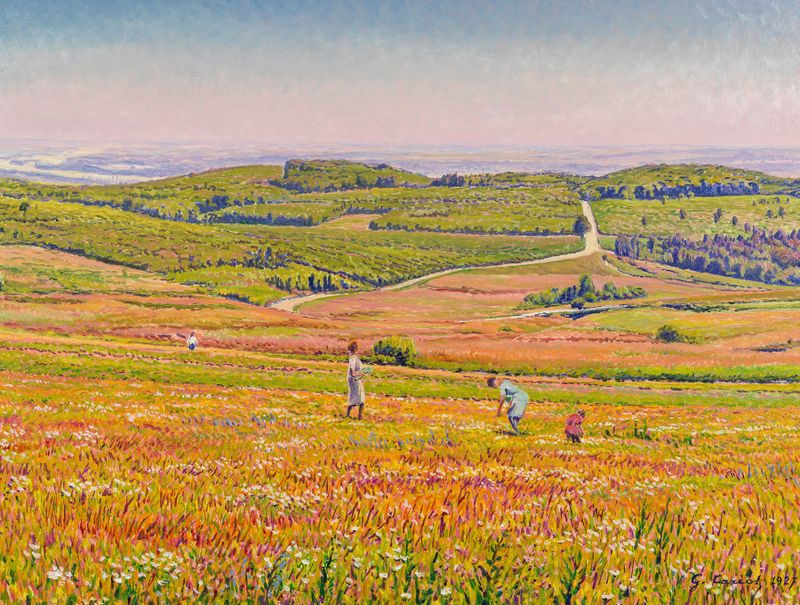
La cueillette des fleurs
Gustave Cariot





