
La digue à la Goulette — History & Facts
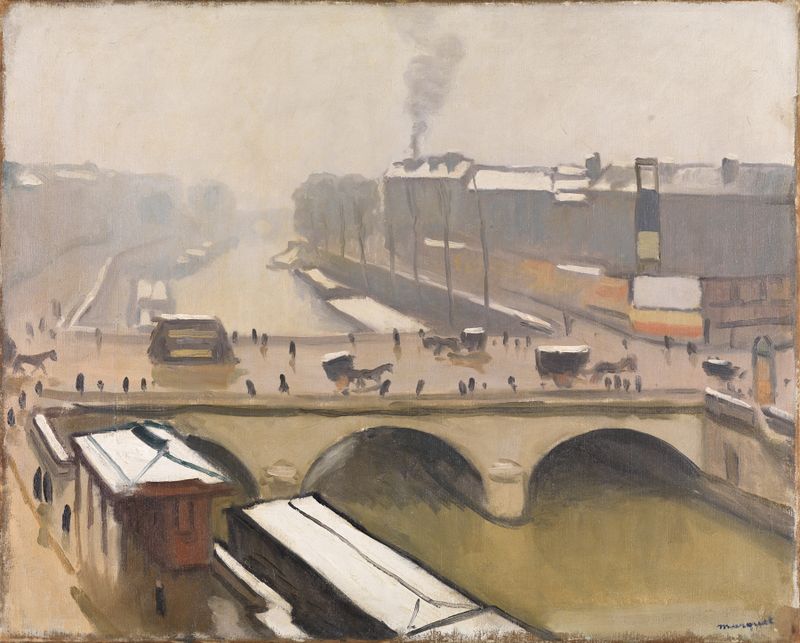
Can beauty exist without sorrow? In La digue à la Goulette, the tranquil waters and soft hues whisper of fleeting moments, where time stands still yet inevitably slips away. Focus on the soothing blues of the water, where gentle waves ripple in a harmonious dance with the sky. Notice how the light, a tender warmth, plays across the surface, creating a shimmering pathway that invites your gaze. Look at the distant figures on the jetty—silent witnesses to this serene scene—captured in a moment of reflection, their presence both grounding and ethereal against the backdrop of nature's calm. Emotional tensions bubble beneath the surface; the juxtaposition of the serene landscape with the figures suggests a deeper narrative of longing and introspection.
The subtle variation in color reveals the passage of time: the lighter pastels evoking the innocence of youth, while the deeper tones hint at the melancholy that accompanies maturity. Each brushstroke encapsulates the quiet truth that beauty often coexists with the weight of fleeting existence. During the early 20th century, Albert Marquet painted this piece amidst a burgeoning movement of modernism. Living in Paris and influenced by the Impressionists, he sought to capture not just reality but the emotions it evokes.
The world was in flux, with rapid changes in society and art, and Marquet's focus on light and color reflected both his personal experiences and the shifting landscape of artistic expression.
More Artworks by Albert Marquet
Browse all →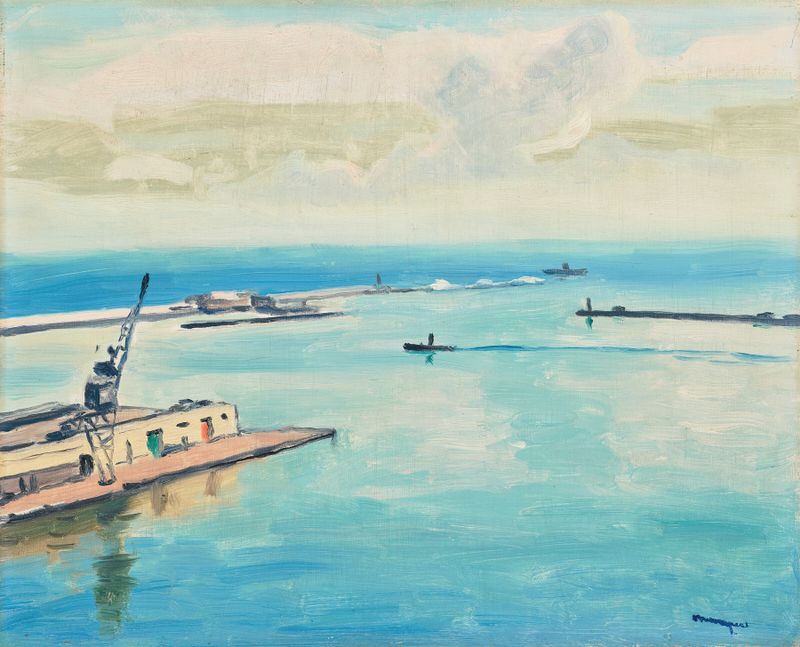
Le Port d’Alger
Albert Marquet
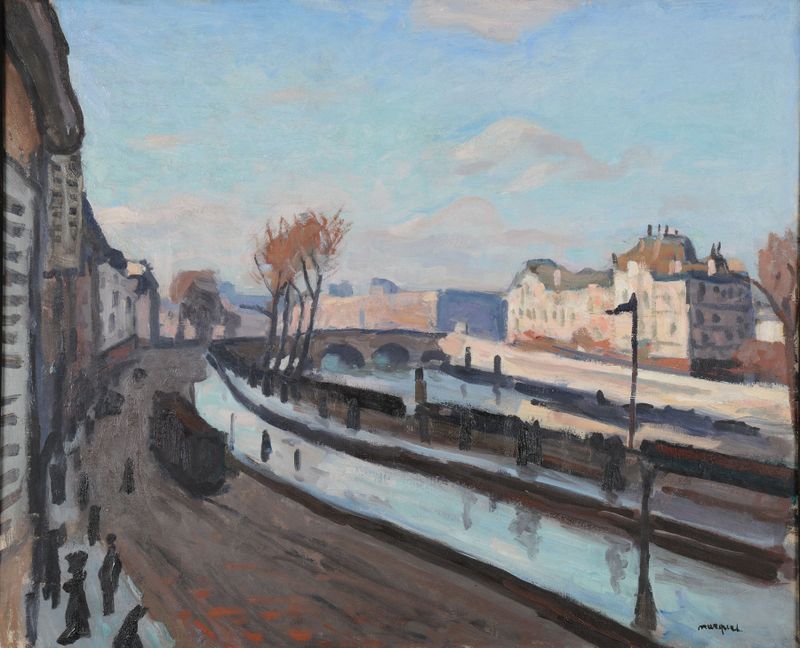
Le quai des Grands Augustins
Albert Marquet
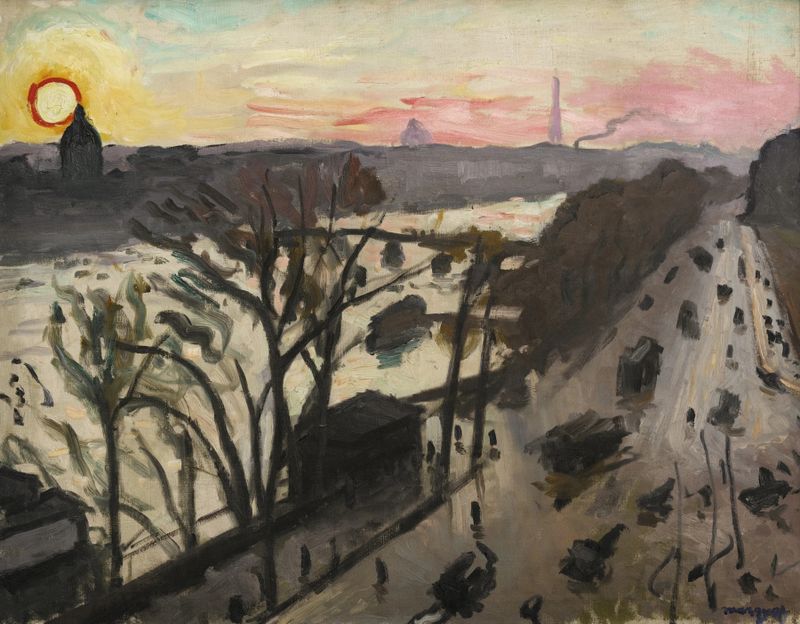
Paris, quai du Louvre, soleil d’hiver
Albert Marquet
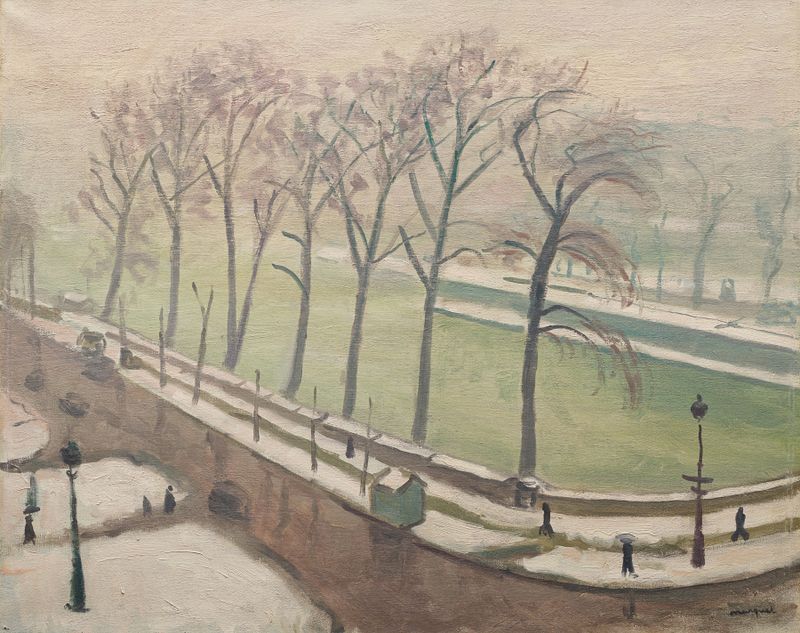
Pont-Neuf sous la neige
Albert Marquet
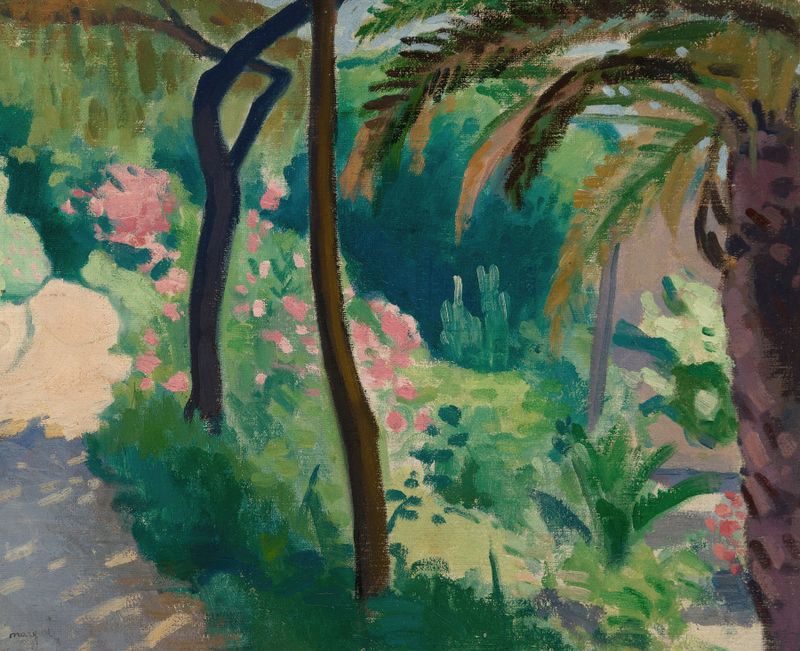
Le jardin à l’Estaque
Albert Marquet
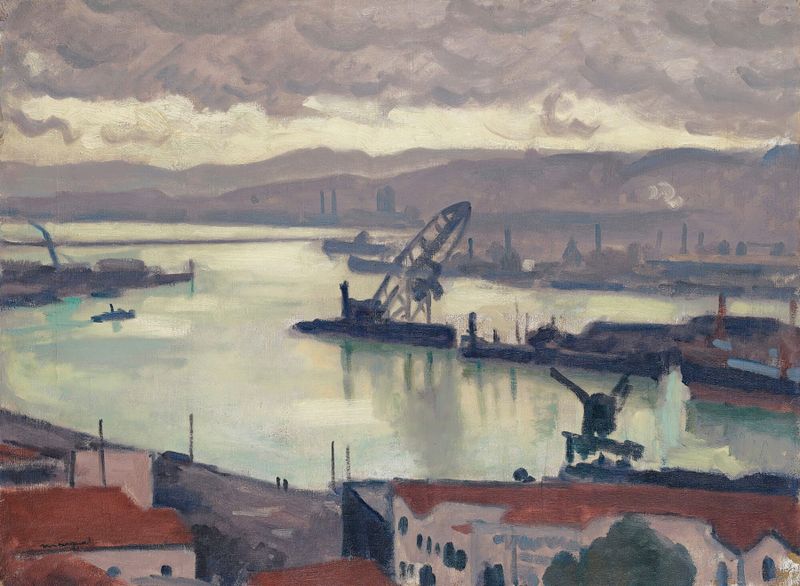
Alger, Temps Gris
Albert Marquet
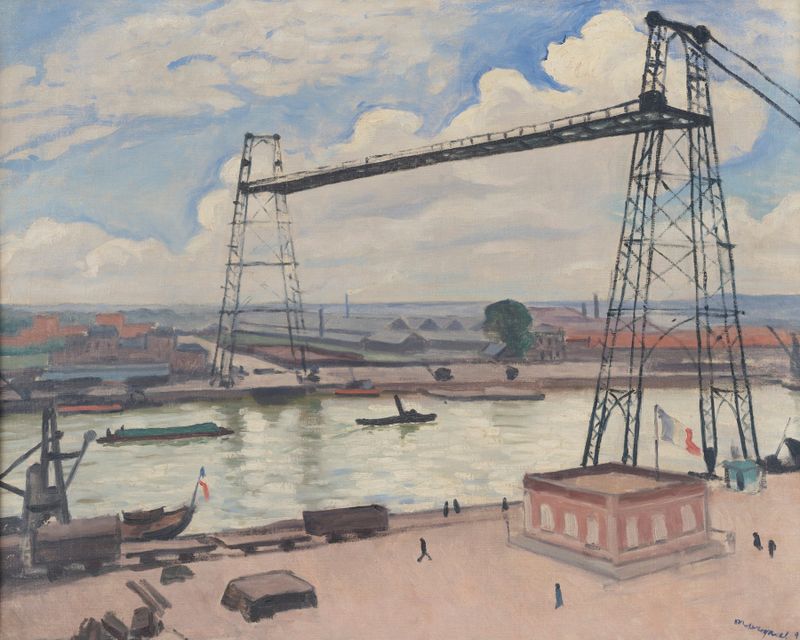
Rouen, le pont transbordeur
Albert Marquet
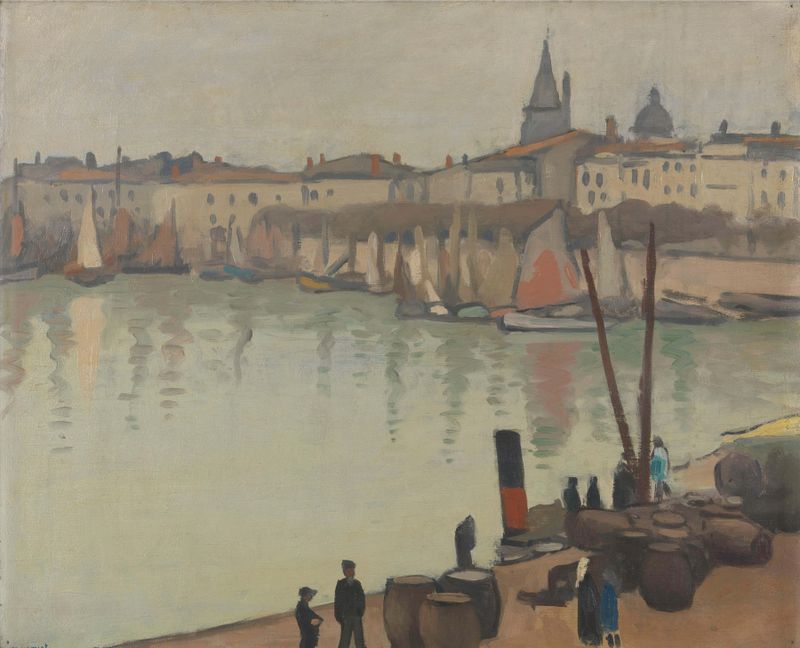
Port of La Rochelle
Albert Marquet

Berge de la Seine à Méricourt
Albert Marquet
View of the Pont Saint-Michel in Paris
Albert Marquet





