La liseuse sur la rive boisée — History & Analysis
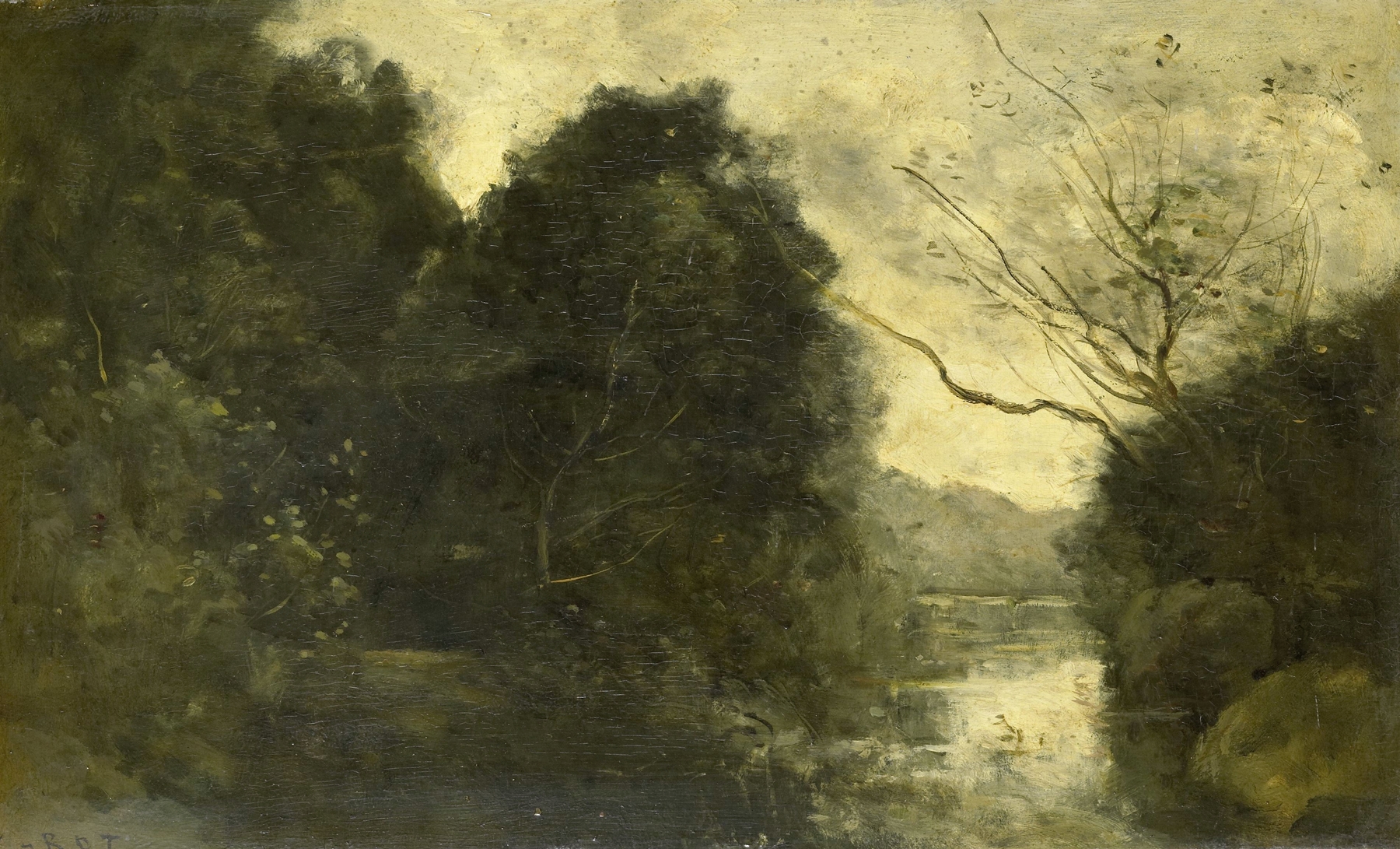
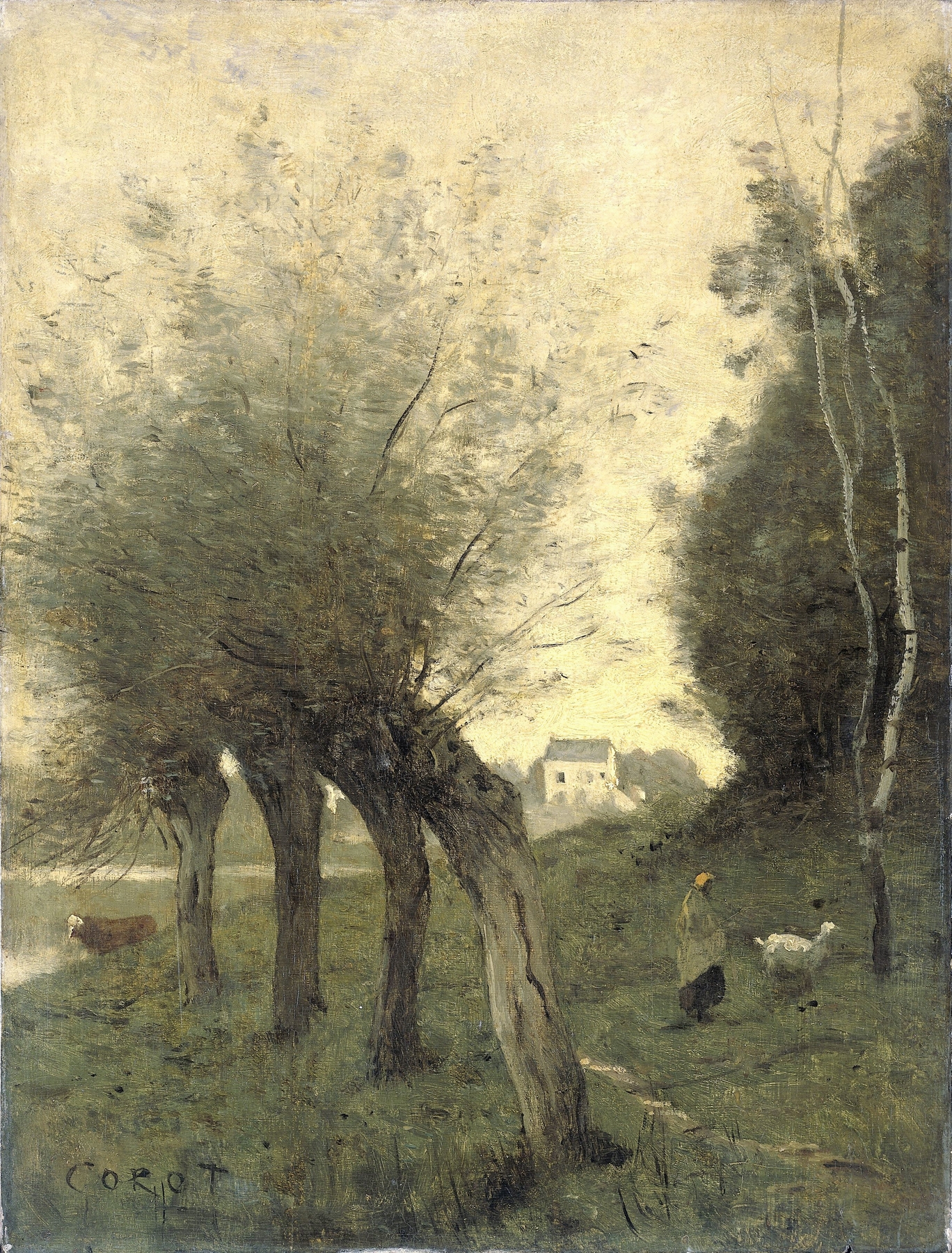
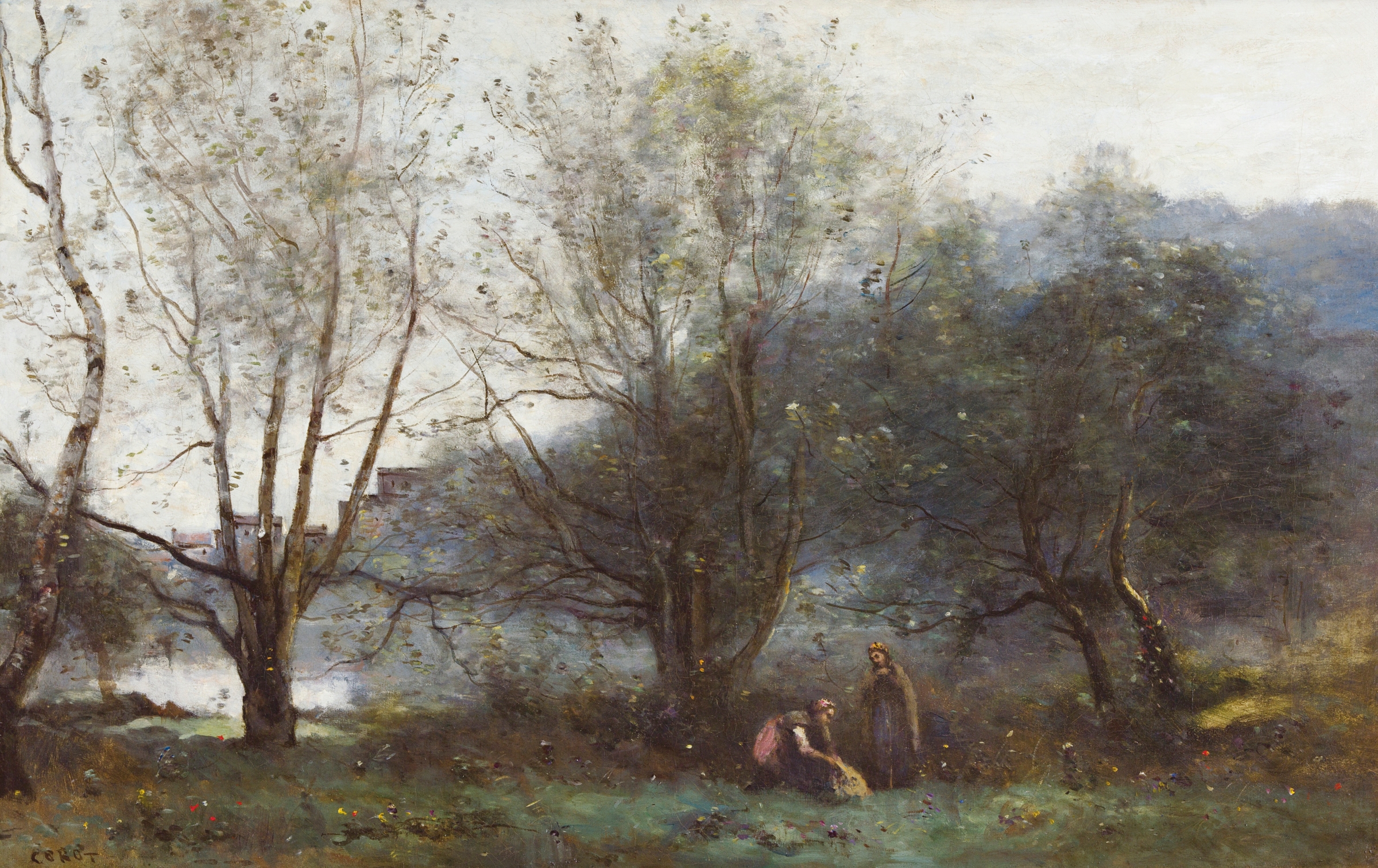
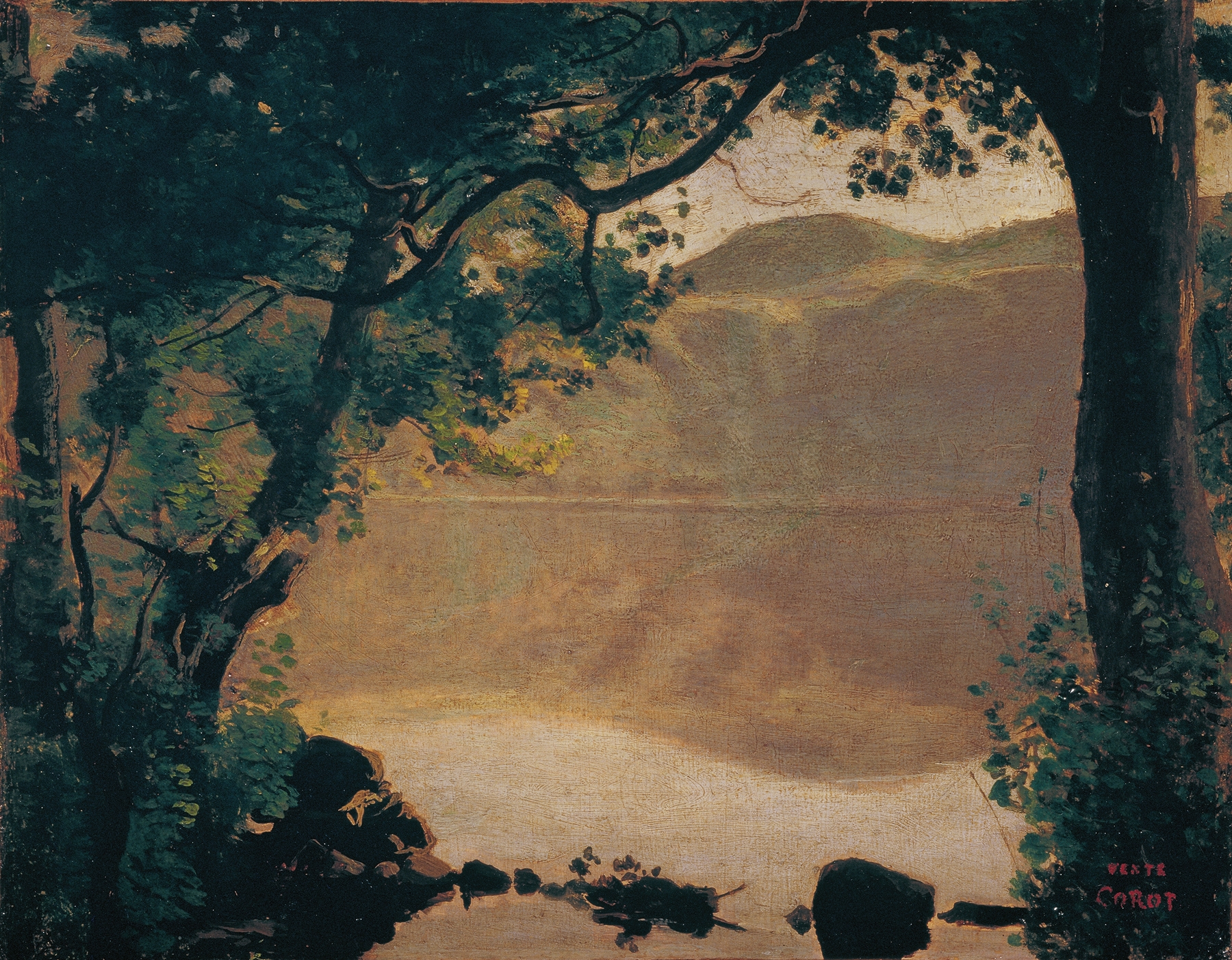
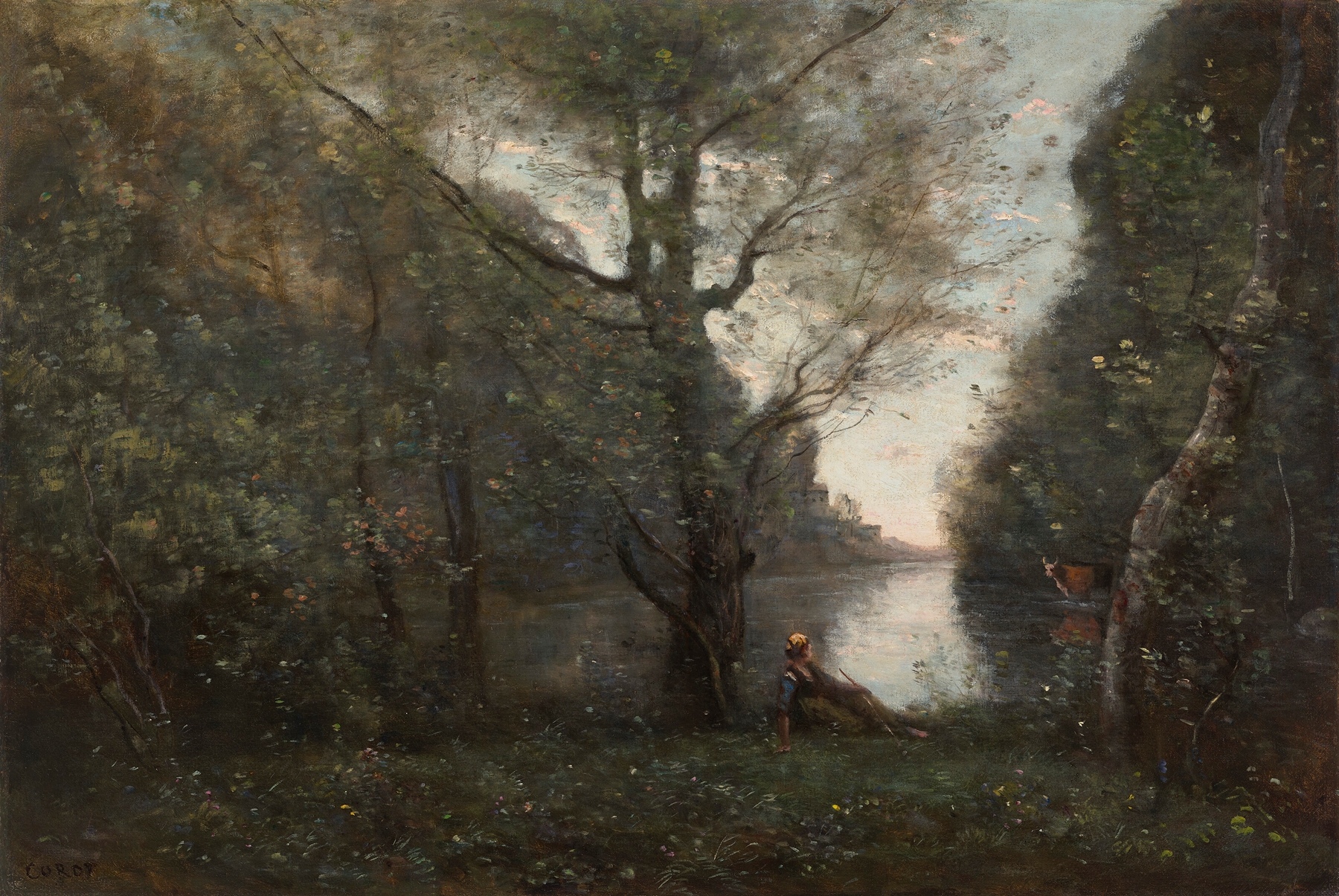
Where does light end, and longing begin? In the soft embrace of nature, a solitary figure draped in a flowing gown contemplates the whispered secrets of the trees around her. The scene evokes a tension beneath the serene surface, hinting at an unspoken emotional violence stirred by the solitude of the reader. Look to the left at the luminous glow filtering through the verdant canopy, illuminating the woman's serene face with a gentle warmth.
Notice the delicate brushwork that defines the interplay of light and shadow, contrasting the vibrant greens of the foliage with the muted tones of her attire. The composition invites the viewer's eye to wander, creating a sense of tranquility alongside an undercurrent of isolation. As you draw closer, consider the nuances in the figure's posture — a subtle clenching of her hands that suggests a silent struggle between peace and the weight of her thoughts. The juxtaposition of nature's beauty with her introspective demeanor prompts an exploration of inner conflict, as the surrounding woods stand witness to both her solitude and her longing.
The tension evokes a reminder of the violence of emotional turmoil that can simmer beneath placid surfaces. Created between 1865 and 1870, this piece emerged during a transformative period for its creator, who was deeply engaged with the evolving landscape of French art. Corot was exploring the relationship between realism and impressionism, capturing fleeting moments of light that resonated with personal reflections. Amidst this artistic renaissance, he channeled his experiences into works that not only celebrated nature but revealed the complexities of human emotion intertwined within it.