
La maison du nº4 de la rue du Jour — History & Facts
Who listens when art speaks of silence? In the hushed stillness of La maison du nº4 de la rue du Jour, the essence of mortality lingers like a forgotten whisper, waiting to be heard. Look to the foreground where a solitary house stands framed by muted colors. The weathered facade, with its peeling paint and gentle decay, draws the viewer’s eye, echoing the passage of time. Notice how the stark lines of the architecture contrast with the soft embrace of shadow, creating a dialogue between solidity and transience.
Each brushstroke seems to breathe life into the walls, inviting contemplation of the stories held within. Delve deeper into the composition, where the absence of human figures amplifies a profound sense of solitude. The quietude resonates, evoking feelings of nostalgia and loss—remnants of lives once lived. The interplay of light and dark not only illuminates the structure but also underscores the fragility of existence, reminding us that even the most steadfast edifices are bound to succumb to the passage of time. Ferdinand Boberg painted this work in 1926 during a period marked by a growing introspection in the art world.
Based in Sweden, he was exploring themes of identity and mortality following the turmoil of World War I. This era’s emphasis on capturing the ephemeral nature of life greatly influenced his style, as he sought to reflect the often-overlooked beauty found in decay and abandonment.
More Artworks by Ferdinand Boberg
Browse all →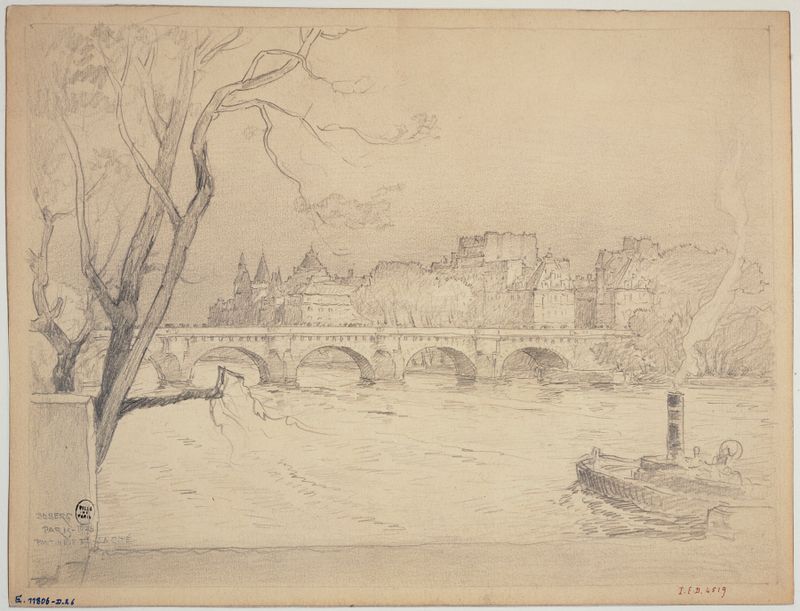
Le Pont-Neuf et la Cité
Ferdinand Boberg
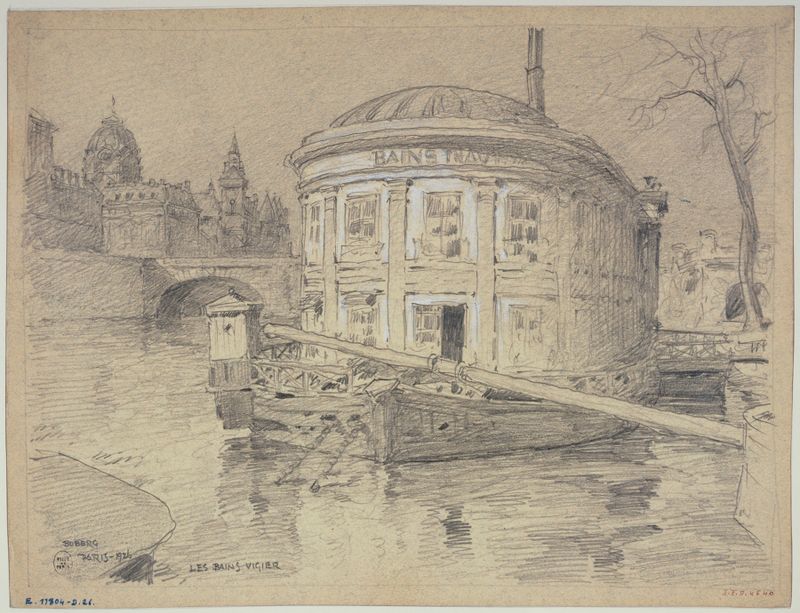
Les bains Vigier au Pont-Neuf
Ferdinand Boberg
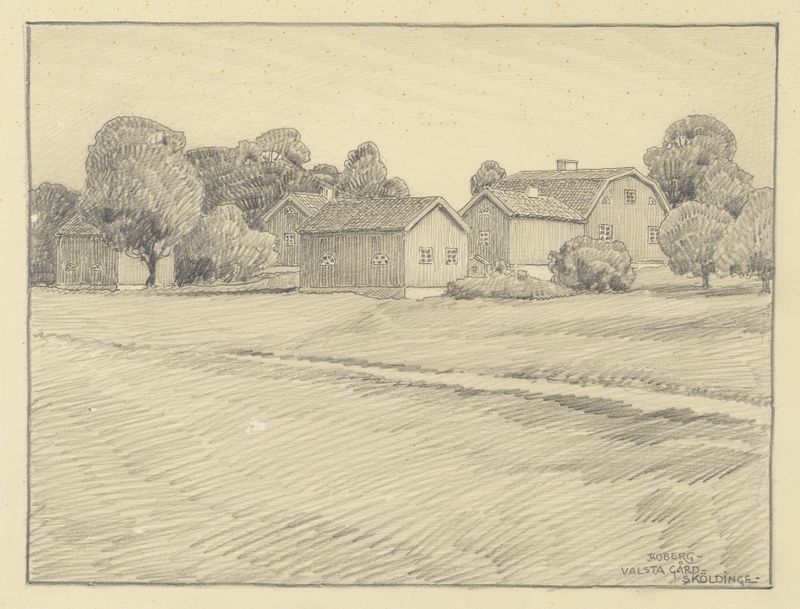
Valsta Gård
Ferdinand Boberg
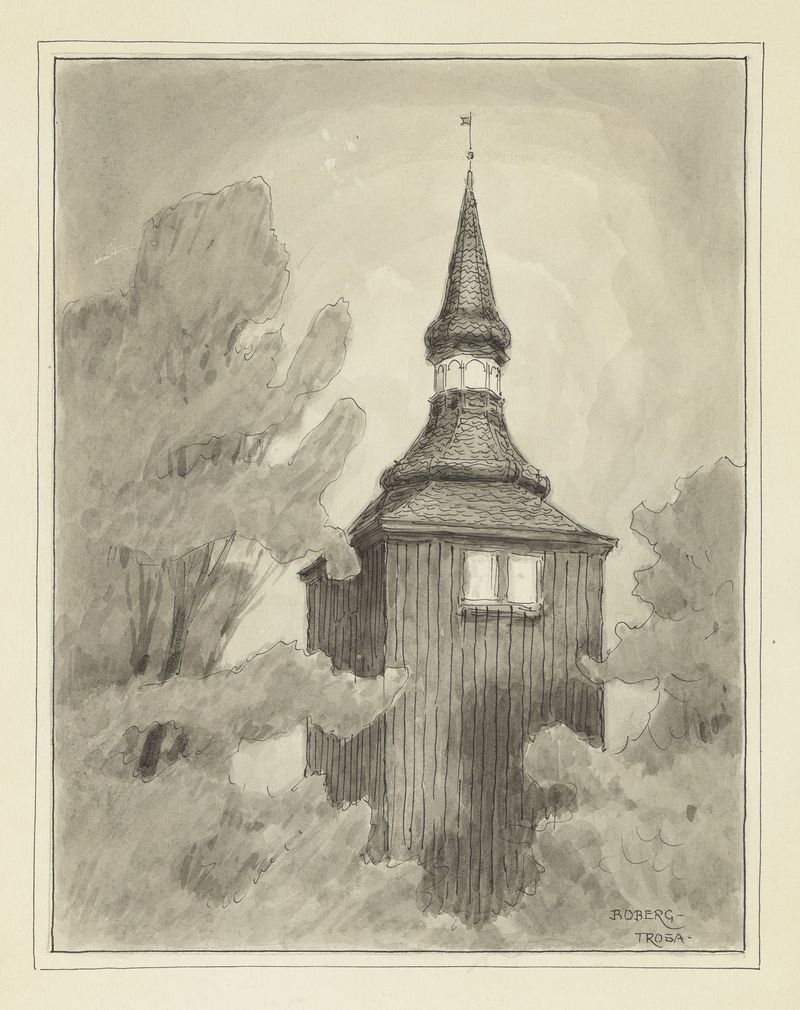
Trosa
Ferdinand Boberg
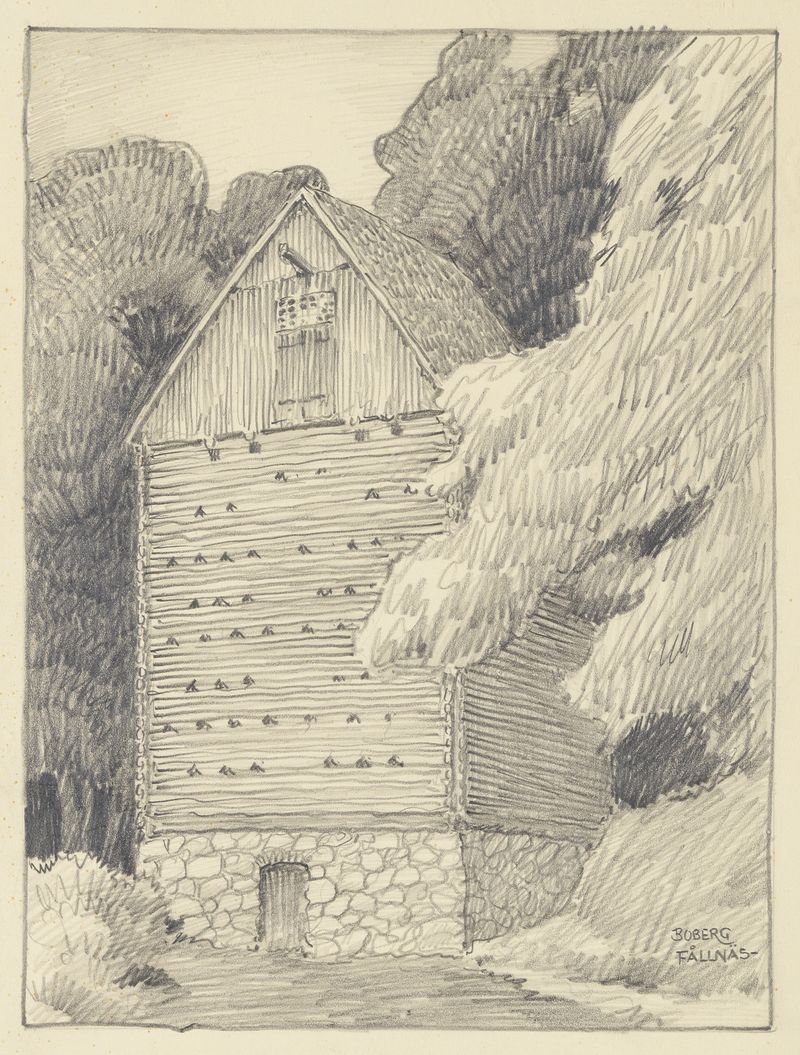
Fållnäs
Ferdinand Boberg
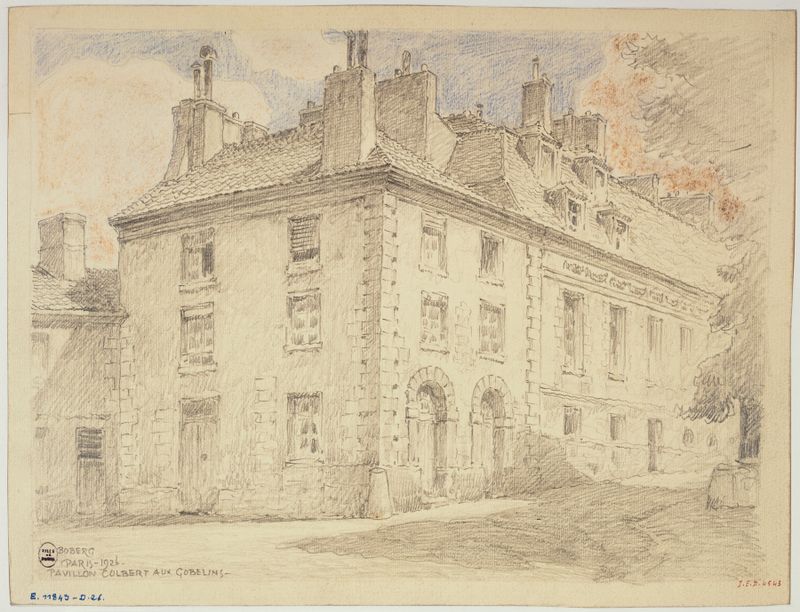
Le pavillon Colbert aux Gobelins
Ferdinand Boberg
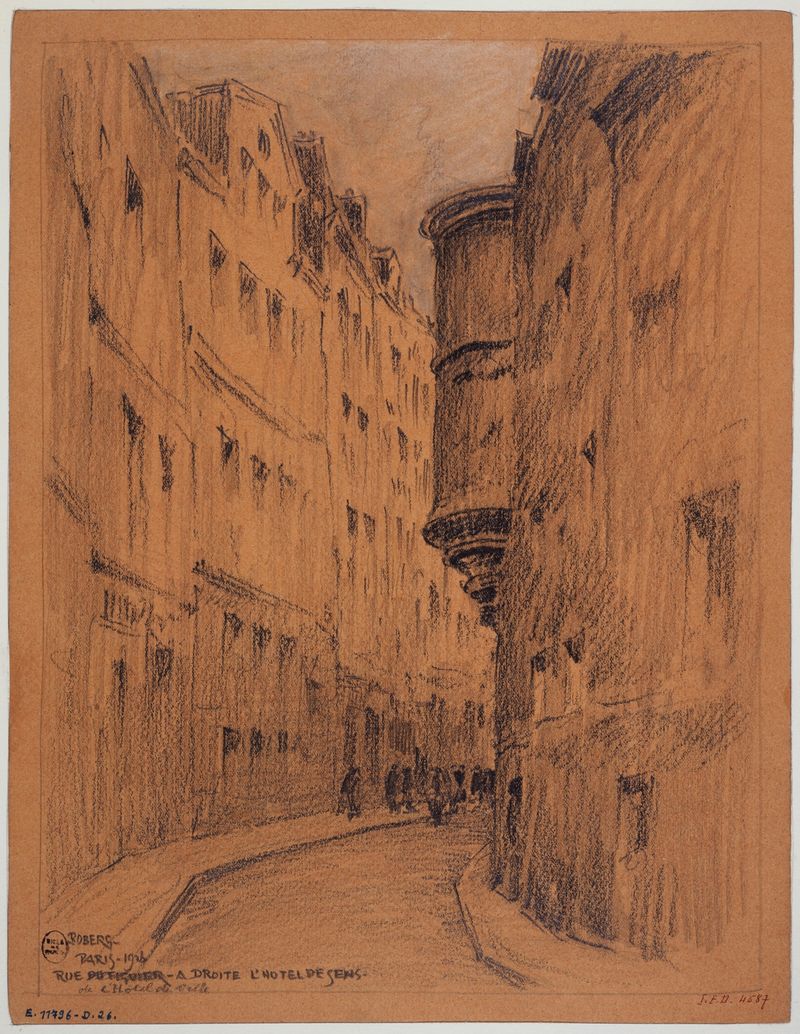
Rue de l’Hôtel de Ville; l’hôtel de Sens
Ferdinand Boberg
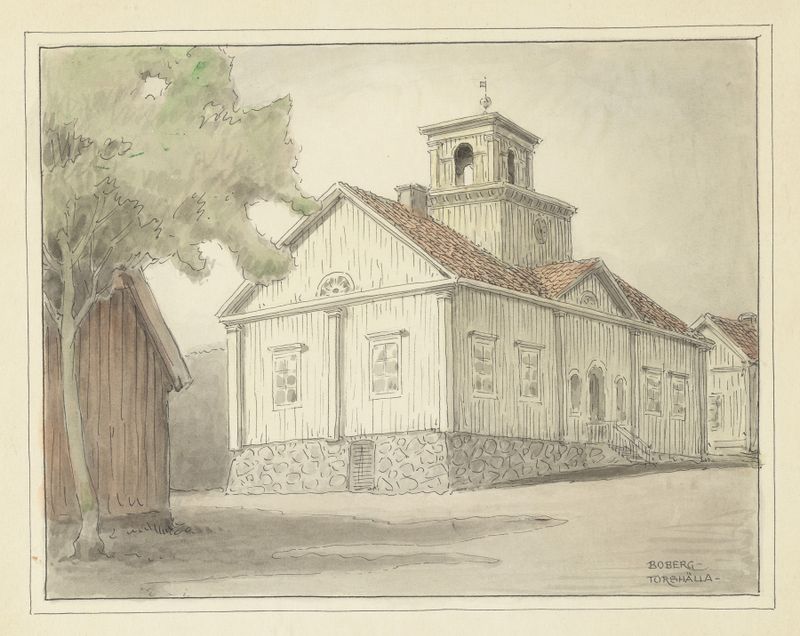
Torshälla
Ferdinand Boberg
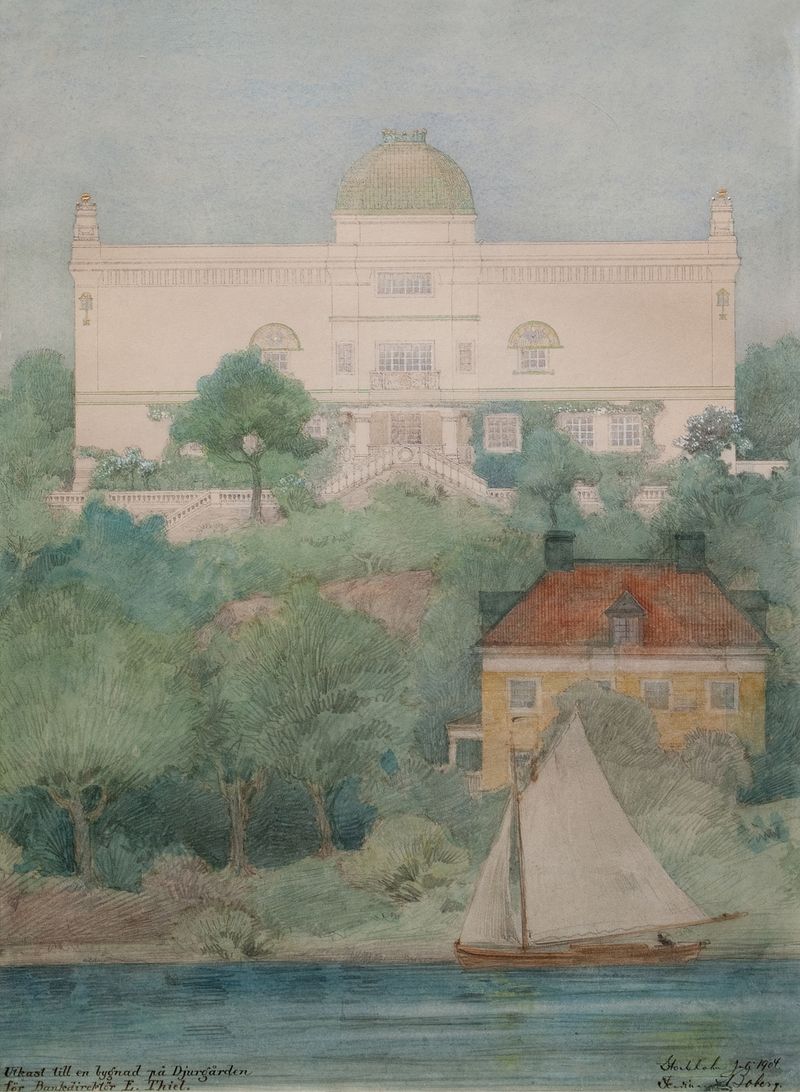
Sketch for a building for Thiel’s Gallery
Ferdinand Boberg
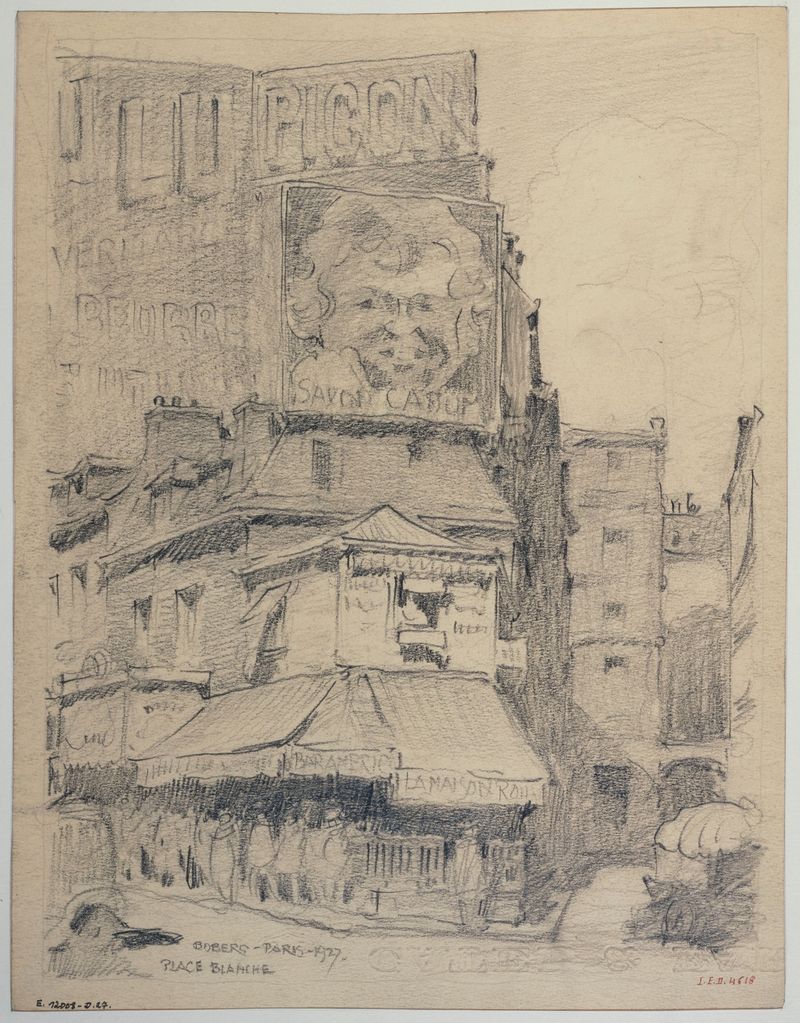
La place Blanche
Ferdinand Boberg
More Architecture Art
Browse all →
The statue of Liberty
Frédéric Auguste Bartholdi

View of Houses in Delft, Known as ‘The Little Street’
Johannes Vermeer

View of Houses in Delft, Known as ‘The Little Street’
Johannes Vermeer

The Cathedral in Rouen. The portal, Grey Weather
Claude Monet

The yellow house
Vincent van Gogh

The Church in Auvers-sur-Oise, View from the Chevet
Vincent van Gogh