
La mare aux canards — History & Facts
What if silence could speak through light? In the stillness of La mare aux canards, a tranquil pond beckons, inviting reflection and thought. The very essence of creation is captured in this serene tableau, where nature breathes life into the canvas, and stillness inspires contemplation. Look to the left at the gentle ripples cascading across the water, reflecting the soft hues of the dawn. The palette is dominated by greens and blues, reminiscent of a calm morning, while the golden touches illuminate the scene with warmth.
Notice how the ducks glide effortlessly, their movements orchestrated with grace against the still backdrop, drawing the viewer’s gaze towards the center, where the water shimmers like liquid glass. Amidst this tranquility, a subtle tension simmers beneath the surface. The ducks, seemingly carefree, symbolize the delicate balance of nature. Yet, the surrounding foliage, thick and almost oppressive, suggests a looming presence that could disrupt this idyllic scene.
In this juxtaposition between freedom and constraint, the artwork hints at a larger narrative about the fragility of creation and the ever-present forces that can alter its course. In 1932, Laboureur painted this work during a period of creative exploration, both personally and within the wider artistic landscape. Living in France, he was influenced by the rise of modernism, yet his affinity for traditional themes persisted. This era was marked by societal shifts, as artists navigated the delicate interplay between innovation and preservation, a tension that echoes through his depictions of nature’s serene yet complex character.
More Artworks by Jean-Émile Laboureur
Browse all →
Vue panoramique de la ville de Nantes
Jean-Émile Laboureur
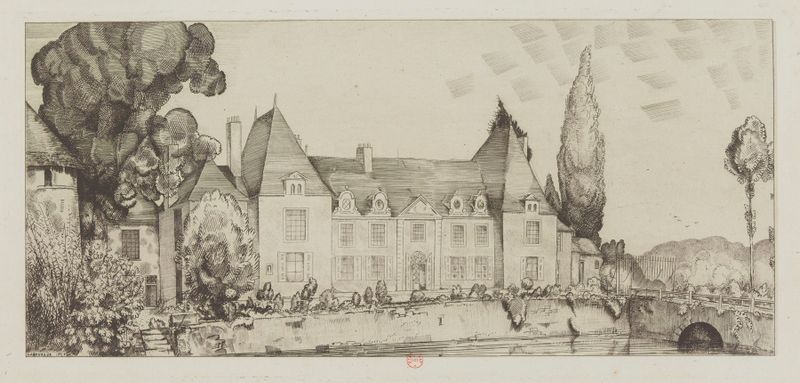
Vue du château de Villaines
Jean-Émile Laboureur
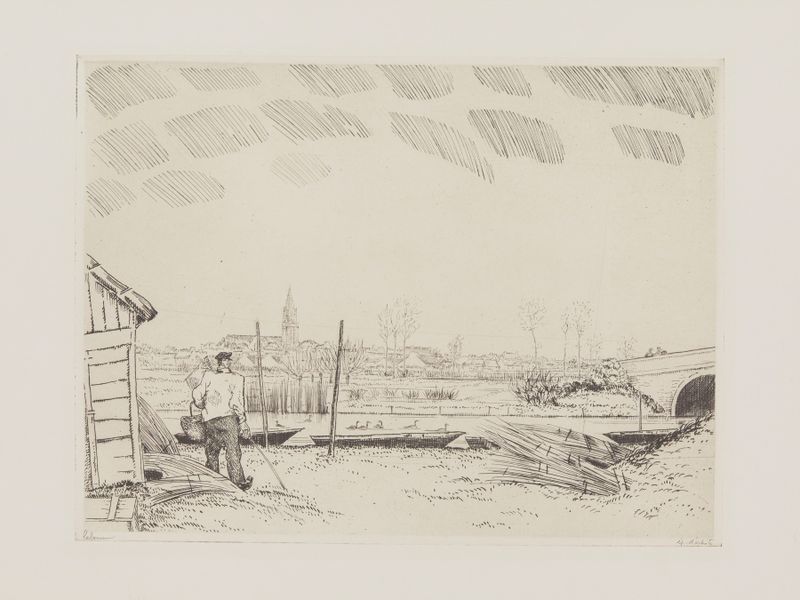
Le pont de Fédrun
Jean-Émile Laboureur
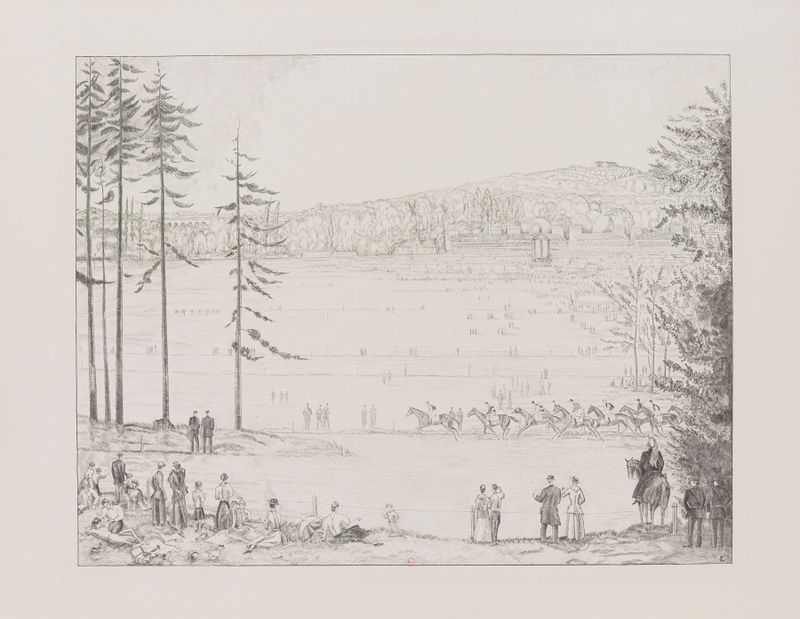
Courses à Longchamp
Jean-Émile Laboureur

L’employé des pompes funèbres
Jean-Émile Laboureur
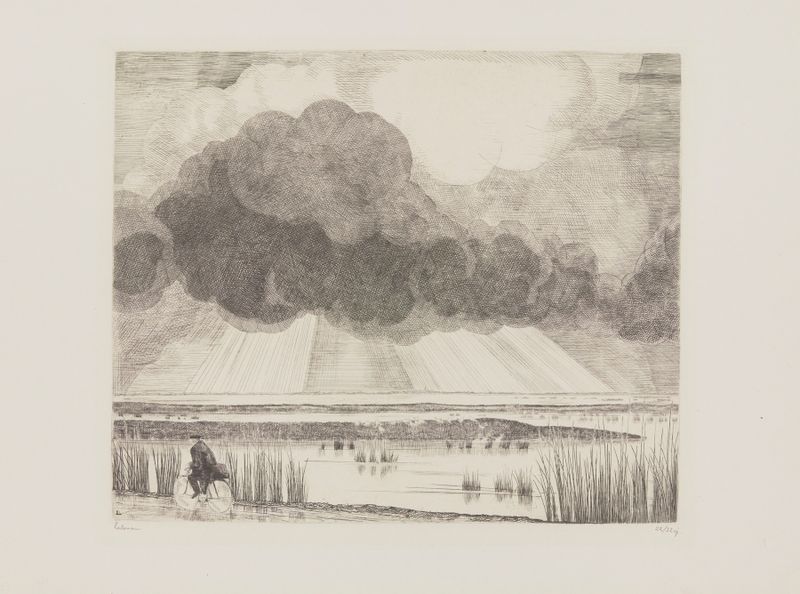
Paysage au cycliste
Jean-Émile Laboureur

L’entomologiste
Jean-Émile Laboureur

Paysage au tunnel
Jean-Émile Laboureur
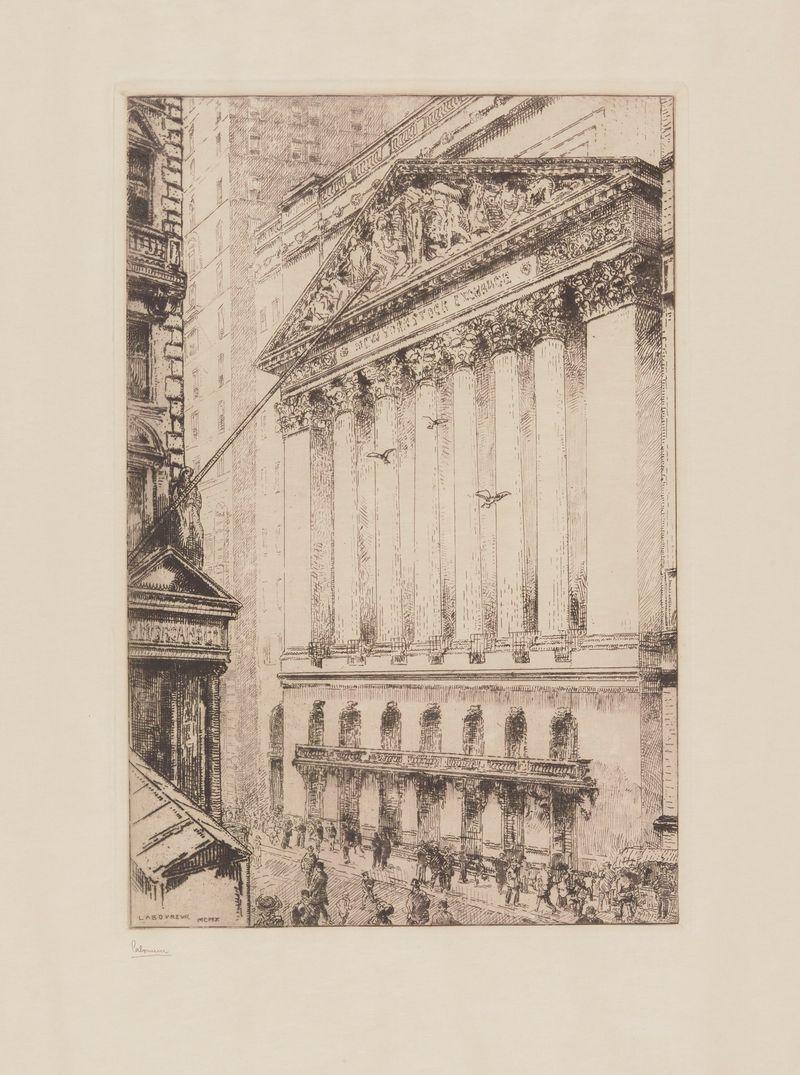
New-york stock exchange
Jean-Émile Laboureur

Viaduc à Monaco
Jean-Émile Laboureur





