
Courses à Longchamp — History & Facts
Can beauty exist without sorrow? In Courses à Longchamp, the vibrant chaos of the racetrack captures a moment where exhilaration and madness intertwine, echoing the fleeting nature of joy. Look closely at the foreground; figures are caught in a frenzied dance, their bodies swirling in a riot of color and movement. The artist employs bold strokes and a palette of rich reds, blues, and greens that pulse with energy, drawing your gaze to the center of the racing action. Notice how the horses burst forth, their powerful forms almost melding with the figures surrounding them, creating a whirlpool of emotion that suggests both celebration and impending chaos. Beneath the lively surface, tension simmers.
The juxtaposition of the joyous atmosphere against the backdrop of muted greys hints at an underlying madness, a reminder of the fragility of happiness. Each face reflects a different emotion—some reveling in excitement, others haunted by concern, a duality that speaks to the unpredictable nature of life itself. The composition pulls viewers into this intricate web, nudging them to consider the cost of such exhilarating moments. In 1938, Laboureur painted this scene during a period of significant social upheaval in Europe.
As the world on the brink of war, the vibrancy of the racetrack offered a temporary escape for many, mirroring Laboureur's own desire to capture the beauty amidst chaos. Positioned within the art movement of modernism, he sought to redefine scenes of leisure, infusing them with dynamic energy that reflected both the joy and turmoil of the times.
More Artworks by Jean-Émile Laboureur
Browse all →
Vue panoramique de la ville de Nantes
Jean-Émile Laboureur
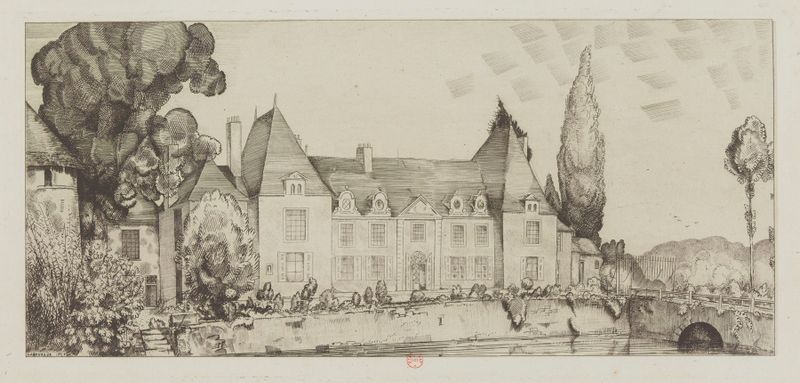
Vue du château de Villaines
Jean-Émile Laboureur
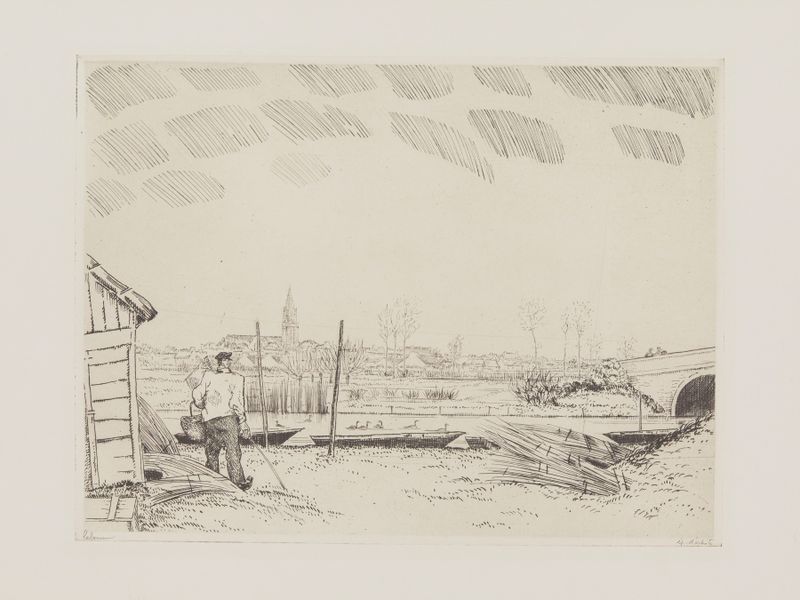
Le pont de Fédrun
Jean-Émile Laboureur

L’employé des pompes funèbres
Jean-Émile Laboureur
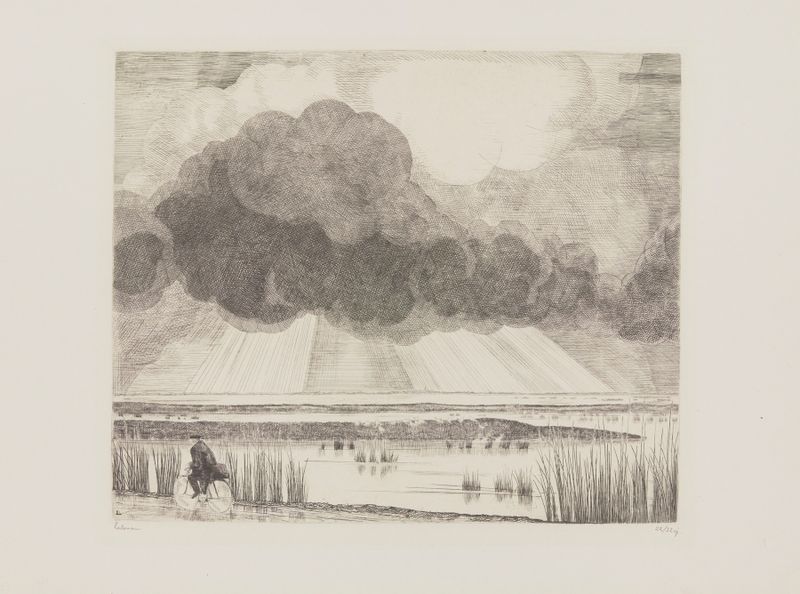
Paysage au cycliste
Jean-Émile Laboureur

L’entomologiste
Jean-Émile Laboureur

Paysage au tunnel
Jean-Émile Laboureur
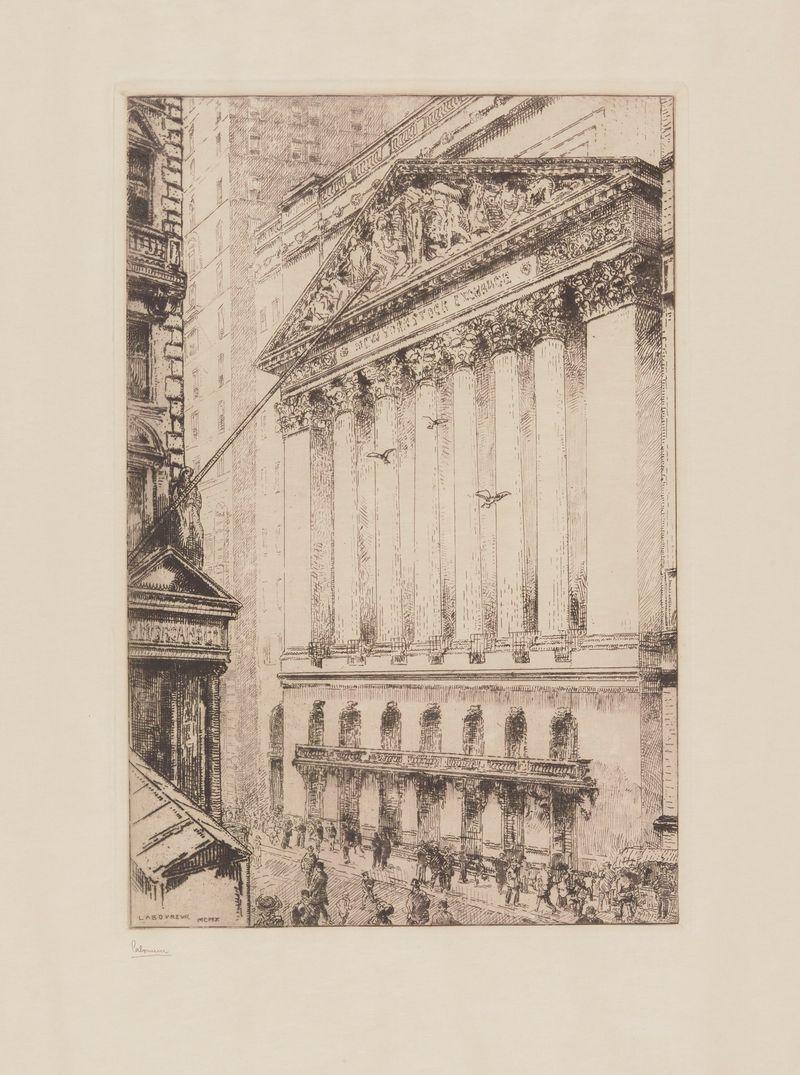
New-york stock exchange
Jean-Émile Laboureur

Viaduc à Monaco
Jean-Émile Laboureur

La mare aux canards
Jean-Émile Laboureur





