
Viaduc à Monaco — History & Facts
In the quiet moments before a revelation, we find ourselves yearning for the truth that art can unveil. Look closely at the swirling forms where the viaduct arches gracefully through the landscape. Notice how the bold strokes of blue and ochre create a mosaic of movement, guiding your gaze to the horizon and the interplay of architecture with nature. The composition balances the rigidity of the structure against the fluidity of the surrounding scenery, highlighting an intricate dance between the man-made and organic.
The light, captured in soft pastels, bathes the scene in a warm embrace, inviting contemplation. Hidden within the layers of color and form lies a poignant commentary on the passage of time. The viaduct stands as a silent witness to countless journeys, its presence echoing the transitory nature of life. Juxtaposed with the sweeping curves of the landscape, there’s an undercurrent of nostalgia — a longing for connection amidst the march of progress.
Each brushstroke speaks to a deeper narrative, revealing the coexistence of beauty and utilitarianism in the modern world. During the early 20th century, Laboureur painted this work while living in France, a period marked by the rise of modernism and a burgeoning interest in the relationship between humanity and its environment. As he grappled with these themes, the artist was influenced by the shifting dynamics in art and society, which encouraged a new way of seeing the familiar. In this context, Viaduc à Monaco emerges as both a celebration and a critique, encapsulating the essence of an era caught between tradition and innovation.
More Artworks by Jean-Émile Laboureur
Browse all →
Vue panoramique de la ville de Nantes
Jean-Émile Laboureur
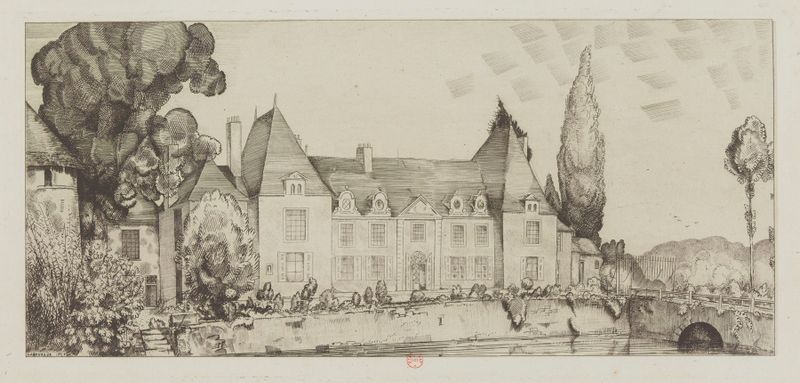
Vue du château de Villaines
Jean-Émile Laboureur
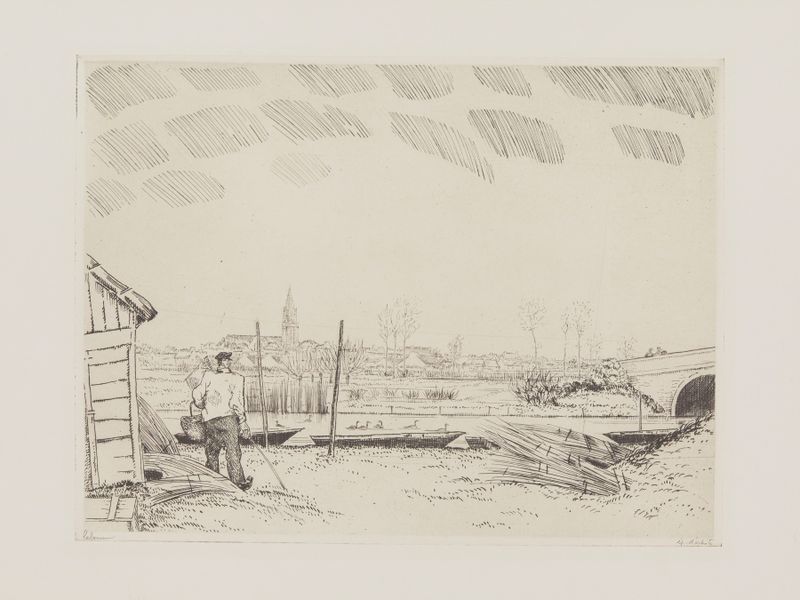
Le pont de Fédrun
Jean-Émile Laboureur
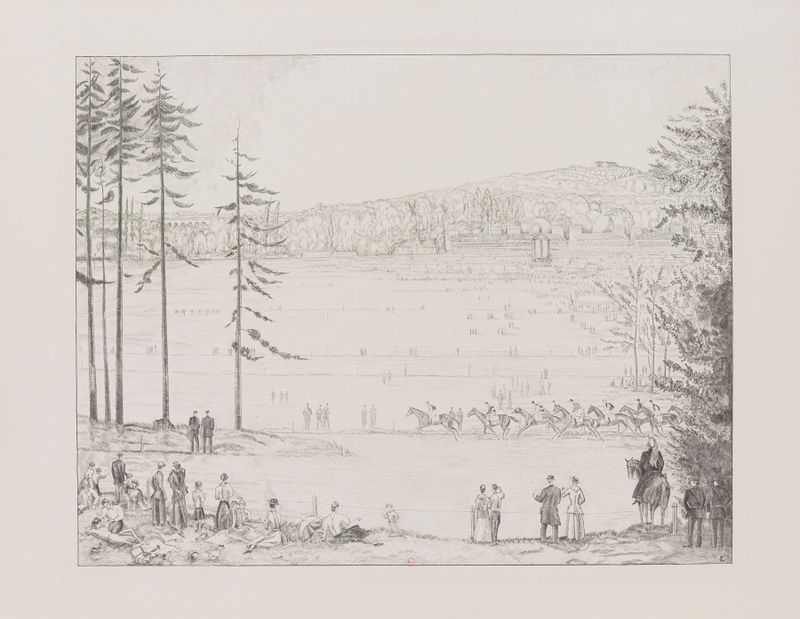
Courses à Longchamp
Jean-Émile Laboureur

L’employé des pompes funèbres
Jean-Émile Laboureur
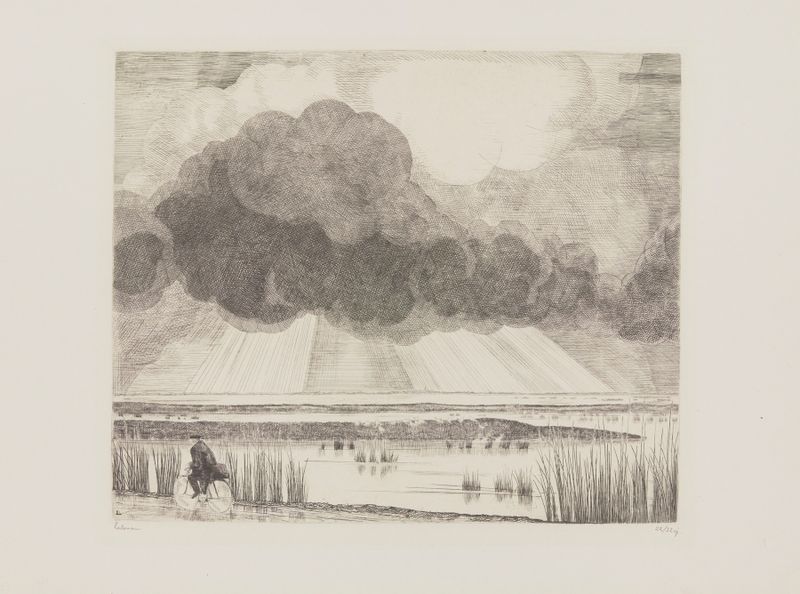
Paysage au cycliste
Jean-Émile Laboureur

L’entomologiste
Jean-Émile Laboureur

Paysage au tunnel
Jean-Émile Laboureur
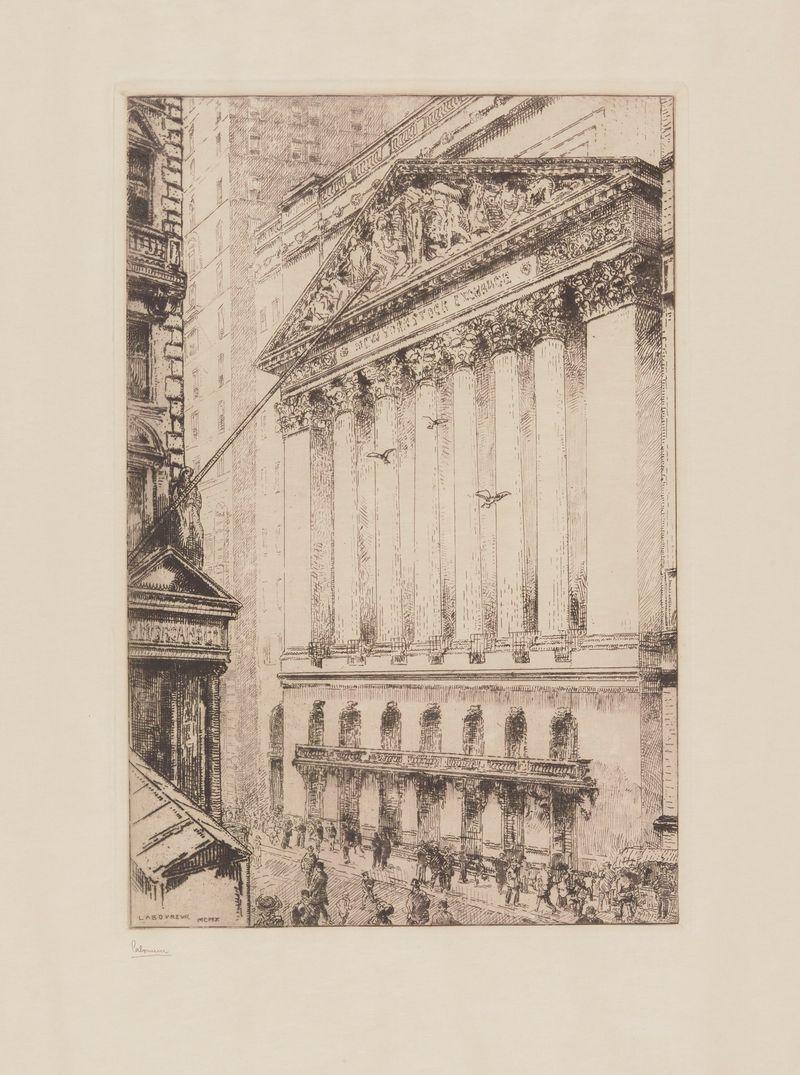
New-york stock exchange
Jean-Émile Laboureur

La mare aux canards
Jean-Émile Laboureur
More Architecture Art
Browse all →
The statue of Liberty
Frédéric Auguste Bartholdi

View of Houses in Delft, Known as ‘The Little Street’
Johannes Vermeer

View of Houses in Delft, Known as ‘The Little Street’
Johannes Vermeer

The Cathedral in Rouen. The portal, Grey Weather
Claude Monet

The yellow house
Vincent van Gogh

The Church in Auvers-sur-Oise, View from the Chevet
Vincent van Gogh