
Le pont de Fédrun — History & Facts
Who listens when art speaks of silence? In the intricate weave of textures and tones, Laboureur captures the essence of a moment suspended, echoing unvoiced emotions and the tranquility of solitude. Focus your gaze on the smooth lines of the bridge that stretch across the canvas, inviting you into the scene. Look closely at the muted colors that harmonize with the gentle brushwork, each stroke conveying a sense of calm. Notice how the shadows play softly with the light, creating a balance that reflects both space and stillness.
The figures are subtly detailed, their postures and facial expressions hinting at an inner dialogue rather than overt action. Yet, within this serene composition lies a complex emotional landscape. The bridge itself becomes a metaphor for connection and distance, a pathway that suggests the longing for communication amidst the silence. The muted palette conveys a quiet introspection, while the absence of vibrant color evokes feelings of nostalgia or contemplation.
Each element, from the distant trees to the tranquil waters below, contributes to a sense of yearning that resonates deeply with the viewer. In 1932, Laboureur painted this work during a time of personal transition and reflection. Living in Paris, he was immersed in an artistic milieu that explored new forms and ideas, responding to the lingering impacts of World War I. This period prompted a search for new meanings in everyday subjects, highlighting the power of silence and simplicity in art that was often overshadowed by grandiosity.
More Artworks by Jean-Émile Laboureur
Browse all →
Vue panoramique de la ville de Nantes
Jean-Émile Laboureur
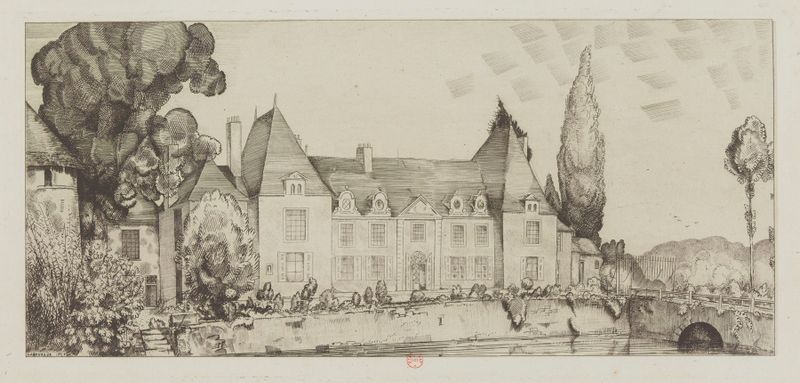
Vue du château de Villaines
Jean-Émile Laboureur
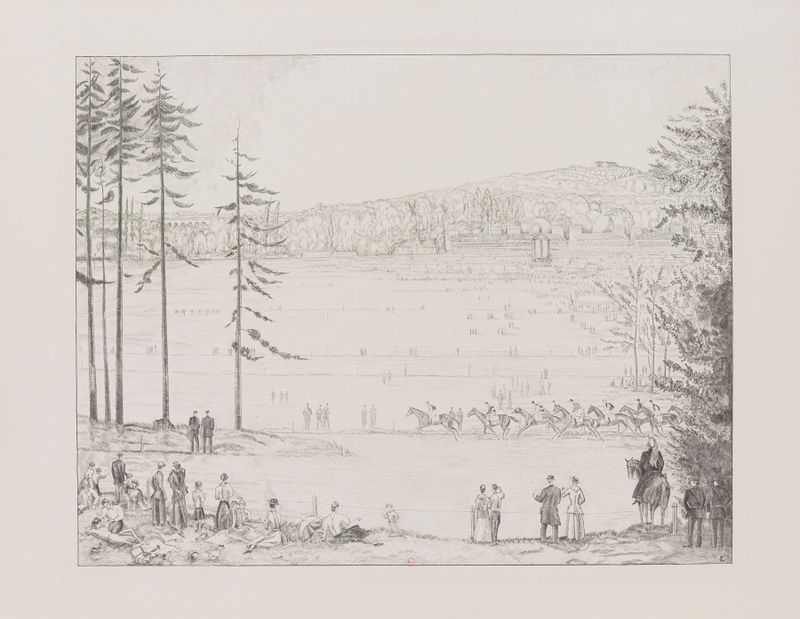
Courses à Longchamp
Jean-Émile Laboureur

L’employé des pompes funèbres
Jean-Émile Laboureur
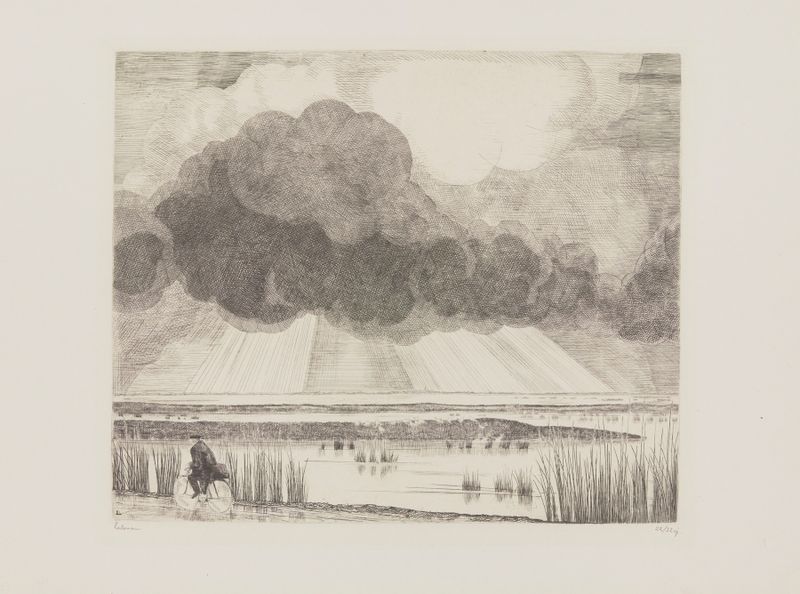
Paysage au cycliste
Jean-Émile Laboureur

L’entomologiste
Jean-Émile Laboureur

Paysage au tunnel
Jean-Émile Laboureur
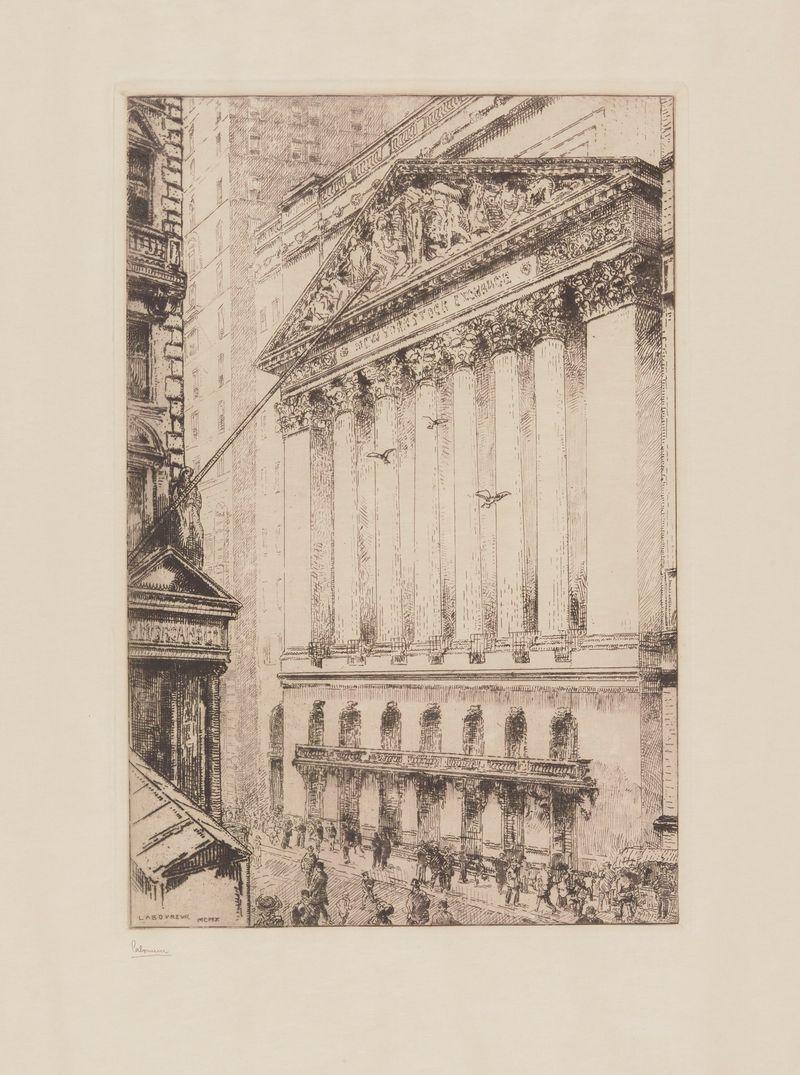
New-york stock exchange
Jean-Émile Laboureur

Viaduc à Monaco
Jean-Émile Laboureur

La mare aux canards
Jean-Émile Laboureur





