
Paysage au tunnel — History & Facts
What secret hides in the quiet of the canvas? In Paysage au tunnel, Jean-Émile Laboureur invites us to explore an ambiguous balance between nature and architecture, solitude and connection. Look to the left at the lush greenery, where vibrant greens intermingle with muted earth tones, leading the eye gently toward the shadowy tunnel that dominates the right side. Notice how the arches provide a stark contrast to the fluidity of nature, embodying the intersection of human intervention and organic form. The light dapples softly across the scene, enhancing the sense of depth and inviting contemplation; it almost whispers of stories hidden in the shadows. Delve deeper into the composition and you will discover the emotional tension present in the juxtaposition of the imposing tunnel and the serene landscape.
The tunnel suggests confinement, an entryway into unknown spaces, while the surrounding landscape breathes life and freedom. This dichotomy raises questions about the allure of the familiar versus the call of the unexplored—an internal struggle that resonates with anyone standing at a threshold. In 1920, Laboureur was deeply engaged with the intersection of modernity and tradition, reflecting a world transitioning through the aftermath of World War I. He painted this work during a period when artists began to explore new approaches to landscape, seeking balance not just in aesthetic representation but also in the emotional landscape of their experiences.
Art, at that moment, became a dialogue about resilience, where each brushstroke echoed the complexities of the time.
More Artworks by Jean-Émile Laboureur
Browse all →
Vue panoramique de la ville de Nantes
Jean-Émile Laboureur
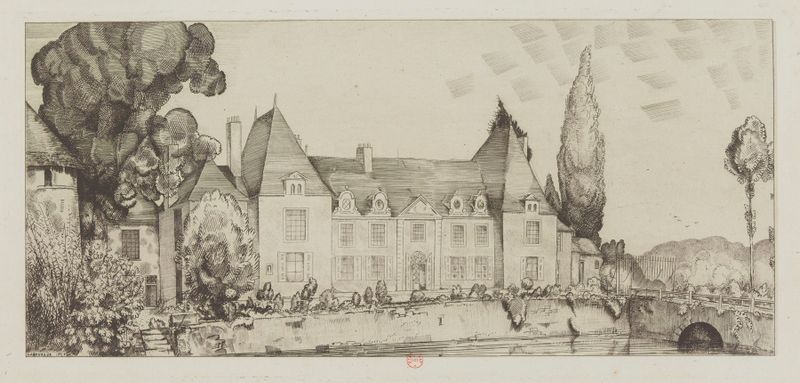
Vue du château de Villaines
Jean-Émile Laboureur
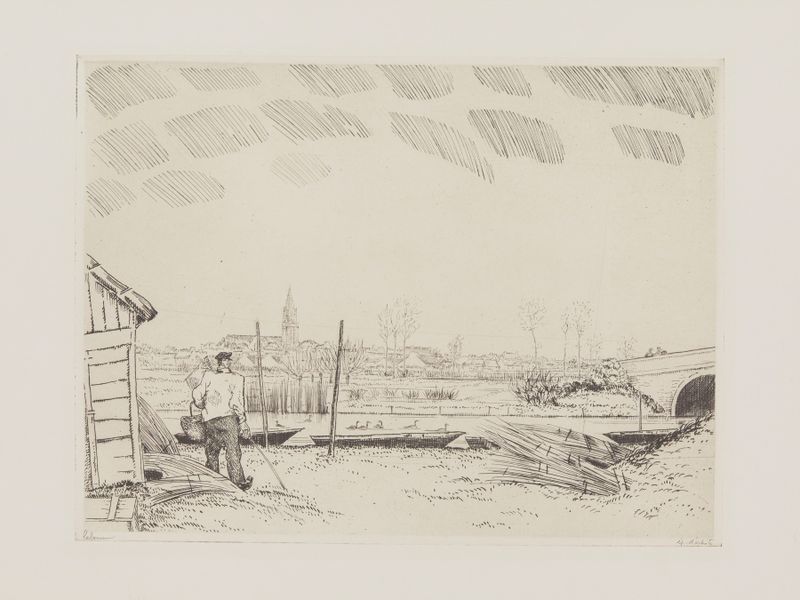
Le pont de Fédrun
Jean-Émile Laboureur
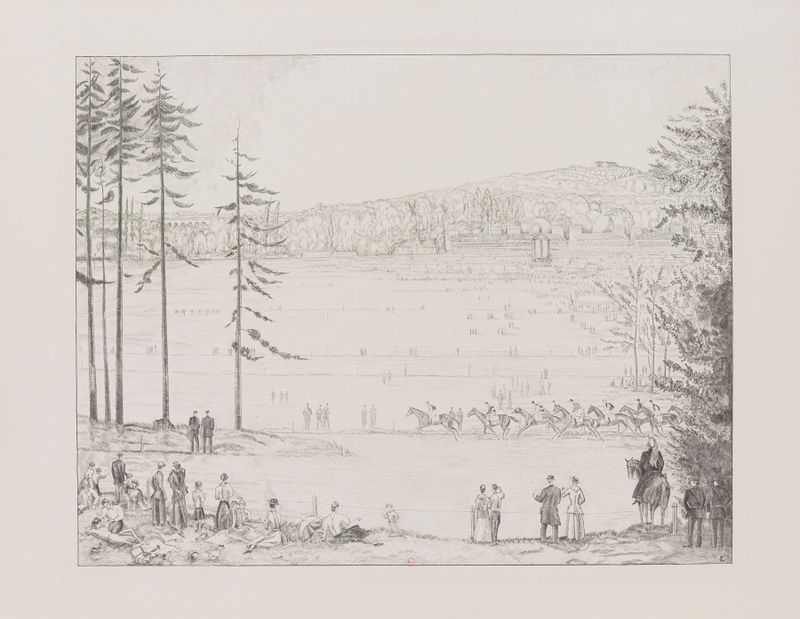
Courses à Longchamp
Jean-Émile Laboureur

L’employé des pompes funèbres
Jean-Émile Laboureur
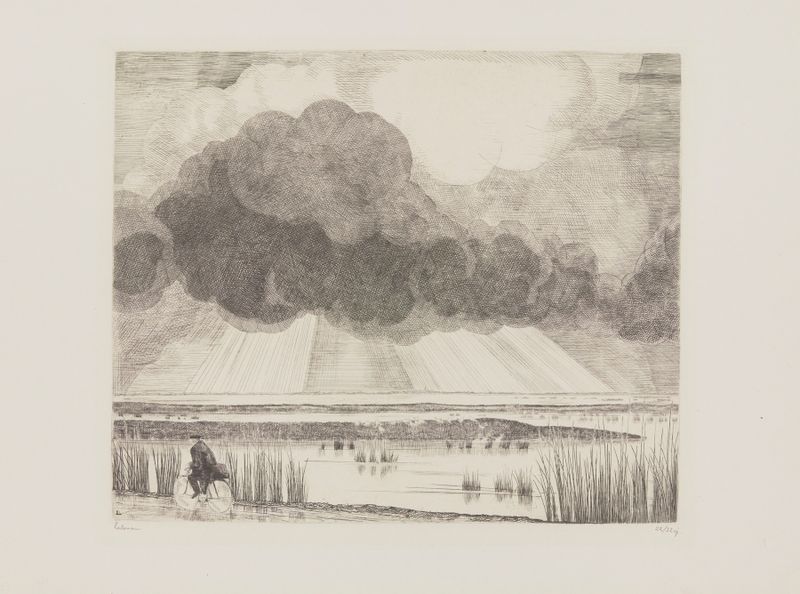
Paysage au cycliste
Jean-Émile Laboureur

L’entomologiste
Jean-Émile Laboureur
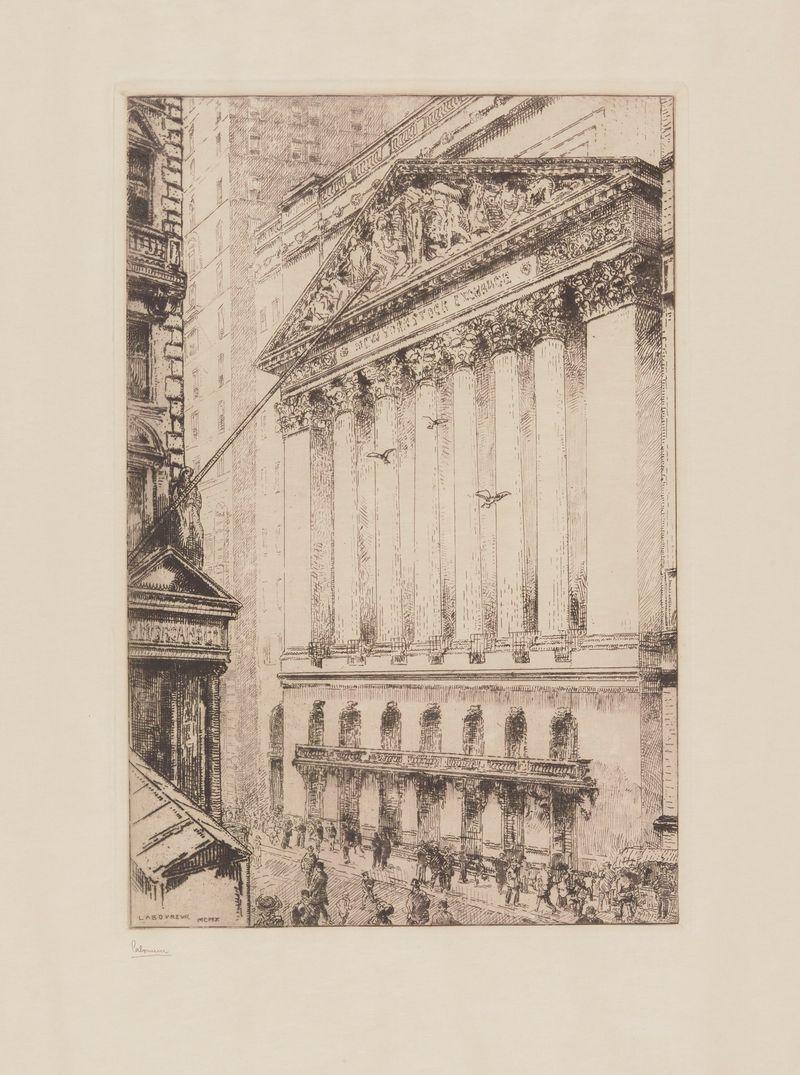
New-york stock exchange
Jean-Émile Laboureur

Viaduc à Monaco
Jean-Émile Laboureur

La mare aux canards
Jean-Émile Laboureur





