
Paysage au cycliste — History & Facts
Can paint confess what words never could? In Paysage au cycliste, emotion lies just beneath the surface, whispering fears and desires unspoken. To see the artwork is to be drawn into a vibrant landscape where distant hills meet a vast sky. Focus on the cyclist, pedaling furiously down a winding path that captures the viewer’s attention with its dynamic curve. The bold colors of the landscape contrast sharply with the muted tones of the cyclist’s attire, creating a tension between the vibrancy of life and the solitude of the journey.
Notice how the brushstrokes convey movement, each stroke pulsating with the energy of the ride, while shadows loom, hinting at an unseen weight pressing upon the cyclist’s heart. Hidden within this scene are layers of fear and determination. The open space surrounding the cyclist evokes a sense of vulnerability—there’s both freedom and trepidation in the vastness. The hills roll like waves, almost threatening to engulf the figure, reminding us of nature’s indifference and the fragility of human endeavor.
It’s an exploration of isolation, where the freshness of the air contrasts with an internal struggle, capturing a moment that resonates far beyond its picturesque beauty. In 1932, Laboureur painted this piece during a time of personal upheaval and a shifting art world. Living in France between the two World Wars, he was navigating the complexities of modernity while expressing his unique style influenced by both Impressionism and Cubism. This artwork reflects not only his artistic journey but also the broader human experience of grappling with fear and finding one's path amidst chaos.
More Artworks by Jean-Émile Laboureur
Browse all →
Vue panoramique de la ville de Nantes
Jean-Émile Laboureur
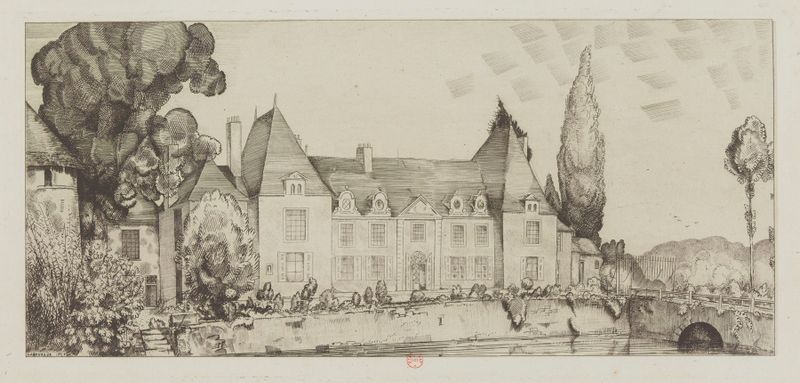
Vue du château de Villaines
Jean-Émile Laboureur
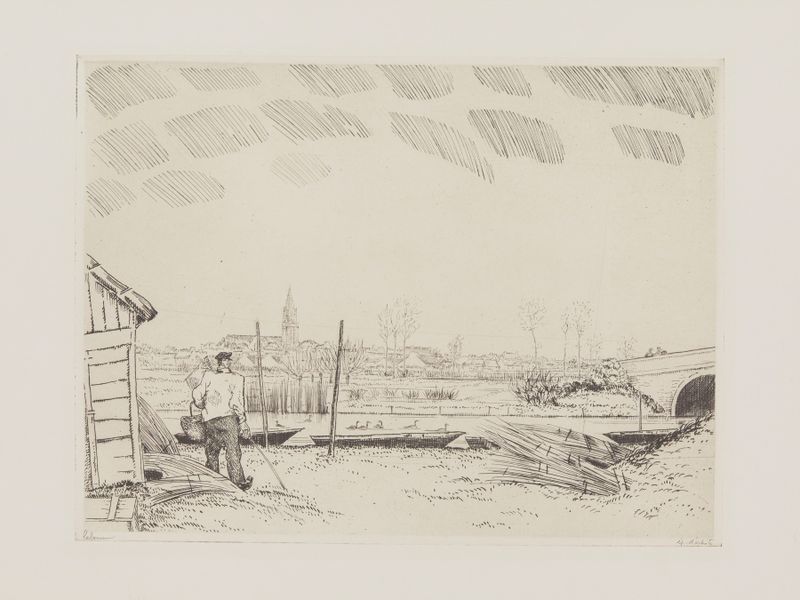
Le pont de Fédrun
Jean-Émile Laboureur
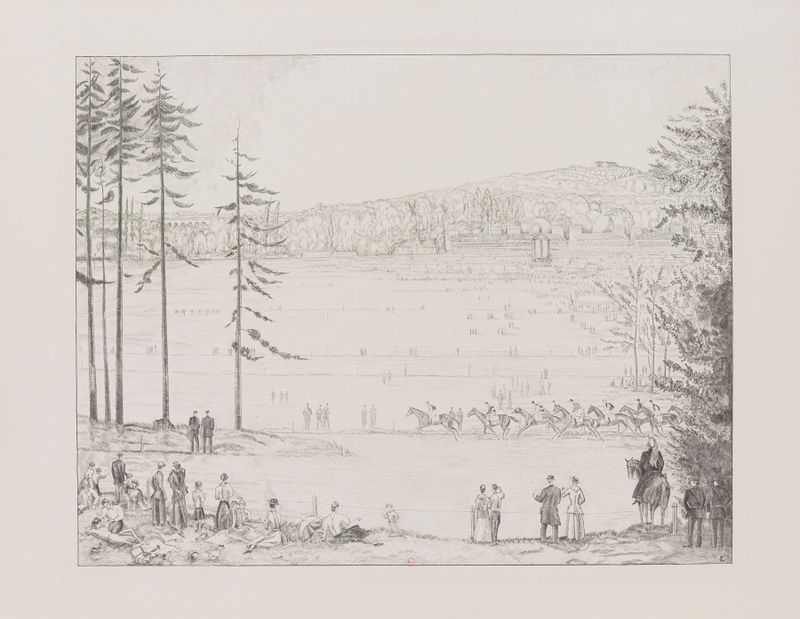
Courses à Longchamp
Jean-Émile Laboureur

L’employé des pompes funèbres
Jean-Émile Laboureur

L’entomologiste
Jean-Émile Laboureur

Paysage au tunnel
Jean-Émile Laboureur
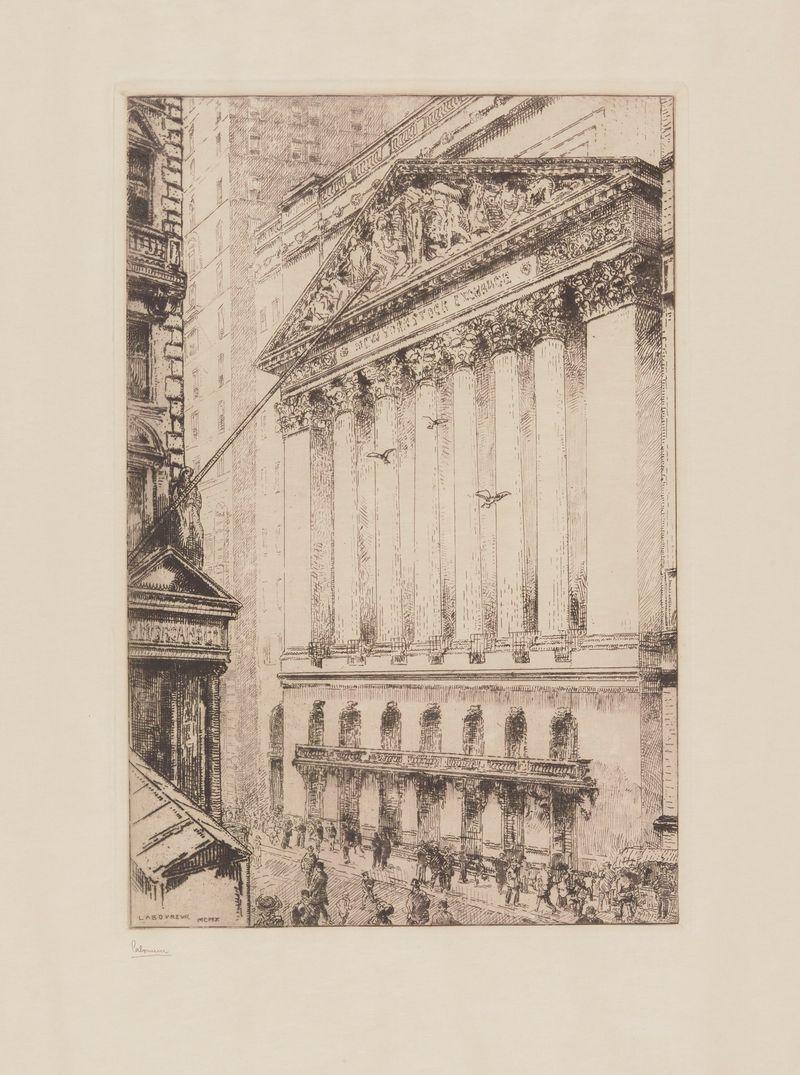
New-york stock exchange
Jean-Émile Laboureur

Viaduc à Monaco
Jean-Émile Laboureur

La mare aux canards
Jean-Émile Laboureur





