
La Meuse à Dordrecht — History & Facts
In La Meuse à Dordrecht, the tumult of nature transforms into a serene embrace, inviting us to confront the poignant beauty of loss. To fully appreciate the artwork, look first at the swirling currents of the Meuse River, which dominate the canvas. Notice how Houdard’s brushstrokes capture the water's kinetic energy, with vibrant blues and whites blending seamlessly. The sky, a tapestry of soft grays and luminous yellows, seems almost to weep, evoking a sense of melancholy.
The interplay of light and shadow not only delineates the flowing water but also reflects the shifting emotions that gripped the artist during this period. Beneath the surface, the painting resonates with themes of transience and longing. The turbulent water can be seen as a metaphor for the inevitable passage of time, while the melancholic sky speaks to a profound sense of loss. Each brushstroke reveals a layer of emotion, as if the very act of painting becomes a way to navigate grief and acceptance.
The distant horizon blurs, suggesting an uncertain future, yet the vibrant colors offer a glimmer of hope amidst the sorrow. In 1898, Houdard was immersed in the Impressionist movement, exploring how light transformed landscapes. This work was painted during a time of personal reflection, as he grappled with the changes in the art world and his own artistic identity. The late 19th century was a period marked by shifting perspectives, both socially and artistically, influencing his approach to capturing the essence of nature with an emotional depth.
More Artworks by Charles-Louis Houdard
Browse all →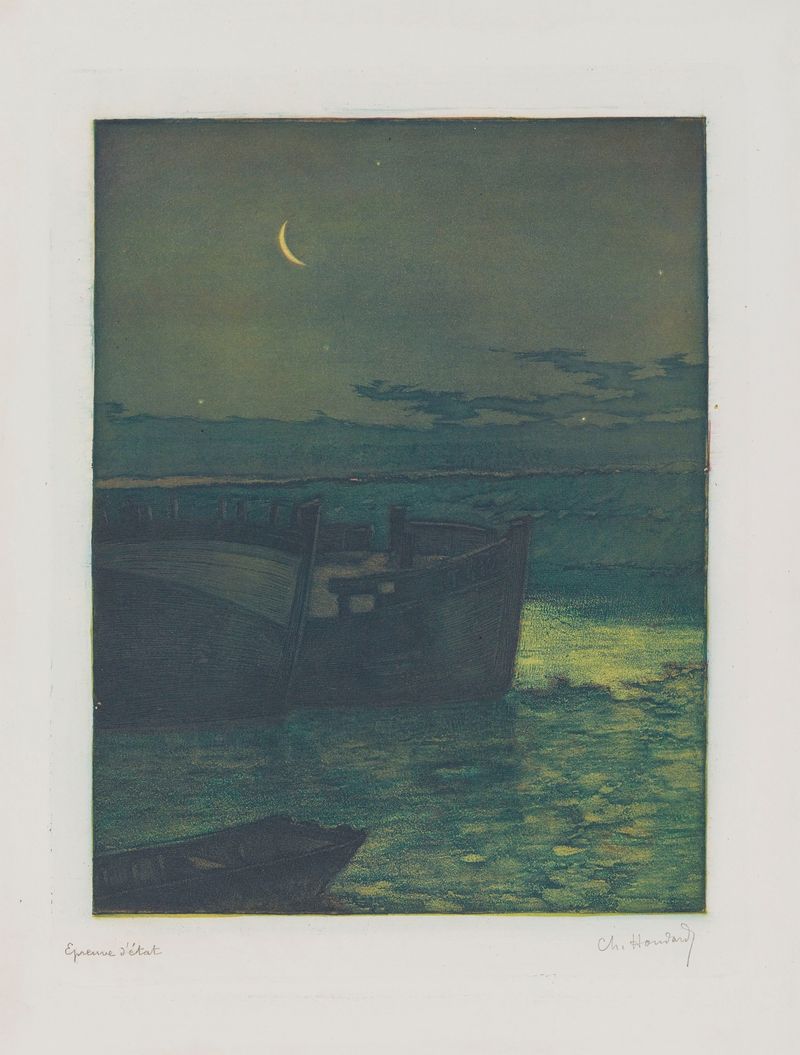
Epaves, navire échoué au clair de lune
Charles-Louis Houdard
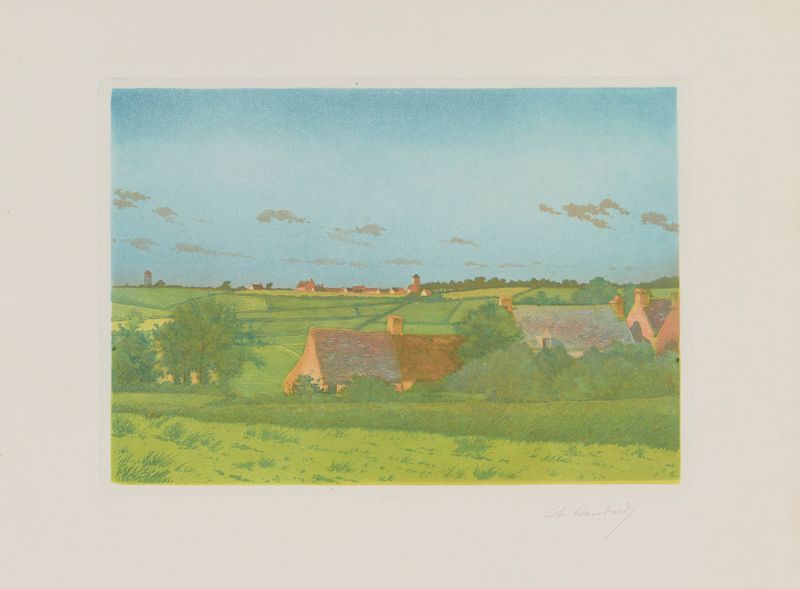
Les hauteurs de Crozon, Finistère
Charles-Louis Houdard
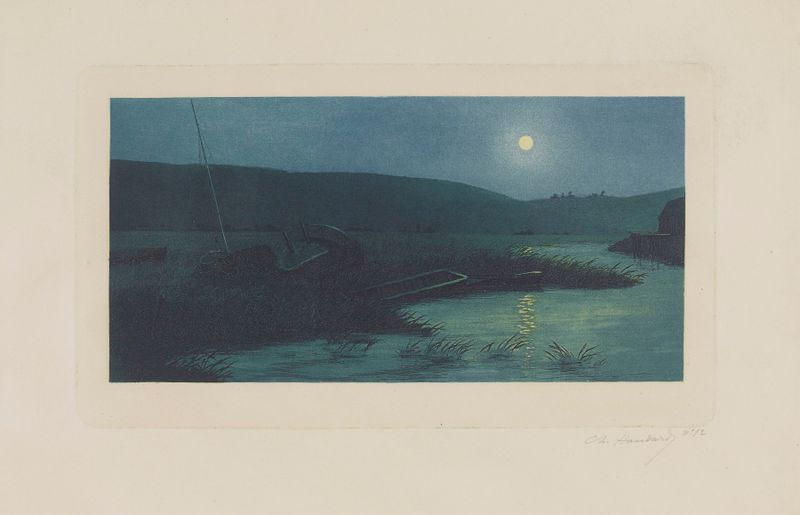
Clair de lune sur la Bresle
Charles-Louis Houdard
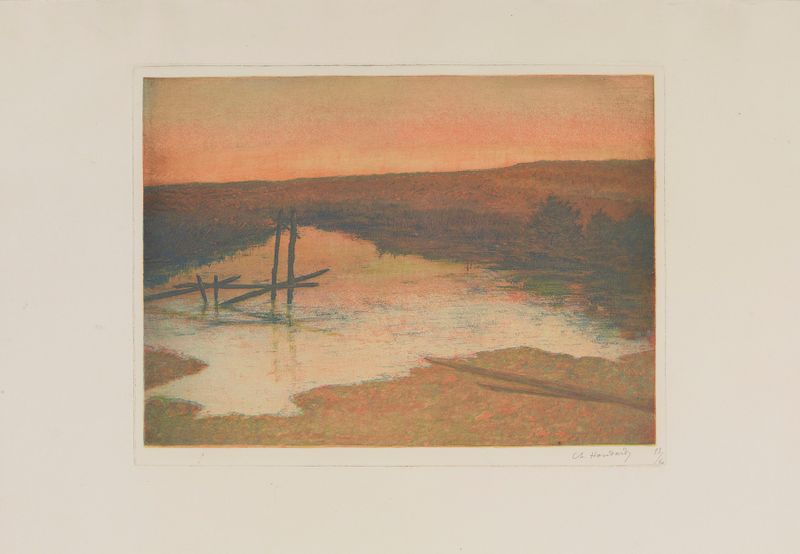
L’étang du moulin à Sémide
Charles-Louis Houdard
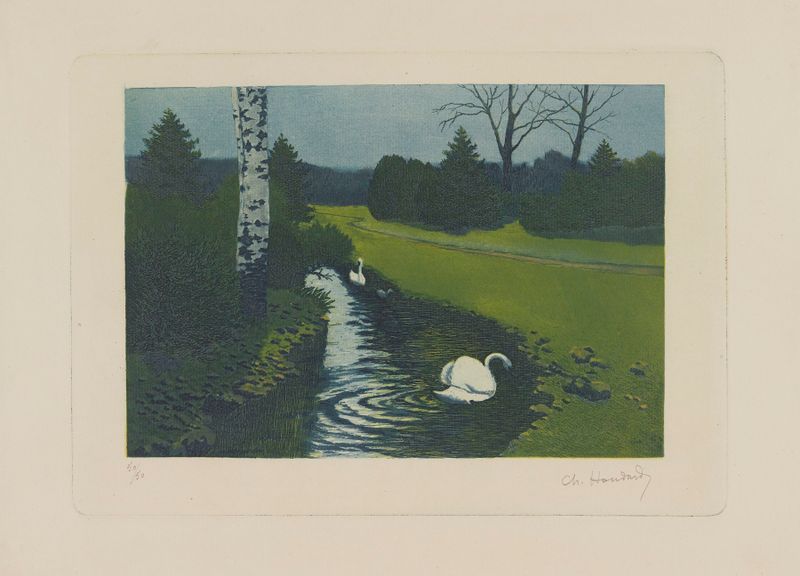
Au bois, cygnes sur un ruisseau
Charles-Louis Houdard
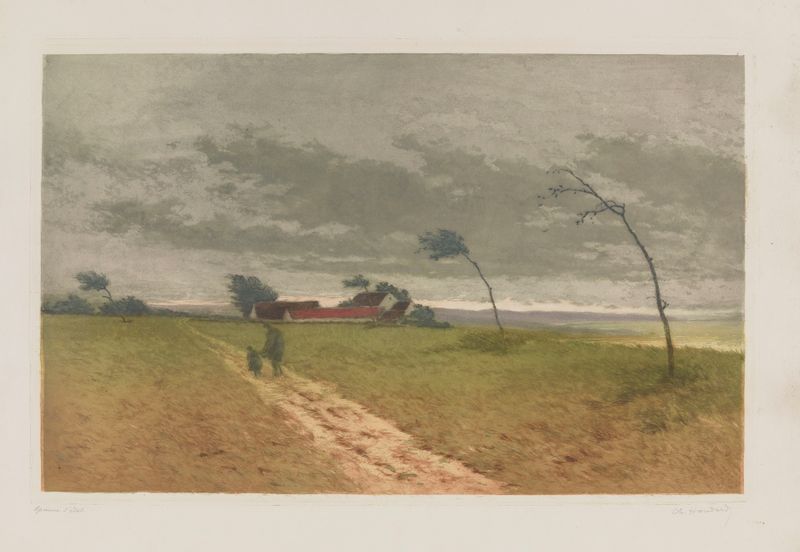
La rafale, plaine sous l’orage
Charles-Louis Houdard
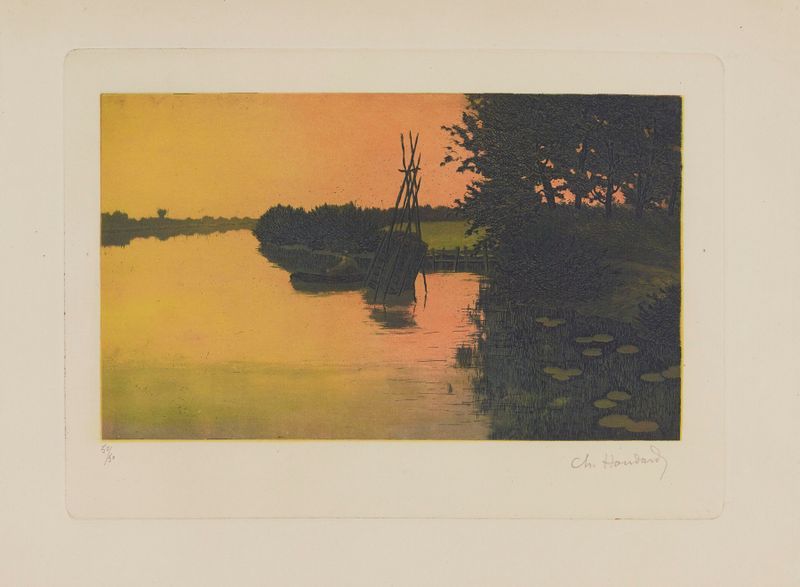
L’Oise à Précy
Charles-Louis Houdard
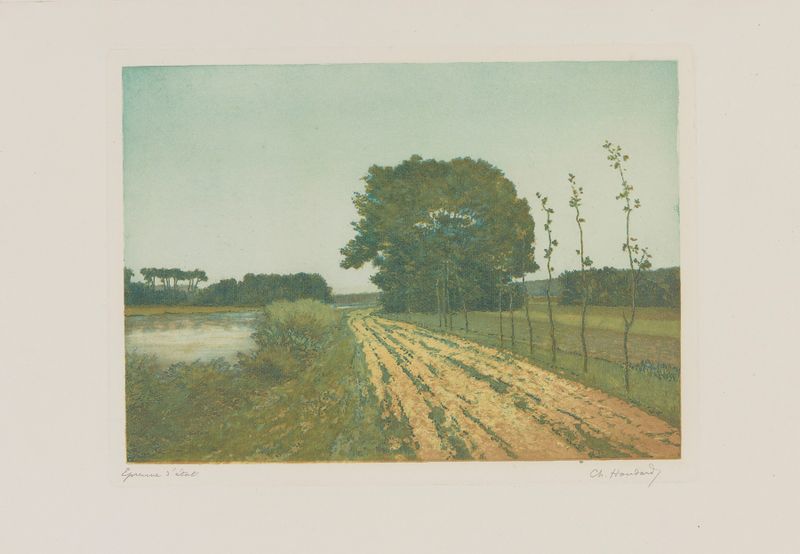
La route abandonnée
Charles-Louis Houdard
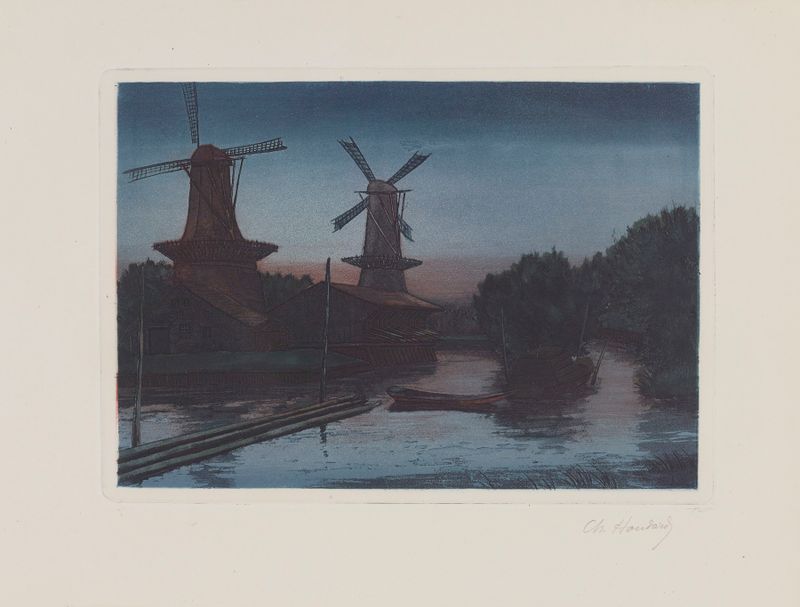
Moulins à Dordrecht
Charles-Louis Houdard
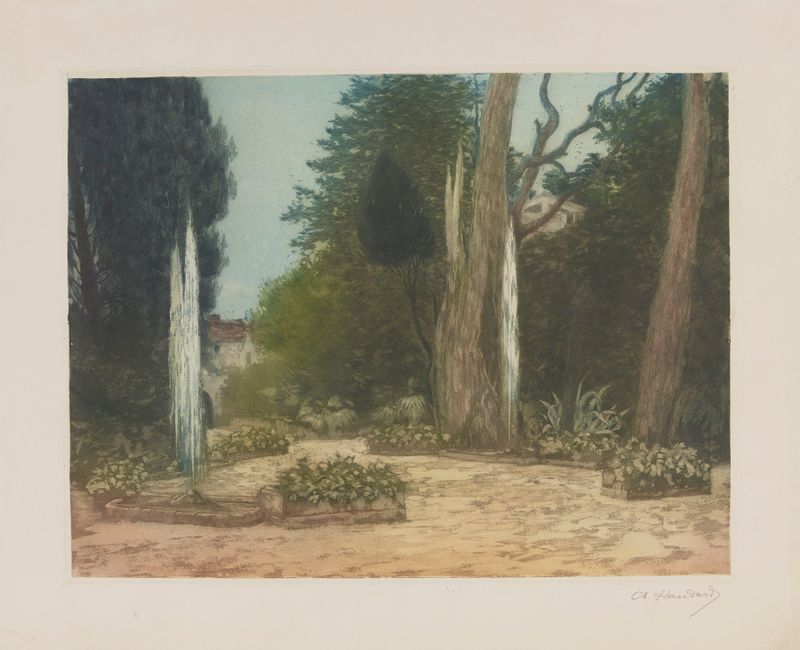
Villa d’Este, Tivoli, le rond-point
Charles-Louis Houdard





