La place Blanche — History & Facts
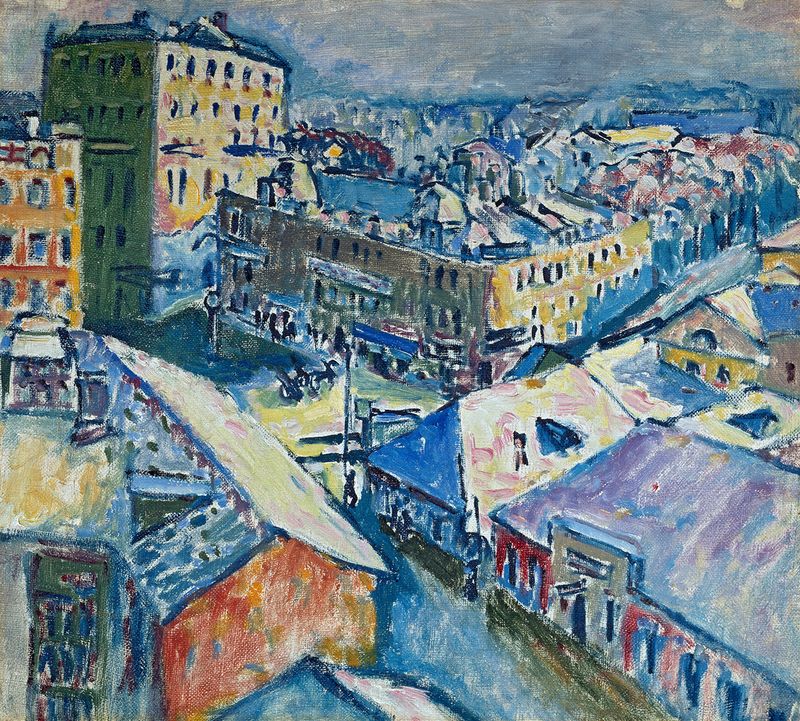
In the echo of vibrant hues, betrayal lurks in the shadows, whispering secrets and untold stories that linger beyond the canvas. The dance of light against the painted surface reveals layers of emotion, leaving viewers to question where loyalty ends and treachery begins. Focus on the center of the composition, where an array of warm and cool colors converge, creating a striking contrast that draws the eye. Notice how the light falls upon the figures, highlighting their expressions — some eager, others apprehensive.
The meticulous brushwork reveals not just forms but the emotional undercurrents, each stroke laden with the weight of unsaid words, as if the colors themselves are embroiled in the silent drama of the scene. As you explore the edges, subtle details emerge: a hand clutching a garment, a sideways glance, and the juxtaposition of the vibrant palette against a backdrop of muted tones. These elements conjure a tension that belies the apparent joviality of the place, inviting viewers to unravel the complexities of trust and deception that intertwine the figures within the square. Here, the canvas becomes a battleground of emotions, a landscape of shared experiences marred by betrayal. In 1926, Ferdinand Boberg created this work during a period of artistic exploration and innovation in Europe, marked by a rich tapestry of styles and movements.
Living in the wake of the Great War, he sought to capture the shifting dynamics of society through his art. During this time, he navigated personal challenges and the evolving world around him, reflecting a deep understanding of the human condition, particularly the complex interplay of relationships that often simmer beneath the surface.
More Artworks by Ferdinand Boberg
Browse all →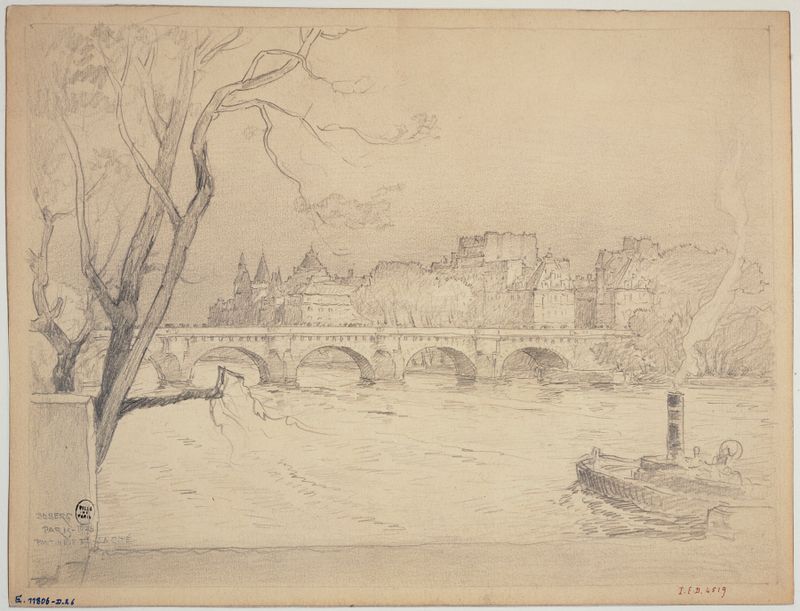
Le Pont-Neuf et la Cité
Ferdinand Boberg
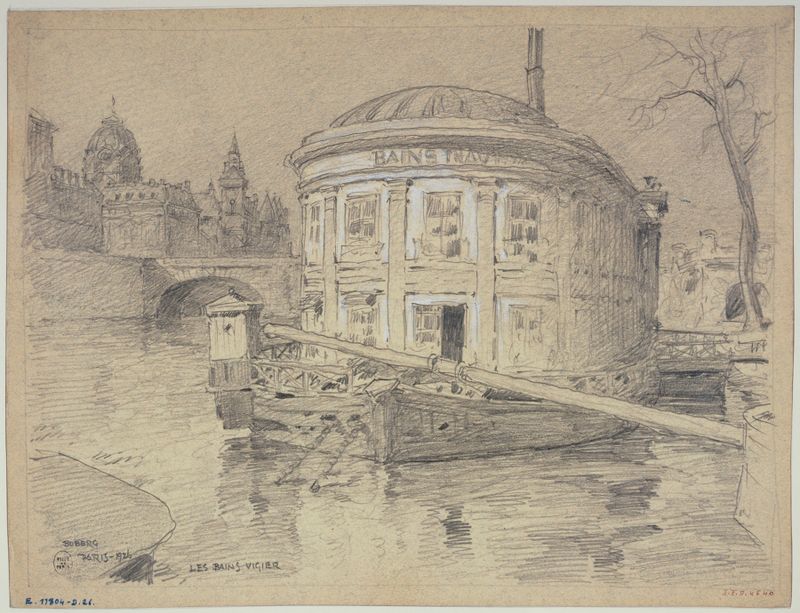
Les bains Vigier au Pont-Neuf
Ferdinand Boberg
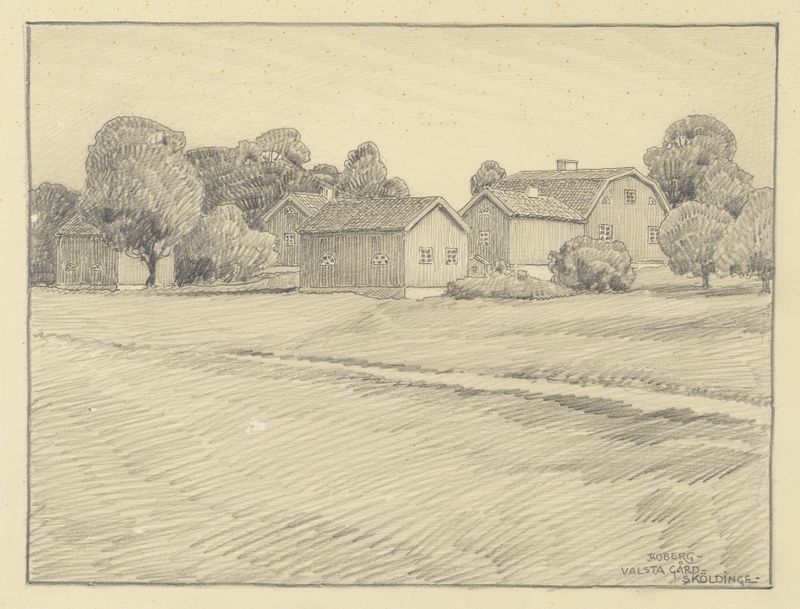
Valsta Gård
Ferdinand Boberg
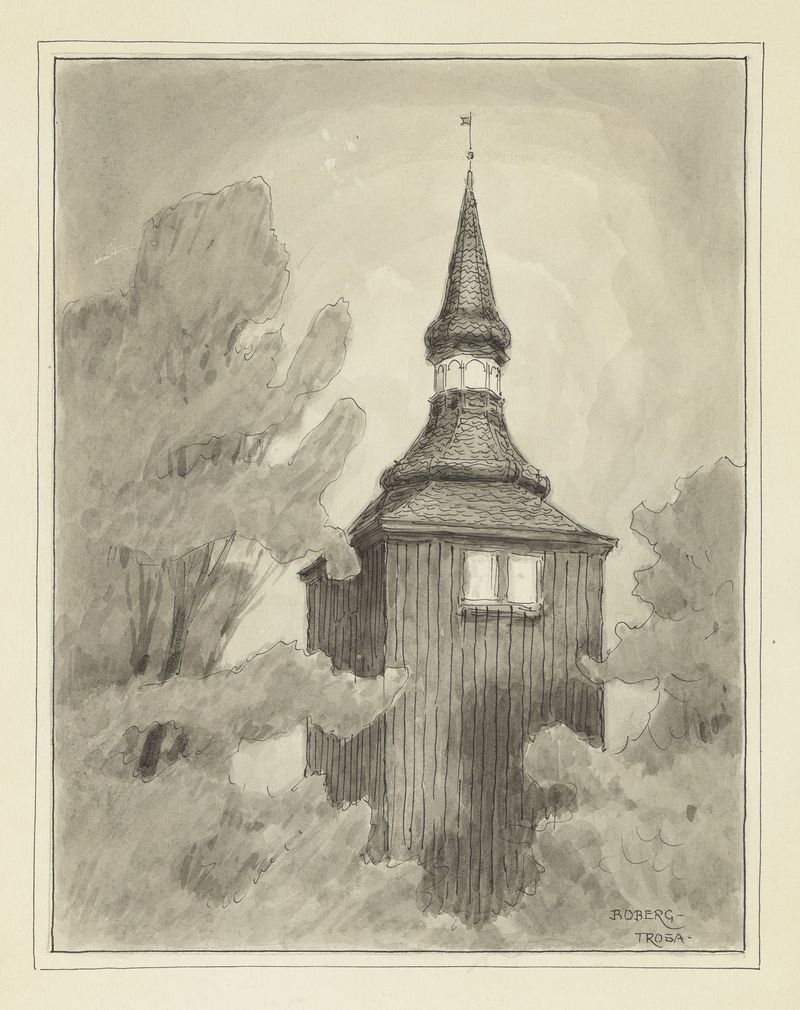
Trosa
Ferdinand Boberg
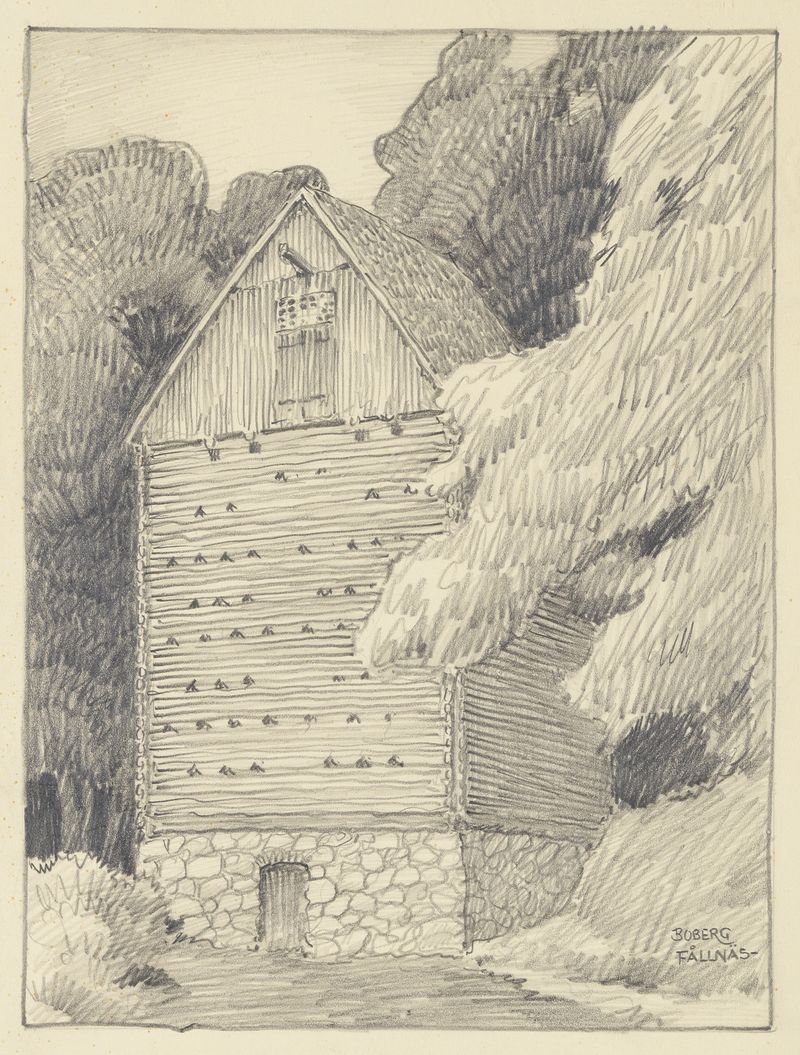
Fållnäs
Ferdinand Boberg
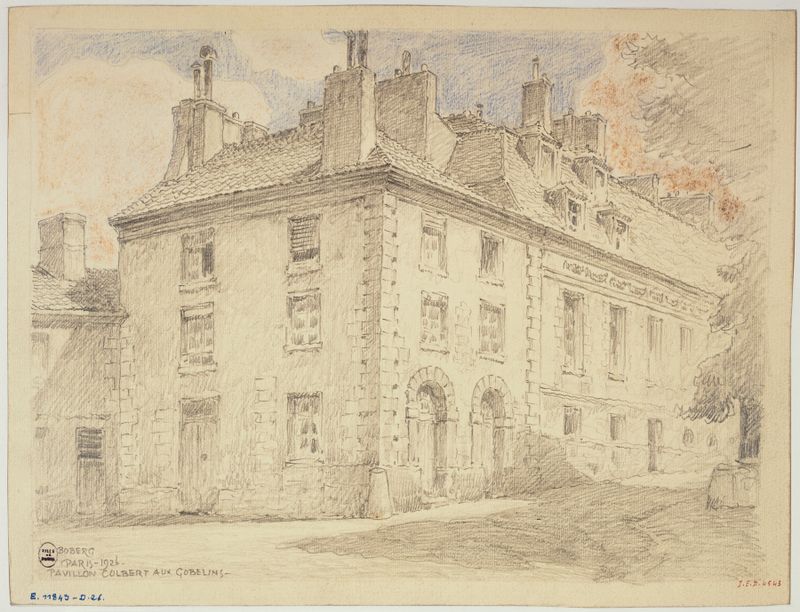
Le pavillon Colbert aux Gobelins
Ferdinand Boberg
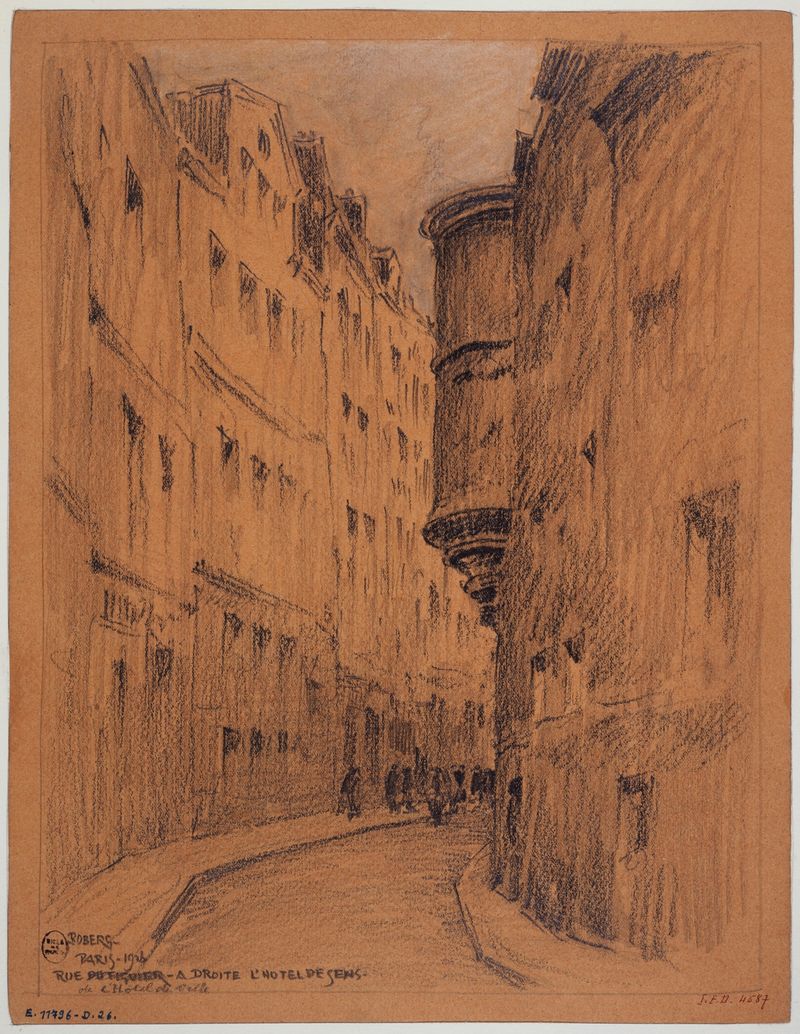
Rue de l’Hôtel de Ville; l’hôtel de Sens
Ferdinand Boberg
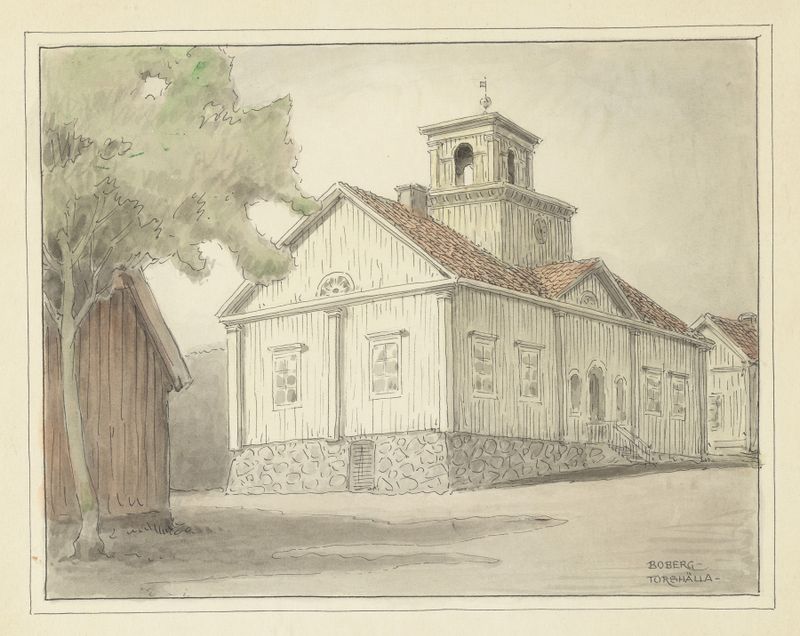
Torshälla
Ferdinand Boberg
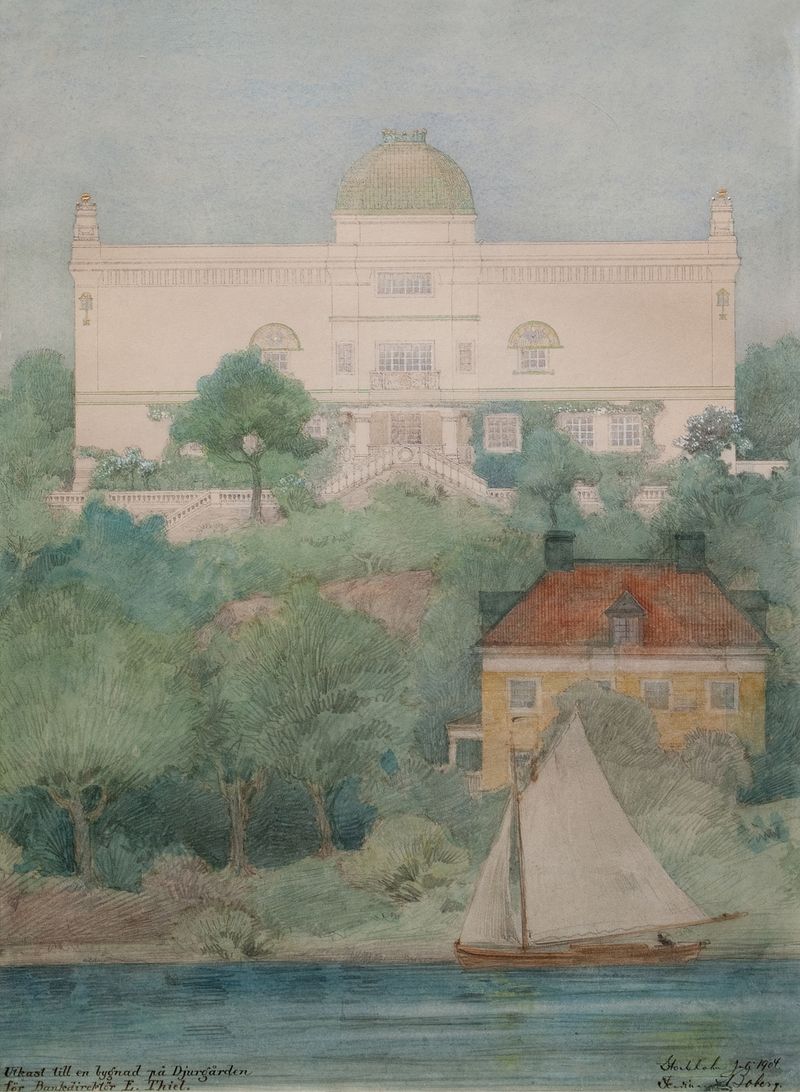
Sketch for a building for Thiel’s Gallery
Ferdinand Boberg
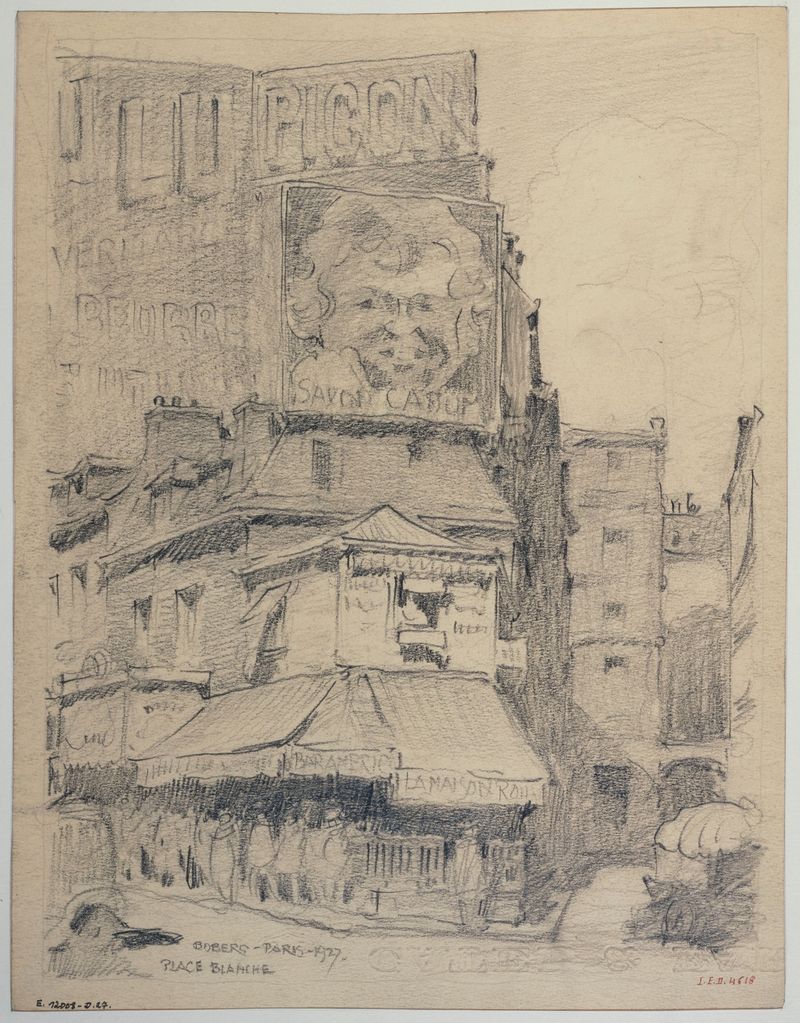
La place Blanche
Ferdinand Boberg