
La Place de la Bastille et la Barricade de l’entrée du faubourg Saint-Antoine, le 25 juin 1848 — History & Facts
Who listens when art speaks of silence? In the wake of revolution, voices echo through the stillness, and betrayal lingers in the air like an unspoken truth. Look to the center of the canvas, where a barricade rises defiantly against a muted, gray sky. The rough textures of the makeshift structure, composed of timber and debris, contrast sharply with the soft, billowing clouds above, suggesting an uneasy calm. Notice the figures gathered around it — weary yet resolute, they stand in various stances, each caught in a moment of contemplation or action, their muted colors enhancing the tension of the scene.
The interplay of light and shadow influences the viewer's gaze, drawing focus to the expressions that speak volumes, revealing a complex tapestry of hope and despair. Dive deeper to see the quiet desperation in their eyes, a reflection of the turmoil that swept through Paris. The flags fluttering in the distance symbolize both unity and division; the promise of a new era colored by the shadows of past betrayals. Each character, though distinct, shares an unspoken connection, united in their fight yet isolated by their fears.
This multi-layered narrative hints at the fragility of revolution and the cost of freedom, a poignant reminder of the price paid for change. Jean-Jacques Champin created this compelling work amidst the upheaval of 1848, a year marked by revolutions across Europe. Living in Paris during this time, he witnessed the fervor and chaos as citizens rallied for their rights. The political climate was charged with a desire for change, yet it was also rife with betrayals, making the artist's reflections on this period deeply personal and resonant.
More Artworks by Jean-Jacques Champin
Browse all →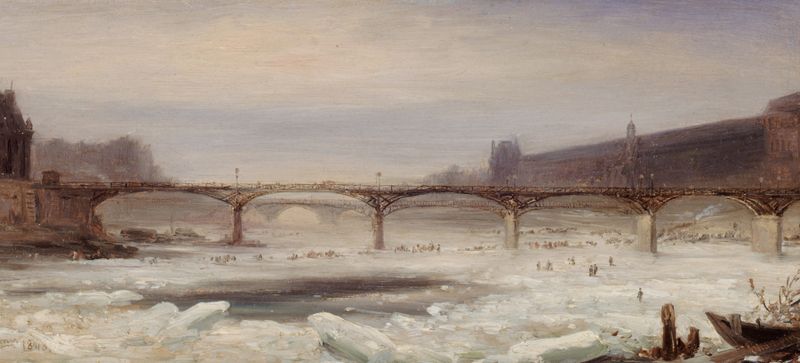
La Seine et le Pont des Arts, en janvier 1848
Jean-Jacques Champin
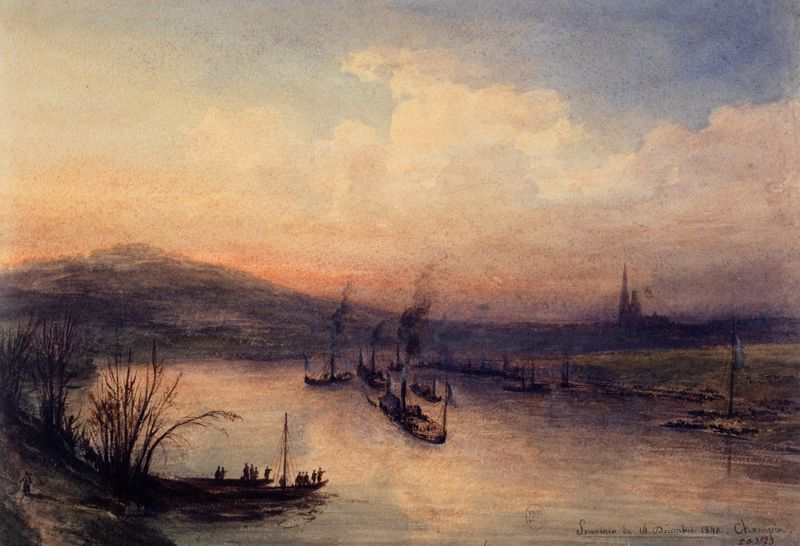
Le retour des cendres de Napoléon Ier, 1840, la Seine près de Saint-Denis
Jean-Jacques Champin
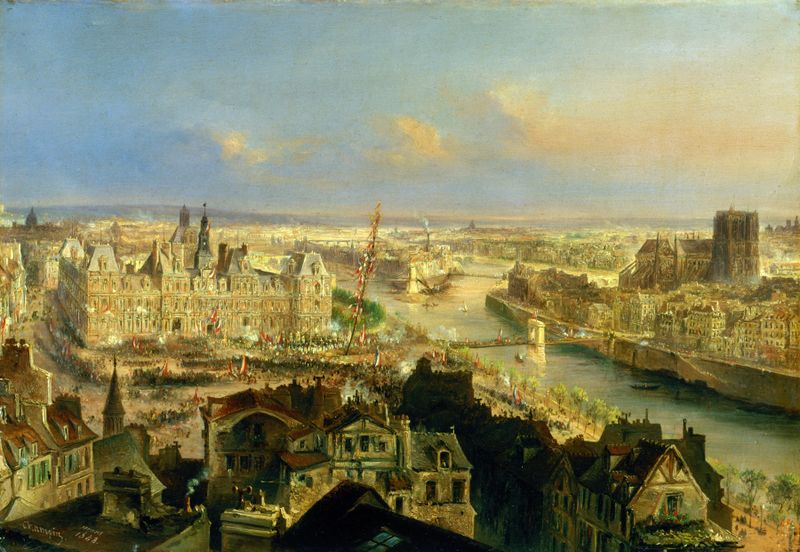
Plantation d’un arbre de la Liberté, devant l’hôtel de Ville, le 24 mars 1848
Jean-Jacques Champin
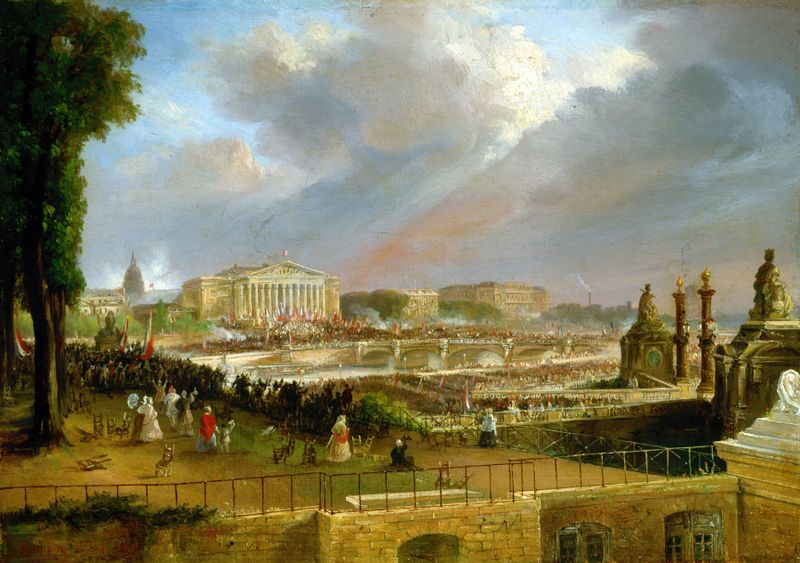
Proclamation de la République sur le portique de la Chambre des députés, le 4 mai 1848
Jean-Jacques Champin
More Historical Art
Browse all →
The Night Watch Militia Company of District II under the Command of Captain Frans Banninck Cocq
Rembrandt van Rijn

Lincoln Memorial
Henry Bacon

The Third of May 1808
Francisco de Goya

Isaac and Rebecca, Known as ‘The Jewish Bride’
Rembrandt van Rijn

The Charge of the Mamelukes (1814)
Francisco de Goya

De vier ruiters van de apocalyps
Albrecht Dürer