
Plantation d’un arbre de la Liberté, devant l’hôtel de Ville, le 24 mars 1848 — History & Facts
In a world where chaos reigns, the quiet act of planting a tree becomes a profound symbol of hope and resilience. Look to the center of the canvas, where the vibrant green of a newly planted tree captures your gaze, its leaves reaching toward the sky. Flanking the tree, figures dressed in the somber hues of the era reflect a palpable tension; some are engaged, others appear hesitant. Notice how the soft light bathes the scene in a warm glow, highlighting the determination etched on their faces.
The dynamic composition pulls the viewer into a moment suspended between despair and optimism, an act of defiance against the backdrop of turmoil. Delve deeper into the expressions of the figures—each one tells a story of personal conflict and collective aspirations. The joyous embrace of the tree contrasts sharply with the exhaustion visible in their postures. This juxtaposition captures a significant moment in history, where the promise of liberty becomes intertwined with the weight of existing societal struggles.
The gathering, though serene in its focus, pulses with the undercurrents of uncertainty and chaos that defined the period. At the time Plantation d’un arbre de la Liberté was painted, Jean-Jacques Champin was witnessing the revolutionary fervor of 1848 in France, a year marked by political upheaval and calls for change. Working in Paris, he captured this public spectacle during a time when his contemporaries were grappling with the ideals of liberty and fraternity that were reshaping the nation. This painting serves as both a reflection of his artistic vision and a testament to the hope that emerged amid the chaos of revolution.
More Artworks by Jean-Jacques Champin
Browse all →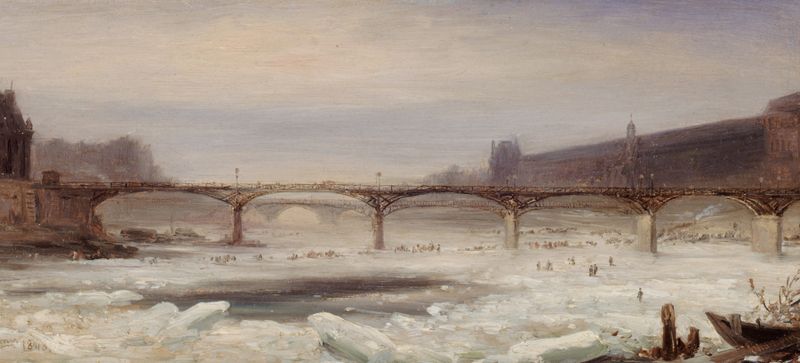
La Seine et le Pont des Arts, en janvier 1848
Jean-Jacques Champin
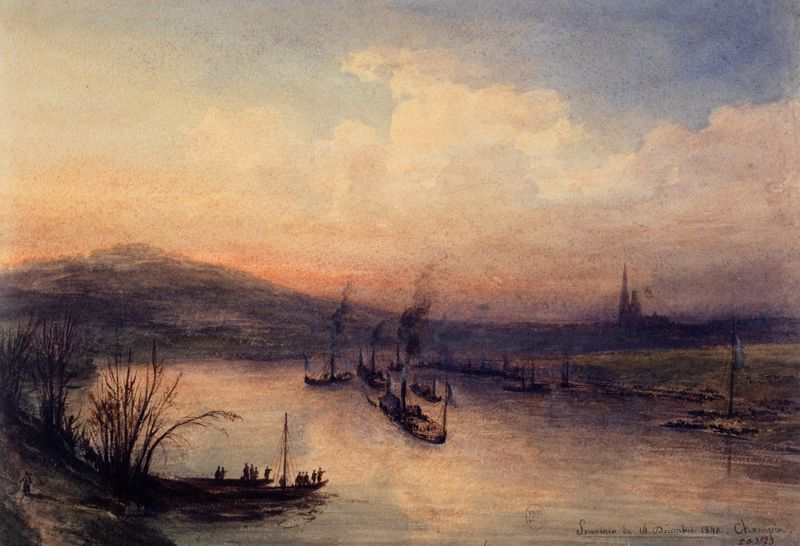
Le retour des cendres de Napoléon Ier, 1840, la Seine près de Saint-Denis
Jean-Jacques Champin
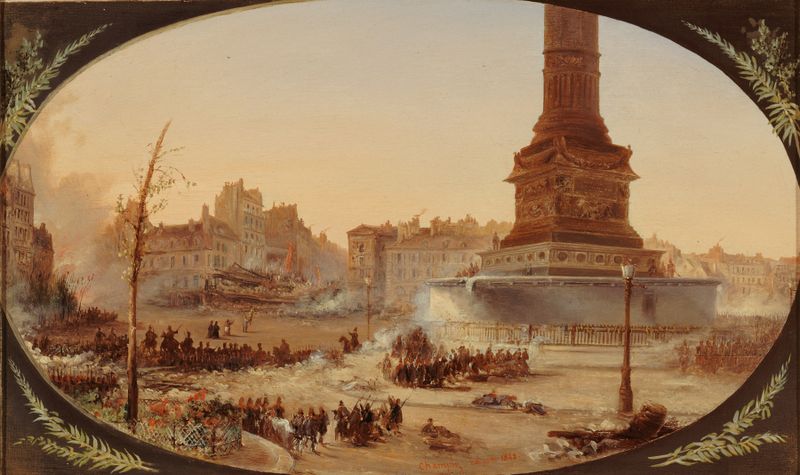
La Place de la Bastille et la Barricade de l’entrée du faubourg Saint-Antoine, le 25 juin 1848
Jean-Jacques Champin
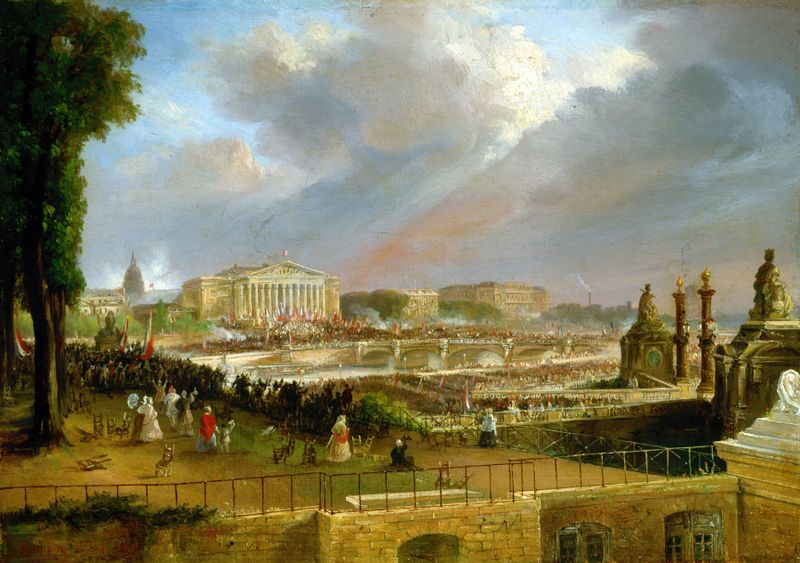
Proclamation de la République sur le portique de la Chambre des députés, le 4 mai 1848
Jean-Jacques Champin
More Historical Art
Browse all →
The Night Watch Militia Company of District II under the Command of Captain Frans Banninck Cocq
Rembrandt van Rijn

Lincoln Memorial
Henry Bacon

The Third of May 1808
Francisco de Goya

Isaac and Rebecca, Known as ‘The Jewish Bride’
Rembrandt van Rijn

The Charge of the Mamelukes (1814)
Francisco de Goya

De vier ruiters van de apocalyps
Albrecht Dürer